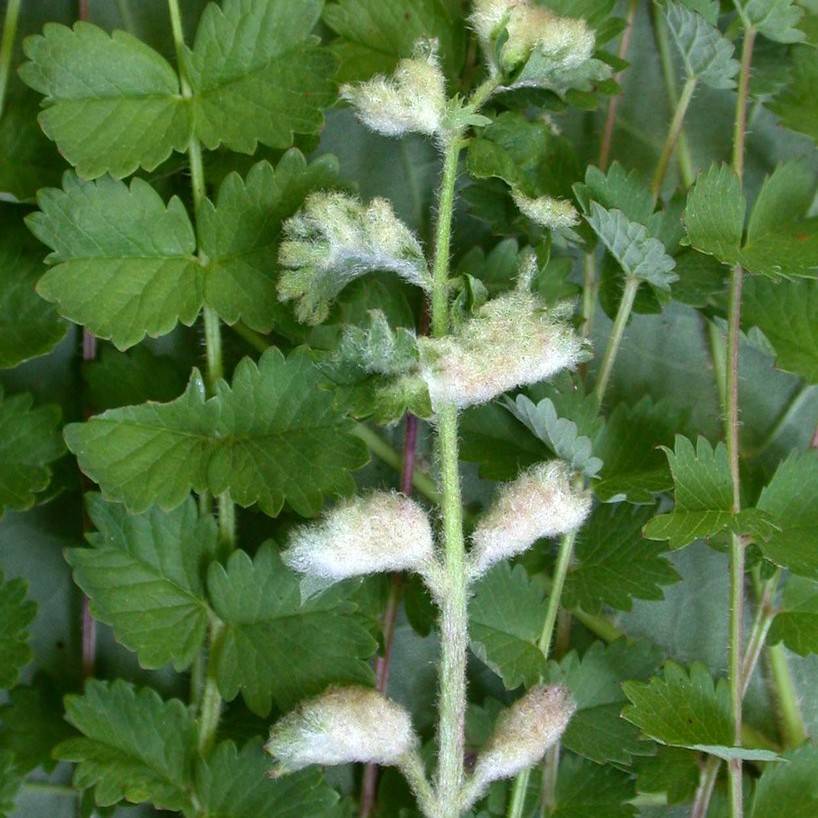
Burnet
Sanguisorba officinalis
Overview
Burnet, also called great burnet or salad burnet, is a low-maintenance herb valued for both its culinary use and ornamental appeal. Its fern-like, deep green foliage forms dense mounds that stay lush from spring through fall, while its unique bottlebrush flower spikes bloom in mid to late summer. It thrives in meadows, stream banks, and garden borders, and has a long history of use in traditional herbal medicine to staunch bleeding and reduce inflammation.
Care Guide
Watering
Burnet prefers consistently moist, well-drained soil, and benefits from regular watering during prolonged dry spells to prevent foliage wilting. Avoid overwatering or waterlogged conditions, which can cause root rot in established plants; reduce watering frequency in fall and winter as growth slows.
Light
It grows best in full sun, though it tolerates light partial shade, especially in hotter climates where afternoon shade prevents leaf scorch. Too much dense shade will lead to leggy growth, reduced flower production, and less flavorful foliage.
Soil
Burnet adapts to a wide range of soil types, including sandy, loamy, and clay soils, as long as drainage is adequate. It thrives in neutral to slightly alkaline soil with a pH between 6.0 and 7.5, and tolerates poor, low-nutrient soil better than many other culinary herbs.
Fertilizer
This low-feeding plant rarely requires supplemental fertilization if grown in average garden soil; overfertilizing leads to floppy, weak growth and reduced flavor. For potted specimens, apply a balanced, diluted liquid fertilizer once in early spring to support new growth.
Temperature
Burnet is cold-hardy in USDA zones 4 through 8, tolerating winter temperatures as low as -30°F (-34°C) without additional protection. It prefers cool summer temperatures, and in regions with consistent heat above 85°F (29°C), it may go dormant temporarily until cooler weather returns.
Pruning
Trim back flower spikes after blooming to encourage fresh, tender leaf growth and prevent unwanted self-seeding in garden beds. In late fall, cut back the entire plant to 2-3 inches above the soil line to tidy the bed and promote healthy new spring growth.
Propagation
Burnet is most commonly propagated by seed sown directly in the garden in early spring or fall, with seeds requiring 30 days of cold stratification to germinate reliably. Mature clumps can also be divided every 3-4 years in early spring or late fall to create new plants and prevent overcrowding.
Humidity
It tolerates average temperate humidity levels between 40% and 70% with no special requirements, and is not prone to fungal issues in humid conditions as long as air circulation around the foliage is good. Extremely dry, arid air may cause leaf browning at the edges, which can be mitigated with occasional misting or extra watering.
Repotting
Potted burnet should be repotted every 2-3 years in early spring, moving to a container one size larger with fresh, well-drained potting mix to accommodate its spreading root system. Check for root bound symptoms such as roots growing through drainage holes or stunted growth, and trim back any damaged or circling roots during repotting to support healthy growth.
Uses & Symbolism
The young, tender leaves of burnet have a mild cucumber-like flavor, making them a popular addition to salads, cold soups, herb butters, and summer drinks like cocktails or iced tea. Its unique burgundy flower spikes are used as cut flowers in fresh arrangements, and dried blooms work well in everlasting floral displays. Historically, the plant was used in herbal medicine to treat bleeding, diarrhea, and inflammation, and its deep root system helps stabilize soil in erosion-prone areas.
Diseases & Pests
Burnet is largely pest and disease resistant, though it may occasionally be affected by powdery mildew in humid, poorly ventilated conditions, which can be prevented by spacing plants to allow air flow. Aphids and spider mites may infest stressed plants, and can be controlled with a strong spray of water or insecticidal soap applications. Root rot can occur in poorly drained, waterlogged soil, so ensure planting sites have adequate drainage to avoid this issue.
Related plants
Other plants you might like if you grow Burnet.