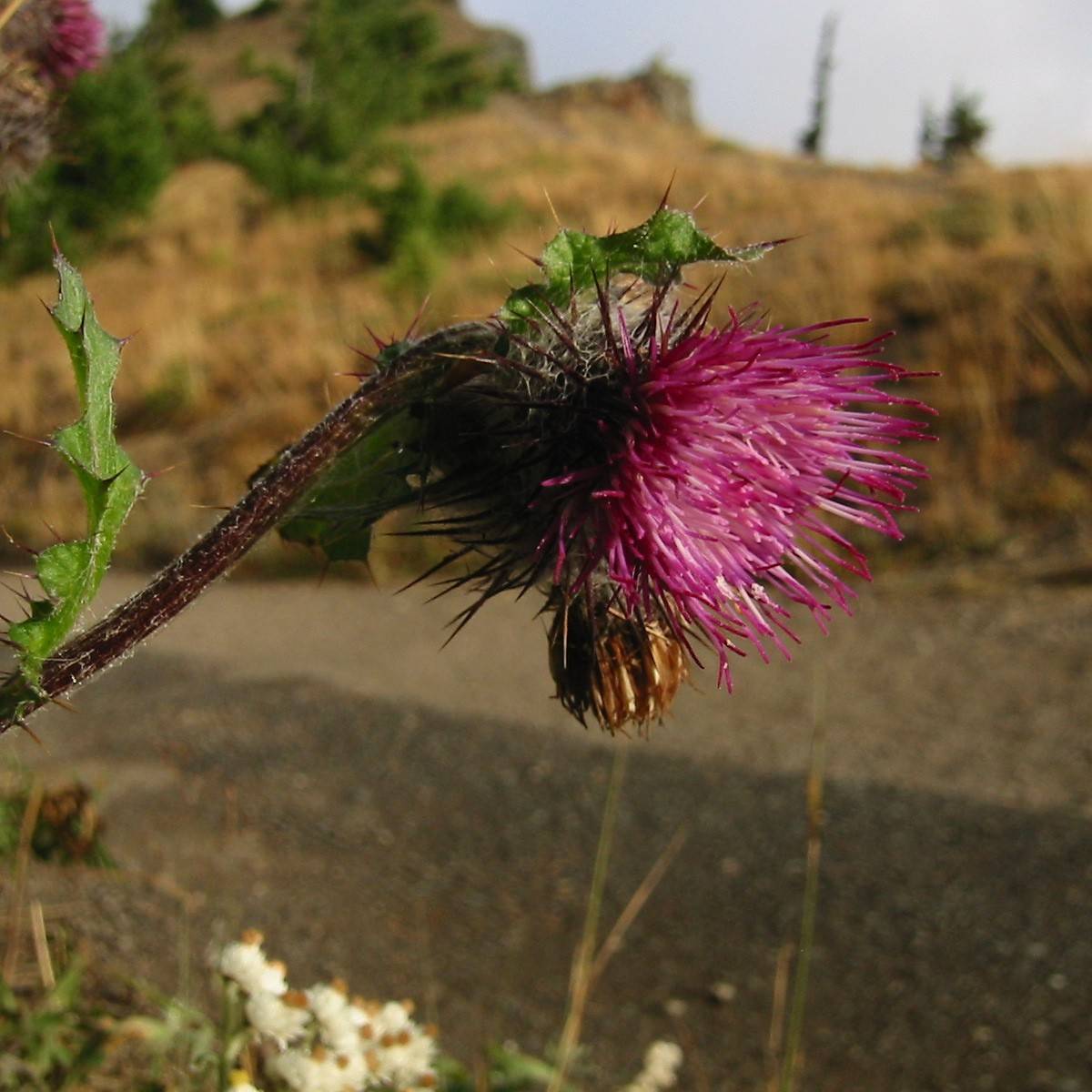
Edible Thistle
Cirsium edule
Overview
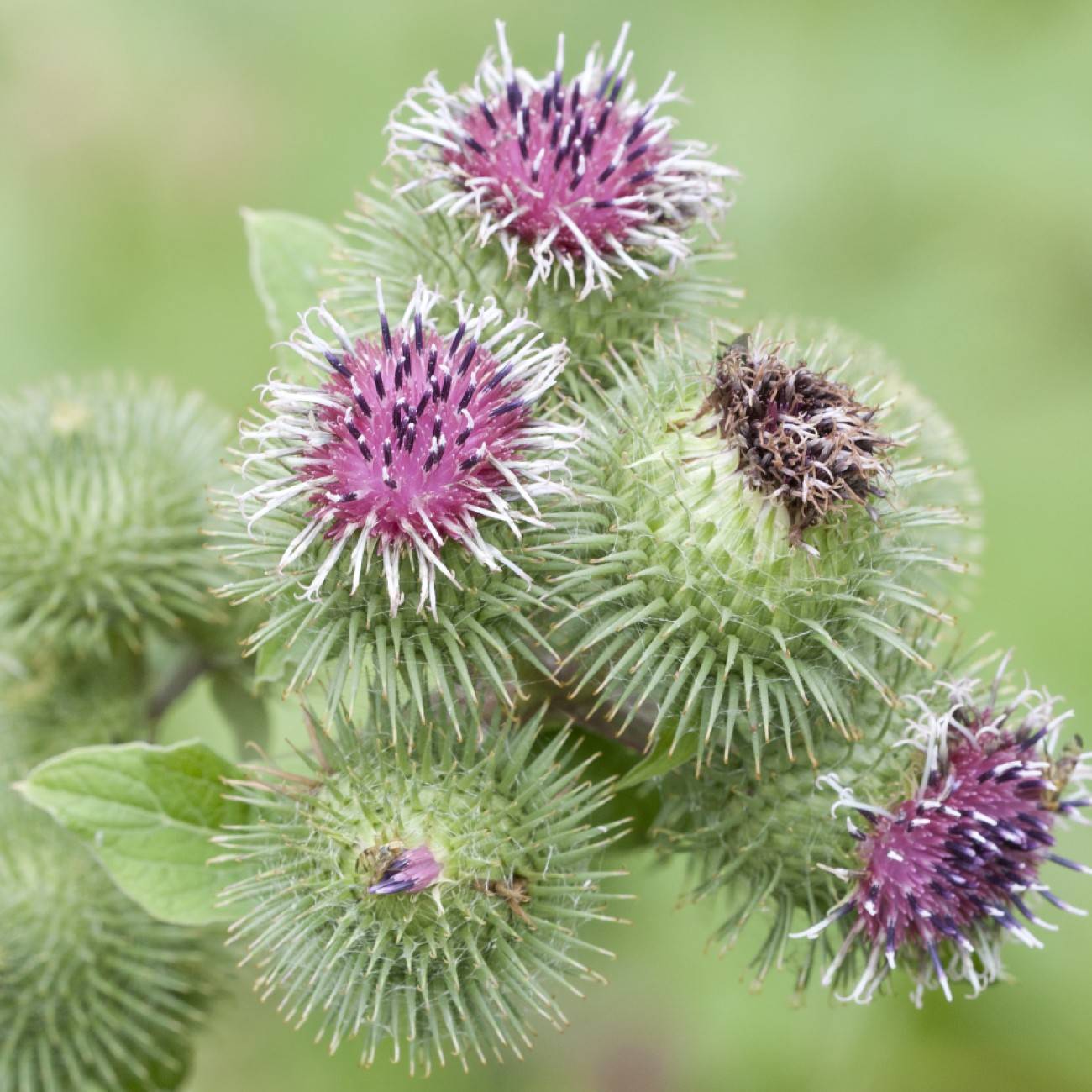
Edible thistle, also called Indian thistle, is a robust herbaceous perennial native to moist meadows, stream banks, and open woodlands of western North America. It produces spiny, lobed green foliage and striking, rounded purple flower heads in summer that attract pollinators including bumblebees and butterflies. Indigenous peoples have long harvested its mild, nutrient-dense edible parts, distinguishing it from less palatable or invasive thistle species.
Care Guide
Watering
Edible thistle prefers consistently moist, well-drained soil, requiring regular watering during active spring and summer growth to prevent drought stress. Reduce watering frequency in fall as the plant enters dormancy, allowing the top few inches of soil to dry out between sessions. Avoid overwatering or waterlogged conditions, which can cause root rot in established plants.
Light
This species thrives in full sun, receiving a minimum of 6 hours of direct unfiltered light daily for the strongest growth and flower production. It can tolerate partial shade, especially in hotter southern portions of its range, though shaded plants may grow taller and produce fewer flower heads. Provide full sun exposure for the most vigorous edible shoot and root development.
Soil
Edible thistle adapts to a wide range of soil types, including sandy loam, silt, and clay, as long as drainage is adequate. It prefers a neutral to slightly acidic soil pH between 6.0 and 7.2 for optimal nutrient uptake. Amending planting sites with organic compost before sowing or transplanting supports stronger root growth and higher yields of edible parts.
Fertilizer
This low-maintenance plant generally requires minimal fertilization, especially if grown in organically rich soil. A light application of balanced 10-10-10 granular fertilizer in early spring as new growth emerges supports robust vegetative development. Avoid excessive nitrogen fertilization, which can promote overly lush, tender foliage prone to aphid infestations.
Temperature
Edible thistle is cold-hardy, thriving in USDA zones 4 through 9, tolerating winter temperatures as low as -30°F (-34°C) when dormant. It prefers moderate summer temperatures between 60°F and 80°F (15°C to 27°C), though it can tolerate short periods of temperatures above 90°F (32°C) with adequate soil moisture. Prolonged extreme heat without supplemental watering may cause foliage scorch and premature dormancy.
Pruning
Prune away spent flower heads immediately after blooming if you wish to prevent self-seeding and unwanted spread across your garden. Cut back the entire above-ground foliage to 2-3 inches above the soil line in late fall after the plant has fully entered dormancy, removing any diseased or pest-damaged plant material. Wear thick protective gloves when handling the plant to avoid injury from its sharp spines.
Propagation
Edible thistle is most easily propagated from seed, sown directly outdoors in fall for natural cold stratification, or started indoors 8-10 weeks before the last spring frost after 30 days of cold stratification in a refrigerator. It can also be propagated by root division in early spring before new growth begins, carefully separating sections of the taproot with at least one growth bud per division. Seed-grown plants typically produce edible shoots and flowers in their second year of growth.
Humidity
This species adapts well to average ambient humidity levels between 40% and 70%, typical of its native western North American habitats. It tolerates higher humidity in coastal regions as long as soil drainage remains adequate to prevent fungal issues. No extra humidity supplementation is required when grown outdoors or in indoor cultivation settings.
Repotting
Edible thistle is rarely grown in containers due to its large size and deep taproot, but if potted, repot every 2-3 years in early spring before new growth emerges. Use a deep, wide container with drainage holes to accommodate the taproot, and refresh the potting mix with organic compost each repotting session to replenish nutrients. Avoid repotting mature plants during active growth, as this can damage the taproot and cause severe stress.
Uses & Symbolism
Young, tender edible thistle shoots harvested before flowering are eaten raw in salads or cooked like asparagus, with a mild, sweet flavor similar to celery. The starchy taproot is harvested in fall or early spring, roasted, boiled, or mashed as a nutrient-dense root vegetable, while the immature flower heads can be cooked and eaten like artichokes. It also provides high-value nectar for pollinators, and is planted in native habitat restoration projects to support local bee and butterfly populations.
Diseases & Pests
Edible thistle is relatively pest-resistant, though it may be susceptible to aphid infestations on new growth, which can be controlled with insecticidal soap or a strong spray of water. Fungal diseases including powdery mildew and rust may occur in overly humid, poorly ventilated conditions, especially if foliage remains wet for extended periods. Root rot can develop in waterlogged, poorly drained soil, so ensure proper site preparation and avoid overwatering to prevent this issue.
Related plants
Other plants you might like if you grow Edible Thistle.