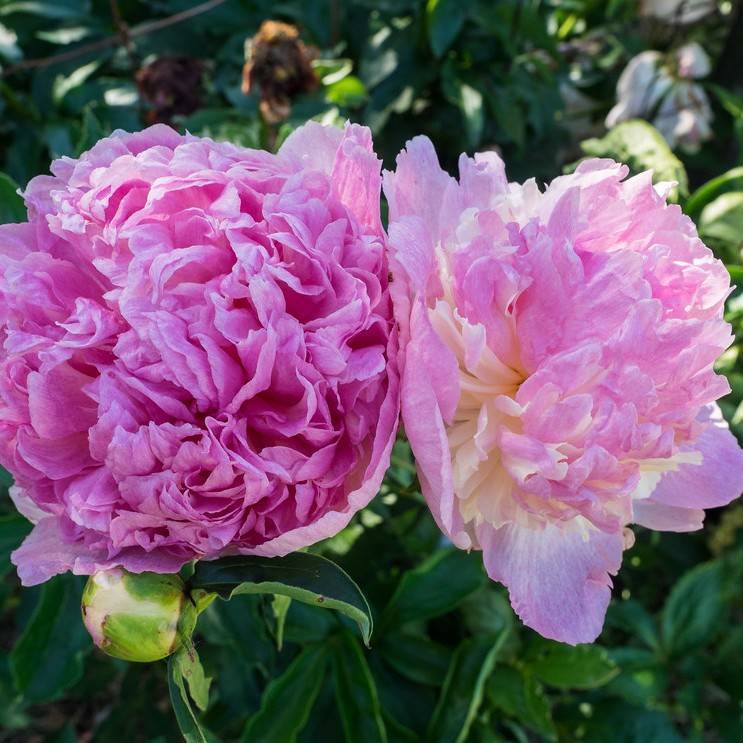
Fernleaf Peony
Paeonia tenuifolia
Overview
Fernleaf peony is a beloved ornamental perennial prized for its unique lacy, deep green foliage that sets it apart from common broad-leaved peony varieties. It blooms earlier than most peonies, producing vibrant, ruffled crimson flowers with contrasting yellow stamens in late spring to early summer. Long-lived when established, it forms neat, clumping mounds that retain their attractive foliage through the growing season after blooms fade.
Care Guide
Watering
Water deeply once per week during active growth, allowing the top 1-2 inches of soil to dry out between waterings to prevent root rot. Reduce watering frequency in late summer and fall as the plant enters dormancy, and avoid overwatering during winter when the crown is inactive.
Light
Plant in full sun, meaning at least 6 hours of direct, unfiltered sunlight daily, to promote abundant flowering and sturdy, upright growth. It can tolerate very light dappled shade in particularly hot climates, but too much shade will reduce bloom production and cause leggy growth.
Soil
Requires well-drained, fertile loam soil with a neutral to slightly alkaline pH between 6.5 and 7.5 for optimal health. Heavy clay soils that hold standing water will quickly cause fatal root rot, so amend planting sites with compost or grit to improve drainage if needed.
Fertilizer
Apply a balanced, slow-release 10-10-10 fertilizer in early spring just as new growth emerges, taking care not to get fertilizer on the tender new shoots or crown. A light topdressing of compost or well-rotted manure in fall will support nutrient storage for the following growing season, avoiding high-nitrogen fertilizers that promote foliage over blooms.
Temperature
Thrives in USDA hardiness zones 3 through 8, requiring a period of at least 400 hours of winter temperatures below 40°F (4°C) to satisfy its dormancy requirement and trigger spring blooming. It tolerates cold winter temperatures well down to -40°F (-40°C), but may need protection from late spring frosts that can damage emerging buds in cooler regions.
Pruning
Deadhead spent flowers immediately after blooming to redirect energy back to the plant instead of seed production, cutting the spent stem just above a set of healthy leaves. Cut all foliage back to ground level in late fall after it has yellowed and died back naturally, to remove potential overwintering pest and disease sources.
Propagation
Most reliably propagated by root division in late summer or early fall, when the plant is entering dormancy, carefully digging up the crown and dividing it into sections with 3-5 healthy eyes each. It can be grown from seed, but seedlings take 3-5 years to reach flowering maturity and may not come true to the parent plant’s characteristics.
Humidity
Prefers average ambient humidity levels between 40% and 60%, and tolerates dry air well as long as soil moisture needs are met. Ensure good air circulation around the foliage to prevent fungal disease, especially in areas with high summer humidity that can encourage powdery mildew development.
Repotting
Container-grown fernleaf peonies should be repotted every 3-4 years in late fall during dormancy, using a well-drained potting mix amended with grit to improve drainage. Select a pot at least 12 inches deep to accommodate its deep taproot system, and take care not to plant the crown more than 2 inches below the soil surface, as deep planting inhibits blooming.
Uses & Symbolism
Widely cultivated as an ornamental specimen plant in perennial borders, rock gardens, and cottage garden designs, valued for its compact size and unique foliage that adds texture even when not in bloom. Its cut flowers are popular for floral arrangements, though their short vase life of 3-5 days limits commercial cut flower production. Historically, some regional traditional medicine systems used small, carefully prepared doses of its root for pain relief, though its toxicity makes modern medicinal use rare.
Diseases & Pests
Most susceptible to botrytis blight, a fungal disease that causes brown spots on foliage and bud rot in cool, wet conditions, prevented by proper air circulation and avoiding overhead watering. Root rot is a common issue in poorly drained soils, leading to yellowing foliage, wilting, and eventual plant death if drainage is not corrected. Peony blotch, a fungal disease that causes purple or brown spots on leaves, can be managed by removing affected foliage in fall and applying fungicide in early spring if outbreaks are severe.
Related plants
Other plants you might like if you grow Fernleaf Peony.
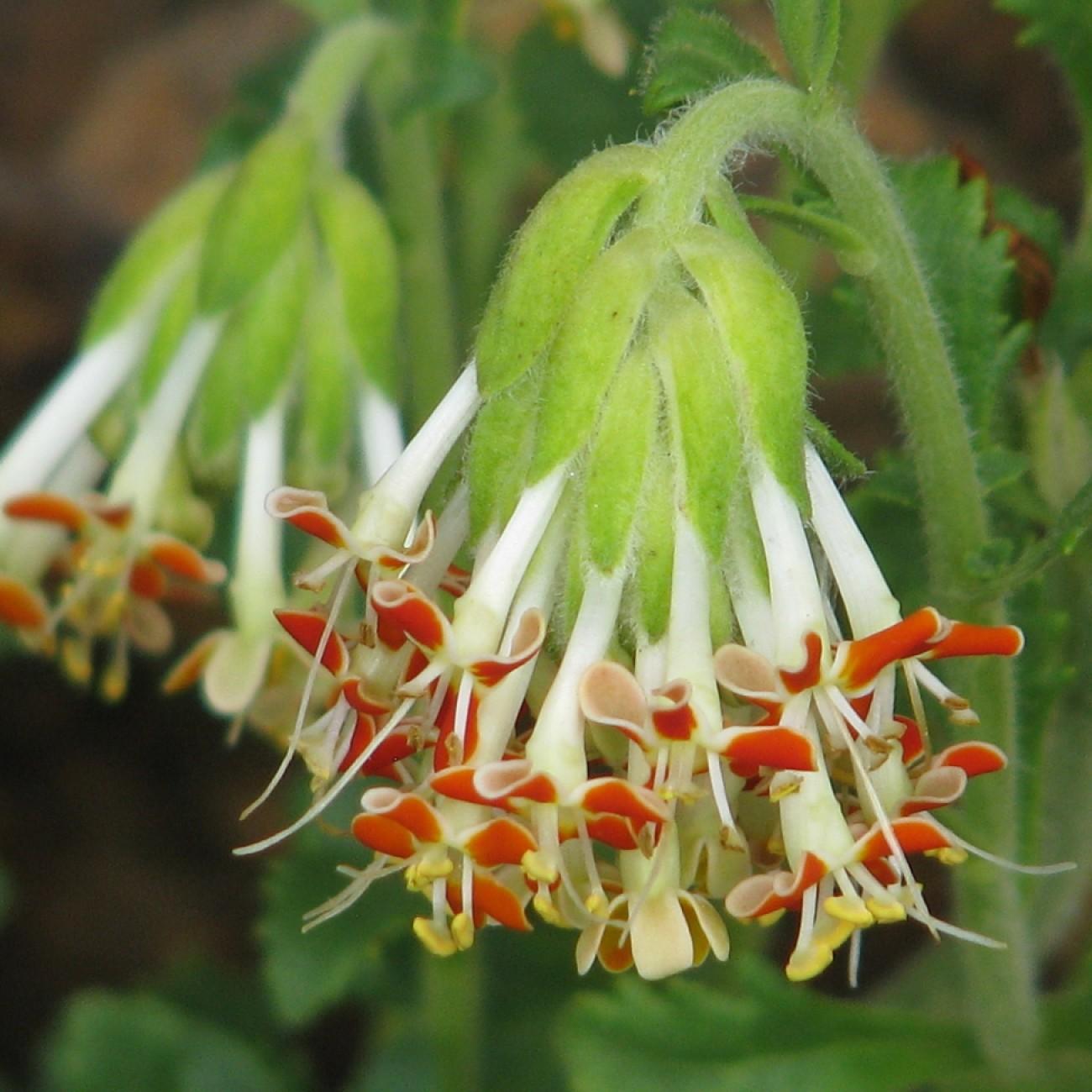
Glumicalyx
Glumicalyx spp.
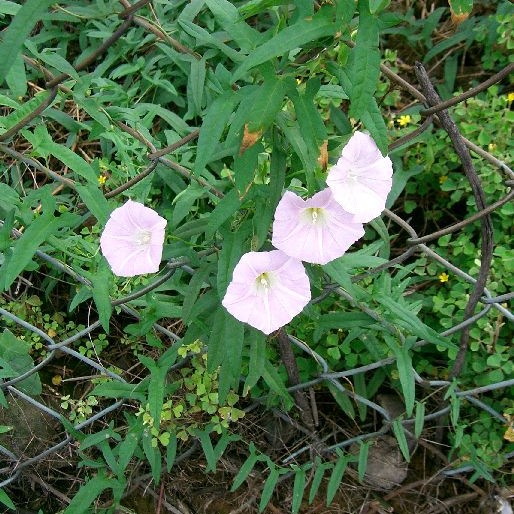
Hairy False Bindweed
Calystegia pubescens
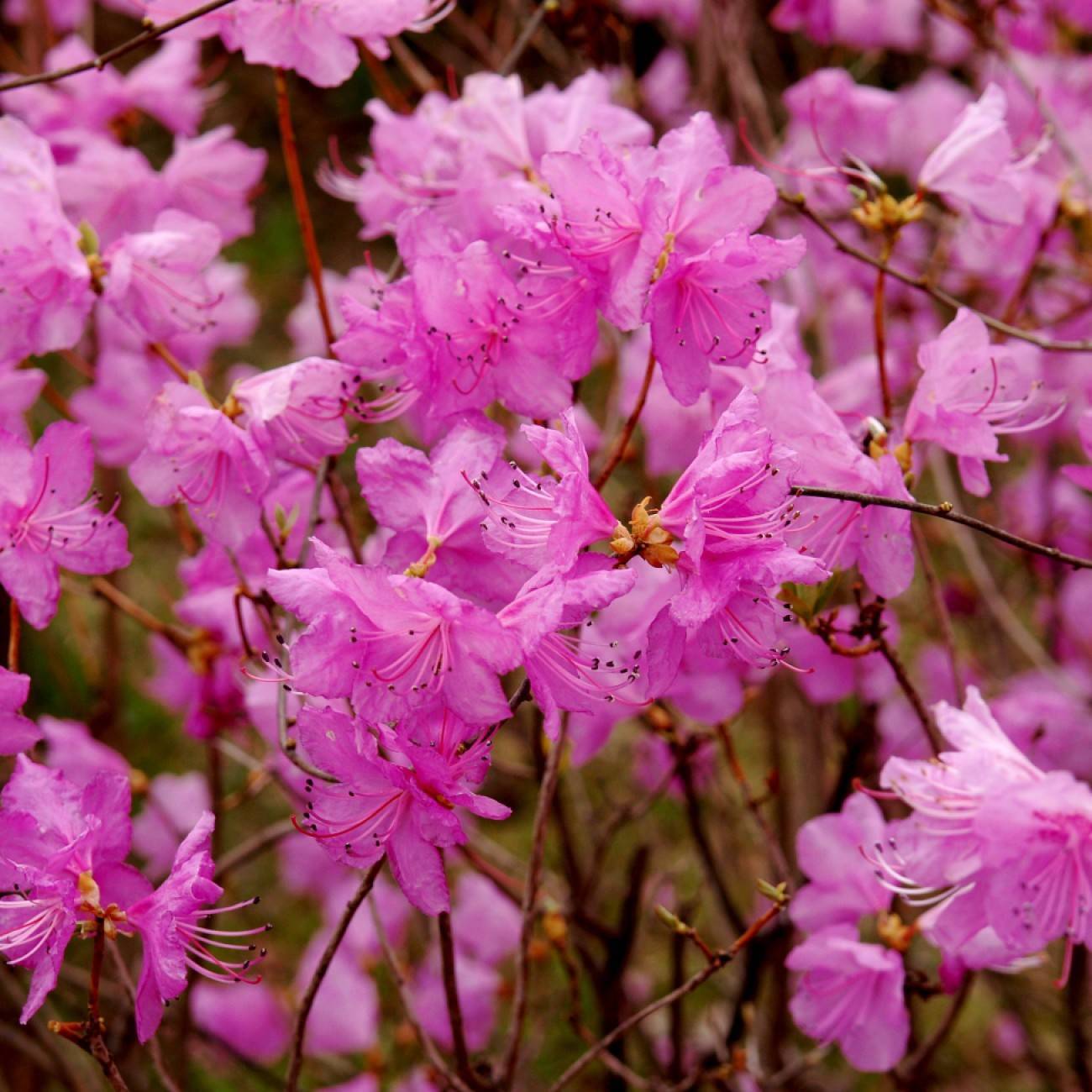
Korean Rhododendron
Rhododendron mucronulatum
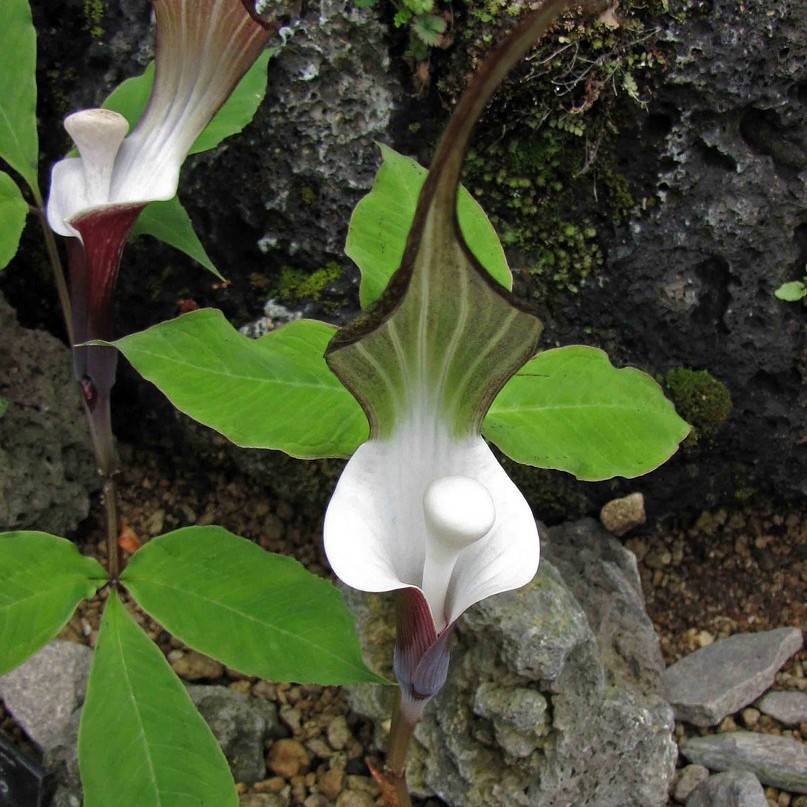
Japanese Jack In The Pulpit
Arisaema sikokianum
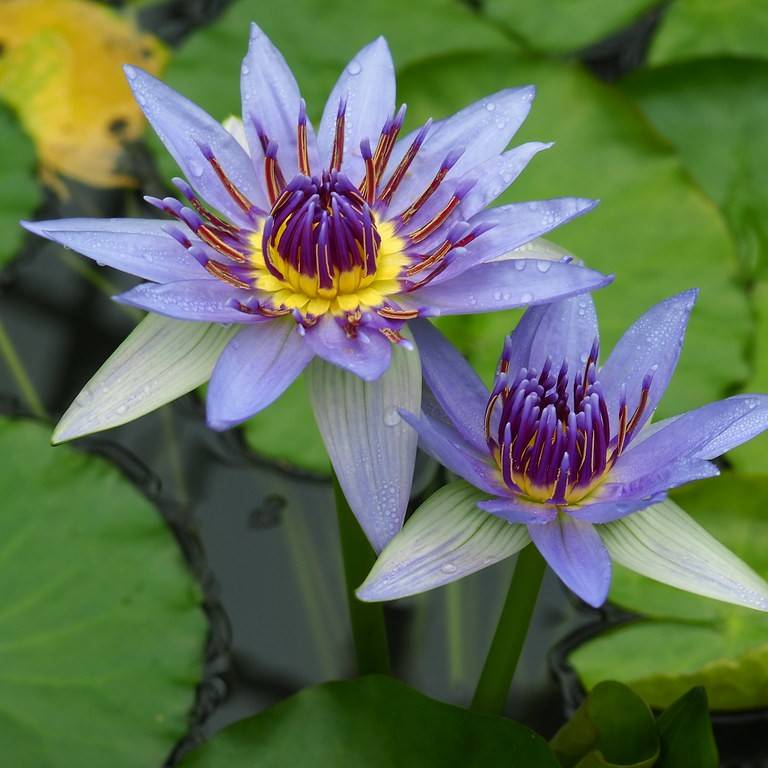
Egyptian Blue Water Lily
Nymphaea caerulea
%22%2F%3E%0A%20%20%20%20%20%20%3Ccircle%20cx%3D%22920%22%20cy%3D%22180%22%20r%3D%2290%22%20fill%3D%22%23cfe8d5%22%2F%3E%0A%20%20%20%20%20%20%3Cpath%20d%3D%22M600%20590c-90-180-215-255-310-280%200%20165%20118%20296%20270%20296h40z%22%20fill%3D%22%2379b88e%22%2F%3E%0A%20%20%20%20%20%20%3Cpath%20d%3D%22M600%20590c80-150%20198-212%20302-228-8%20142-123%20255-270%20255h-32z%22%20fill%3D%22%235c9f73%22%2F%3E%0A%20%20%20%20%20%20%3Cpath%20d%3D%22M600%20610V360%22%20stroke%3D%22%234f8c64%22%20stroke-width%3D%2218%22%20stroke-linecap%3D%22round%22%2F%3E%0A%20%20%20%20%20%20%3Ctext%20x%3D%22600%22%20y%3D%22700%22%20text-anchor%3D%22middle%22%20font-family%3D%22Arial%2C%20sans-serif%22%20font-size%3D%2244%22%20fill%3D%22%23365c45%22%3E%0A%20%20%20%20%20%20%20%20Plant%20image%20coming%20soon%0A%20%20%20%20%20%20%3C%2Ftext%3E%0A%20%20%20%20%3C%2Fsvg%3E%0A%20%20)
Grandiflora Rose
Rosa 'Grandiflora' group
Large Flowered Climbing Rose
Rosa 'Large Flowered Climbing' (hybrid group)
Deciduous Azalea
Rhododendron spp. (subgenus Pentanthera)