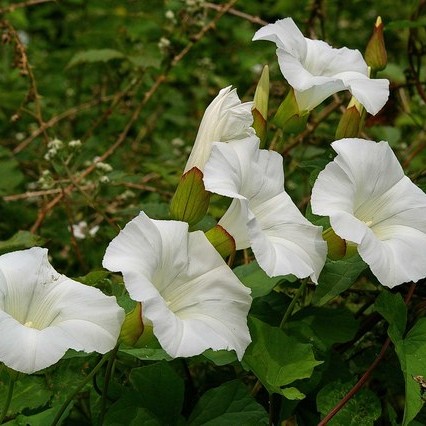
Appalachia False Bindweed
Calystegia spithamaea
Overview
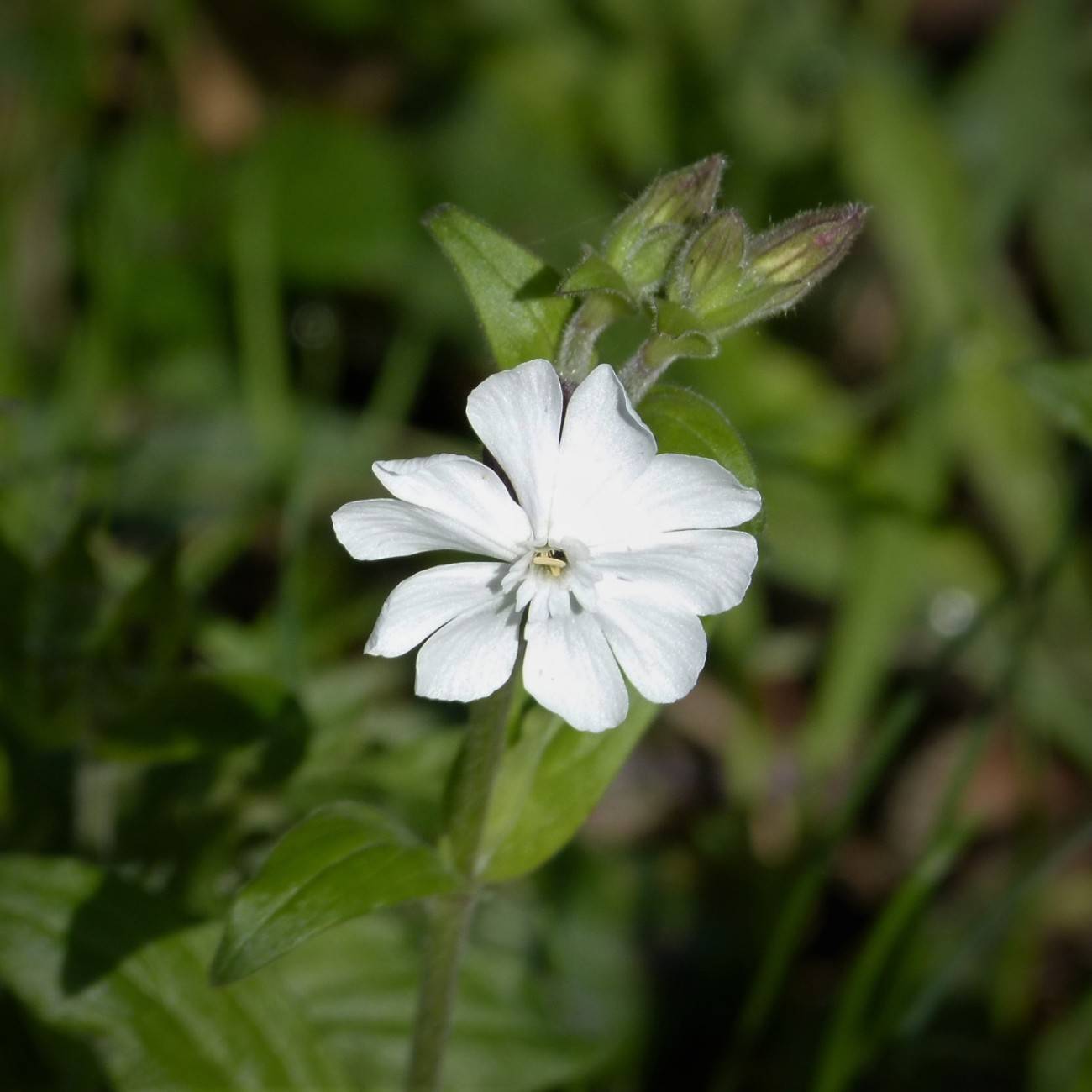
Appalachia false bindweed is a clumping herbaceous perennial that differs from true vining bindweeds by its upright, non-twining growth habit. It thrives in dry, rocky open habitats such as hillsides, glades, and woodland edges across its native Appalachian range. The plant’s large, pure white flowers attract a range of native pollinators including bumblebees and solitary bees.
Care Guide
Watering
This drought-tolerant species prefers well-drained conditions and only requires supplemental watering during extended periods of extreme drought; overwatering is the most common cause of root rot. Allow the top 2 to 3 inches of soil to dry out completely between waterings, and reduce moisture significantly during the plant’s winter dormant period. Avoid watering directly onto the foliage to minimize fungal disease risk.
Light
Appalachia false bindweed performs best in full sun, which encourages the most abundant flowering and compact, sturdy growth. It can tolerate partial shade, though plants grown in shadier conditions may produce fewer blooms and have a looser, more sprawling growth habit. In extremely hot southern portions of its range, light afternoon shade can prevent foliage scorch during peak summer heat.
Soil
This species requires sharply drained, low-fertility soil with a slightly acidic to neutral pH range of 5.5 to 7.0. It naturally grows in rocky, sandy, or gravelly soils, so heavy clay soils should be amended with coarse sand, perlite, or crushed limestone to improve drainage before planting. It tolerates poor, nutrient-deficient soils far better than rich, overly organic substrates.
Fertilizer
Appalachia false bindweed has very low nutrient requirements and rarely needs supplemental fertilization, as excessive nutrients can encourage lanky, weak growth and reduce flowering. If grown in extremely poor soil, a single application of balanced, slow-release 10-10-10 fertilizer applied at half strength in early spring is sufficient. Avoid high-nitrogen fertilizers entirely, as they promote foliage growth at the expense of blooms.
Temperature
It is cold-hardy in USDA zones 4 through 8, tolerating winter temperatures as low as -30°F (-34°C) when dormant. The plant prefers moderate summer temperatures between 60°F and 85°F (15°C to 29°C), and may go dormant early if exposed to prolonged temperatures above 90°F (32°C) without adequate moisture. Winter mulch is not required in its native range, but a light layer of pine straw can protect roots in the coldest edge zones.
Pruning
Pruning is minimal for this low-maintenance species; spent flowers can be deadheaded throughout the blooming season to encourage additional blooms and maintain a neat appearance. In late fall after the foliage dies back completely, cut all stems down to 1 to 2 inches above the soil line to prepare the plant for winter dormancy. Remove any damaged or diseased foliage as soon as it is spotted to prevent the spread of pathogens.
Propagation
The easiest method of propagation is by division of established clumps in early spring just as new growth emerges, carefully separating the rhizomatous root system into sections with at least one growing point each. It can also be grown from seed, which requires cold stratification for 6 to 8 weeks before sowing to break dormancy, with germination typically occurring within 2 to 4 weeks after sowing in warm, bright conditions. Cuttings are rarely successful for this species, as stem cuttings do not root reliably.
Humidity
Appalachia false bindweed is adapted to moderate ambient humidity levels between 40% and 60%, typical of its native Appalachian habitat. It tolerates low humidity well and does not require supplemental misting or humidity adjustments when grown in cultivation. High humidity combined with poor air circulation can increase the risk of fungal leaf spots, so ensure plants have adequate spacing for air flow in humid climates.
Repotting
When grown in containers, repot only once every 3 to 4 years, as the plant prefers to be slightly root-bound and blooms more prolifically when root space is limited. Repot in early spring before new growth begins, using a well-drained cactus or succulent potting mix amended with coarse sand to improve drainage. Select a pot only 1 to 2 inches larger in diameter than the previous container to avoid excess soil that retains unwanted moisture.
Uses & Symbolism
It is a popular native plant for pollinator gardens, rock gardens, and dry slope plantings, where its low growth habit and showy white flowers provide seasonal interest without the invasive tendencies of true vining bindweeds. It is also used in habitat restoration projects for degraded rocky sites in its native range, as it tolerates poor soil and helps stabilize eroding slopes. Some Indigenous communities in the Appalachian region historically used small portions of the root for medicinal purposes, though consumption is not recommended without expert guidance due to close relation to toxic species in the Convolvulaceae family.
Diseases & Pests
The most common disease issues are fungal leaf spots and root rot, both caused by overwatering, poorly drained soil, or excessive humidity combined with poor air circulation. Common pests include aphids and spider mites, which can infest new growth during hot, dry conditions, and can be controlled with insecticidal soap or neem oil applications. Slugs and snails may occasionally feed on young foliage in moist, shaded locations, and can be deterred with copper barriers or diatomaceous earth applied around the base of plants.
Related plants
Other plants you might like if you grow Appalachia False Bindweed.