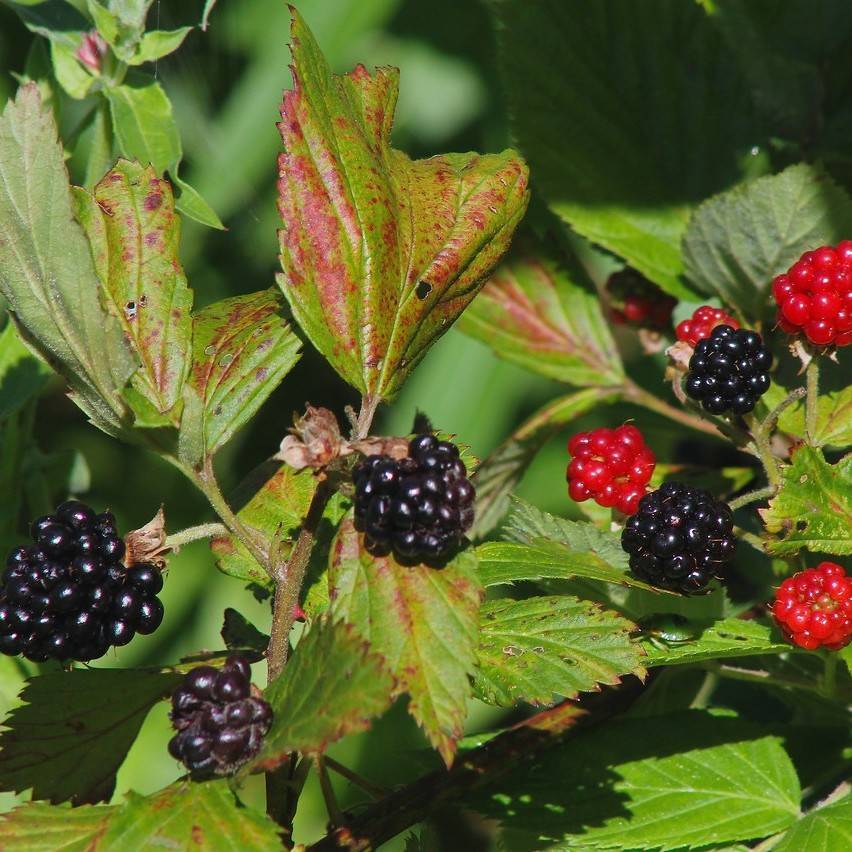
Common Blackberry
Rubus fruticosus
Overview
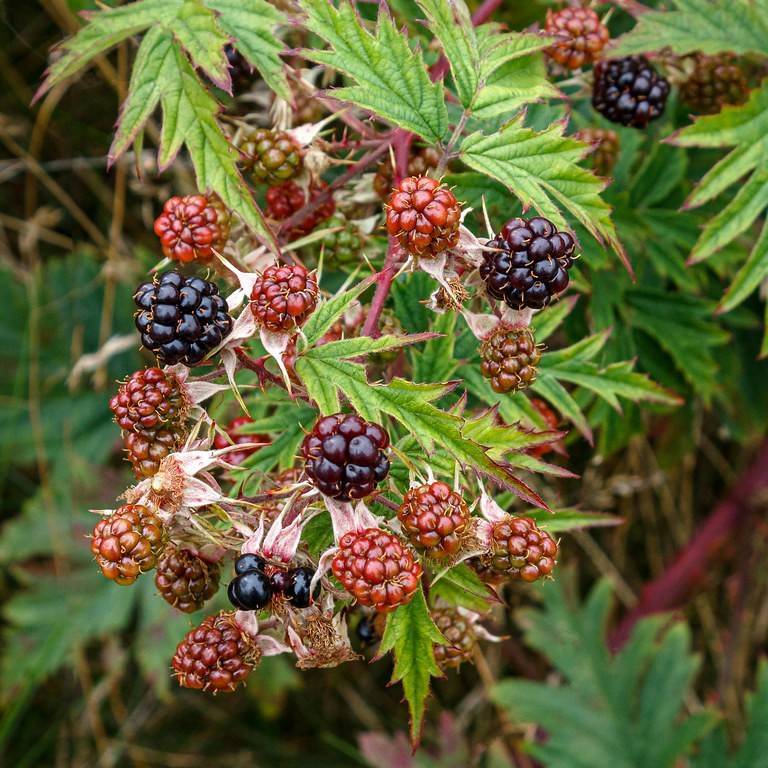
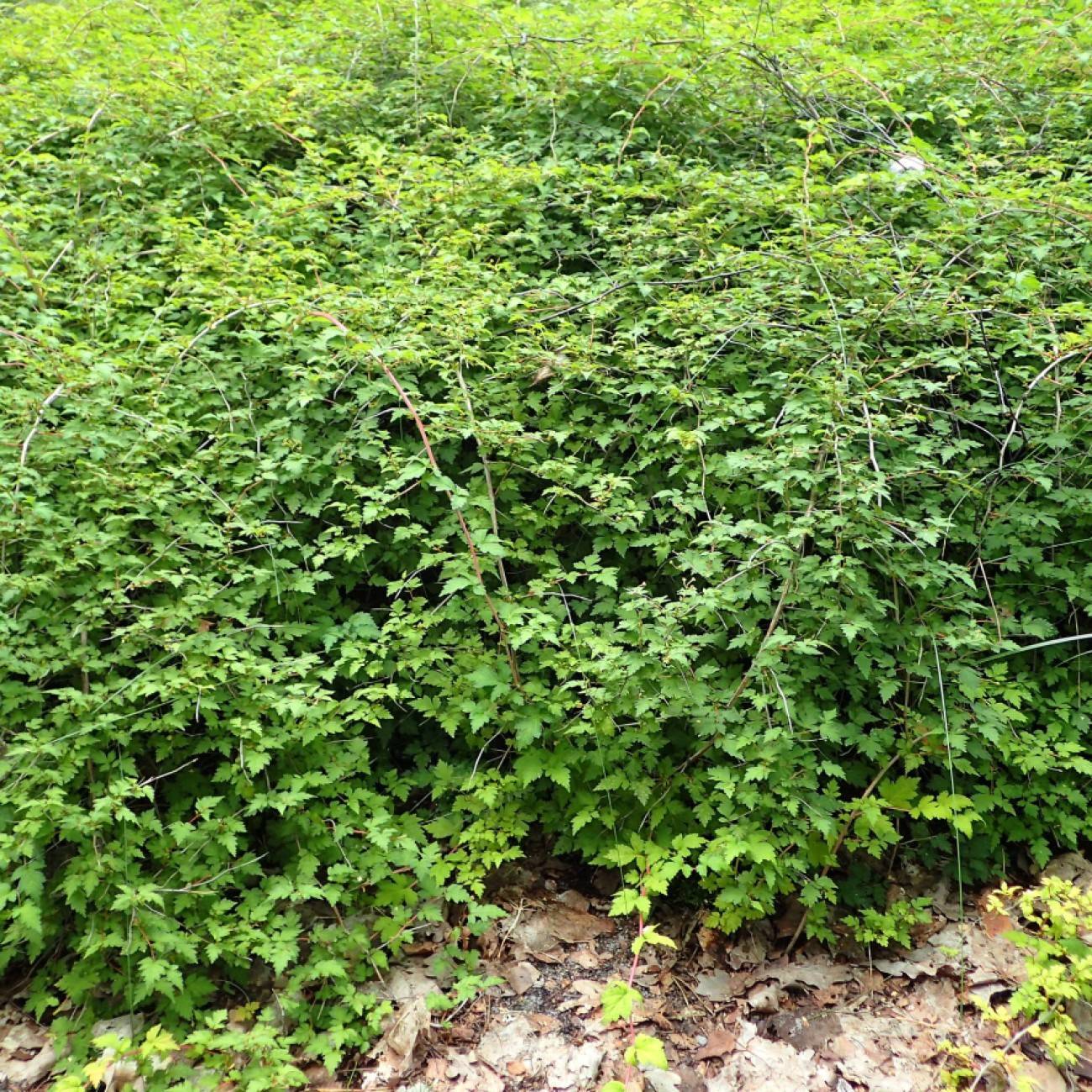
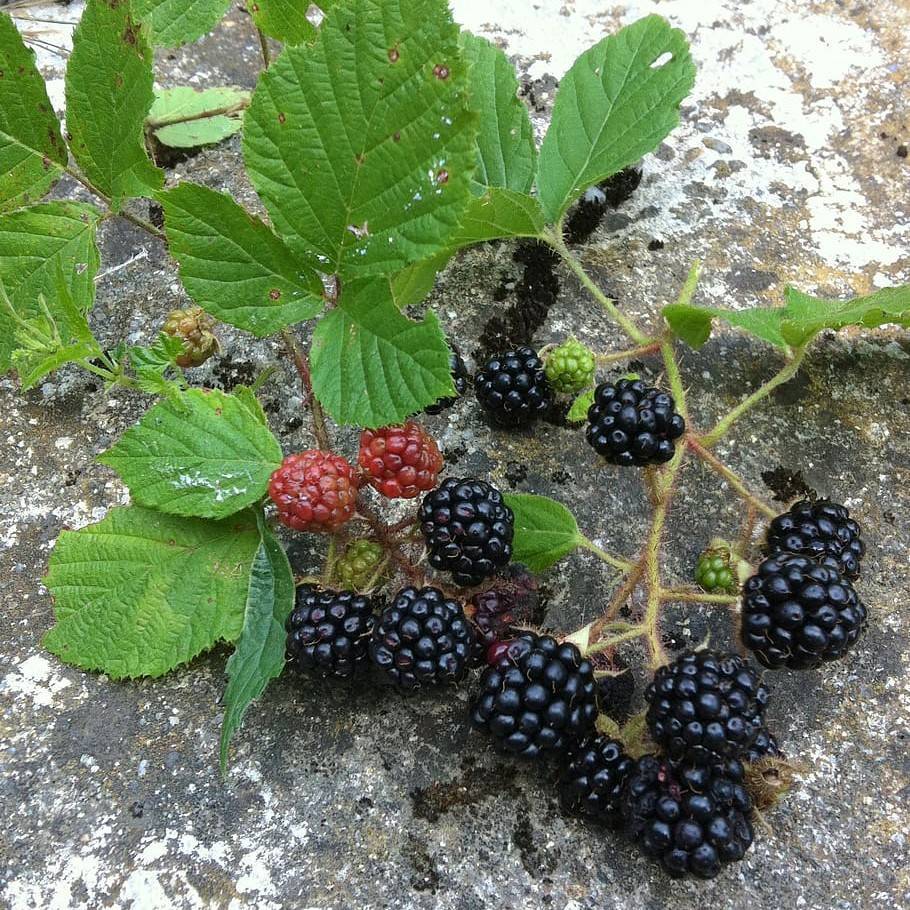
Common blackberry is a widespread member of the rose family, known for its arching, prickly canes and clusters of aggregate fruits that ripen to deep black in late summer. Wild populations grow readily in disturbed areas, forest edges, and meadows, while cultivated varieties are bred for larger fruit and reduced thorniness for home and commercial production. The plant spreads via underground rhizomes and tip rooting, forming dense thickets that provide food and shelter for wildlife.
Care Guide
Watering
Common blackberries require regular, deep watering, especially during fruit development, to keep the soil consistently moist but not waterlogged. Reduce watering frequency in late fall and winter when the plant is dormant, allowing the top 2 inches of soil to dry out between sessions. Overwatering can lead to root rot, while drought stress will cause small, seedy berries and reduced yields.
Light
This shrub grows best in full sun, receiving at least 6 to 8 hours of direct sunlight daily for optimal fruit production and disease resistance. It can tolerate partial shade, but shaded plants will produce fewer, less sweet berries and are more prone to fungal infections. Plant in a location with unobstructed southern exposure in temperate regions for best results.
Soil
Common blackberries thrive in well-drained, loamy soil with a pH between 5.5 and 6.5. Heavy clay soils that retain excess moisture should be amended with compost or sand to improve drainage, as standing water will kill the plant's shallow root system. Avoid planting in areas where other brambles, tomatoes, or potatoes have grown in the past 3 years to reduce the risk of soilborne diseases.
Fertilizer
Apply a balanced 10-10-10 fertilizer in early spring before new growth emerges, at a rate of 1 pound per 10 feet of row to support cane development. Side-dress with a nitrogen-rich fertilizer, such as composted manure, in early summer to boost fruit production, but avoid fertilizing after mid-summer to prevent tender new growth that can be damaged by frost. Do not overfertilize, as excess nitrogen will encourage lush foliage at the expense of fruit.
Temperature
Common blackberries are cold hardy in USDA zones 4 through 8, tolerating winter temperatures as low as -20°F (-29°C) when dormant. Young canes may suffer dieback in extreme cold, so mulch heavily around the base in late fall in colder regions to insulate roots. Summer temperatures above 90°F (32°C) can scorch foliage and ripen fruit too quickly, so provide afternoon shade in hot climates if possible.
Pruning
Prune common blackberries in late winter by removing all dead, damaged, or diseased canes, as well as any weak or crossing growth to improve air circulation. After fruiting in late summer, cut down all floricanes (canes that produced fruit that year) to the ground, as they will not fruit again, leaving 4 to 6 healthy new primocanes per plant to produce fruit the following year. Trim the tips of remaining primocanes in early spring to encourage lateral branching and higher fruit yields.
Propagation
Common blackberries are most easily propagated via tip layering, where the tip of a young primocane is bent to the ground, covered with 2 to 3 inches of soil, and left to root over the growing season before being severed from the parent plant the following spring. They can also be propagated from root cuttings taken in late winter, planting 3 to 4 inch root sections 2 inches deep in well-drained potting mix until new growth emerges. Seed propagation is possible but not recommended for cultivated varieties, as seedlings will not retain the parent plant's fruit characteristics.
Humidity
Common blackberries prefer moderate humidity levels between 40% and 60% for healthy growth and fruit development. High humidity combined with poor air circulation increases the risk of fungal diseases such as anthracnose and powdery mildew, so space plants adequately and prune regularly to promote airflow. Low humidity during the fruiting season can cause berries to dry out and shrivel before ripening, so water regularly during dry spells.
Repotting
Container-grown common blackberries should be repotted every 2 to 3 years in late winter while dormant, moving to a pot 2 to 3 inches larger than the current one with fresh, well-drained potting mix amended with compost. Gently loosen the root ball before repotting to encourage new root growth, and trim any circling or damaged roots to prevent root binding. Ensure the pot has adequate drainage holes to prevent waterlogging, and add a layer of gravel at the bottom for extra drainage if needed.
Uses & Symbolism
Common blackberries are primarily grown for their edible fruits, which are eaten fresh, used in jams, jellies, pies, and baked goods, or frozen for long-term storage. The plant's dense, thorny thickets are often planted as a natural privacy hedge or wildlife habitat, providing food for birds, small mammals, and pollinators. Historically, the leaves and roots have been used in traditional herbal medicine for their astringent properties to treat sore throats and digestive issues.
Diseases & Pests
Common blackberries are susceptible to fungal diseases including anthracnose, powdery mildew, and botrytis fruit rot, which thrive in wet, humid conditions with poor air circulation. Common pests include aphids, spider mites, raspberry crown borers, and Japanese beetles, which can damage foliage, weaken canes, and reduce fruit yields. Root rot is a major issue in poorly drained soils, and viral diseases such as raspberry bushy dwarf virus can cause stunted growth and reduced fruit production, requiring removal of infected plants to prevent spread.
Related plants
Other plants you might like if you grow Common Blackberry.