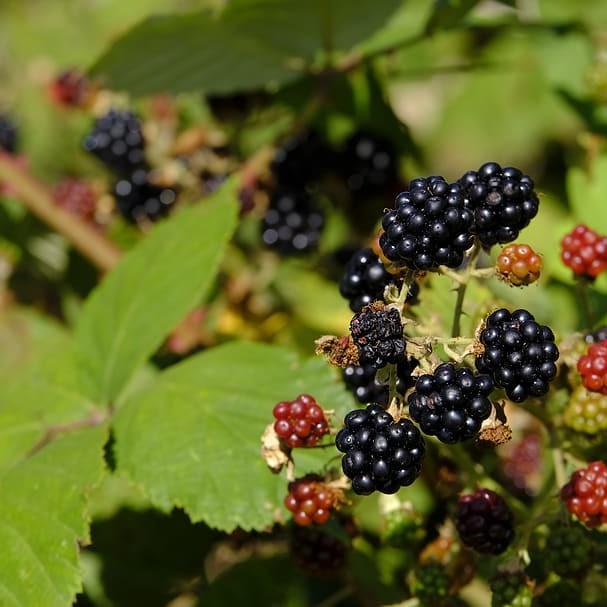
Boysenberry
Rubus ursinus × idaeus 'Boysen'
Overview
Boysenberry is a trailing bramble hybrid created in the 1920s by horticulturist Rudolph Boysen, later popularized by farmer Walter Knott of Knott's Berry Farm. It produces soft, juicy, deep purple berries with a unique tart-sweet flavor, ripening in early to mid-summer. The plant produces biennial canes, where first-year primocanes grow vegetatively, and second-year floricanes bear fruit before dying back.
Care Guide
Watering
Boysenberries require consistent, deep watering, especially during fruit development, to prevent cracking and ensure plump berries. Provide 1 to 2 inches of water weekly, avoiding overhead watering to reduce fungal disease risk on foliage and canes. Reduce watering frequency in late fall and winter when the plant is dormant.
Light
Boysenberries thrive in full sun, requiring a minimum of 6 to 8 hours of direct sunlight daily for optimal fruit production and vigorous cane growth. They can tolerate partial shade, but shaded plants will produce fewer, less sweet berries and are more prone to fungal issues. Plant in an open, unobstructed location with southern exposure for best results.
Soil
Plant boysenberries in well-draining, loamy soil with a pH between 5.5 and 6.8, as heavy, waterlogged soil will cause root rot and kill the plant. Amend heavy clay or sandy soils with well-rotted compost or aged manure before planting to improve structure, nutrient content, and drainage. Avoid planting in locations where other brambles, tomatoes, or potatoes have grown in the past 3 years to reduce disease transfer risk.
Fertilizer
Fertilize established boysenberry plants in early spring before new growth emerges using a balanced 10-10-10 NPK fertilizer, applied at a rate of 1 pound per 10 feet of row to support vegetative growth and fruit development. Add a light topdressing of compost or well-rotted manure in mid-summer after fruit harvest to replenish soil nutrients for the following year’s growth. Avoid over-fertilizing with nitrogen, as this will promote excessive leaf growth at the expense of fruit production and increase disease susceptibility.
Temperature
Boysenberries grow best in temperate climates with average summer temperatures between 60°F and 85°F (15°C to 29°C), and require 200 to 300 chill hours below 45°F (7°C) in winter to break dormancy and produce fruit. They are cold hardy down to 0°F (-18°C), but young canes or late spring new growth may be damaged by unexpected frost, so cover plants if a late freeze is forecast. In regions with extreme summer heat, provide light afternoon shade to prevent sunscald on berries and reduce moisture stress.
Pruning
Prune boysenberries annually to remove spent floricanes (second-year canes that bore fruit) immediately after harvest, as these canes will die back and will not produce fruit again. Thin first-year primocanes in late winter to leave 4 to 6 of the strongest, healthiest canes per plant, cutting away weak, damaged, or overcrowded growth to improve air circulation. Trim the tips of remaining primocanes to 4 to 5 feet in height to encourage lateral branching, which increases fruit production the following year.
Propagation
Boysenberries are most easily propagated via tip layering, where the tip of a flexible primocane is buried 2 to 3 inches deep in soil in late summer, left to root over the growing season, and severed from the parent plant the following spring for transplanting. They can also be propagated from root cuttings taken in late winter, using 3 to 4 inch sections of healthy, pencil-thick root planted horizontally in potting mix until new shoots emerge. As a patented hybrid, propagation for commercial sale is restricted without permission from the patent holder, though home gardeners may propagate plants for personal use.
Humidity
Boysenberries prefer moderate humidity levels between 50% and 70%, and require good air circulation around canes and foliage to prevent fungal diseases like powdery mildew and botrytis fruit rot in high-humidity conditions. Avoid planting in low-lying, enclosed areas where moist air is trapped, and space plants 3 to 4 feet apart to allow for airflow between rows. In very dry climates, regular deep watering will help maintain adequate ambient humidity around the root zone without over-saturating foliage.
Repotting
Boysenberries grown in containers should be repotted every 2 to 3 years in late winter while dormant, moving to a pot 2 to 3 inches larger in diameter than the current container to accommodate spreading root systems. Use a well-draining potting mix amended with compost and perlite to ensure adequate drainage, and trim away any circling or rotted roots before replanting to encourage healthy new root growth. Ensure containers have multiple drainage holes to prevent waterlogging, and add a layer of gravel at the bottom of the pot to improve drainage further.
Uses & Symbolism
Boysenberries are primarily grown for their edible fruit, which is eaten fresh, used in jams, jellies, pies, cobblers, syrups, and infused into beverages like wine, cider, and smoothies. The plant is also used in edible landscaping, trained onto trellises, fences, or arbors to create productive, ornamental privacy screens in home gardens. Historically, the leaves have been used in traditional herbal teas for their mild astringent properties.
Diseases & Pests
Boysenberries are susceptible to common bramble fungal diseases including anthracnose, botrytis fruit rot, powdery mildew, and verticillium wilt, which are most prevalent in high-humidity conditions with poor air circulation. Common pests include raspberry crown borers, spider mites, aphids, and spotted wing drosophila, which lay eggs in ripening fruit, causing it to rot prematurely. Regular pruning, proper spacing, avoiding overhead watering, and applying organic fungicides or insecticidal soaps at the first sign of infestation can reduce most pest and disease issues.
Related plants
Other plants you might like if you grow Boysenberry.
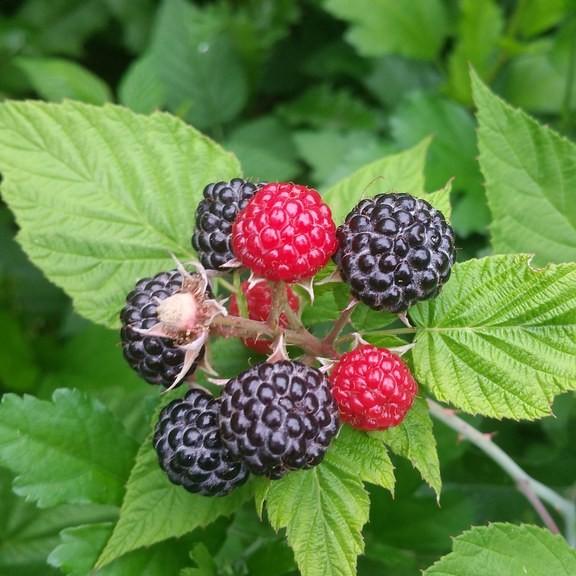
Black Raspberry
Rubus occidentalis
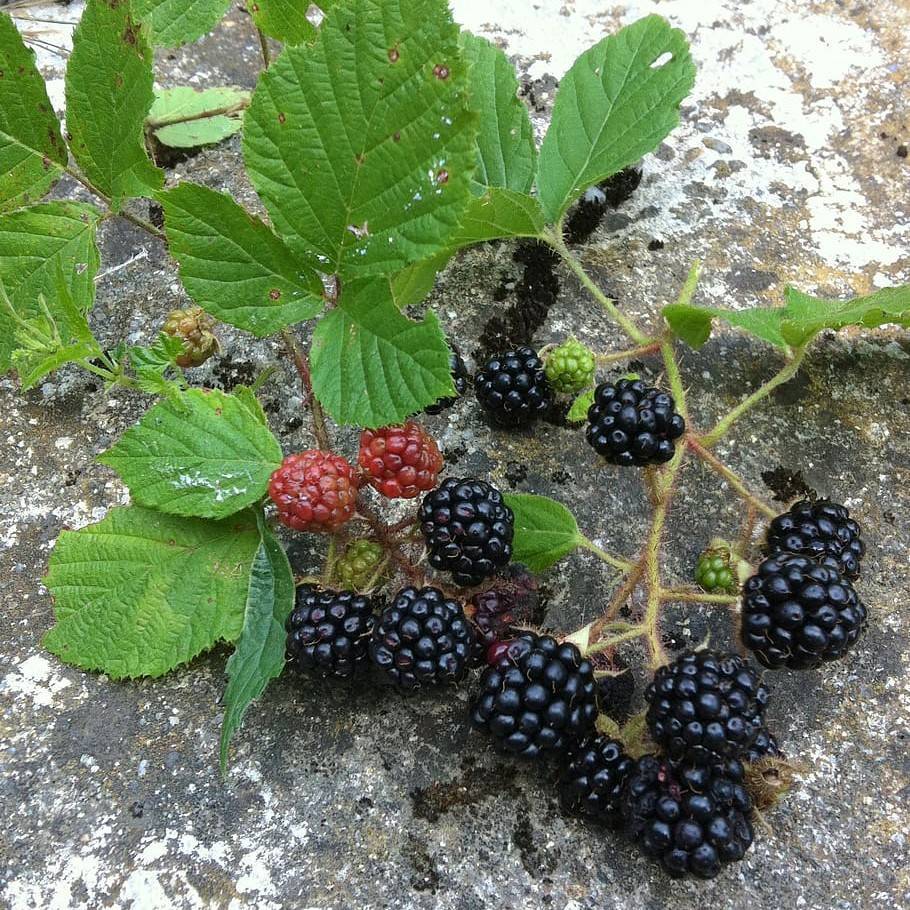
Blackberry
Rubus fruticosus agg.
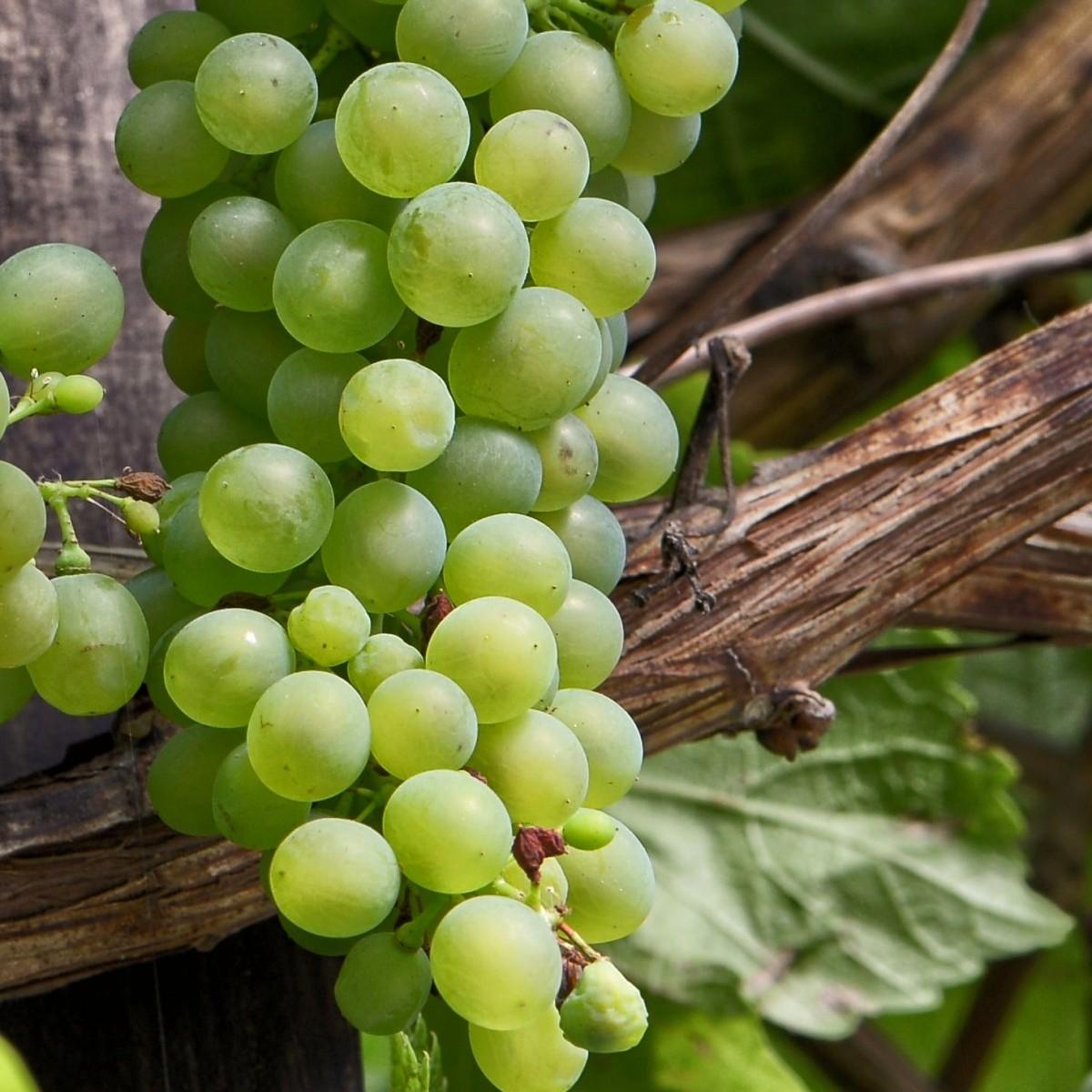
Grape
Vitis vinifera
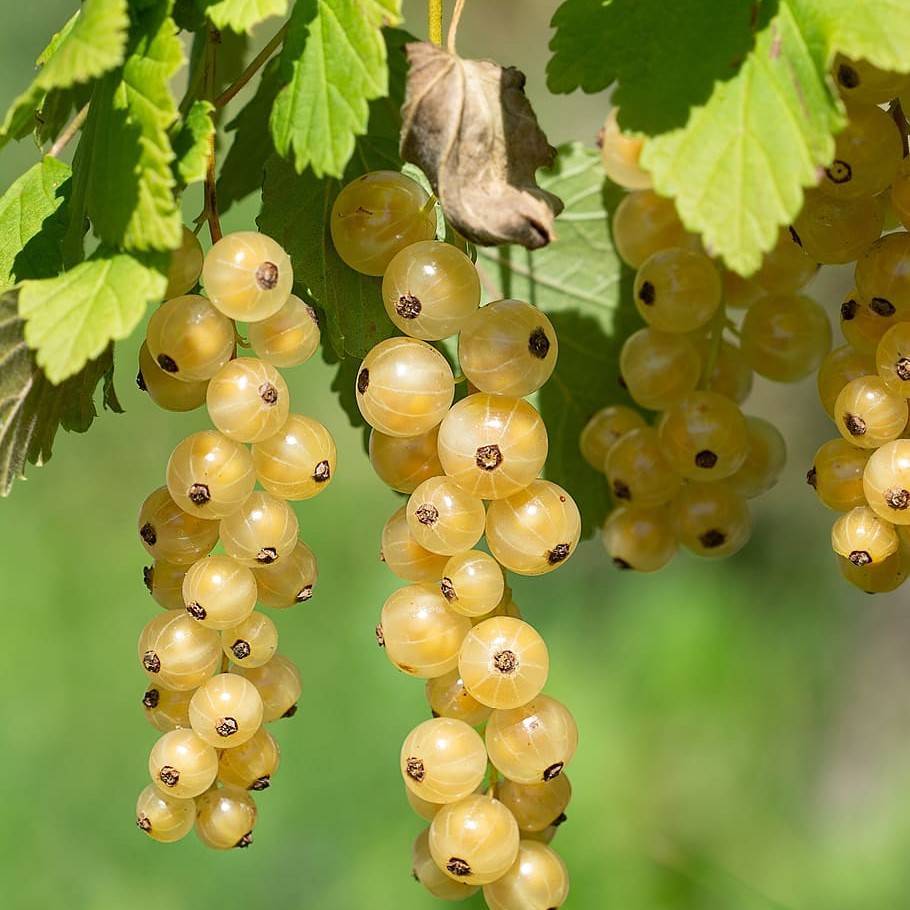
Currant
Ribes rubrum (red currant), Ribes nigrum (black currant), Ribes uva-crispa (white currant)
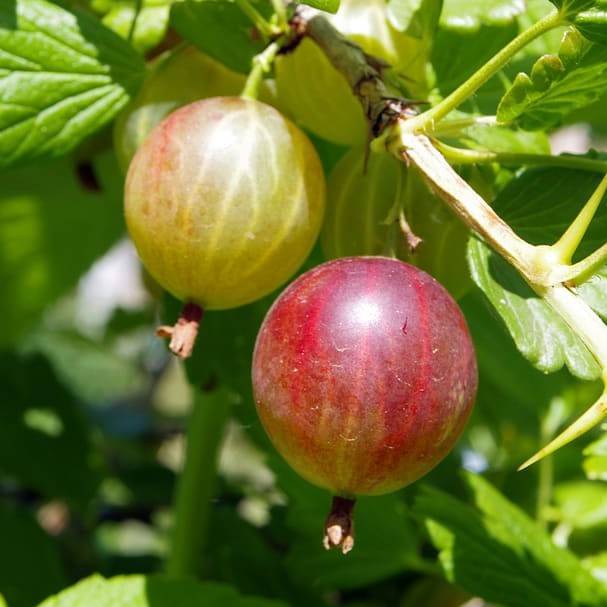
Gooseberry
Ribes uva-crispa
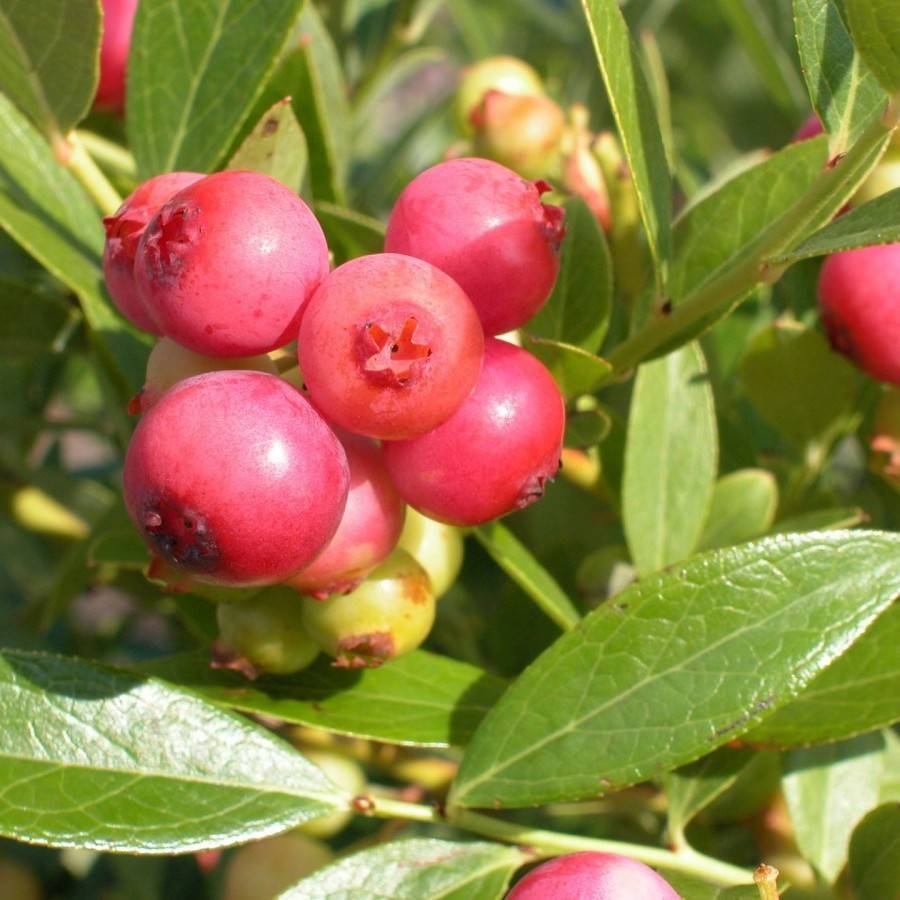
Blueberry
Vaccinium corymbosum
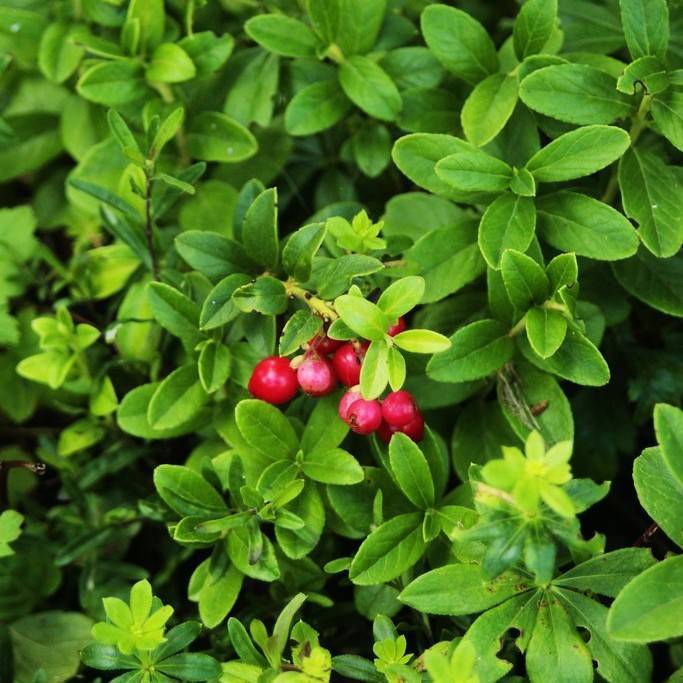
American Cranberry
Vaccinium macrocarpon
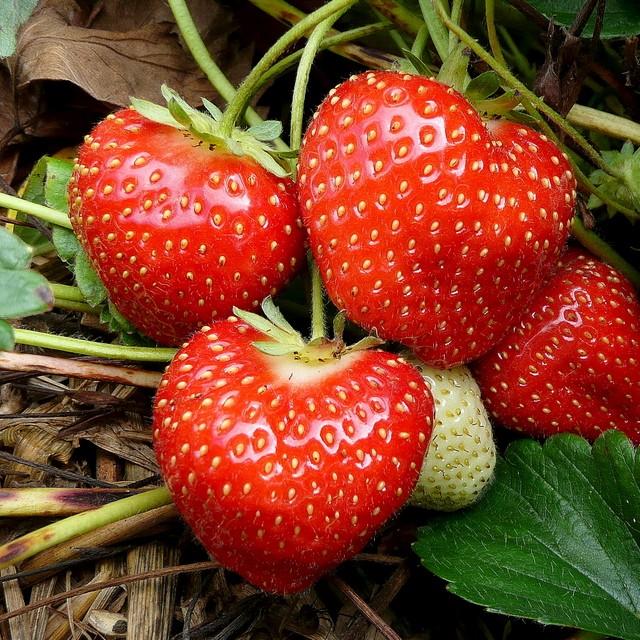
Junebearing Strawberry
Fragaria × ananassa (June-bearing cultivars)