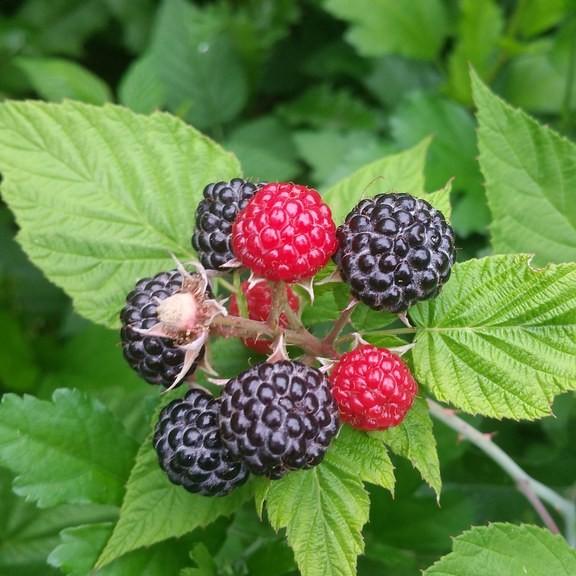
Black Raspberry
Rubus occidentalis
Overview
Black raspberry is a deciduous bramble shrub recognizable by its arching, thorny canes coated in a pale waxy bloom, and compound leaves with 3-5 serrated, fuzzy undersides. Unlike red raspberries, its fruit detaches from the plant with the receptacle intact, giving berries a firm, hollow core when picked. It grows wild in woodland edges and disturbed areas, and is widely cultivated for its uniquely tart-sweet, antioxidant-rich fruit.
Care Guide
Watering
Provide 1-2 inches of water per week during the growing season, increasing frequency during fruit ripening to prevent small, dry berries. Avoid overhead watering to reduce fungal disease risk; use drip irrigation or water at the base of canes. Reduce watering in late fall to harden off canes before winter dormancy.
Light
Grow in full sun, defined as 6+ hours of direct daily sunlight, for maximum fruit production and disease resistance. It can tolerate partial shade, though yields will be lower and canes may become leggy and more prone to pest infestations. In extremely hot climates, provide light afternoon shade to prevent sunscald on ripening berries.
Soil
Plant in well-drained, loamy soil with a pH between 5.5 and 6.5, as overly alkaline soils can cause nutrient deficiencies like iron chlorosis. Avoid heavy, waterlogged clay soils, which can cause root rot and kill canes within a single growing season. Amend heavy soil with compost or well-rotted manure before planting to improve drainage and boost organic content.
Fertilizer
Apply a balanced 10-10-10 fertilizer in early spring before new growth emerges, at a rate of 1 pound per 10 feet of row, to support cane growth and fruit development. Side-dress with compost or aged manure in mid-summer after fruiting to replenish soil nutrients for the next year’s growth. Avoid fertilizing after late summer, as this can stimulate tender new growth that will be damaged by winter frost.
Temperature
Thrives in USDA hardiness zones 4 through 9, withstanding winter temperatures as low as -30°F (-34°C) when canes are fully dormant. Spring frosts below 28°F (-2°C) can damage emerging flower buds and reduce fruit yields for the season, so site plants in low-frost areas or use frost cloth during cold spring snaps. Summer temperatures above 90°F (32°C) may cause fruit drop if plants are not adequately watered.
Pruning
Prune out all fruited canes at ground level immediately after harvest, as black raspberries only produce fruit on second-year canes that die after bearing. In late winter, thin remaining first-year canes to 4-6 of the strongest per plant, and trim lateral side branches to 8-12 inches to encourage larger fruit yields. Remove any weak, diseased, or crossing canes during winter pruning to improve air circulation and reduce disease risk.
Propagation
Most commonly propagated by tip layering: bend the tip of a first-year cane to the ground in late summer, bury 2-3 inches of the tip under soil, and leave it attached to the parent plant over winter. The buried tip will develop roots by the following spring, at which point it can be severed from the parent and transplanted to a new location. It can also be grown from seed, though seedlings may not retain the exact characteristics of the parent cultivar, and germination rates are often low.
Humidity
Prefers moderate humidity levels between 50% and 70%, with good air circulation around canes to prevent fungal diseases like anthracnose and powdery mildew. High humidity above 80% combined with warm temperatures creates ideal conditions for spore spread, so avoid overcrowding plants and prune regularly to improve airflow. Low humidity below 40% during fruit ripening can cause berries to shrivel prematurely, so provide extra mulch to retain soil moisture during dry periods.
Repotting
Container-grown black raspberries should be repotted every 2-3 years in early spring before new growth emerges, moving to a pot 2-3 inches larger than the current container to accommodate expanding root systems. Use a well-draining potting mix blended with compost and perlite, and ensure the pot has multiple drainage holes to prevent waterlogging. When repotting, trim away any circling or rotted roots to encourage healthy new root growth, and water thoroughly after transplanting to settle the soil.
Uses & Symbolism
Black raspberry berries are eaten fresh, frozen, or cooked into jams, jellies, pies, and syrups, and are a popular ingredient in smoothies and baked goods for their bold, tart-sweet flavor. The plant’s leaves and roots have been used in traditional Indigenous medicine to make teas for treating digestive issues, sore throats, and mild inflammation. It is also planted in wildlife gardens to provide food for birds, pollinators, and small mammals, and its dense thorny canes offer shelter for nesting birds.
Diseases & Pests
Common fungal diseases include anthracnose, which causes sunken purple spots on canes and leaves, and verticillium wilt, a soil-borne fungus that causes yellowing leaves and cane dieback, which can be prevented by avoiding planting in soil previously used for solanaceous crops like tomatoes or potatoes. Pests include raspberry fruitworms, which bore into developing berries, and spotted wing drosophila, which lays eggs in ripening fruit; these can be managed with regular pruning, organic insecticidal sprays, or floating row covers during fruiting season. Powdery mildew may appear as a white fuzzy coating on leaves in high-humidity conditions, which can be mitigated by improving air circulation and avoiding overhead watering.
Related plants
Other plants you might like if you grow Black Raspberry.
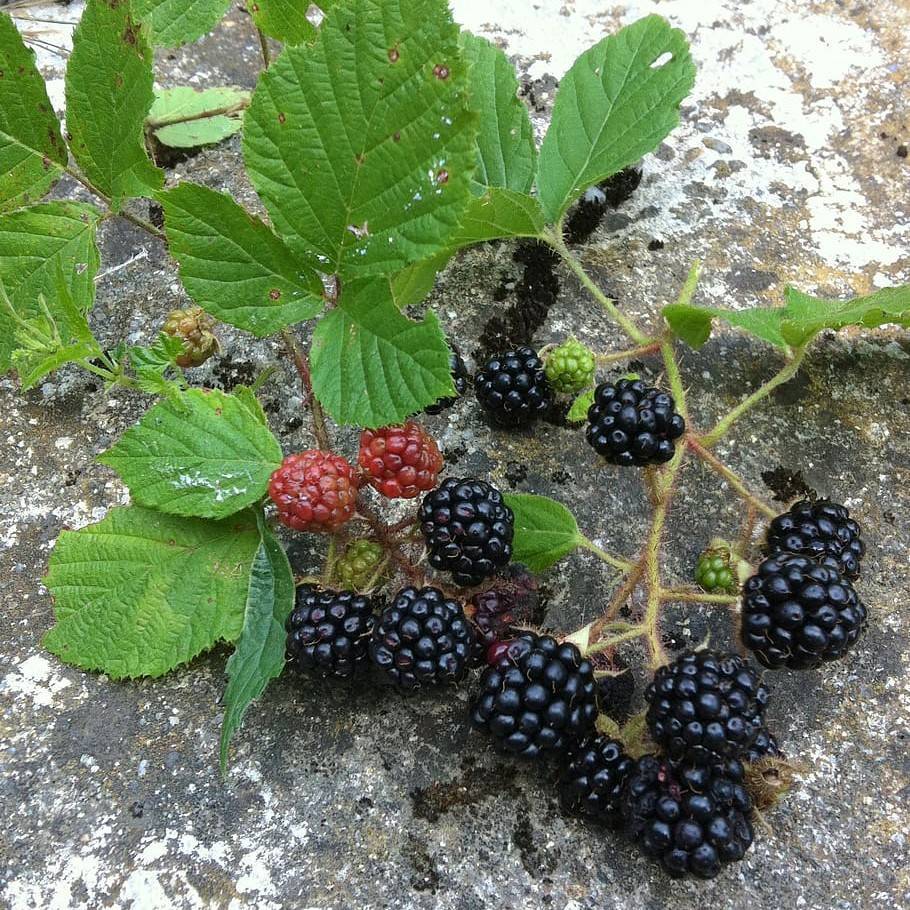
Blackberry
Rubus fruticosus agg.
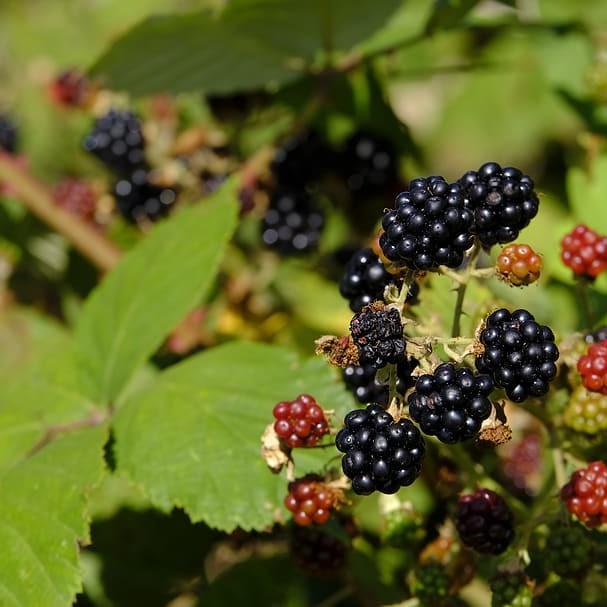
Boysenberry
Rubus ursinus × idaeus 'Boysen'
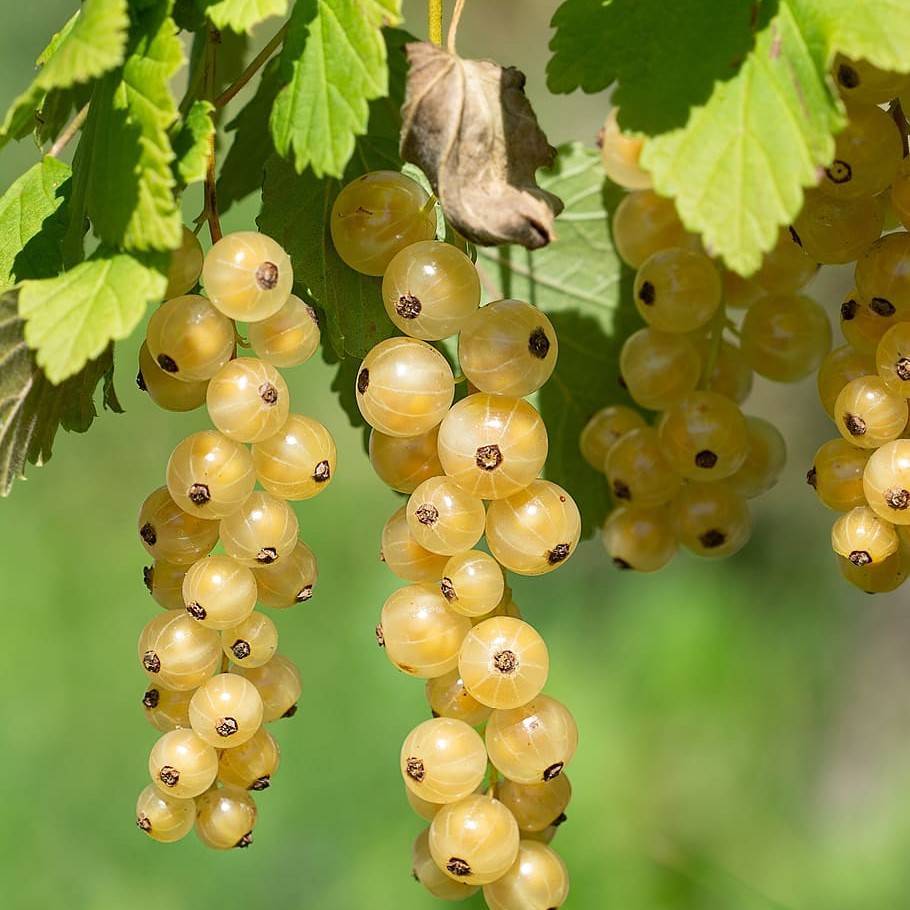
Currant
Ribes rubrum (red currant), Ribes nigrum (black currant), Ribes uva-crispa (white currant)
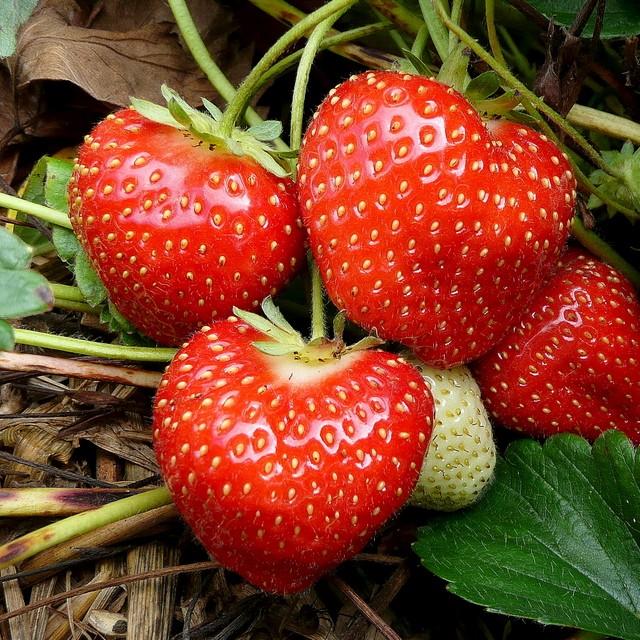
Junebearing Strawberry
Fragaria × ananassa (June-bearing cultivars)
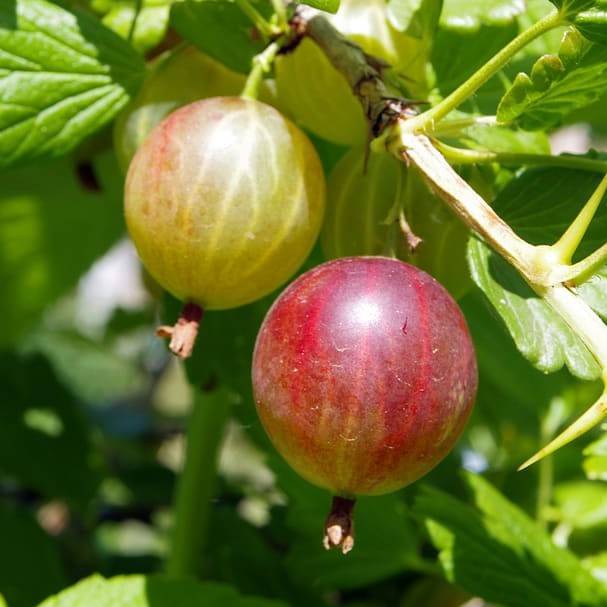
Gooseberry
Ribes uva-crispa
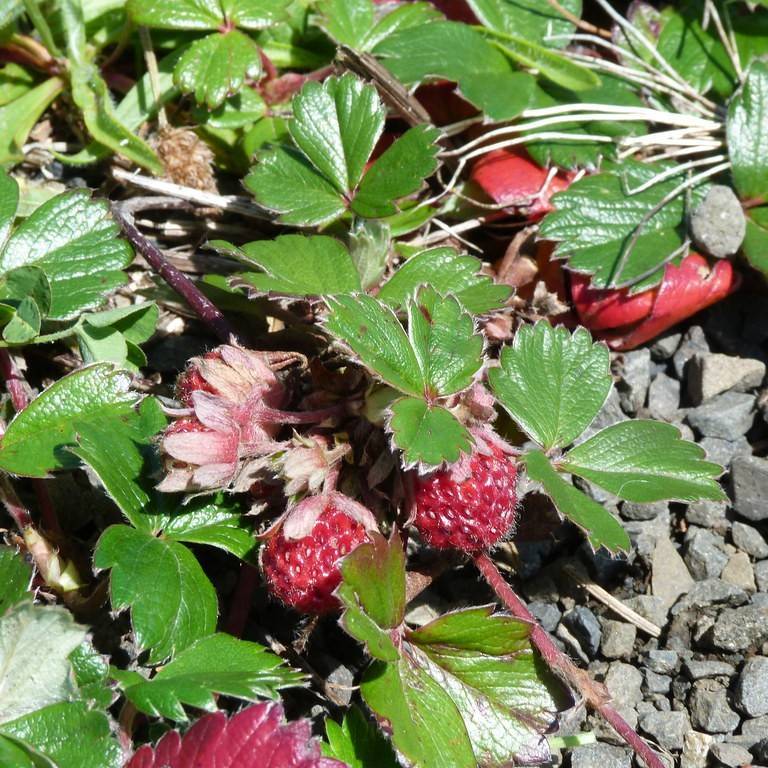
Coastal Strawberry
Fragaria chiloensis
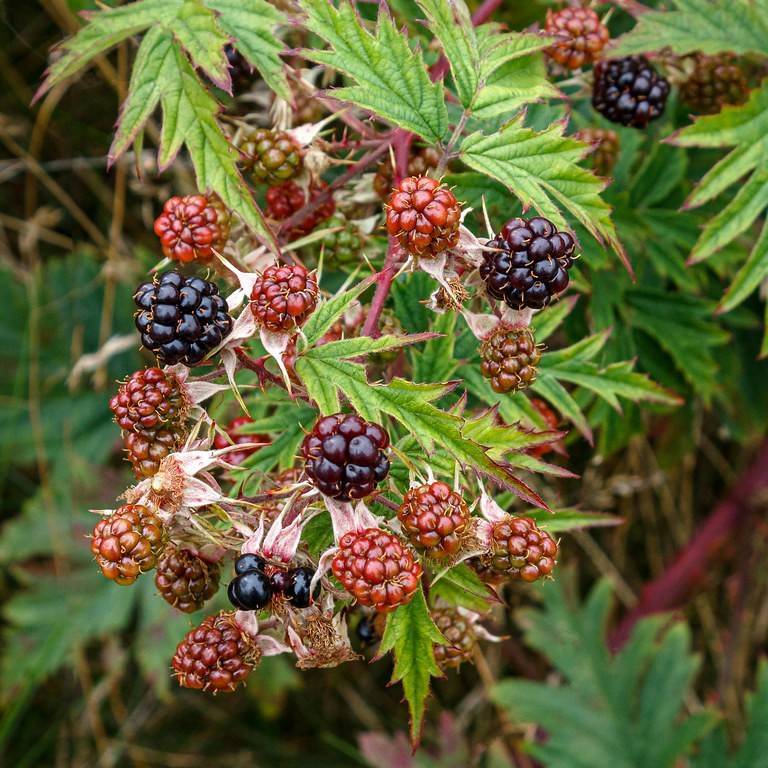
Evergreen Blackberry
Rubus laciniatus
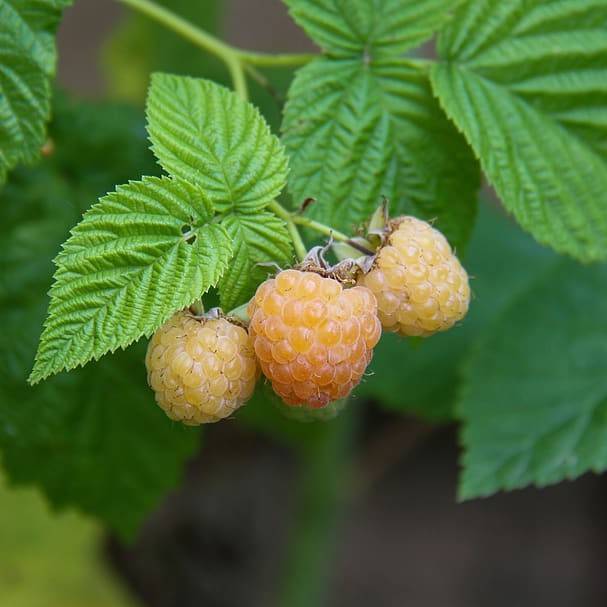
Everbearing Raspberry
Rubus idaeus var. strigosus 'Everbearing'