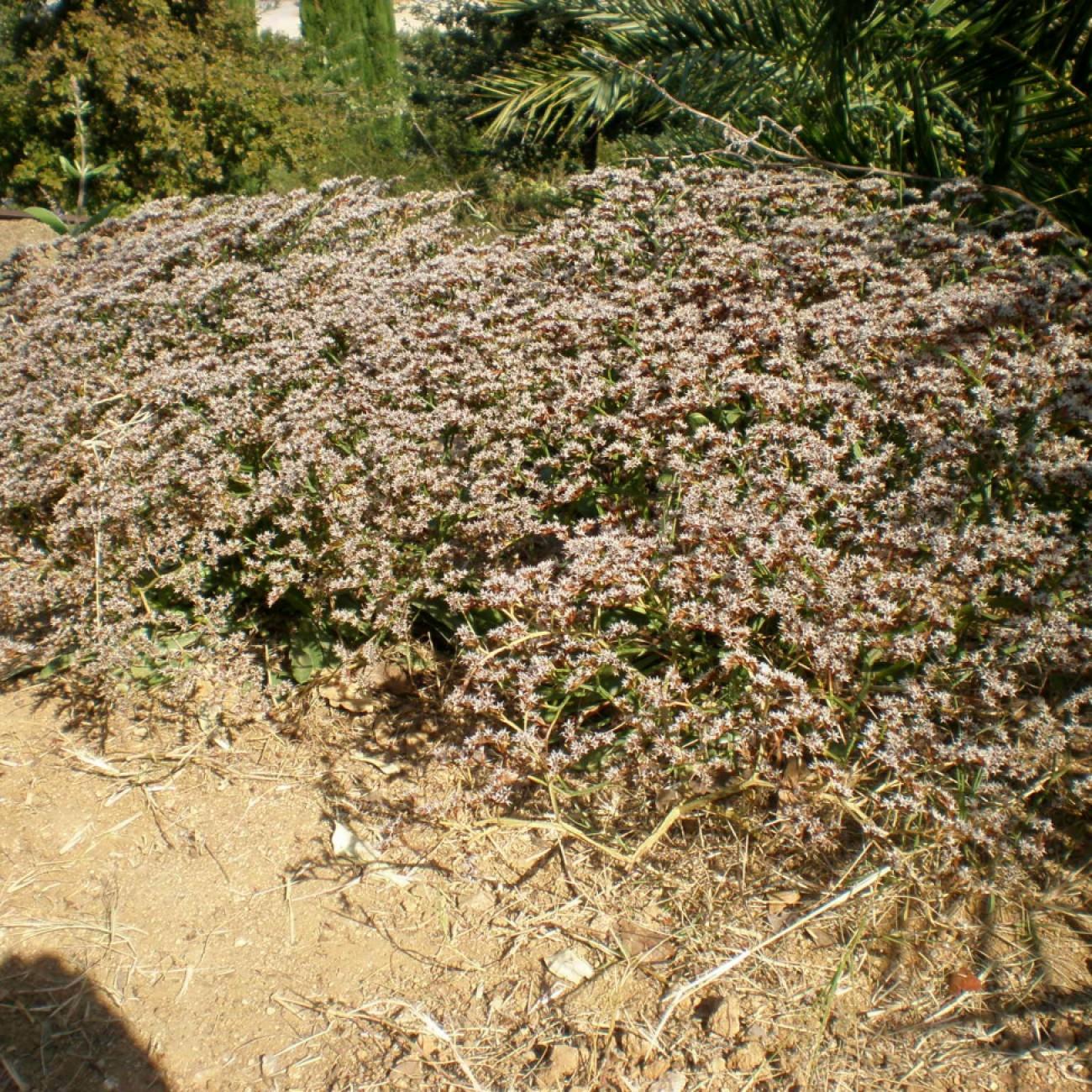
Goniolimon
Goniolimon spp.
Overview
Goniolimon, often called statice or sea lavender, is a hardy genus of clumping perennials adapted to arid, salty, and rocky environments. Its small, clustered flowers retain their color and shape even when dried, making it a popular choice for both fresh and preserved bouquets. It thrives in poor, well-drained soils and is highly resistant to drought and salt spray, making it suitable for coastal and xeriscape landscapes.
Care Guide
Watering
Water newly planted goniolimon regularly to establish roots, then reduce frequency to only during extended dry periods. Overwatering is the most common cause of failure, so allow the soil to dry out completely between waterings. Avoid overhead watering to prevent fungal issues on the foliage.
Light
Goniolimon requires full sun, at least 6 to 8 hours of direct sunlight daily, to produce abundant blooms and maintain a compact growth habit. It can tolerate partial shade, but flowering will be reduced and stems may become leggy in low-light conditions.
Soil
This plant prefers poor to moderately fertile, sharply drained soil with a neutral to alkaline pH. It adapts well to sandy, gravelly, or rocky soils, and even thrives in saline soils common to coastal regions. Heavy, clay-rich soils that retain moisture will cause root rot, so amend with sand or gravel if needed to improve drainage.
Fertilizer
Goniolimon has very low nutrient requirements and rarely needs fertilization, especially when grown in average garden soil. An annual light application of balanced, slow-release fertilizer in early spring is sufficient for potted specimens or very poor soils. Over-fertilizing will lead to lush, floppy growth and reduced flowering.
Temperature
It is cold hardy in USDA zones 4 through 9, tolerating winter temperatures as low as -30°F (-34°C) when planted in well-drained soil. It thrives in warm, dry summer conditions and is highly heat tolerant, but will suffer in areas with high humidity and prolonged summer rainfall.
Pruning
Remove spent flower stems after blooming to encourage a tidy growth habit and prevent self-seeding if you do not want volunteer plants. In late winter or early spring, cut back dead foliage to the base to make room for new spring growth. No regular shaping pruning is needed, as it naturally forms a neat, low clump.
Propagation
Goniolimon is most easily propagated from seed sown directly in the garden in fall or started indoors 6 to 8 weeks before the last frost date. It can also be propagated by root division in early spring, though it dislikes root disturbance so division should only be done every 3 to 4 years to maintain plant health.
Humidity
This plant prefers low to moderate humidity levels and is well adapted to dry, arid climates. High humidity, especially combined with wet soil, increases the risk of fungal diseases and root rot. Ensure good air circulation around plants if grown in humid regions to minimize moisture buildup on foliage.
Repotting
Potted goniolimon only needs repotting every 2 to 3 years, when roots begin to grow out of the drainage holes. Use a porous, fast-draining cactus or succulent potting mix, and choose a pot with ample drainage holes to prevent waterlogging. Avoid repotting during active flowering, as this can cause bloom drop.
Uses & Symbolism
Goniolimon is widely planted in rock gardens, xeriscapes, coastal landscapes, and border edges for its long-lasting colorful blooms and low maintenance needs. Its papery, colorfast flowers are harvested for both fresh cut bouquets and dried floral arrangements, where they retain their shape and hue for months. It is also used in restoration projects for erosion control on dry, rocky slopes and saline soils where few other plants can survive.
Diseases & Pests
Goniolimon is largely pest and disease resistant when grown in appropriate conditions, but overwatering and poor drainage will quickly lead to root rot and fungal leaf spots. Aphids and spider mites may occasionally infest stressed plants, especially those grown in overly warm, dry indoor conditions. In high humidity regions, powdery mildew can develop if plants are crowded and lack proper air circulation.
Related plants
Other plants you might like if you grow Goniolimon.
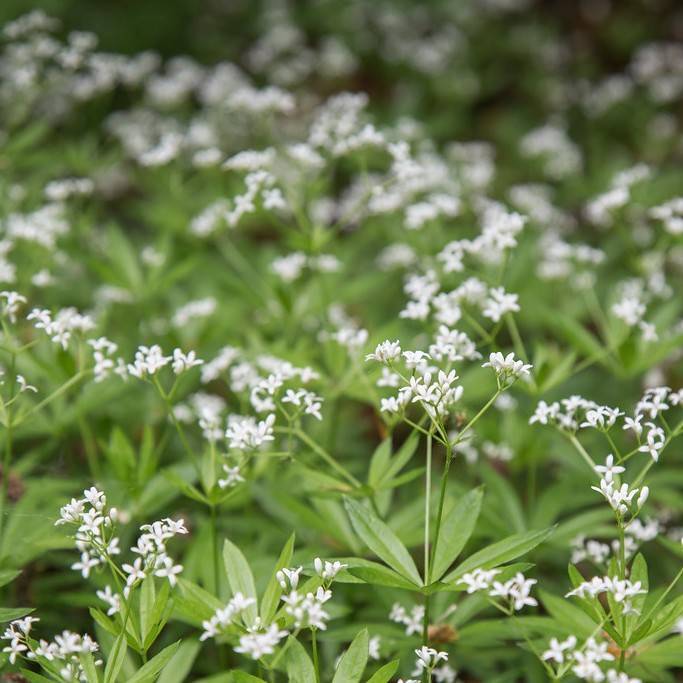
Baby's Breath
Gypsophila paniculata
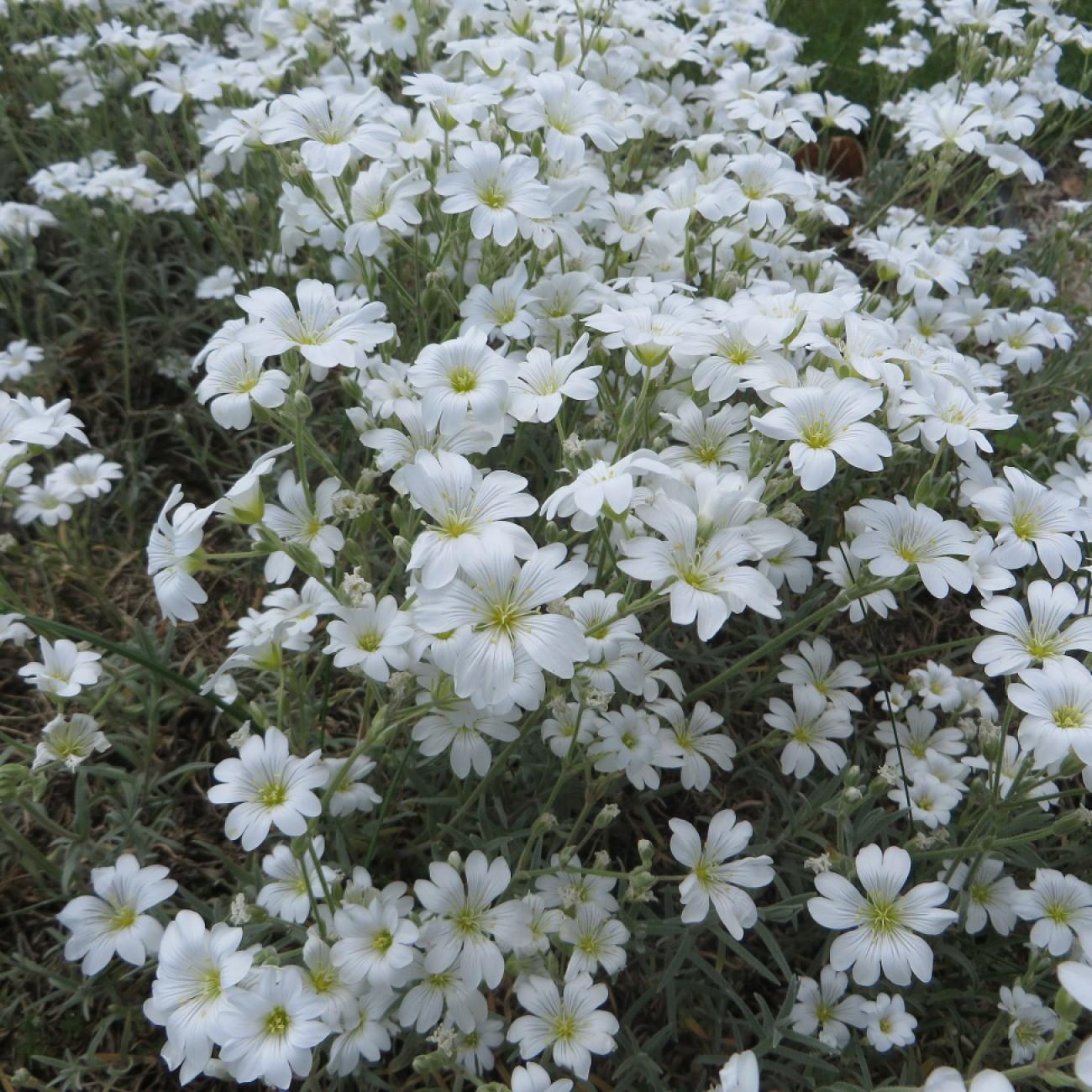
Bieberstein Chickweed
Cerastium biebersteinii
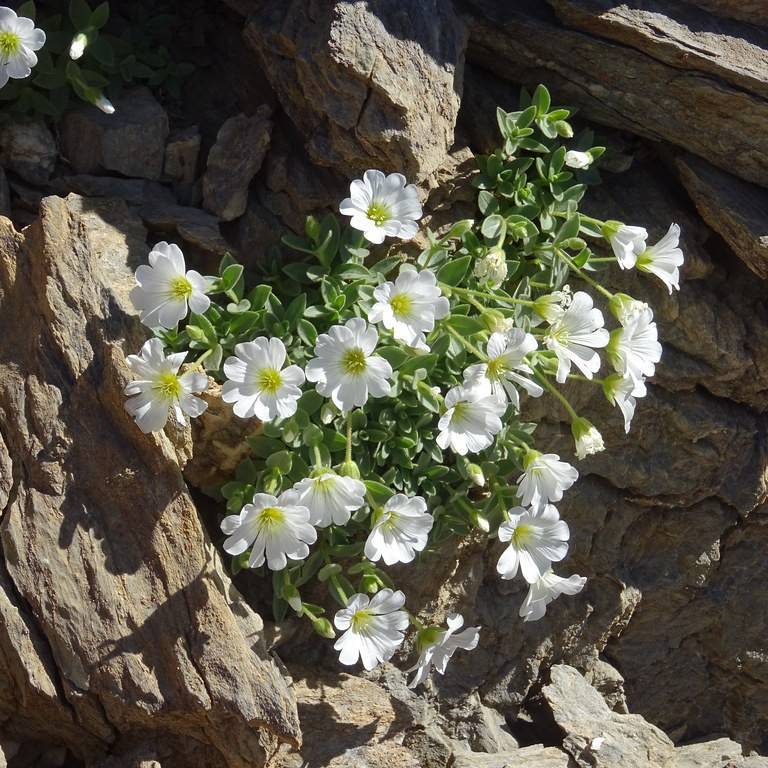
Alpine Mouse Ear Chickweed
Cerastium alpinum
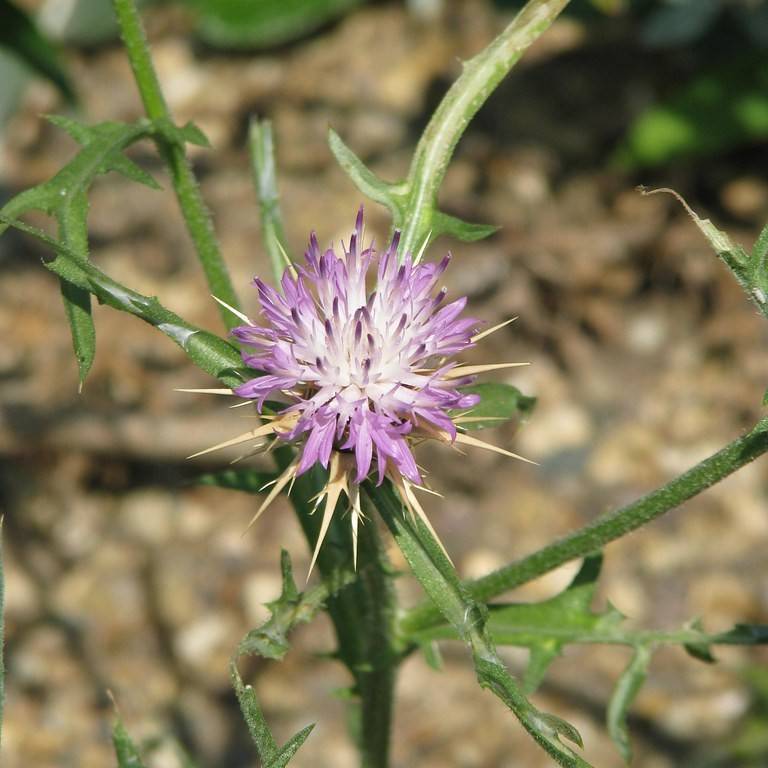
Big Head Purple Star Thistle
Centaurea macrocephala
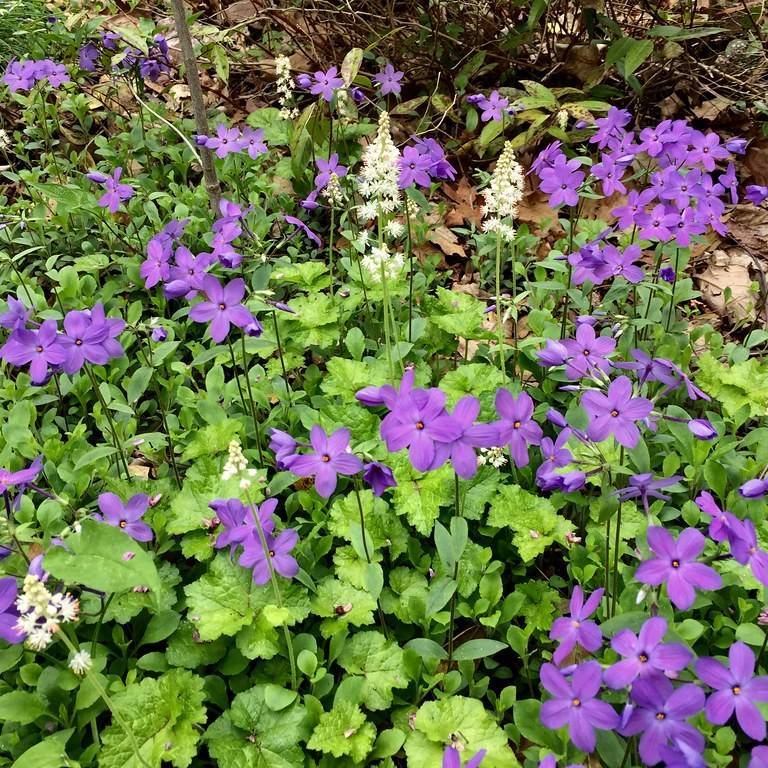
Creeping Phlox
Phlox subulata
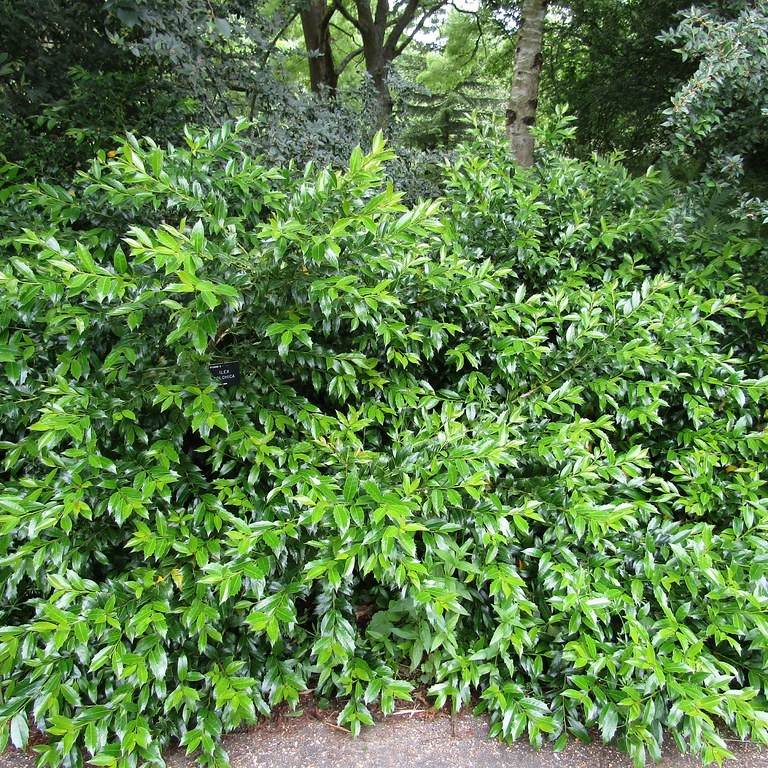
Black Sea Holly
Eryngium x tripartitum
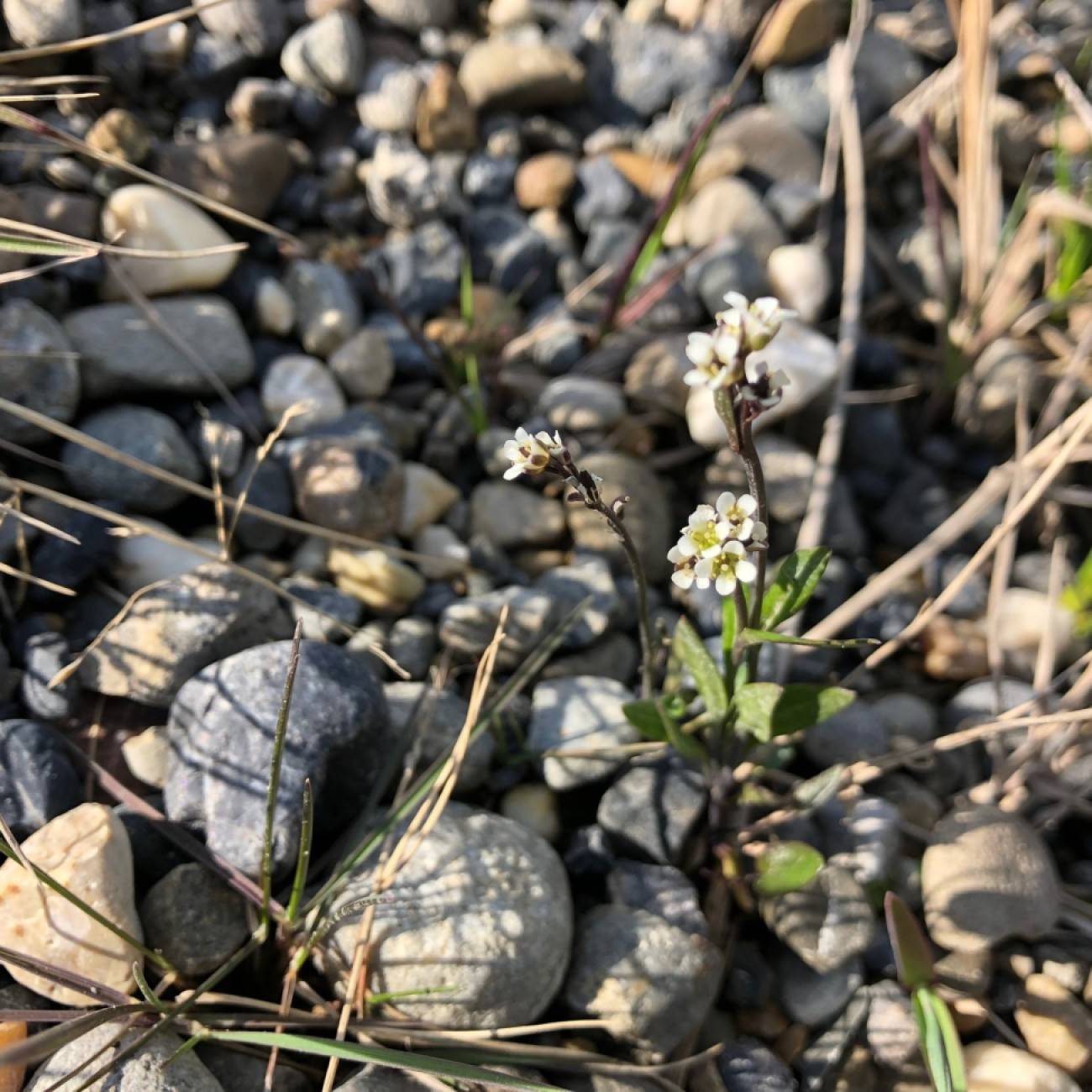
Greenland Rockcress
Boechera groenlandica
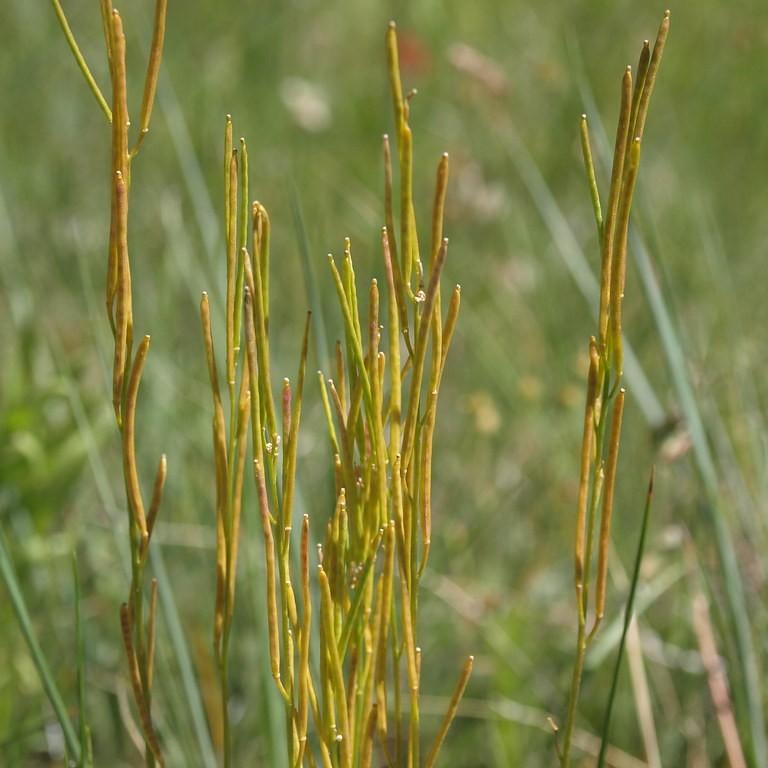
Eschscholtz's Rockcress
Boechera eschscholtziana