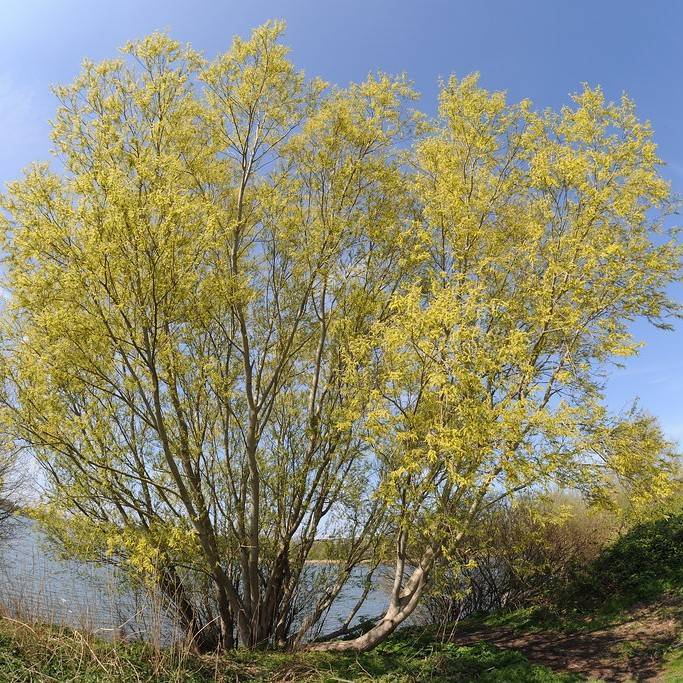
Golden Willow
Salix alba var. vitellina
Overview
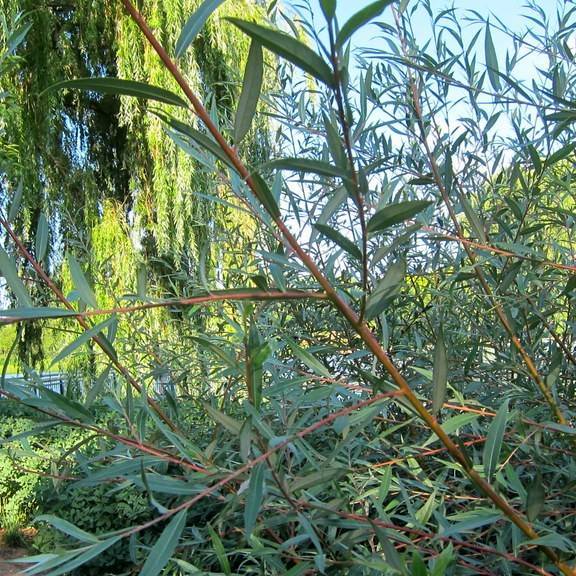
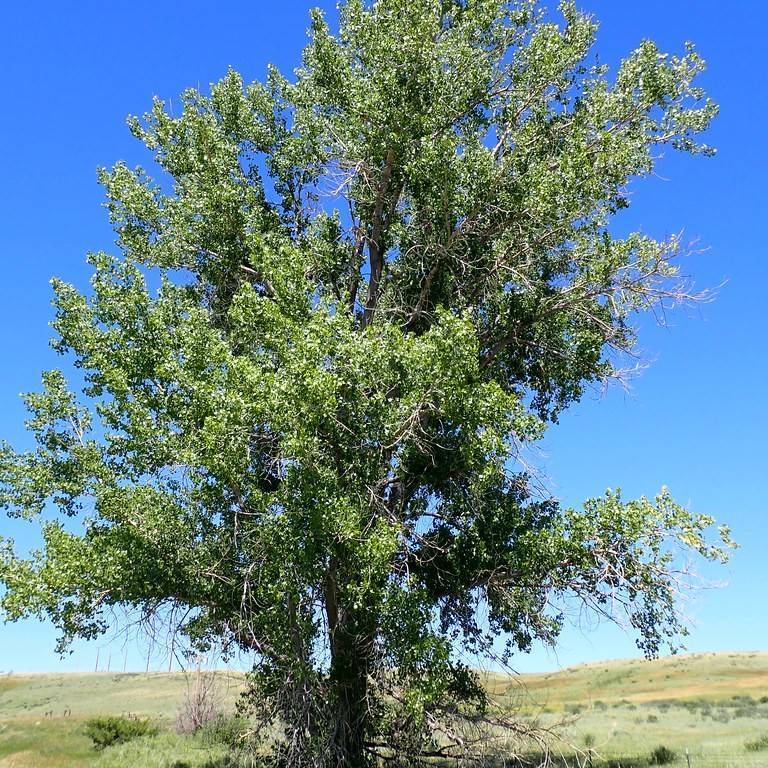
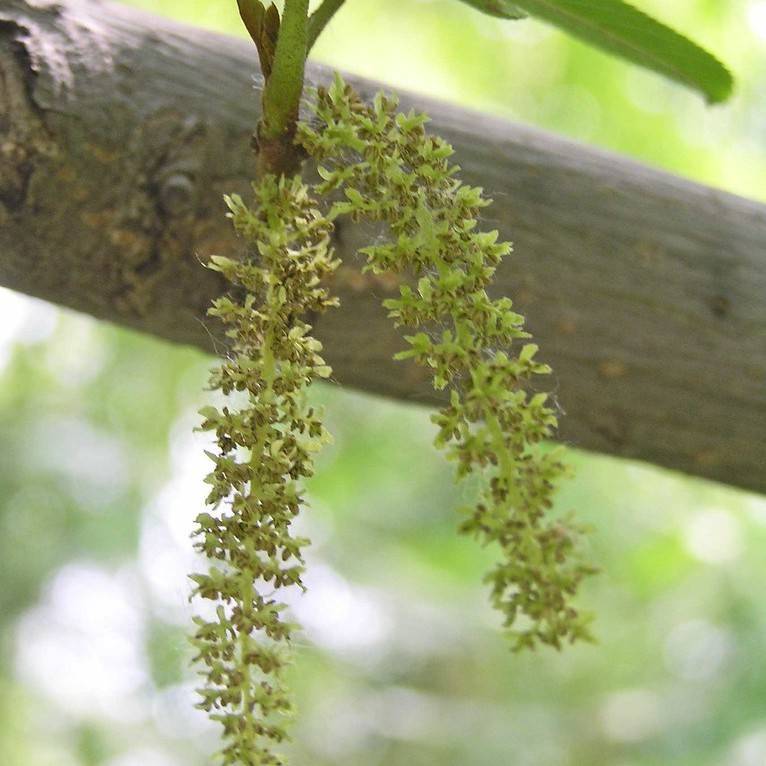
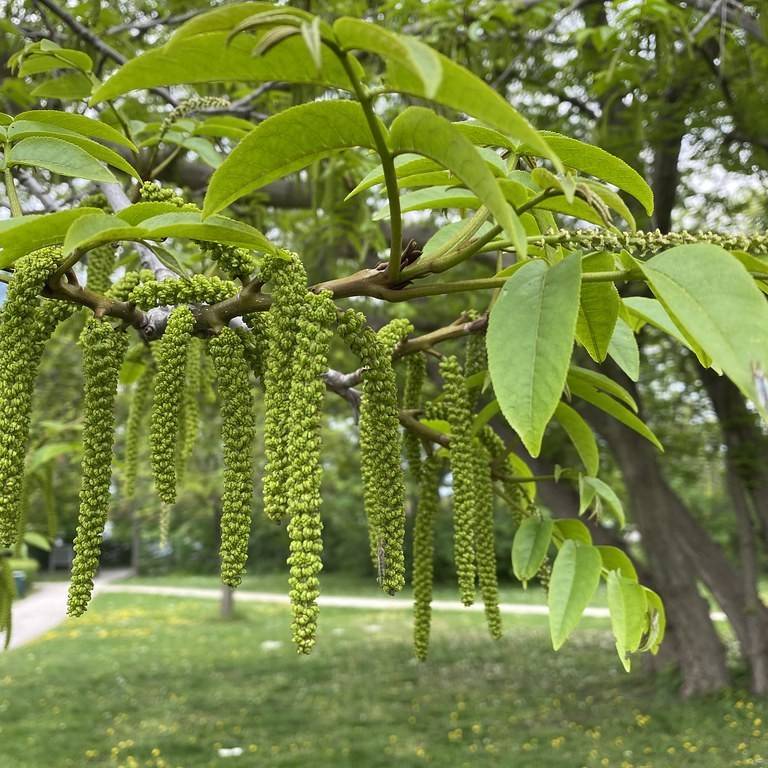
Golden willow is a variant of white willow, distinguished by its striking luminous golden-yellow shoots that develop their brightest color after winter dormancy. It has narrow, lance-shaped light green leaves that turn pale yellow in fall before dropping, and it produces small, fuzzy catkins in early spring before foliage emerges. It is highly adaptable to wet soils, making it a popular choice for riparian restoration, erosion control, and large landscape plantings where its spreading growth habit has space to thrive.
Care Guide
Watering
Golden willow thrives in consistently moist to wet soil, and requires frequent watering during dry periods to prevent leaf drop and stress, especially in the first 2-3 years after planting. It can tolerate periodic flooding and standing water for short durations, making it ideal for planting near ponds, streams, or low-lying areas of the landscape that retain moisture. Mature specimens have deep root systems that can access groundwater, reducing their need for supplemental irrigation once established.
Light
This species requires full sun, meaning at least 6 hours of direct, unfiltered sunlight per day to produce the brightest golden stem color and maintain vigorous, healthy growth. It will not tolerate full shade, which leads to sparse foliage, weak, leggy growth, and diminished stem coloration. Plant it in an open, unobstructed location where it receives sun throughout the day for optimal performance.
Soil
Golden willow adapts to a wide range of soil types, including clay, loam, sand, and even poorly drained, wet soils that are unsuitable for most other landscape trees. It prefers a slightly acidic to neutral pH range of 5.5 to 7.5, but can tolerate mildly alkaline conditions as well. Amending heavy, compacted soil with organic matter at planting time will help encourage faster root establishment, but it is not strictly necessary for survival.
Fertilizer
Young golden willow trees benefit from a balanced, slow-release 10-10-10 fertilizer applied once per year in early spring, just before new growth emerges, to support strong stem and foliage development. Mature specimens rarely need fertilization, as they are able to extract sufficient nutrients from most soil types, especially when planted in fertile, organic-rich riparian soils. Avoid over-fertilizing, which can lead to excessive, weak growth that is more prone to breakage during wind or ice storms.
Temperature
Golden willow is extremely cold-hardy, thriving in USDA hardiness zones 3 through 8, and can tolerate winter temperatures as low as -40°F (-40°C) without significant damage. It adapts well to warm summer temperatures up to 90°F (32°C), but may experience leaf scorch during extended periods of extreme heat combined with drought if not watered adequately. It is not suitable for tropical or subtropical climates with year-round high heat and humidity, as it requires a period of cold winter dormancy to thrive.
Pruning
Prune golden willow in late winter or early spring while the tree is still dormant, to remove dead, diseased, or crossing branches and encourage the growth of new, brightly colored golden stems. To maximize stem color, many gardeners practice coppicing or pollarding, cutting the entire tree back to 6-12 inches (15-30 cm) above ground every 1-3 years, which stimulates a flush of vivid new growth. Avoid heavy pruning after new foliage emerges in spring, as this can weaken the tree and make it more susceptible to pest infestations.
Propagation
Golden willow is extremely easy to propagate from hardwood cuttings taken in late winter or early spring, before new growth begins. Cut 8-12 inch (20-30 cm) sections of healthy, 1-year-old stems, remove any lower buds, and plant the cuttings directly in moist soil, with at least 2-3 buds buried below the soil surface. Cuttings will root quickly, usually within 4-6 weeks, with no need for rooting hormone, and can be transplanted to their permanent location after one full growing season.
Humidity
Golden willow tolerates a wide range of humidity levels, from dry continental climates to humid temperate regions, as long as its soil moisture needs are met. It naturally grows in riparian areas with moderate to high ambient humidity, but will adapt to drier conditions if provided with sufficient regular watering. Low humidity combined with high heat may cause minor leaf browning along the edges, but this is rarely a serious issue if the tree is well-watered.
Repotting
Golden willow is rarely grown in containers for long periods, as its fast-growing, extensive root system quickly outgrows even large pots, and it is best suited for in-ground landscape planting. If temporarily grown in a pot before planting, repot it into a larger container every 6-12 months using a general-purpose potting mix with added organic matter to retain moisture. Once the tree reaches 3-4 feet (90-120 cm) tall, transplant it to its permanent in-ground location as soon as possible to prevent root binding and stunted growth.
Uses & Symbolism
Golden willow is widely planted as an ornamental landscape tree for its bright winter stem color, which provides striking contrast against snowy or bare winter landscapes. Its extensive root system makes it highly effective for erosion control along stream banks, lakeshores, and sloped areas prone to soil loss, and it is commonly used in riparian restoration projects to stabilize soil and provide wildlife habitat. Historically, its flexible young stems have been used for basket weaving, and its bark contains salicin, the original source of aspirin, which has been used for medicinal purposes for centuries.
Diseases & Pests
Golden willow is susceptible to a number of common willow pests, including aphids, willow beetles, and scale insects, which feed on foliage and can cause defoliation if infestations are severe. Common fungal diseases include willow blight, rust, and canker, which thrive in moist, humid conditions and can cause branch dieback or tree death if left untreated. Its weak, fast-growing wood is also prone to breakage during heavy wind, ice storms, or snow loads, so it should be planted away from structures, power lines, and high-traffic areas to avoid damage.
Related plants
Other plants you might like if you grow Golden Willow.