Chinese Wingnut
Pterocarya stenoptera
Overview
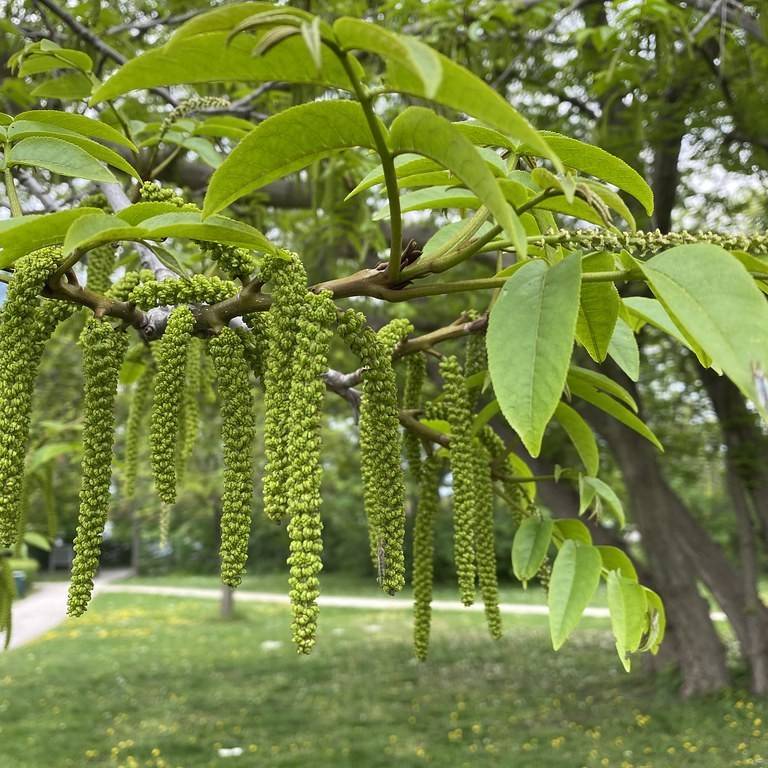
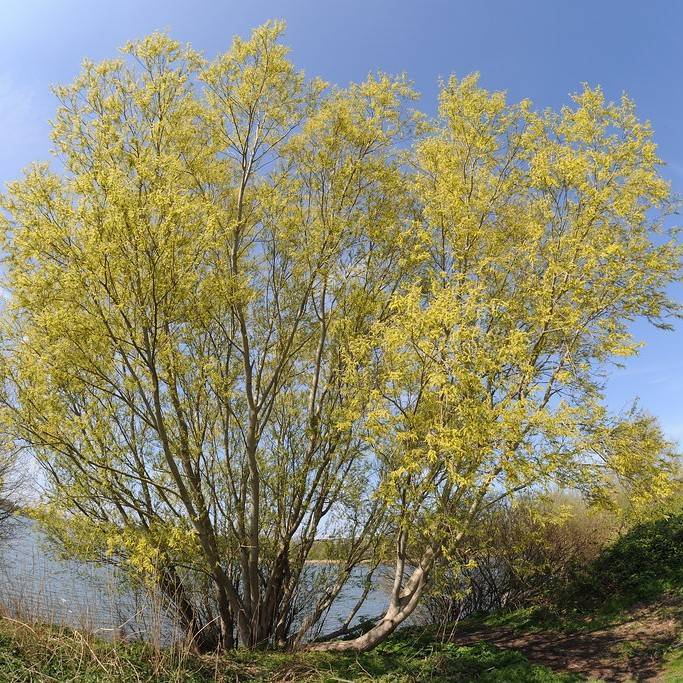
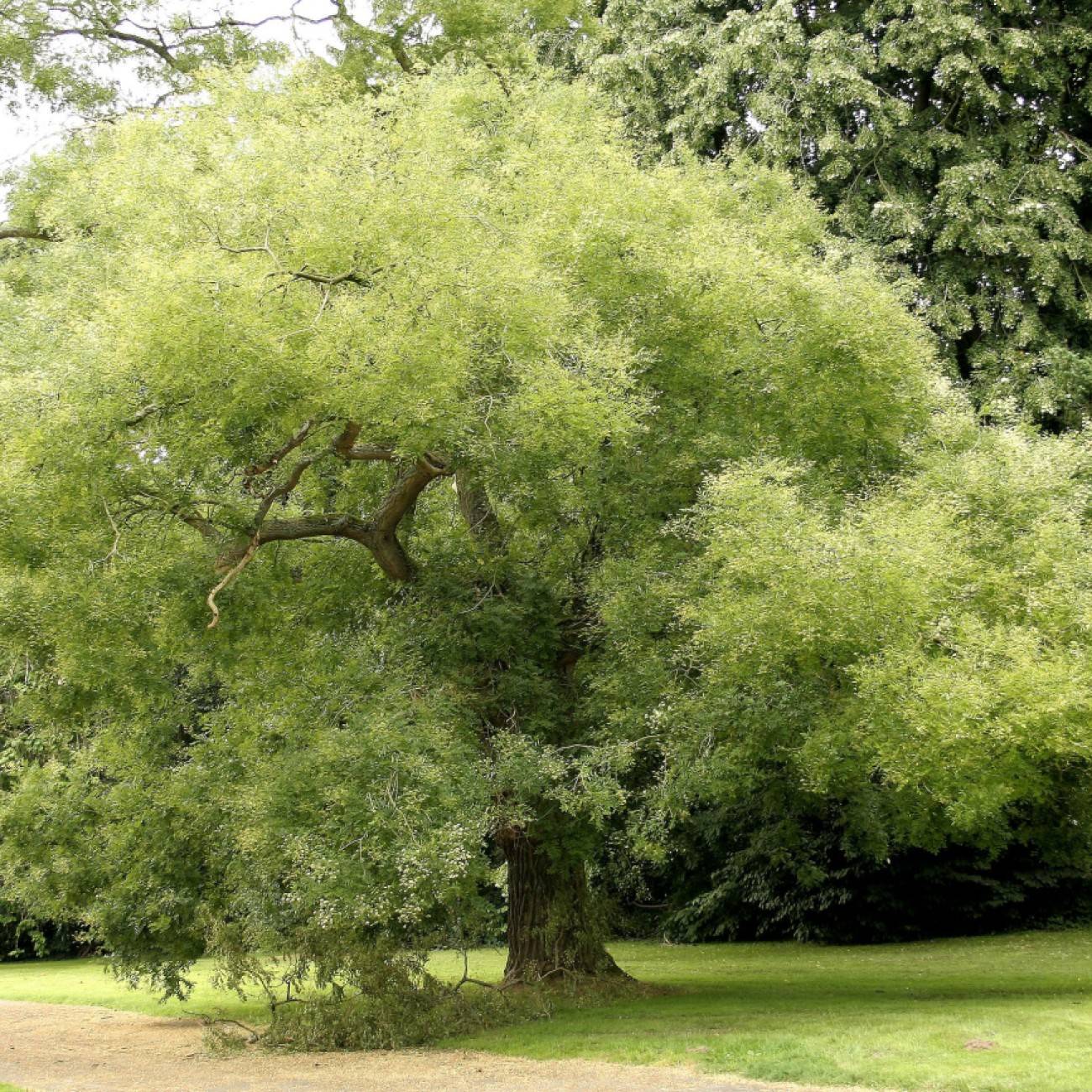
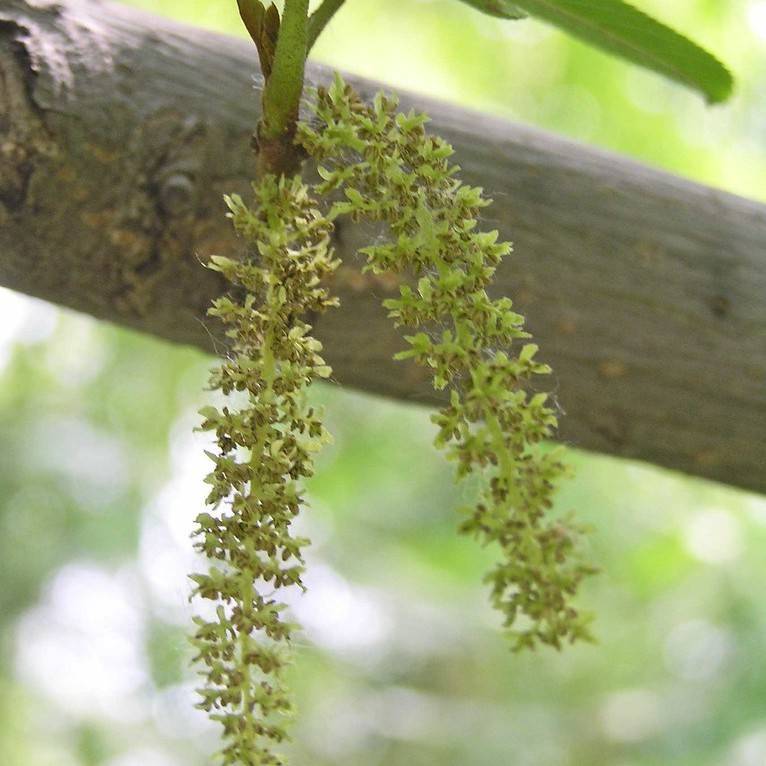
Chinese Wingnut is a large deciduous tree valued for its broad, rounded canopy and distinctive ornamental features, including long, drooping catkins that appear in spring and persistent, winged seed pods that hang in cascading clusters through late summer. It thrives in riparian and floodplain habitats, making it useful for erosion control and reclamation projects in areas with periodic waterlogging. Though native to China, it has been widely planted in temperate regions worldwide as a shade and street tree for its adaptability to poor soils and urban conditions.
Care Guide
Watering
Chinese Wingnut prefers consistently moist soil and tolerates seasonal flooding and standing water for short periods, making it ideal for low-lying or poorly drained sites. Water young trees regularly during dry spells to establish a deep root system; mature specimens are moderately drought tolerant once established but benefit from occasional deep watering during extended dry periods. Avoid allowing the root zone to dry out completely for prolonged stretches, as this can cause leaf scorch and premature leaf drop.
Light
This tree grows best in full sun, requiring at least 6 hours of direct, unfiltered sunlight daily to develop a dense, healthy canopy and produce abundant catkins and seed clusters. It can tolerate light partial shade, but growth will be slower, and the canopy may become sparser and more open in shadier conditions. Plant in an open location with unobstructed sun exposure for optimal growth and ornamental value.
Soil
Chinese Wingnut adapts to a wide range of soil types, including clay, loam, sand, and even compacted urban soils, as long as drainage is reasonable. It thrives in slightly acidic to neutral pH levels (6.0 to 7.5) but can tolerate mildly alkaline conditions as well. It is particularly well-suited to wet, heavy soils that many other tree species cannot tolerate, though it will also grow in average garden soil with consistent moisture.
Fertilizer
Young trees benefit from a balanced, slow-release fertilizer applied in early spring each year to support vigorous root and canopy growth during the establishment phase. Mature specimens generally do not require regular fertilization, as they can obtain sufficient nutrients from the soil, especially if planted in fertile loam. Avoid over-fertilizing, as this can lead to excessive, weak growth that is more susceptible to storm damage.
Temperature
Chinese Wingnut is hardy in USDA zones 5 to 8, tolerating minimum winter temperatures as low as -20°F (-29°C) without significant damage. It prefers temperate climates with warm summers and cool winters, and does not perform well in extreme tropical or arid environments. Late spring frosts can damage new growth, so avoid planting in low-lying frost pockets where cold air tends to settle in spring.
Pruning
Prune Chinese Wingnut during the dormant season in late winter to early spring, before new growth emerges, to remove dead, damaged, or crossing branches and maintain a strong, structurally sound canopy. Young trees can be pruned to establish a single central leader and well-spaced lateral branches to prevent weak crotches that may split under heavy wind or snow load. Mature trees require only occasional maintenance pruning, as their natural rounded form is generally aesthetically pleasing on its own.
Propagation
Chinese Wingnut is most commonly propagated from seed, which should be collected in autumn when the winged seed pods turn brown and dry, then sown immediately or stratified for 2 to 3 months at 40°F (4°C) to break dormancy before sowing in spring. Softwood cuttings taken from young, healthy growth in early summer can also root successfully if treated with rooting hormone and kept in a moist, humid environment until roots develop. Suckers that emerge from the root system of mature trees can also be dug up and transplanted in early spring for easy propagation.
Humidity
This tree tolerates a wide range of humidity levels, thriving in the moderate to high humidity of its native riparian habitats while also adapting to the drier air of inland temperate regions. It has no specific humidity requirements when grown outdoors in its hardiness zones, though leaf edges may scorch slightly in extremely dry, hot conditions without adequate watering. Indoor cultivation is not practical for this large tree, so humidity adjustments are rarely needed.
Repotting
Chinese Wingnut is almost exclusively grown as an outdoor landscape tree and is not suitable for container cultivation long-term, as its large, extensive root system quickly outgrows even the largest pots. Young saplings may be kept in containers for 1 to 2 years before transplanting to their permanent outdoor location, but should be repotted annually into a larger container with fresh, well-draining potting mix to prevent root binding. Transplant to the landscape in early spring before new growth begins, taking care to avoid damaging the taproot to reduce transplant shock.
Uses & Symbolism
Chinese Wingnut is widely planted as a fast-growing shade tree in parks, along streets, and in large residential landscapes, where its broad canopy provides effective summer cooling. Its tolerance for wet, compacted soils makes it a popular choice for erosion control, riparian restoration, and planting along stormwater management features such as retention ponds and bioswales. In its native China, its light, durable wood is used for construction, furniture making, and craft production, while its bark has historically been used for tanning leather.
Diseases & Pests
Chinese Wingnut is relatively resistant to most common pests and diseases, though it can occasionally be affected by leaf spot fungi, which cause small brown lesions on foliage but rarely cause serious long-term damage. Aphids and scale insects may infest new growth, sucking sap and leaving behind sticky honeydew that can lead to sooty mold growth; these pests can be controlled with horticultural oil or insecticidal soap if infestations are severe. Root rot can occur in poorly drained soils where water sits for extended periods, though this tree is far more tolerant of wet soil than most other walnut family members.
Related plants
Other plants you might like if you grow Chinese Wingnut.