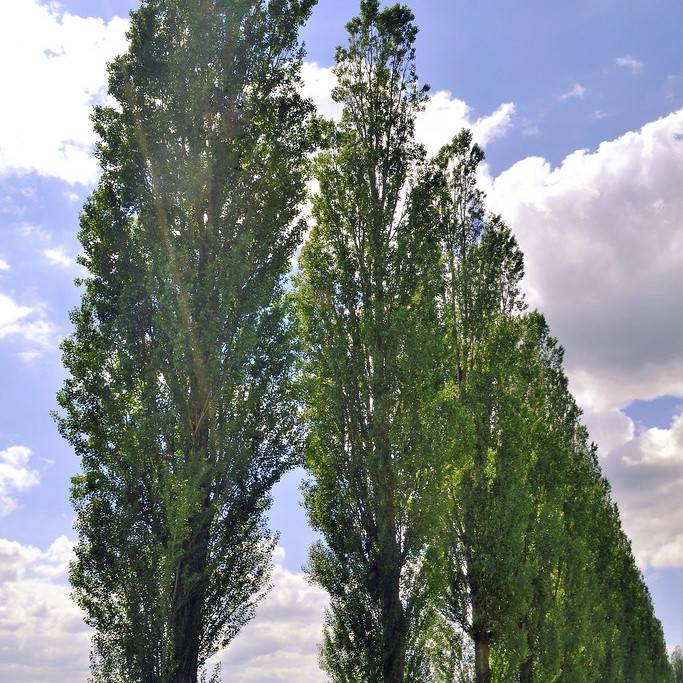
Black Poplar
Populus nigra
Overview
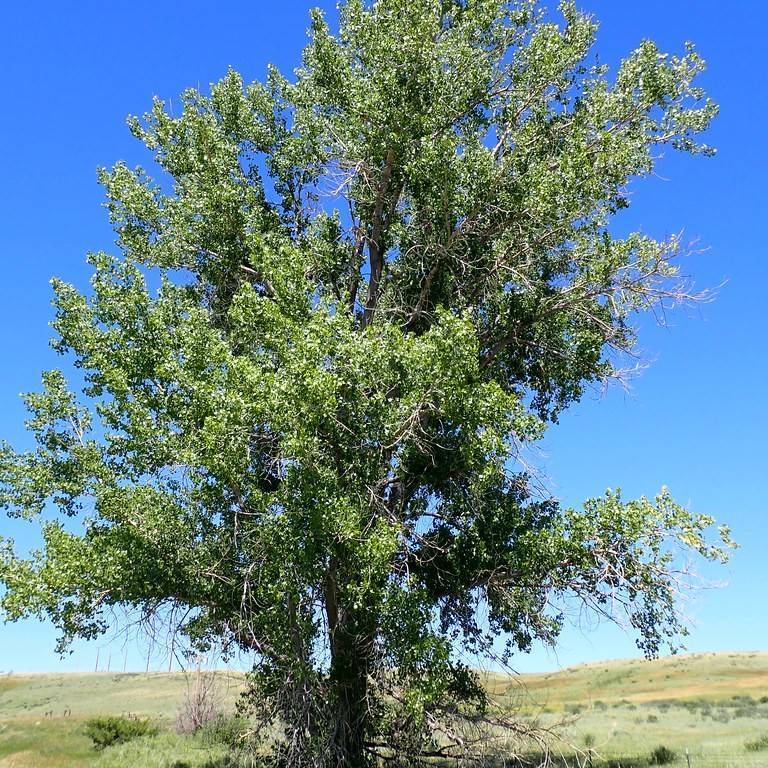
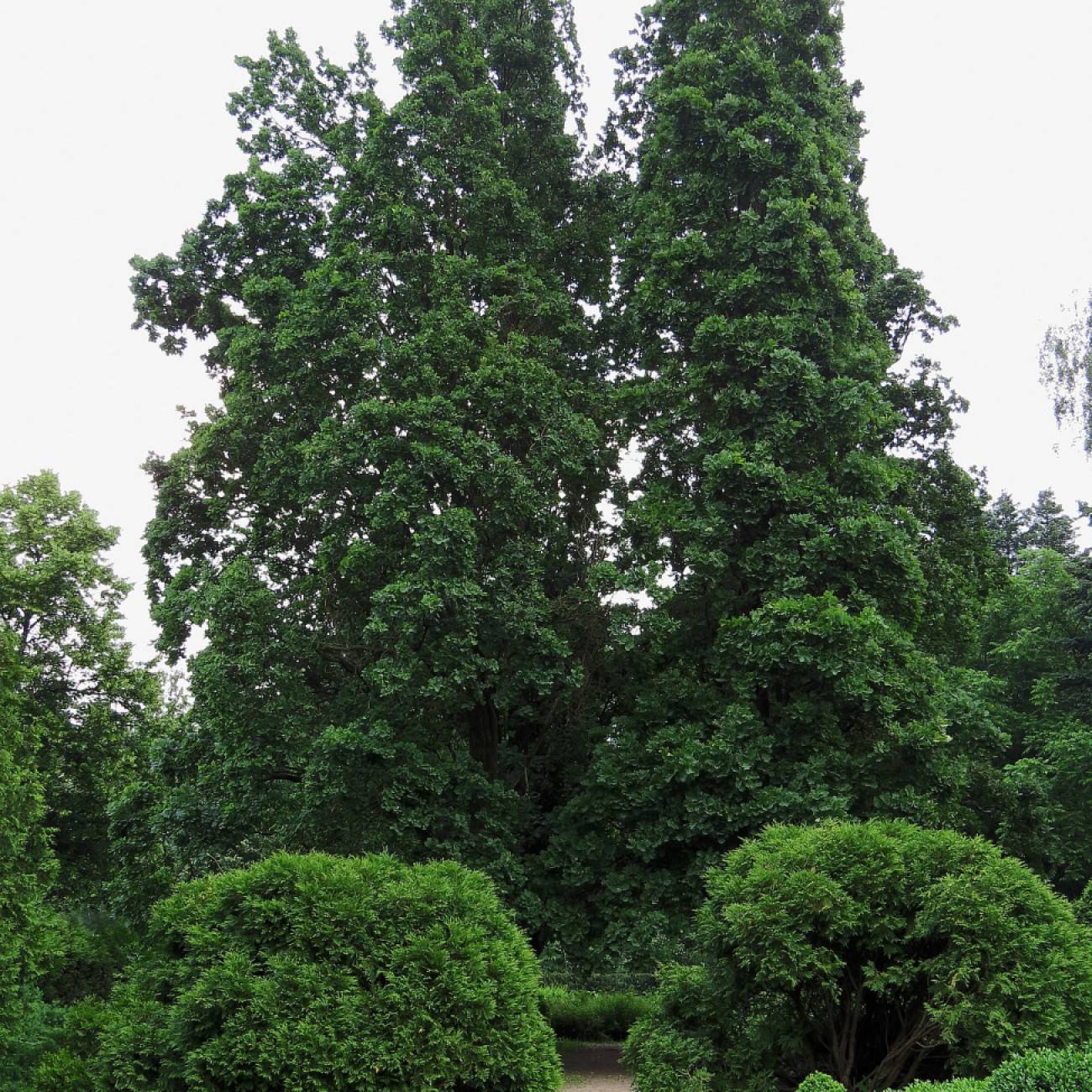
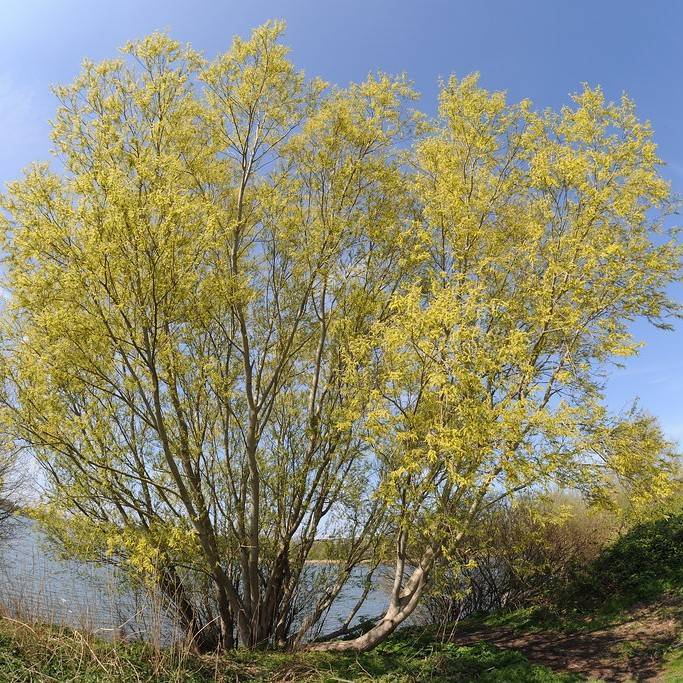
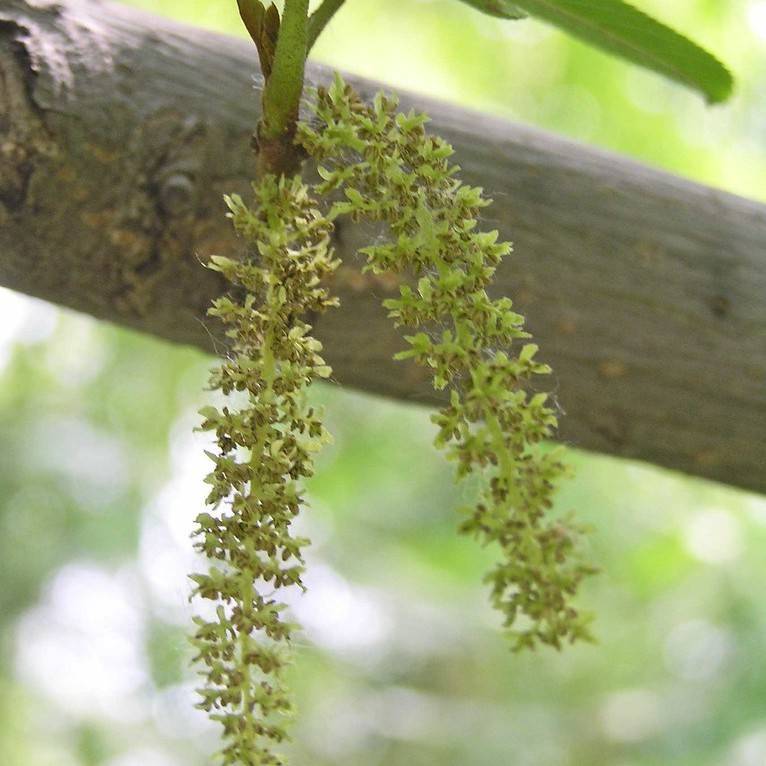
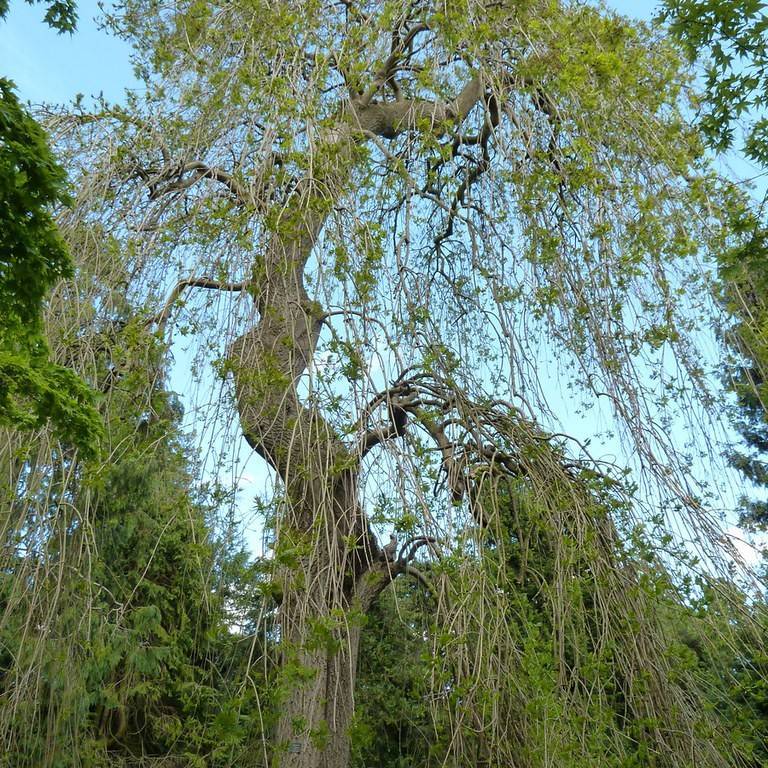
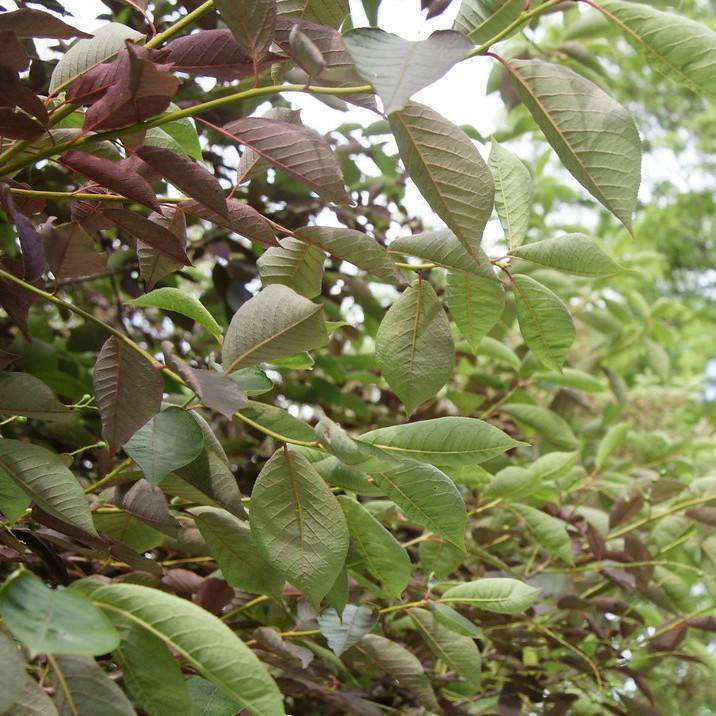
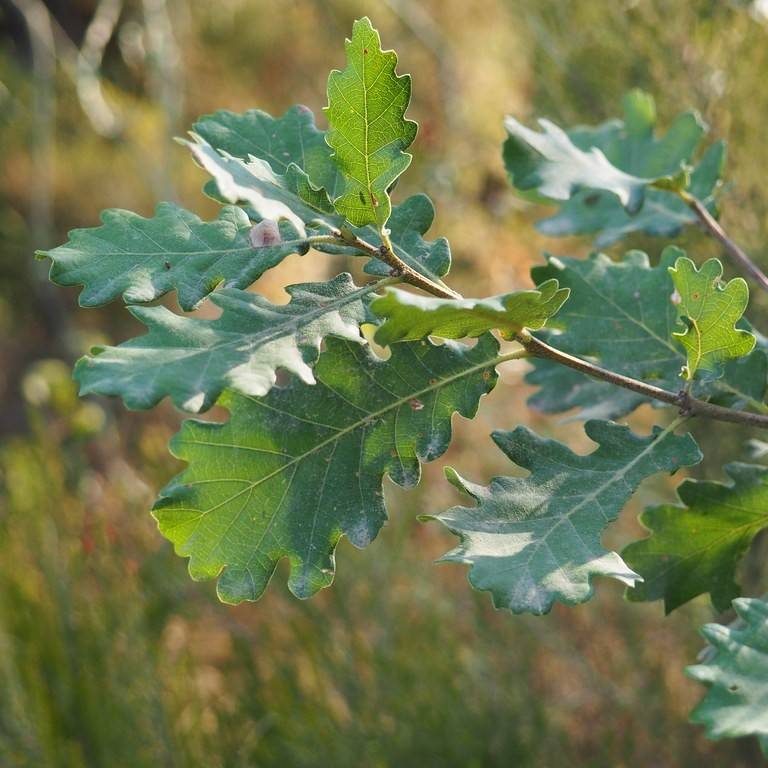
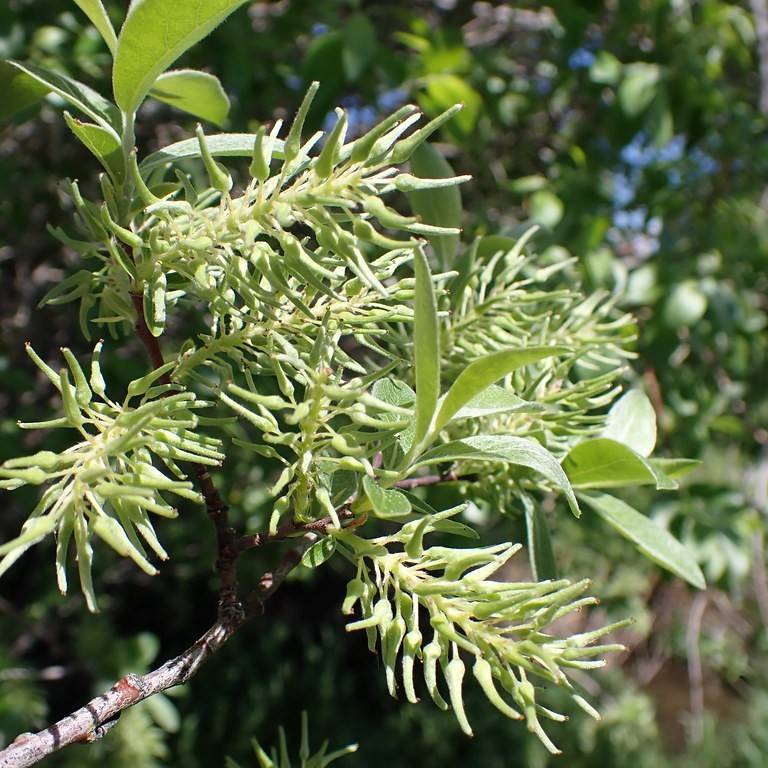
Black poplar is a robust deciduous tree recognizable by its broad, open crown, diamond-shaped serrated leaves, and deeply furrowed, dark gray-black bark that develops with age. It is dioecious, with male trees producing showy red catkins in early spring and female trees bearing green catkins that release fluffy, wind-dispersed seeds. Once widespread across riparian habitats, wild black poplar populations have declined significantly in many regions due to habitat loss and hybridization with other poplar species.
Care Guide
Watering
Black poplars prefer consistently moist, well-drained soil and thrive near riverbanks or floodplains; they tolerate occasional flooding but will suffer if planted in permanently waterlogged conditions. Established trees have moderate drought tolerance, but young specimens require regular watering during dry periods to support their rapid growth.
Light
This species requires full sun to reach its maximum growth potential, as it does not tolerate shade well. Plant it in an open area with unobstructed access to direct sunlight for at least six hours per day.
Soil
Black poplars adapt to a wide range of soil types, including sandy, loam, clay, and even slightly alkaline or acidic substrates, though they perform best in nutrient-rich, loamy alluvial soil. They can tolerate moderate soil compaction, making them suitable for urban planting sites with less than ideal soil conditions.
Fertilizer
Young black poplars benefit from an annual application of balanced, slow-release fertilizer in early spring to support fast root and canopy growth. Mature trees rarely require supplemental fertilization, as they can access nutrients efficiently from deep soil layers.
Temperature
Black poplars are extremely cold-hardy, thriving in USDA hardiness zones 3 through 9, and can withstand winter temperatures as low as -40°F (-40°C). They tolerate hot summer temperatures well, though extended periods of extreme heat may require additional watering for young trees.
Pruning
Prune black poplars during late winter or early spring while the tree is dormant to remove dead, damaged, or crossing branches and maintain a strong structural form. Avoid heavy pruning of mature trees, as this can trigger excessive, weakly attached sucker growth that increases storm damage risk.
Propagation
Black poplar is most commonly propagated via hardwood cuttings taken in late winter, with 12-18 inch (30-45 cm) sections of one-year-old wood planted directly in moist soil where they root readily. It can also be grown from seed, though seed viability is short-lived, and male and female trees are required to produce viable seed.
Humidity
Black poplars adapt well to a wide range of humidity levels, thriving in the moderate to high humidity of their native riparian habitats while also tolerating the lower humidity of inland or urban areas. No supplemental humidity is required for either indoor or outdoor specimens.
Repotting
Black poplars are rarely grown in containers long-term, as their large, aggressive root systems quickly outgrow even the largest pots. If temporarily containerized for transplanting, repot young saplings annually in early spring until they are planted in their permanent outdoor location.
Uses & Symbolism
Black poplar timber is lightweight, strong, and resistant to splintering, making it ideal for use in construction, pallet manufacturing, paper production, and as a source of firewood. It is widely planted for riparian erosion control, windbreaks, and urban landscaping due to its fast growth and tolerance of poor soil and pollution. Traditional herbal medicine uses its buds and bark to make salves and teas for treating mild pain, inflammation, and respiratory ailments, though medicinal use should be supervised by a professional.
Diseases & Pests
Black poplars are susceptible to a range of fungal diseases including poplar rust, leaf spot, and canker diseases that can cause defoliation, branch dieback, or even tree death in severe cases. Common pests include aphids, poplar borers, and caterpillars such as the poplar hawk moth larva, which can cause significant leaf damage if populations are left unmanaged. Wet, poorly drained soil increases the risk of root rot, while stressed trees are more vulnerable to borer infestations and fungal pathogens.
Related plants
Other plants you might like if you grow Black Poplar.