Border Privet
Ligustrum obtusifolium
Overview
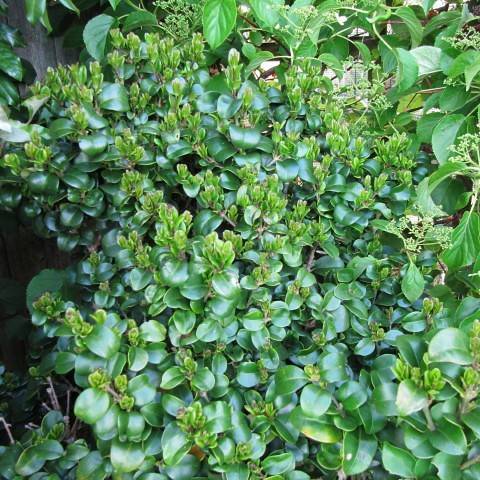
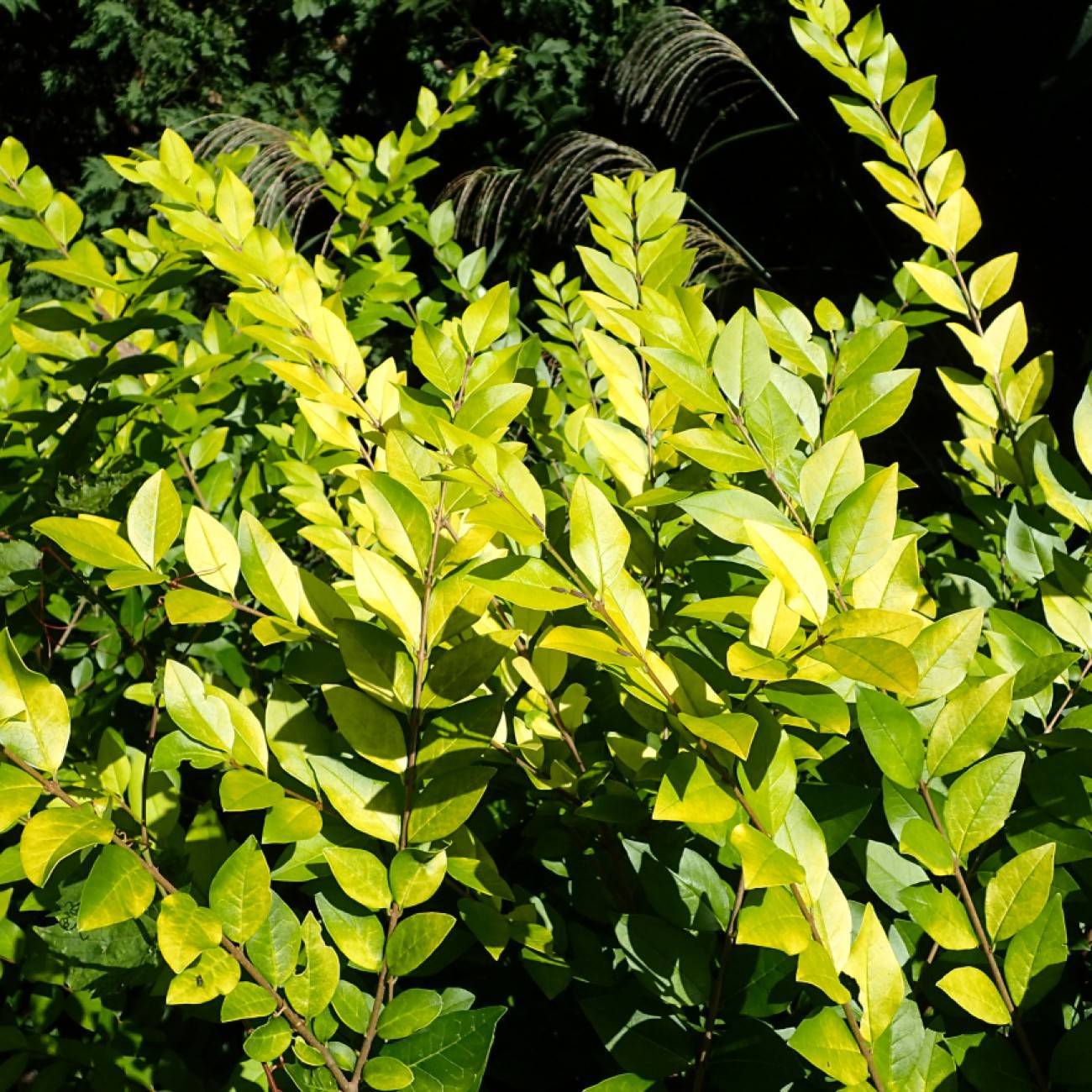
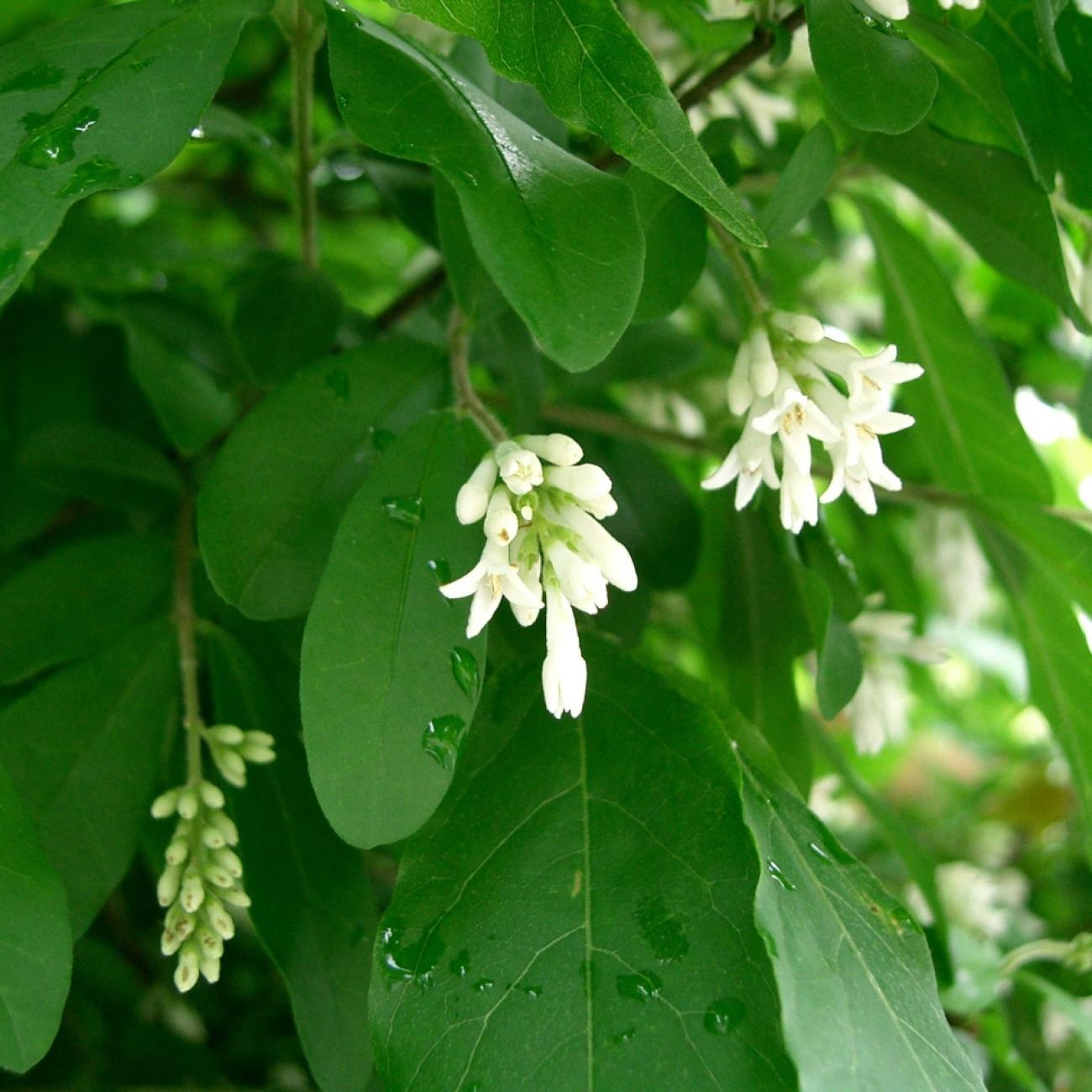
Border privet is a hardy deciduous shrub prized for its dense, twiggy growth habit and tolerance of heavy pruning, making it one of the most popular hedge species for residential and commercial landscapes. It produces small, creamy white, fragrant panicle flowers in late spring, followed by clusters of dark blue-black berries that persist through winter and provide food for wild birds. Introduced to North America as an ornamental in the 1800s, it has naturalized in some regions and is considered invasive in parts of the Midwest and Northeast United States.
Care Guide
Watering
Water newly planted border privet deeply once or twice weekly for the first growing season to establish a strong root system, keeping soil consistently moist but not waterlogged. Once established, it is highly drought tolerant, requiring supplemental watering only during extended periods of extreme heat or rainfall deficit. Overwatering, especially in poorly drained soil, increases risk of root rot and fungal disease.
Light
Border privet thrives in full sun, which encourages the densest foliage growth and most abundant flowering, receiving at least 6 hours of direct sunlight daily. It tolerates partial shade, though growth will be slightly sparser and flowering reduced in low-light conditions. It can adapt to deep shade for short periods, but prolonged low light leads to leggy, thin growth that is less ideal for hedges.
Soil
This shrub adapts to a wide range of soil types, including sandy, loam, clay, and moderately alkaline or acidic soils, as long as drainage is adequate. It prefers a moderately fertile, loamy soil with a pH between 6.0 and 7.5 for optimal growth, but will survive in poor, compacted soils where many other shrubs struggle. Avoid planting in consistently waterlogged sites, as standing water will quickly cause root rot and plant death.
Fertilizer
Fertilize established border privet once annually in early spring before new growth emerges, using a balanced, slow-release 10-10-10 NPK fertilizer spread evenly around the root zone. Young, rapidly growing plants can benefit from a second light application of fertilizer in mid-summer to support dense foliage development, but avoid fertilizing after late summer, as this can trigger tender new growth that is damaged by frost. Over-fertilization leads to excessive, soft growth that is more susceptible to pest infestations and winter damage.
Temperature
Border privet is cold hardy in USDA zones 4 through 8, tolerating winter temperatures as low as -30°F (-34°C) without significant damage. It thrives in temperate summer conditions between 60°F and 85°F (15°C to 29°C), and can withstand short periods of heat above 90°F (32°C) if provided with adequate moisture. Young plants may require a light layer of mulch around the base in late fall to protect roots from extreme temperature fluctuations in their first 1-2 winters.
Pruning
Prune border privet 2-3 times per growing season, from early spring through mid-summer, to maintain a neat hedge shape, cutting back new growth to encourage dense, bushy foliage. For informal borders, a single annual pruning in late winter to remove dead, damaged, or crossing branches is sufficient to keep the plant healthy and contained. Avoid pruning after late summer, as new growth produced late in the season will not harden off before frost and may die back over winter.
Propagation
Border privet is most easily propagated from semi-hardwood cuttings taken in mid to late summer, cutting 4-6 inch (10-15 cm) sections of current-year growth, removing lower leaves, and rooting in moist, well-drained potting mix under indirect light. It can also be grown from seed collected from ripe berries in fall, though seed requires 3-4 months of cold stratification to germinate, and seed-grown plants may not retain the exact growth characteristics of the parent plant. Root cuttings taken in late winter are also a viable propagation method for larger, established shrubs.
Humidity
Border privet is highly adaptable to a wide range of humidity levels, thriving in both the moderate humidity of its native East Asian range and the drier conditions of central North America. It tolerates high humidity well, though good air circulation around the foliage is recommended in very humid climates to reduce risk of fungal leaf spot and powdery mildew. It has no specific humidity requirements, making it suitable for almost all temperate climate regions.
Repotting
Border privet is rarely grown in containers long-term, as its large, spreading root system requires ample space to grow, and it is almost exclusively planted directly in the landscape. If grown in a container for temporary use, repot every 1-2 years in early spring before new growth emerges, using a general-purpose potting mix with added perlite for drainage, and selecting a pot 2-3 inches larger than the current root ball. For container-grown plants, prune back up to one-third of the root mass at repotting time to prevent the shrub from becoming root bound and stunted.
Uses & Symbolism
Border privet is most widely used as a low-maintenance, dense hedge or border planting to create privacy, define property lines, or screen unsightly views in residential and commercial landscapes, as it tolerates heavy pruning and forms a nearly impenetrable barrier when maintained. It is also planted in wildlife gardens to provide shelter for small birds and mammals, and its persistent winter berries are a food source for many native bird species. In some regions, it is used for erosion control on slopes and disturbed sites, as its extensive root system holds soil in place effectively.
Diseases & Pests
Border privet is relatively pest and disease resistant, but is susceptible to common fungal issues including powdery mildew, leaf spot, and anthracnose, especially in warm, humid conditions with poor air circulation, which cause leaf discoloration, spotting, and premature defoliation. Common pests include aphids, scale insects, spider mites, and privet weevils, which feed on foliage and sap, leading to stunted growth, yellowing leaves, and dieback if infestations are severe. Root rot is a common issue in poorly drained, waterlogged soils, causing wilting, yellowing foliage, and eventual plant death if drainage is not improved.
Related plants
Other plants you might like if you grow Border Privet.