Eastern Cottonwood
Populus deltoides
Overview
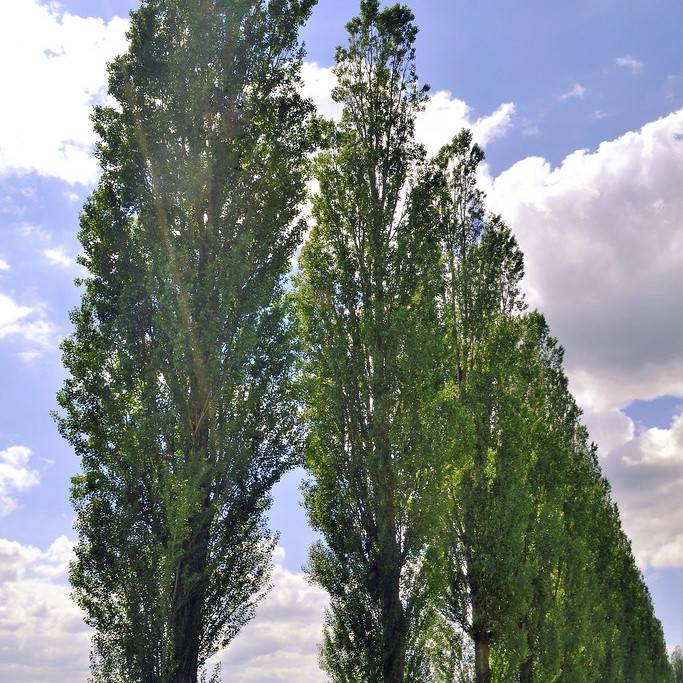
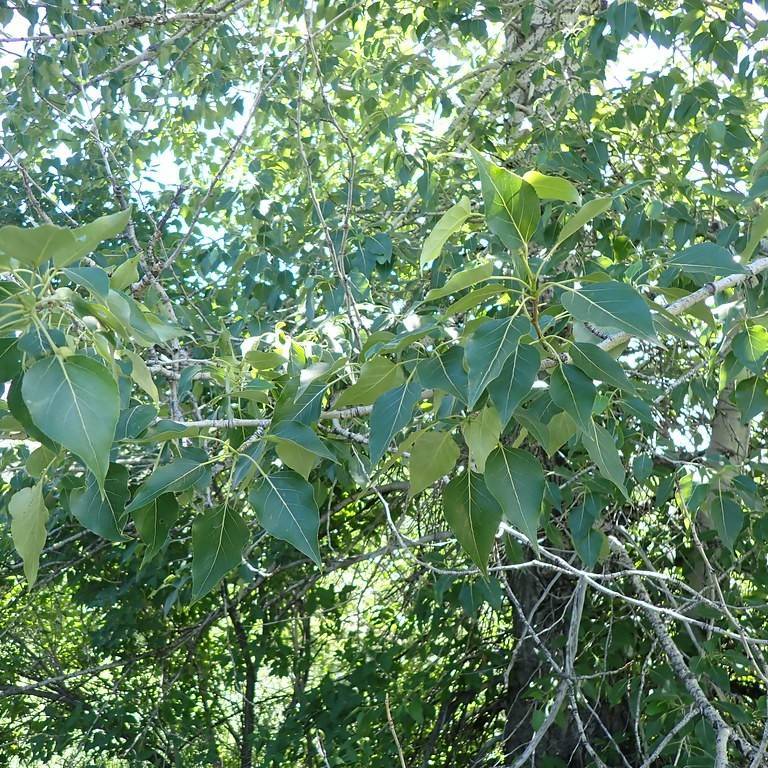
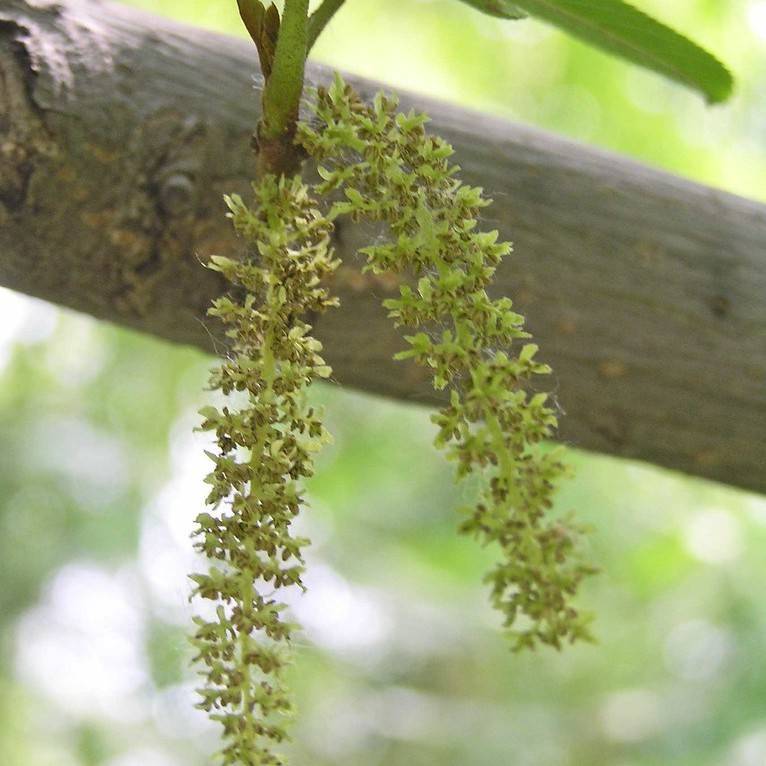
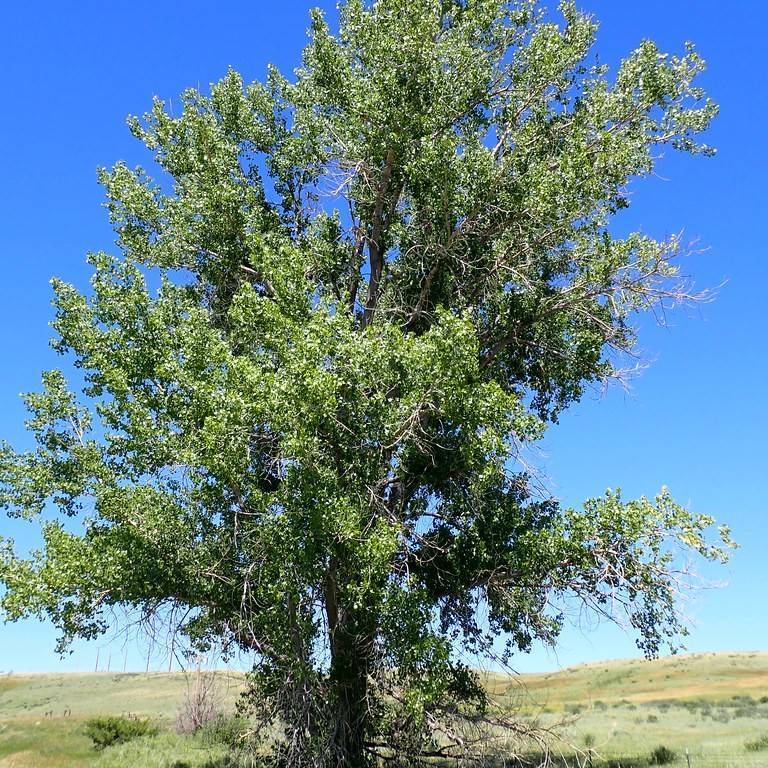
Eastern cottonwood is a large, fast-growing deciduous tree recognizable by its broad, triangular, toothed leaves that flutter distinctively in even light breezes. It is dioecious, meaning male and female flowers appear on separate trees; female trees produce clusters of small, green capsules that burst in late spring to release masses of cottony, wind-dispersed seeds. Thriving in riparian zones and floodplains, it is a keystone species in many wetland and riverine ecosystems across its native range.
Care Guide
Watering
Eastern cottonwood has very high water needs, naturally growing along riverbanks and floodplains where consistent moisture is available. Supplemental watering is required for young trees planted outside of wet riparian areas, especially during extended dry periods, to support its rapid growth. Mature trees can tolerate occasional short-term drought but will exhibit stunted growth or leaf drop if water stress is prolonged.
Light
This species requires full, direct sunlight for optimal growth and will not perform well in shaded conditions. Plant in open areas with no overhead canopy obstruction to ensure it receives at least 6 hours of unfiltered sunlight daily. Young saplings should be positioned away from larger trees that would outcompete them for light resources.
Soil
Eastern cottonwood adapts to a wide range of soil types but prefers deep, moist, well-drained silt or sandy loam common in floodplain environments. It tolerates poorly drained, periodically flooded soils, compacted substrates, and moderate soil salinity better than many other tree species. Soil pH can range from acidic to slightly alkaline, with a preferred range of 5.5 to 7.5.
Fertilizer
Young, actively growing eastern cottonwoods benefit from a balanced, slow-release fertilizer applied in early spring to support their fast growth rate. Mature trees growing in nutrient-rich riparian soils typically do not require supplemental fertilization, as they obtain sufficient nutrients from their natural environment. Avoid over-fertilizing, as this can lead to weak, structurally unsound wood that is more prone to storm damage.
Temperature
This tree is highly cold-hardy, tolerating winter temperatures as low as -40°F (-40°C) in its northern native range. It thrives in USDA hardiness zones 3 through 9, adapting well to the hot, humid summers of the southern United States. Extreme temperature fluctuations, such as sudden late spring freezes, can damage new growth but rarely cause permanent harm to established trees.
Pruning
Prune eastern cottonwood during the dormant winter season to remove dead, damaged, or structurally weak branches that pose a fall risk, as its fast growth can produce brittle wood. Young trees should be pruned to establish a strong central leader and well-spaced lateral branches to improve long-term structural stability. Avoid heavy pruning of mature trees, as this can trigger excessive, weakly attached sucker growth around pruning wounds.
Propagation
Eastern cottonwood is most easily propagated from hardwood cuttings taken in late winter from dormant, 1-year-old branches, which root readily when planted directly in moist soil. Seed propagation is possible but less common, as seeds remain viable for only a short period (1-2 weeks) after release and require constant moisture to germinate successfully. Root cuttings can also be used, as the species readily sprouts from root fragments left in disturbed soil.
Humidity
Eastern cottonwood adapts well to a wide range of humidity levels, from the dry air of the Great Plains to the high humidity of the southeastern U.S. It naturally favors the moderate to high humidity common in riparian zones but tolerates low humidity if adequate soil moisture is available. No supplemental humidity adjustments are needed for trees grown in appropriate outdoor conditions.
Repotting
Eastern cottonwood is rarely grown in containers for long periods, as its rapid growth and extensive root system quickly outgrow even large pots. Saplings intended for landscape planting should be repotted only temporarily if they outgrow their nursery containers, using a deep, wide pot with loamy, well-drained soil. Plant saplings in their permanent outdoor location as soon as possible, ideally during the dormant season, to avoid root binding and stunted growth.
Uses & Symbolism
Eastern cottonwood is widely planted for erosion control along riverbanks and stream corridors, as its extensive root system stabilizes soil and reduces flood damage. Its lightweight, soft wood is harvested for pulp to make paper, as well as for low-grade lumber, crates, and pallets, while inner bark and twigs have historically been used for medicinal and craft purposes by Indigenous peoples. It also provides valuable food and habitat for a wide range of wildlife, including beavers, deer, birds, and pollinators.
Diseases & Pests
Eastern cottonwood is susceptible to a range of fungal diseases, including Cytospora canker, which causes sunken, dead lesions on branches and trunks, and leaf rust, which leads to yellowing and premature leaf drop. Common pests include cottonwood leaf beetles, which skeletonize foliage, and aphids, which secrete sticky honeydew that encourages sooty mold growth. Weakened or stressed trees are also vulnerable to borers, which tunnel into the wood and can cause structural failure in mature specimens.
Related plants
Other plants you might like if you grow Eastern Cottonwood.