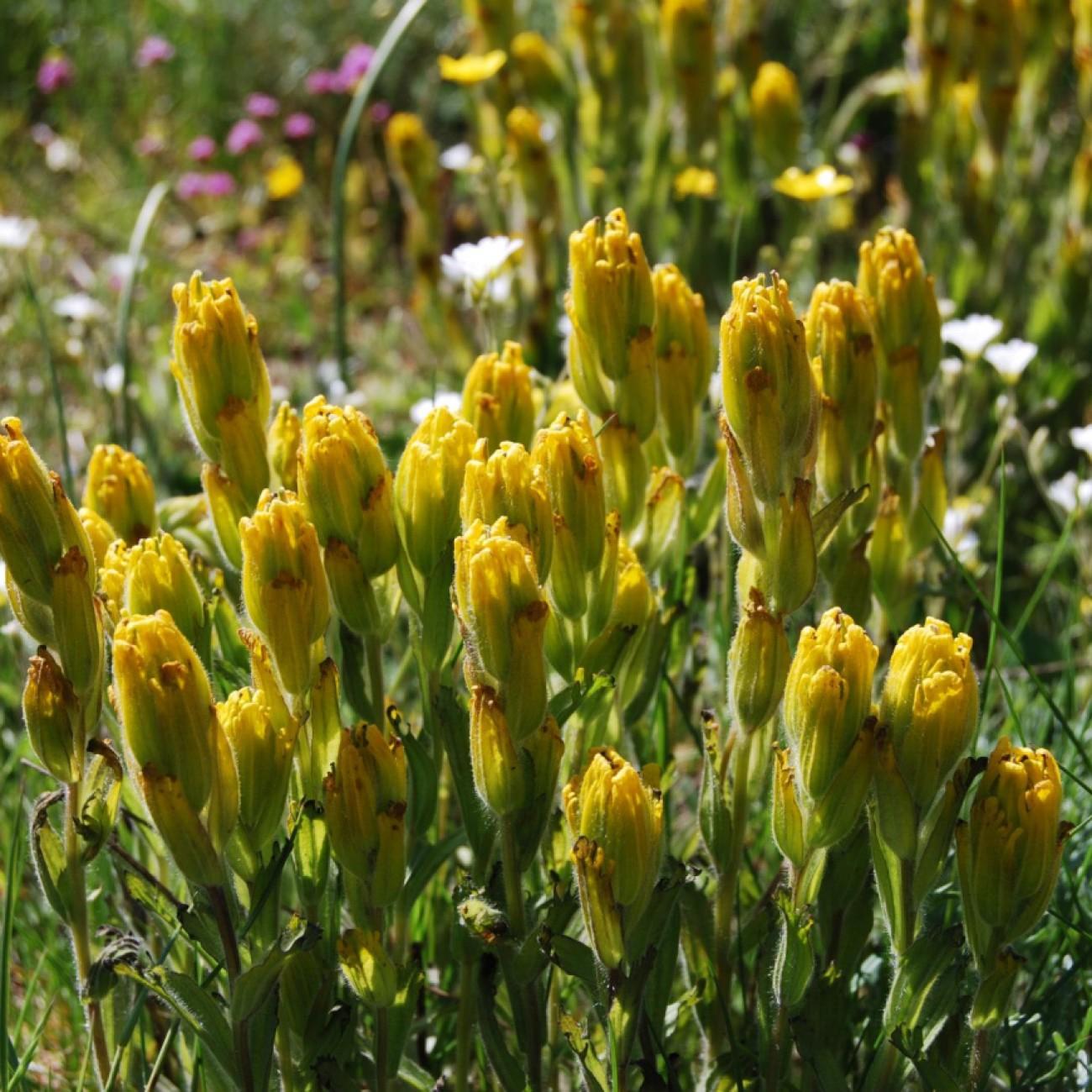
Golden Paintbrush
Castilleja levisecta
Overview
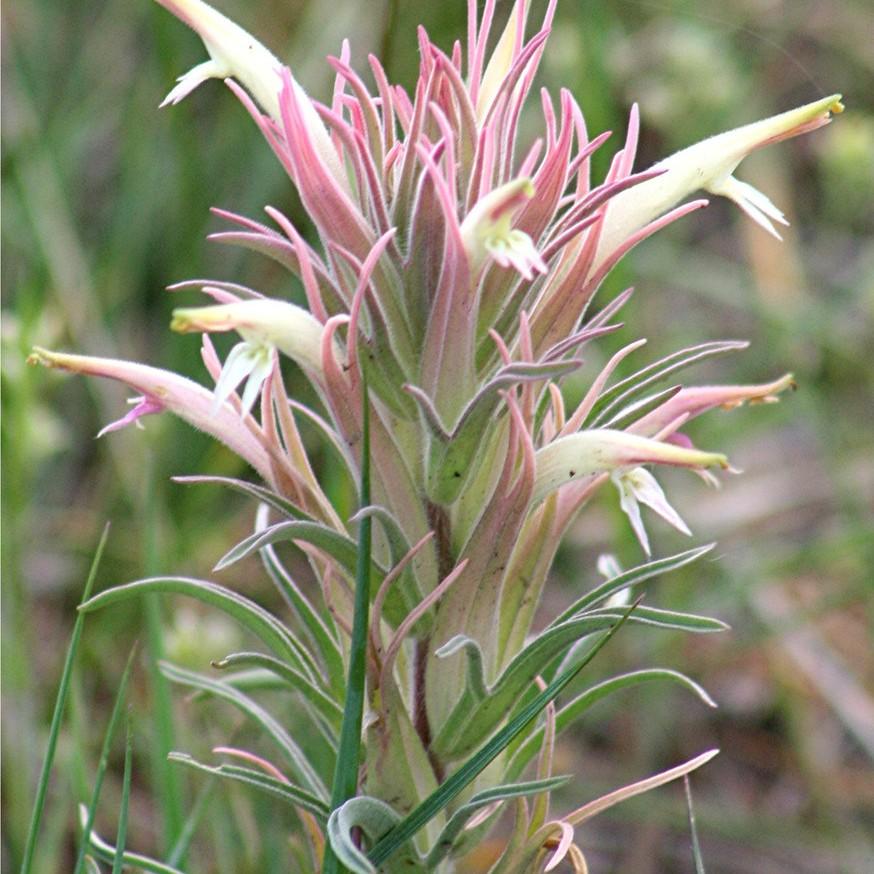
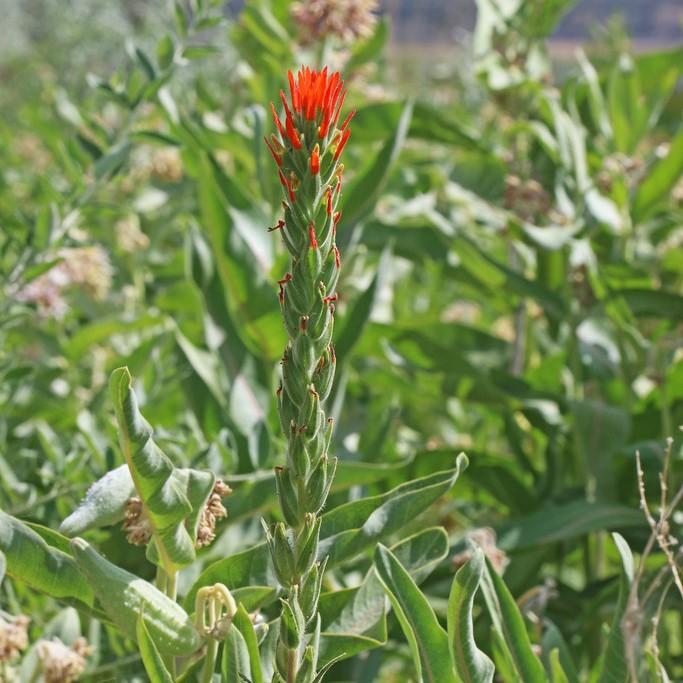
Golden paintbrush is a hemiparasitic flowering plant that obtains partial nutrients from the roots of neighboring host plants, typically grasses or forbs native to its prairie habitat. Its distinctive, showy golden bracts, which surround small, inconspicuous greenish flowers, bloom in late spring to early summer, supporting native pollinators including bumblebees. Once listed as threatened under the U.S. Endangered Species Act, it has been the focus of extensive conservation efforts to restore its declining native prairie ecosystems.
Care Guide
Watering
Golden paintbrush prefers consistently moist, well-drained soil during its active growing season, and tolerates occasional short dry spells once established. Avoid overwatering, which can lead to root rot, particularly in poorly drained sites; reduce watering frequency during winter dormancy to prevent soggy soil around the root zone. In cultivated settings, water deeply when the top 1 to 2 inches of soil feels dry to the touch, taking care not to saturate the crown of the plant.
Light
This species thrives in full, direct sunlight, requiring a minimum of 6 hours of unobstructed sun per day to produce its characteristic vibrant bracts and support healthy growth. It can tolerate very light, dappled shade, but reduced sun exposure will lead to sparser growth, fewer blooms, and less intense coloration of its golden bracts. Avoid planting it in heavily shaded locations, as this will significantly weaken the plant and may prevent it from flowering entirely.
Soil
Golden paintbrush grows best in well-drained, gravelly or sandy loam soil with a neutral to slightly alkaline pH, mimicking the glacial outwash prairie soils of its native range. It does not tolerate heavy, compacted clay soils or sites with poor drainage, as these conditions promote root rot and can kill the plant. Because it is hemiparasitic, it requires the presence of compatible native host plants, such as Roemer's fescue or common camas, in the same soil to access supplemental nutrients for long-term survival.
Fertilizer
Fertilization is generally not recommended for golden paintbrush, as it is adapted to low-nutrient prairie soils, and excess nitrogen can encourage excessive host plant growth that outcompetes this species. If grown in extremely nutrient-poor soil, a very light application of low-nitrogen, slow-release fertilizer can be applied once per year in early spring, before new growth emerges. Avoid high-nitrogen fertilizers entirely, as these will harm the hemiparasitic relationship between golden paintbrush and its host plants.
Temperature
This species is well-adapted to the cool, maritime climate of the Pacific Northwest, tolerating winter temperatures as low as 0°F (-18°C) and summer highs up to 90°F (32°C) when provided with adequate moisture. It requires a period of cold winter dormancy, with temperatures consistently below 50°F (10°C) for 2 to 3 months, to trigger healthy regrowth and flowering in the following growing season. Extreme, prolonged heat above 95°F (35°C) can cause stress to the plant, so temporary shade may be beneficial during uncharacteristic summer heatwaves.
Pruning
Pruning requirements for golden paintbrush are minimal; spent flower stalks can be cut back to the base of the plant after blooming finishes in late summer to maintain a tidy appearance and prevent unwanted self-seeding if desired. Avoid cutting back green foliage before it has yellowed and died back naturally in late fall, as the leaves continue to photosynthesize and store energy for the next year's growth. No regular shaping pruning is needed, as the plant naturally forms a low, compact clump.
Propagation
Golden paintbrush is most commonly propagated from seed, which requires 8 to 12 weeks of cold stratification to break dormancy, and should be sown directly in the fall or pre-stratified and sown in early spring alongside compatible host plant seeds. It can also be propagated via root cuttings taken from dormant plants in late winter, though this method is less common and requires careful handling to avoid damaging the delicate root system that connects to host plants. Transplanting wild specimens is prohibited in most regions due to its protected status, so all propagation should use nursery-grown, legally sourced plant material.
Humidity
This species tolerates a wide range of humidity levels, thriving in the moderate to high humidity of its native Pacific Northwest range, and adapting well to slightly drier inland conditions as long as soil moisture is adequate. It does not require extra humidity when grown in garden settings, but prolonged periods of very low humidity below 30% can cause leaf scorch, particularly when paired with high temperatures. Good air circulation around the plant is important to prevent foliar fungal diseases, especially in areas with consistently high humidity.
Repotting
Golden paintbrush is rarely grown in containers, as its hemiparasitic root system requires access to host plant roots to survive long-term, making container cultivation impractical for most gardeners. If temporarily grown in a nursery pot, it should be planted out into its permanent prairie or garden location as soon as possible, alongside appropriate host plants, to avoid stunting its growth or killing it due to lack of access to host nutrients. Repotting is not recommended for this species, as disturbance to its delicate root system can damage its connections to host plants and cause transplant shock.
Uses & Symbolism
Golden paintbrush is a key species for prairie restoration projects in the Pacific Northwest, supporting native pollinators and contributing to the health of endangered grassland ecosystems. It is also grown in native plant gardens for its striking golden blooms, which add bright, seasonal color and support local biodiversity. Due to its protected status, it is not used for medicinal or culinary purposes, and cultivation is restricted to legally sourced, nursery-propagated specimens.
Diseases & Pests
Golden paintbrush is susceptible to root rot, particularly when grown in poorly drained, overly saturated soils, which can quickly kill the plant if not addressed. Fungal foliar diseases, including powdery mildew and rust, may occur in areas with poor air circulation or prolonged high humidity, causing leaf discoloration and reduced vigor. Common pests include aphids and spider mites, which may feed on new growth, though infestations are rarely severe in healthy, well-sited plants.
Related plants
Other plants you might like if you grow Golden Paintbrush.