Kankakee Mallow
Iliamna remota
Overview
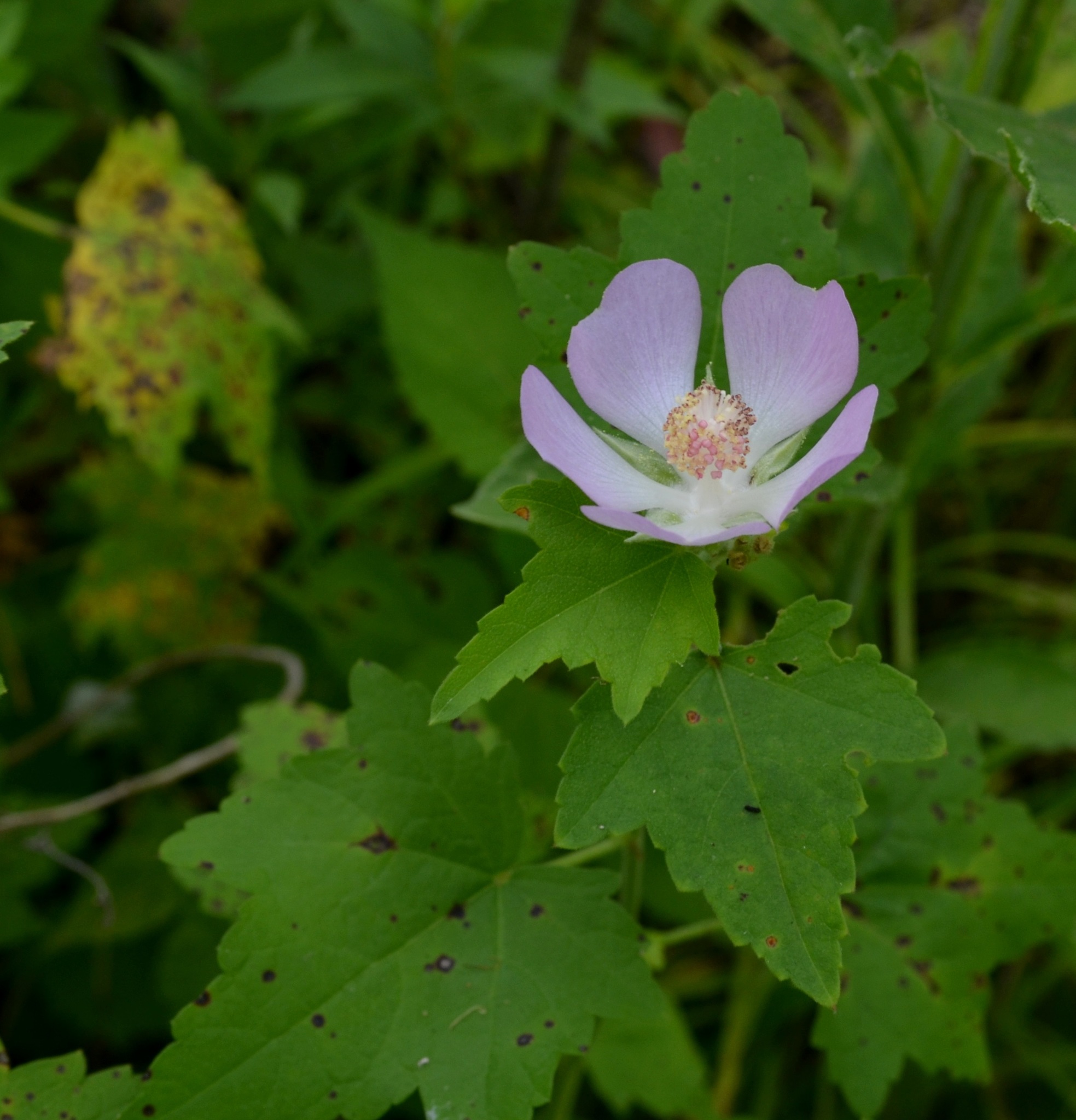
Kankakee mallow is a federally threatened herbaceous perennial endemic exclusively to the sandy, gravelly shores and floodplains of the Kankakee River in northeastern Illinois. It produces erect, hairy stems topped with clusters of 1–2 inch wide, five-petaled pale pink to lavender flowers that bloom in mid to late summer, attracting native bees, butterflies, and hummingbirds. Once thought to be extinct in the wild, conservation efforts have reestablished small populations in its native habitat, where it is adapted to periodic seasonal flooding and full sun exposure.
Care Guide
Watering
Kankakee mallow prefers consistent, moderate moisture, mimicking its native floodplain habitat, and tolerates occasional short-term flooding but will not survive prolonged waterlogged conditions. Allow the top 1–2 inches of soil to dry out between waterings during the growing season, and reduce watering frequency in late fall as the plant enters dormancy. Avoid overhead watering to reduce the risk of foliar fungal diseases, directing water at the base of the plant instead.
Light
This species thrives in full, direct sunlight for a minimum of 6 hours per day, which supports robust stem growth and abundant flowering. It can tolerate very light, dappled shade for 1–2 hours daily, but prolonged shade will lead to leggy growth, reduced bloom production, and increased susceptibility to pest infestations.
Soil
Kankakee mallow requires well-draining, sandy or gravelly loam soil with a neutral to slightly alkaline pH range of 6.5–7.5, matching the alluvial soils of its native riverbanks. Heavy clay soils that retain excess moisture will cause root rot, so amend heavy soils with coarse sand or gravel to improve drainage before planting. It tolerates low to moderate soil fertility, so overly rich, organic soils are not necessary for healthy growth.
Fertilizer
Fertilization is rarely needed for Kankakee mallow, as it is adapted to low-fertility alluvial soils; excessive nitrogen will lead to weak, floppy stems and reduced flowering. If grown in very poor, nutrient-depleted soil, apply a balanced, slow-release 10-10-10 fertilizer at half the recommended rate once in early spring as new growth emerges. Avoid liquid fertilizer applications during the mid to late growing season, as this can disrupt natural dormancy cycles.
Temperature
Kankakee mallow is cold-hardy to USDA zones 4–8, tolerating winter temperatures as low as -30°F (-34°C) when dormant, requiring a period of cold stratification to trigger spring growth. It thrives in summer temperatures between 65–85°F (18–29°C), and will tolerate short periods of high heat up to 95°F (35°C) if provided with adequate moisture. Extreme, prolonged heat without supplemental watering may cause leaf scorch and premature bloom drop.
Pruning
Prune back dead, damaged, or diseased stems in early spring before new growth emerges to improve air circulation and encourage vigorous new shoots. Deadhead spent flowers throughout the blooming season to promote continued flowering and prevent unwanted self-seeding, unless you intend to collect seeds for propagation. Cut the entire plant back to 3–4 inches above the soil line after the first hard frost in fall to prepare it for winter dormancy.
Propagation
Kankakee mallow is most commonly propagated from seed, which requires 60–90 days of cold, moist stratification at 33–40°F (1–4°C) to break dormancy before sowing in spring. It can also be propagated via root cuttings taken in late winter while the plant is dormant, cutting 2–3 inch sections of healthy root and planting them horizontally in well-draining sandy soil. Division of mature clumps is not recommended, as the plant has a deep, fragile taproot that is easily damaged during division, leading to high transplant mortality.
Humidity
This species tolerates a wide range of humidity levels, thriving in the moderate to high humidity (40–70%) typical of its native Midwestern river valley habitat. It can tolerate short periods of low humidity down to 30%, but extended dry conditions may cause leaf curling and reduced flowering. Good air circulation around the plant is critical in high humidity environments to prevent fungal leaf spot and powdery mildew development.
Repotting
Kankakee mallow has a deep taproot and is best suited to in-ground planting; if grown in containers, use a deep, 10–15 gallon pot to accommodate root growth and prevent root binding. Repot container-grown plants every 2–3 years in early spring before new growth emerges, using a sandy loam potting mix amended with coarse gravel for drainage. Avoid disturbing the taproot as much as possible during repotting, as damage to the taproot often leads to plant decline or death.
Uses & Symbolism
Kankakee mallow is primarily used in native plant conservation and ecological restoration projects within its native range, where it supports local pollinator populations and stabilizes eroding riverbanks. It is occasionally grown in native pollinator gardens and wildflower meadows in the Midwest for its showy pink blooms and ability to attract bees, butterflies, and hummingbirds. Historically, Indigenous peoples of the Kankakee region used the plant’s fibrous stems to make cordage and its mucilaginous roots for minor medicinal applications as a soothing demulcent.
Diseases & Pests
The most common diseases affecting Kankakee mallow are foliar fungal infections including powdery mildew and leaf spot, which occur in high humidity conditions with poor air circulation and can be prevented by spacing plants appropriately and avoiding overhead watering. Root rot is a frequent issue in poorly draining, heavy clay soils, and can be avoided by amending soil with sand or gravel to improve drainage before planting. Common pests include Japanese beetles, which feed on the foliage and flowers, and aphids, which cluster on new growth; both can be controlled with insecticidal soap applications or manual removal for small infestations.
Related plants
Other plants you might like if you grow Kankakee Mallow.
%22%2F%3E%0A%20%20%20%20%20%20%3Ccircle%20cx%3D%22920%22%20cy%3D%22180%22%20r%3D%2290%22%20fill%3D%22%23cfe8d5%22%2F%3E%0A%20%20%20%20%20%20%3Cpath%20d%3D%22M600%20590c-90-180-215-255-310-280%200%20165%20118%20296%20270%20296h40z%22%20fill%3D%22%2379b88e%22%2F%3E%0A%20%20%20%20%20%20%3Cpath%20d%3D%22M600%20590c80-150%20198-212%20302-228-8%20142-123%20255-270%20255h-32z%22%20fill%3D%22%235c9f73%22%2F%3E%0A%20%20%20%20%20%20%3Cpath%20d%3D%22M600%20610V360%22%20stroke%3D%22%234f8c64%22%20stroke-width%3D%2218%22%20stroke-linecap%3D%22round%22%2F%3E%0A%20%20%20%20%20%20%3Ctext%20x%3D%22600%22%20y%3D%22700%22%20text-anchor%3D%22middle%22%20font-family%3D%22Arial%2C%20sans-serif%22%20font-size%3D%2244%22%20fill%3D%22%23365c45%22%3E%0A%20%20%20%20%20%20%20%20Plant%20image%20coming%20soon%0A%20%20%20%20%20%20%3C%2Ftext%3E%0A%20%20%20%20%3C%2Fsvg%3E%0A%20%20)