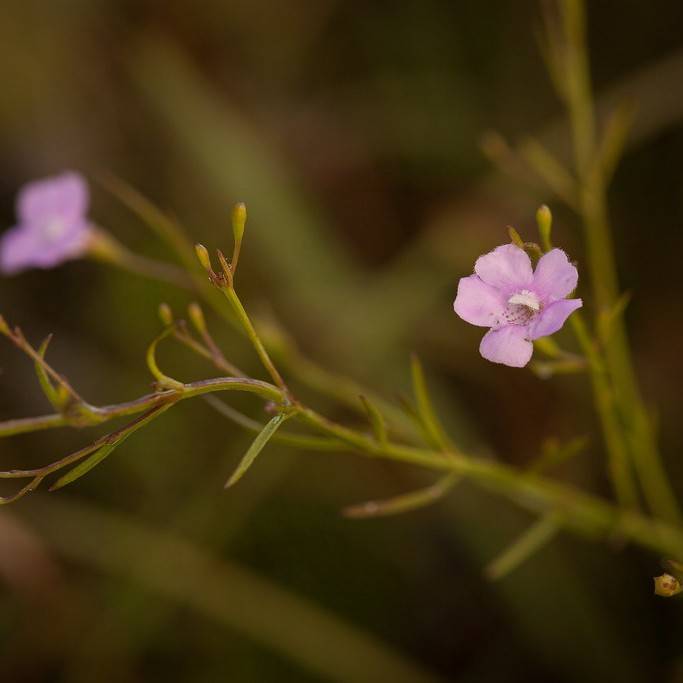
Gattinger's Agalinis
Agalinis gattingeri
Overview
Gattinger's Agalinis is a federally threatened hemiparasitic plant that obtains partial nutrients by attaching its roots to the roots of nearby host plants, typically warm-season prairie grasses. It produces slender, branching stems lined with narrow, linear leaves, and bears small, five-lobed pink or pale purple flowers with spotted throats from late summer to early fall. This species is restricted to dry, nutrient-poor prairie, glade, and savanna habitats, and its populations have declined sharply due to habitat loss and fire suppression.
Care Guide
Watering
Gattinger's Agalinis is adapted to dry, well-drained prairie habitats and requires only moderate, infrequent watering, as it is highly susceptible to root rot in overly moist conditions. Avoid overwatering, especially during its seedling establishment phase, and allow the top several inches of soil to dry out completely between waterings. Supplemental watering is rarely needed in regions with regular seasonal rainfall, and excess moisture during the flowering period can reduce bloom production.
Light
This species requires full, direct sunlight for a minimum of 6 hours per day to thrive and produce abundant blooms. It cannot tolerate shaded conditions, as reduced light limits its photosynthetic capacity and inhibits its ability to attach to host grass roots. Plant in open, unobstructed sites with no overhead tree or shrub cover to support healthy growth.
Soil
Gattinger's Agalinis needs very well-drained, nutrient-poor, slightly acidic to neutral soil, typically sandy, gravelly, or loamy prairie soil with low organic matter content. It will not survive in heavy clay soils or soils with high fertility, as rich soils promote competitive growth of other plants that outcompete this small annual. The presence of compatible host plants, primarily little bluestem, big bluestem, and other warm-season prairie grasses, is a non-negotiable requirement for its long-term survival.
Fertilizer
No fertilization is required for Gattinger's Agalinis, as it is adapted to low-nutrient prairie soils, and added nutrients will harm rather than benefit the plant. Fertilizer applications increase the growth of competing non-native and aggressive native plants that outshade and outcompete this small species, and can also disrupt its hemiparasitic relationship with host grasses. Avoid any soil amendments that increase nutrient content, including compost or manure, when establishing populations of this species.
Temperature
This annual is adapted to temperate North American climates, thriving in warm summer temperatures between 70–90°F (21–32°C) during its active growth period. It tolerates light fall frosts, which typically trigger the end of its flowering period and seed set before the plant dies back completely for the season. Seeds require a period of cold stratification over winter, exposed to temperatures between 32–40°F (0–4°C) for 8–12 weeks, to germinate successfully the following spring.
Pruning
No regular pruning is required for Gattinger's Agalinis, as it is a small, low-growing annual that dies back completely at the end of each growing season. Remove competing invasive plants or aggressive native weeds from around its growing site manually to avoid damaging its shallow roots or attached host grass roots. Leave spent flower stalks in place through the late fall and winter to allow natural seed dispersal for the following year's population.
Propagation
Gattinger's Agalinis is propagated exclusively from seed, which must be sown directly outdoors in late fall to allow natural cold stratification over the winter months. Seeds must be sown in areas with established compatible host prairie grasses, as seedlings will fail to develop without a host root system to attach to within a few weeks of germination. Do not start seeds indoors, as transplanted seedlings rarely survive the transfer to outdoor sites and often fail to form successful host root attachments.
Humidity
This species tolerates a wide range of humidity levels common to its native prairie and glade habitats, thriving in both dry and moderately humid summer conditions. It has no specific humidity requirements, but poor air circulation combined with high humidity can increase the risk of foliar fungal diseases. Ensure planting sites have good air flow to minimize moisture buildup on foliage during periods of high humidity.
Repotting
Repotting is not applicable for Gattinger's Agalinis, as it is a wild annual species exclusively grown in outdoor prairie or restoration sites, not in containers. Attempts to grow this species in pots are almost always unsuccessful, as it cannot form the necessary long-term root attachments to host grasses in a contained pot environment. Any transplanting of wild populations is prohibited without proper regulatory permits, as it is a federally threatened species in the United States.
Uses & Symbolism
Gattinger's Agalinis is primarily used in prairie restoration and conservation projects to support native ecosystem health and recover populations of this threatened species. Its delicate pink blooms provide a minor nectar source for native bees, small butterflies, and other pollinators in late summer and early fall when many other prairie flowers have finished blooming. Due to its threatened status, it is not available for commercial ornamental use, and cultivation is restricted to authorized conservation and research projects.
Diseases & Pests
Gattinger's Agalinis has relatively few disease issues in its native habitat, but overly moist, poorly drained soils can cause severe root rot that quickly kills the plant. Foliar fungal spots may develop during extended periods of high humidity and poor air circulation, though these are rarely fatal unless combined with other stressors. The largest threats to its survival are habitat loss, competition from invasive plant species, and lack of regular prescribed fire that maintains the open, sunny habitat it requires.
Related plants
Other plants you might like if you grow Gattinger's Agalinis.
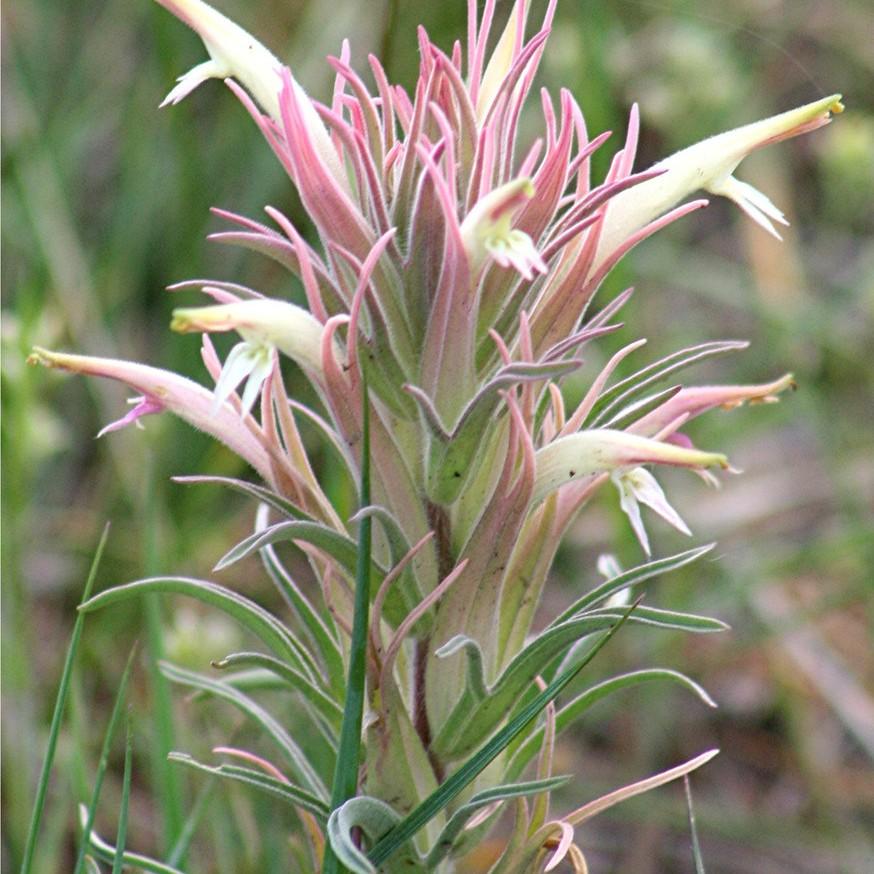
Downy Paintbrush
Castilleja sessiliflora
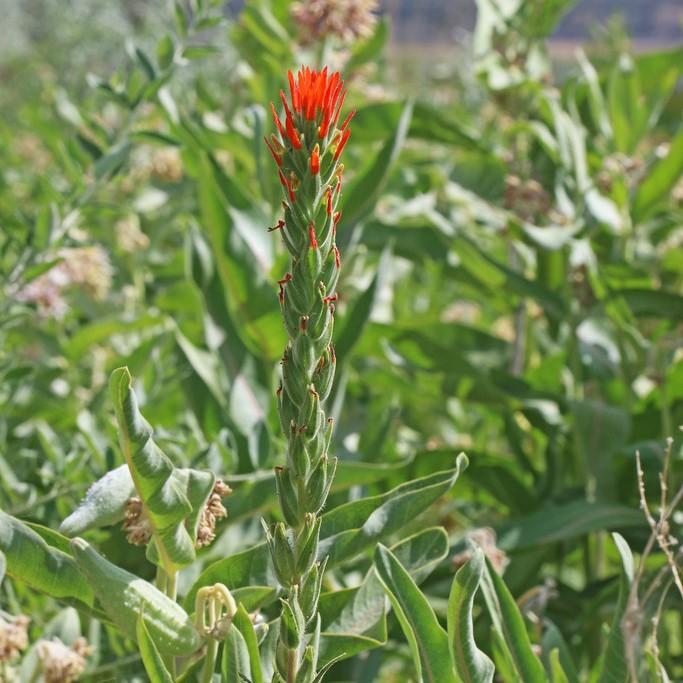
Annual Paintbrush
Castilleja indivisa
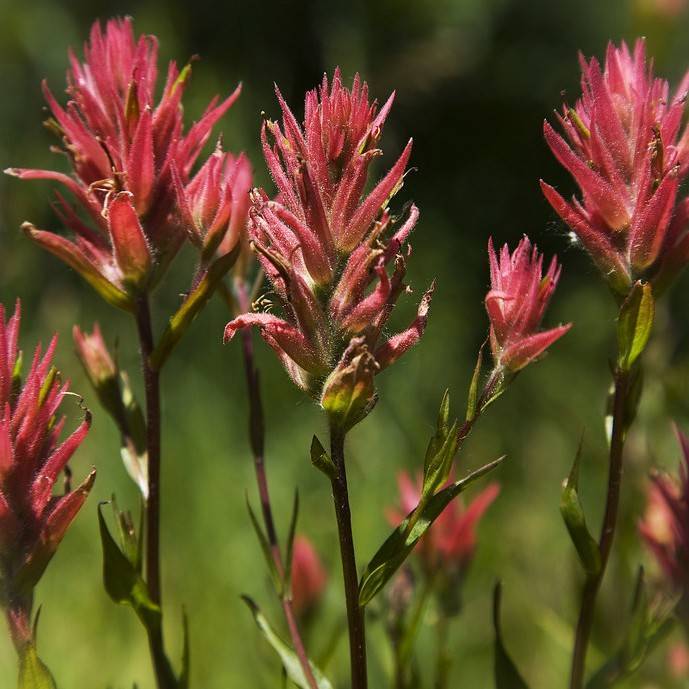
Elko Indian Paintbrush
Castilleja elkoensis
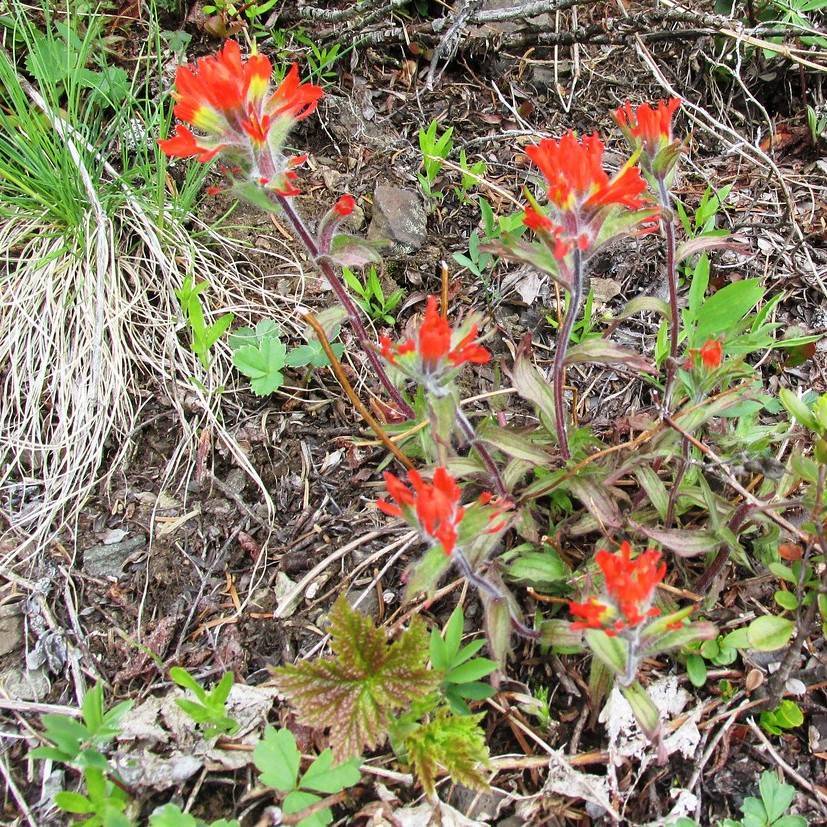
Harsh Paintbrush
Castilleja hispida
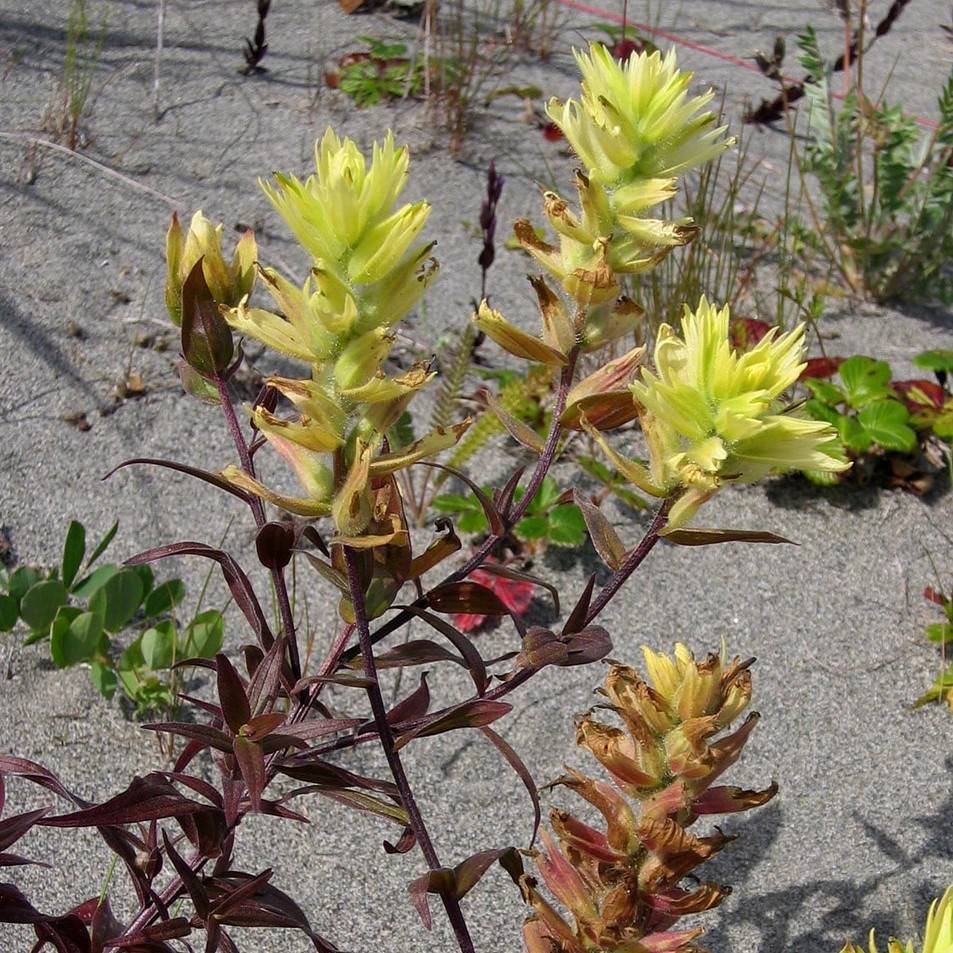
Alaska Indian Paintbrush
Castilleja unalaschcensis
%22%2F%3E%0A%20%20%20%20%20%20%3Ccircle%20cx%3D%22920%22%20cy%3D%22180%22%20r%3D%2290%22%20fill%3D%22%23cfe8d5%22%2F%3E%0A%20%20%20%20%20%20%3Cpath%20d%3D%22M600%20590c-90-180-215-255-310-280%200%20165%20118%20296%20270%20296h40z%22%20fill%3D%22%2379b88e%22%2F%3E%0A%20%20%20%20%20%20%3Cpath%20d%3D%22M600%20590c80-150%20198-212%20302-228-8%20142-123%20255-270%20255h-32z%22%20fill%3D%22%235c9f73%22%2F%3E%0A%20%20%20%20%20%20%3Cpath%20d%3D%22M600%20610V360%22%20stroke%3D%22%234f8c64%22%20stroke-width%3D%2218%22%20stroke-linecap%3D%22round%22%2F%3E%0A%20%20%20%20%20%20%3Ctext%20x%3D%22600%22%20y%3D%22700%22%20text-anchor%3D%22middle%22%20font-family%3D%22Arial%2C%20sans-serif%22%20font-size%3D%2244%22%20fill%3D%22%23365c45%22%3E%0A%20%20%20%20%20%20%20%20Plant%20image%20coming%20soon%0A%20%20%20%20%20%20%3C%2Ftext%3E%0A%20%20%20%20%3C%2Fsvg%3E%0A%20%20)
Fernald's Milk Vetch
Astragalus fernaldii
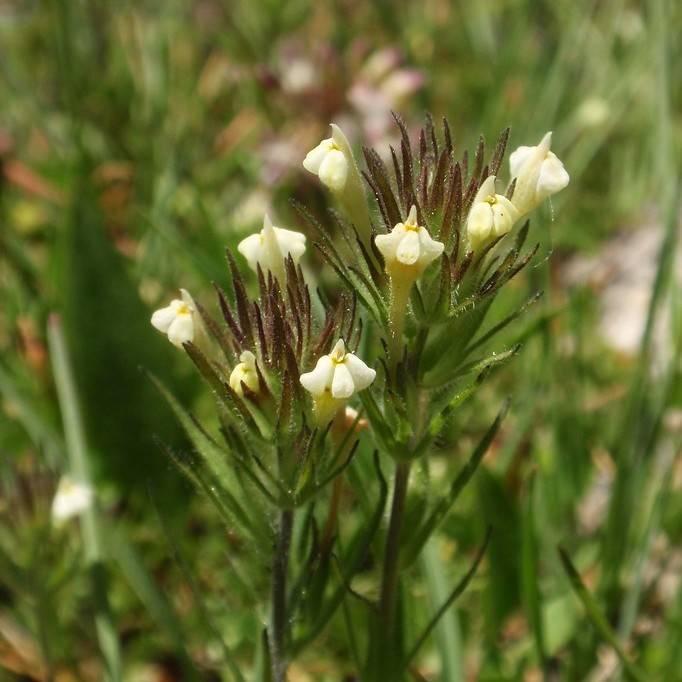
Hairy Owl's Clover
Castilleja tenuis
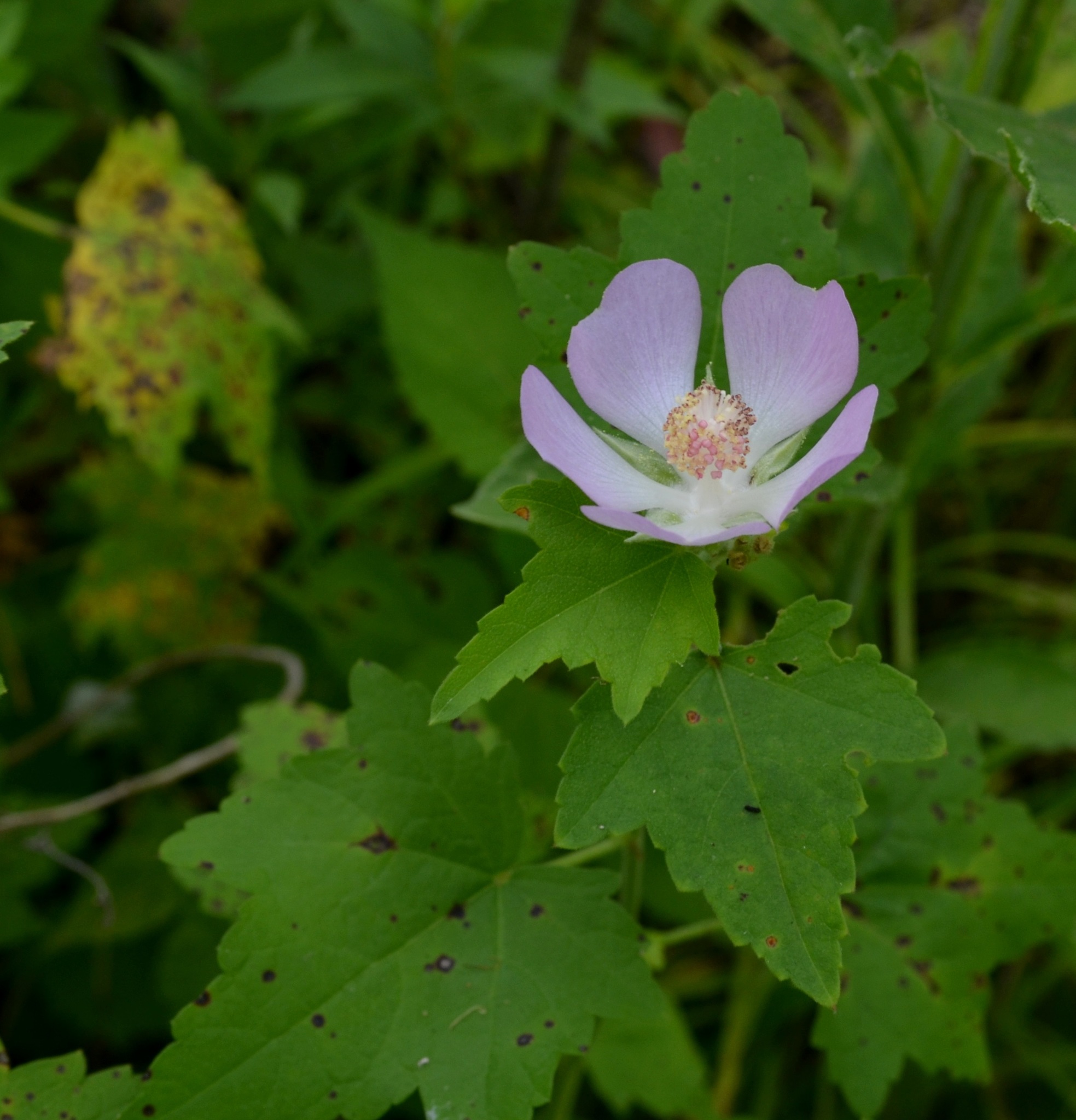
Kankakee Mallow
Iliamna remota