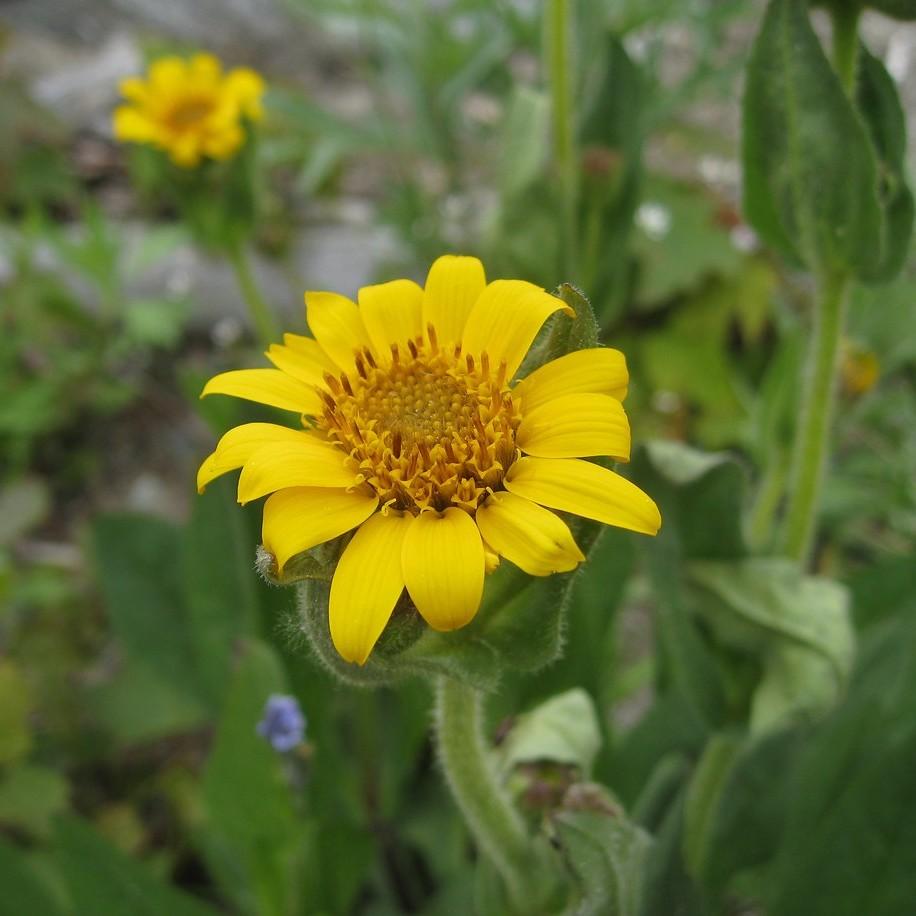
Carey's Balsamroot
Balsamorhiza careyana
Overview
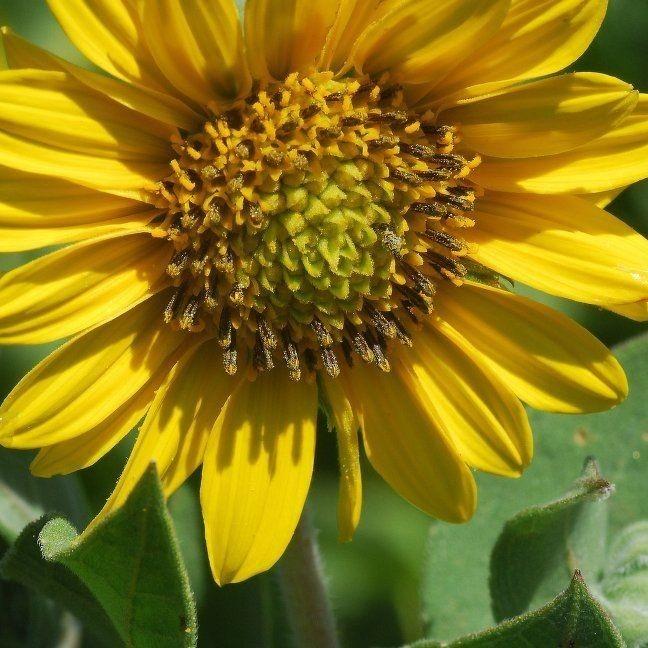
Carey's Balsamroot is a robust herbaceous perennial adapted to dry, open meadows, rocky slopes, and prairie habitats across the Pacific Northwest. It features large, fuzzy, silvery-green basal leaves and bright yellow composite flowers that bloom in late spring to early summer, drawing native pollinators including bumblebees and solitary bees. Its deep, thick taproot allows it to thrive in nutrient-poor, well-drained soils and withstand extended periods of summer drought, making it a hardy choice for xeriscape and native plant gardens.
Care Guide
Watering
Water newly planted Carey's Balsamroot regularly for the first growing season to help establish its deep taproot, keeping soil lightly moist but not waterlogged. Once established, it is extremely drought-tolerant, requiring only occasional supplemental water during extended periods of extreme heat and no water in fall or winter when dormant. Overwatering, especially in cool, wet conditions, is the most common cause of root rot and plant death.
Light
This species requires full, direct sun for at least 6 to 8 hours per day to produce abundant blooms and maintain healthy foliage. It will not thrive in partial or full shade, where it becomes leggy, produces few to no flowers, and is more susceptible to fungal diseases. Plant it in an unobstructed south or west-facing location in gardens to meet its light requirements.
Soil
Carey's Balsamroot prefers sharply drained, low to moderately fertile soil with a neutral to slightly alkaline pH, and it tolerates sandy, gravelly, or rocky soils that are typical of its native prairie and slope habitats. It will not survive in heavy, poorly drained clay soils that hold moisture for long periods, especially during its dormant winter phase. Amending heavy garden soil with coarse sand or gravel at planting time will improve drainage enough to support healthy growth.
Fertilizer
This plant is adapted to low-nutrient soils and requires very little supplemental fertilization, if any. A light application of low-nitrogen, slow-release fertilizer in early spring just as new growth emerges is sufficient for plants grown in extremely poor, sandy soils. Over-fertilization, especially with high-nitrogen products, will encourage excessive foliage growth at the expense of flowers and may weaken the plant's structure.
Temperature
It is cold-hardy to USDA zones 4 through 8, tolerating winter temperatures as low as -30°F (-34°C) when dormant. It thrives in warm summer temperatures up to 90°F (32°C) and is highly tolerant of heat and dry air typical of its native range. Extreme, prolonged heat above 100°F (38°C) may cause temporary foliage wilting, but plants will recover once temperatures cool without additional intervention.
Pruning
Prune spent flower stalks back to the base of the plant after blooming if you wish to prevent self-seeding and maintain a tidy appearance. Leave the basal foliage intact throughout the growing season, as it gathers energy for the following year's growth. Cut back dead foliage to the ground in late fall or early spring before new growth emerges to reduce habitat for overwintering pests.
Propagation
Carey's Balsamroot is most reliably propagated from seed, which requires a 30 to 60 day period of cold stratification to break dormancy before sowing. Sow seeds directly outdoors in fall, or start stratified seeds indoors in deep containers to avoid damaging the long taproot during transplanting. Division is not recommended, as the deep, fragile taproot rarely survives being dug and split, leading to high plant mortality.
Humidity
This species prefers low to moderate humidity levels between 30% and 50%, matching the dry conditions of its native prairie and slope habitats. It does not tolerate high humidity combined with wet soil, which increases the risk of fungal leaf spots and root rot. Good air circulation around plants is essential to prevent moisture-related disease issues in more humid growing regions.
Repotting
Carey's Balsamroot is rarely grown in containers, as its deep taproot requires very deep pots and does not respond well to root disturbance. If container-grown, repot only when the plant is severely root-bound, using a deep, wide pot and taking extreme care not to damage the taproot during the process. It is best planted directly in the ground in a permanent location to avoid the stress of repotting entirely.
Uses & Symbolism
Carey's Balsamroot is a popular choice for native plant gardens, xeriscapes, and pollinator habitats, providing a critical nectar source for native bees and supporting caterpillars of several butterfly and moth species. Indigenous peoples of the Pacific Northwest traditionally harvested its starchy taproot as a food source, eating it roasted or boiled, and used its leaves and roots for medicinal purposes to treat minor wounds and respiratory ailments. Its showy, long-lasting yellow flowers also make it a suitable cut flower for fresh arrangements.
Diseases & Pests
The most common disease issue for Carey's Balsamroot is root rot, caused by overwatering or poorly drained soil, especially during cool, wet dormant periods. Fungal leaf spots and powdery mildew may occur in humid conditions with poor air circulation, though these are rarely fatal if moisture levels are adjusted promptly. Common pests include aphids and spider mites, which can be controlled with a strong spray of water or insecticidal soap, and deer and elk may browse foliage in areas with high wildlife populations.
Related plants
Other plants you might like if you grow Carey's Balsamroot.