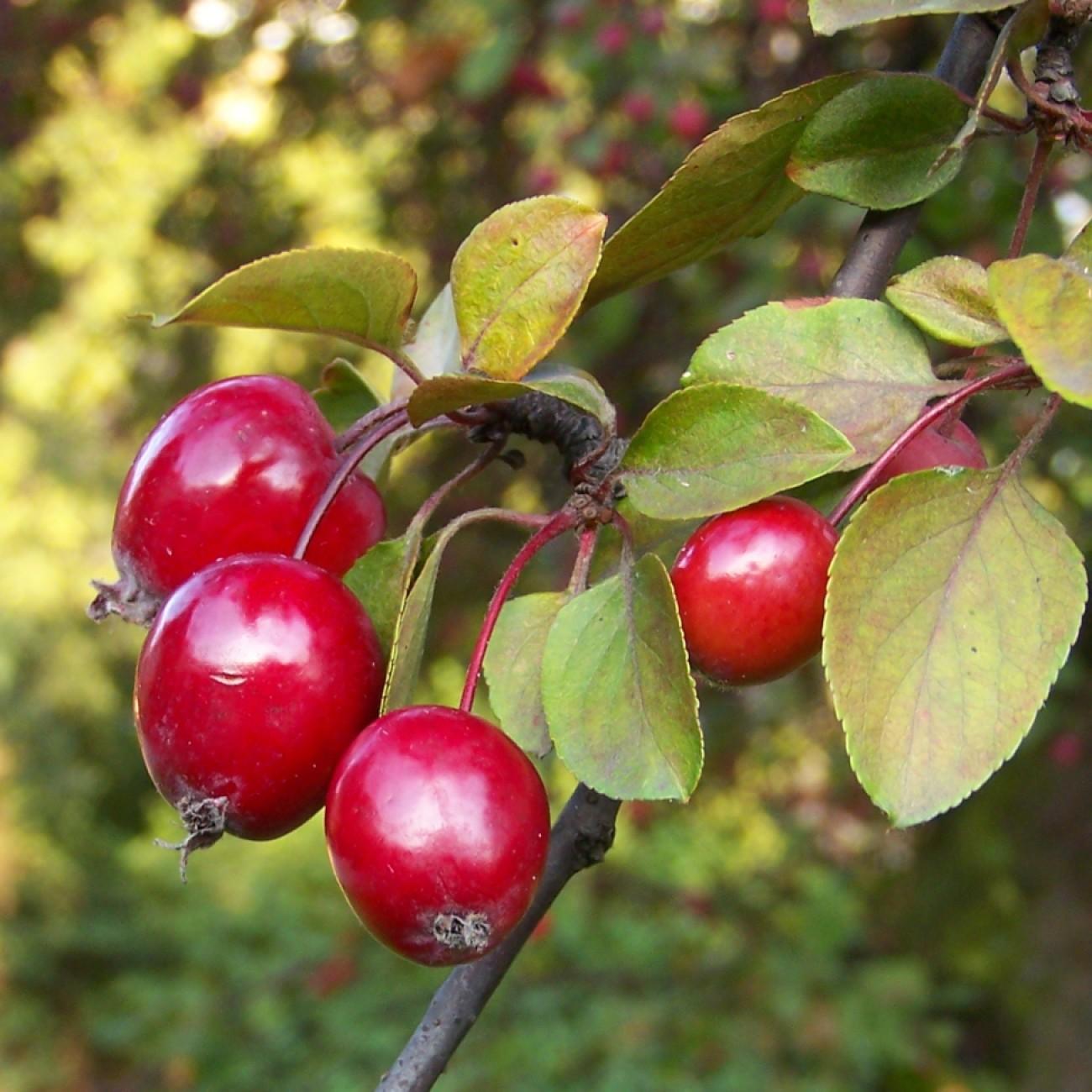
Japanese Crabapple
Malus floribunda
Overview
Japanese Crabapple is a widely cultivated ornamental tree celebrated for its prolific, fragrant spring blossoms that emerge deep pink before fading to pale pink and white, creating a dense, showy floral display. In autumn, it produces clusters of small, 0.5-inch yellow or red crabapples that persist into winter, providing food for native bird species. Its broad, rounded growth habit and vibrant green foliage that turns soft yellow in fall make it a versatile focal point for temperate residential and public landscapes.
Care Guide
Watering
Water newly planted Japanese Crabapples deeply once or twice weekly for the first two growing seasons to establish a robust root system, reducing frequency once established. Mature trees are moderately drought-tolerant, but benefit from supplemental watering during extended dry periods, particularly when fruit is developing, to prevent premature drop. Avoid overhead watering that saturates the foliage to reduce the risk of fungal disease development.
Light
Plant Japanese Crabapple in full sun, receiving a minimum of 6 hours of direct, unfiltered sunlight daily to support abundant flowering and healthy fruit production. Partial shade will reduce bloom density and increase susceptibility to fungal pathogens, so avoid planting in shaded locations or near tall structures that block consistent sunlight. In warmer southern climates, light afternoon shade can help prevent scorch of young foliage during extreme summer heat.
Soil
This adaptable tree thrives in well-drained, loamy soil with a slightly acidic to neutral pH range of 5.5 to 7.0, but tolerates a wide range of soil types including clay, sand, and alkaline soils as long as drainage is adequate. Avoid waterlogged, heavy soils that hold standing moisture, as this can lead to root rot and decline of the tree. Amending planting sites with compost or well-rotted organic matter improves soil structure and nutrient availability for young specimens.
Fertilizer
Apply a balanced, slow-release 10-10-10 fertilizer in early spring before new growth emerges, spreading it evenly over the root zone out to the dripline of the tree, avoiding direct contact with the trunk. Mature, well-established trees only require fertilization every 2 to 3 years, while younger, actively growing specimens may benefit from a light annual application to support steady growth. Avoid high-nitrogen fertilizers, which can promote excessive leaf growth at the expense of flowering and increase vulnerability to pest infestations.
Temperature
Japanese Crabapple is hardy in USDA zones 4 through 8, tolerating winter temperatures as low as -30°F (-34°C) and warm summer temperatures up to 90°F (32°C) when adequately watered. It requires a minimum of 500 to 800 hours of winter chill below 45°F (7°C) to break dormancy and produce consistent blooms the following spring. Extreme late spring frosts can damage emerging buds and blossoms, so avoid planting in low-lying frost pockets where cold air accumulates.
Pruning
Prune Japanese Crabapple during late winter dormancy before new buds swell, removing dead, diseased, crossing, or damaged branches to improve air circulation through the canopy and reduce disease risk. Thin out up to one-third of overcrowded inner branches each year to allow sunlight to penetrate to the interior of the tree, supporting more even bloom and fruit production. Avoid heavy pruning in summer, as this can stimulate tender new growth that is vulnerable to winter damage and fungal infection.
Propagation
Japanese Crabapple is most commonly propagated by grafting onto disease-resistant rootstocks to ensure consistent growth habit, flowering characteristics, and disease resistance, with grafting performed in late winter or early spring. It can also be grown from seed, but seeds require 3 to 4 months of cold stratification to germinate, and seed-grown specimens will not retain the exact traits of the parent plant. Softwood cuttings taken in early summer can root successfully when treated with rooting hormone and kept in a consistently moist, humid environment under indirect light.
Humidity
This tree prefers moderate humidity levels between 40% and 70%, which is typical of its native temperate East Asian habitat. High humidity combined with poor air circulation increases the risk of common fungal diseases such as apple scab, powdery mildew, and fire blight, so proper pruning to open the canopy is essential in more humid regions. It tolerates low humidity levels common in drier temperate climates without adverse effects, as long as soil moisture is maintained.
Repotting
Japanese Crabapple is rarely grown in containers long-term, but young saplings may be kept in large pots for 1 to 2 years before permanent landscape planting. Repot container-grown specimens every 1 to 2 years in early spring before new growth emerges, using a well-drained, loamy potting mix and selecting a pot 2 to 3 inches larger in diameter than the current container. Once trees reach 6 feet tall or more, they should be transplanted to a permanent landscape location for long-term health, as container growth will stunt their development.
Uses & Symbolism
Japanese Crabapple is a highly popular ornamental landscape tree used as a focal point, specimen planting, or privacy screen in residential yards, parks, and public gardens, valued for its multi-season interest. Its persistent small fruit provides an important winter food source for native bird species including finches, sparrows, and cedar waxwings, making it a common addition to wildlife and pollinator gardens. The dense, hard wood is occasionally used for small woodworking projects, and the tart fruit can be cooked and processed into jellies, jams, and preserves when fully ripe.
Diseases & Pests
Japanese Crabapple is moderately resistant to many common apple diseases, but is susceptible to apple scab, a fungal infection that causes dark spots on leaves and fruit and premature leaf drop, particularly in humid, wet conditions. It may also be affected by powdery mildew, fire blight, and cedar-apple rust, which can be mitigated by planting in full sun, pruning for air circulation, and applying preventative fungicides in early spring if needed. Common pests include aphids, spider mites, Japanese beetles, and apple maggot, which can be controlled with horticultural oils, insecticidal soaps, or targeted insecticides when infestations are severe.
Related plants
Other plants you might like if you grow Japanese Crabapple.
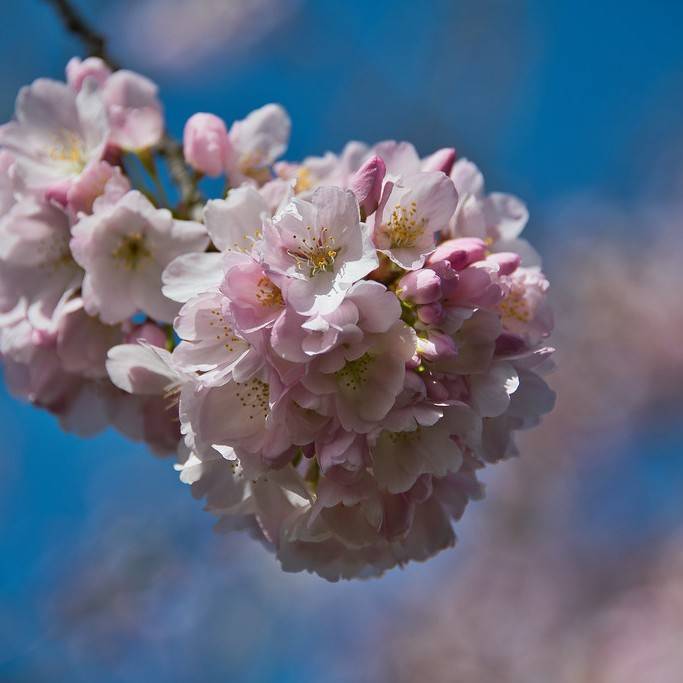
Flowering Cherry
Prunus serrulata
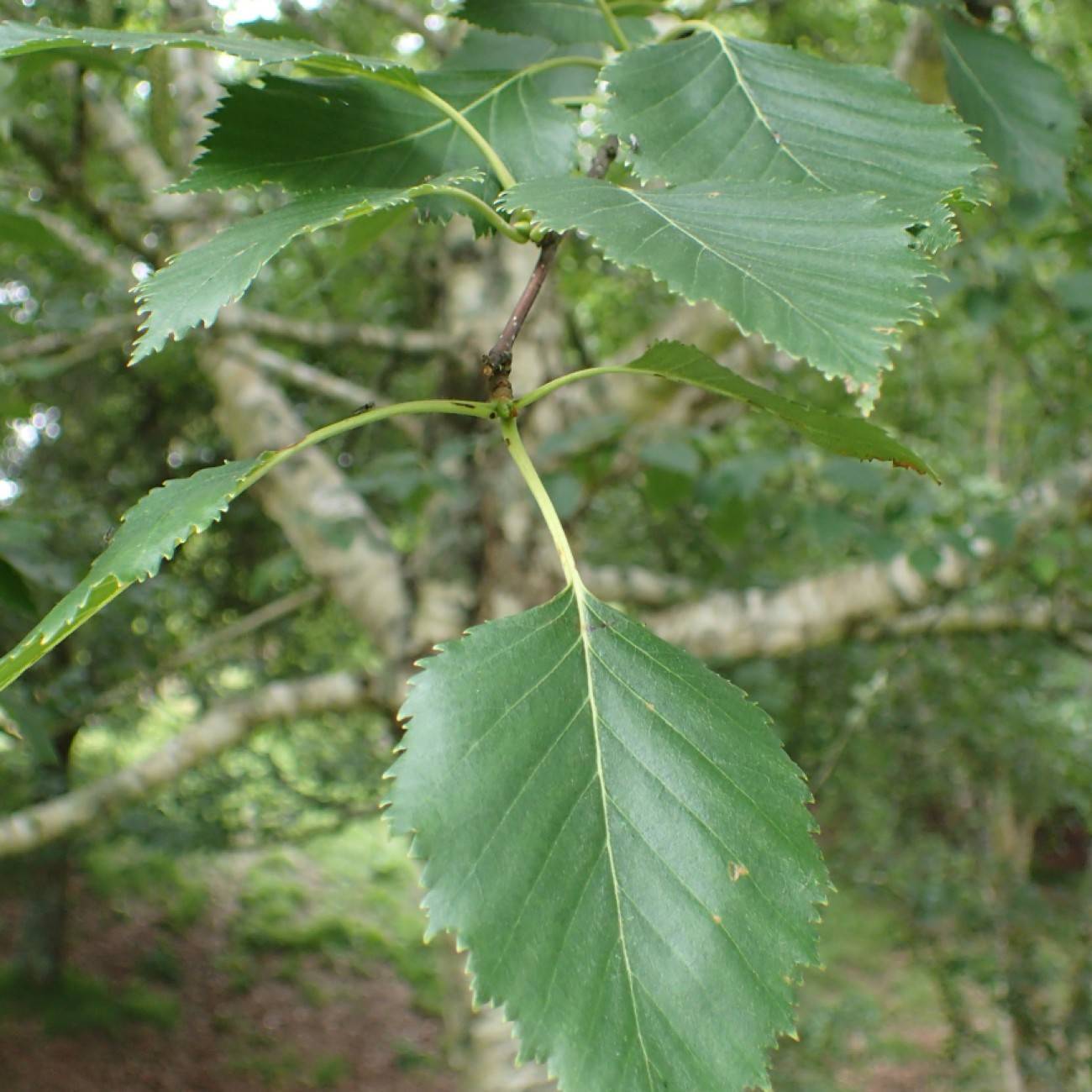
Kenai Birch
Betula neoalaskana
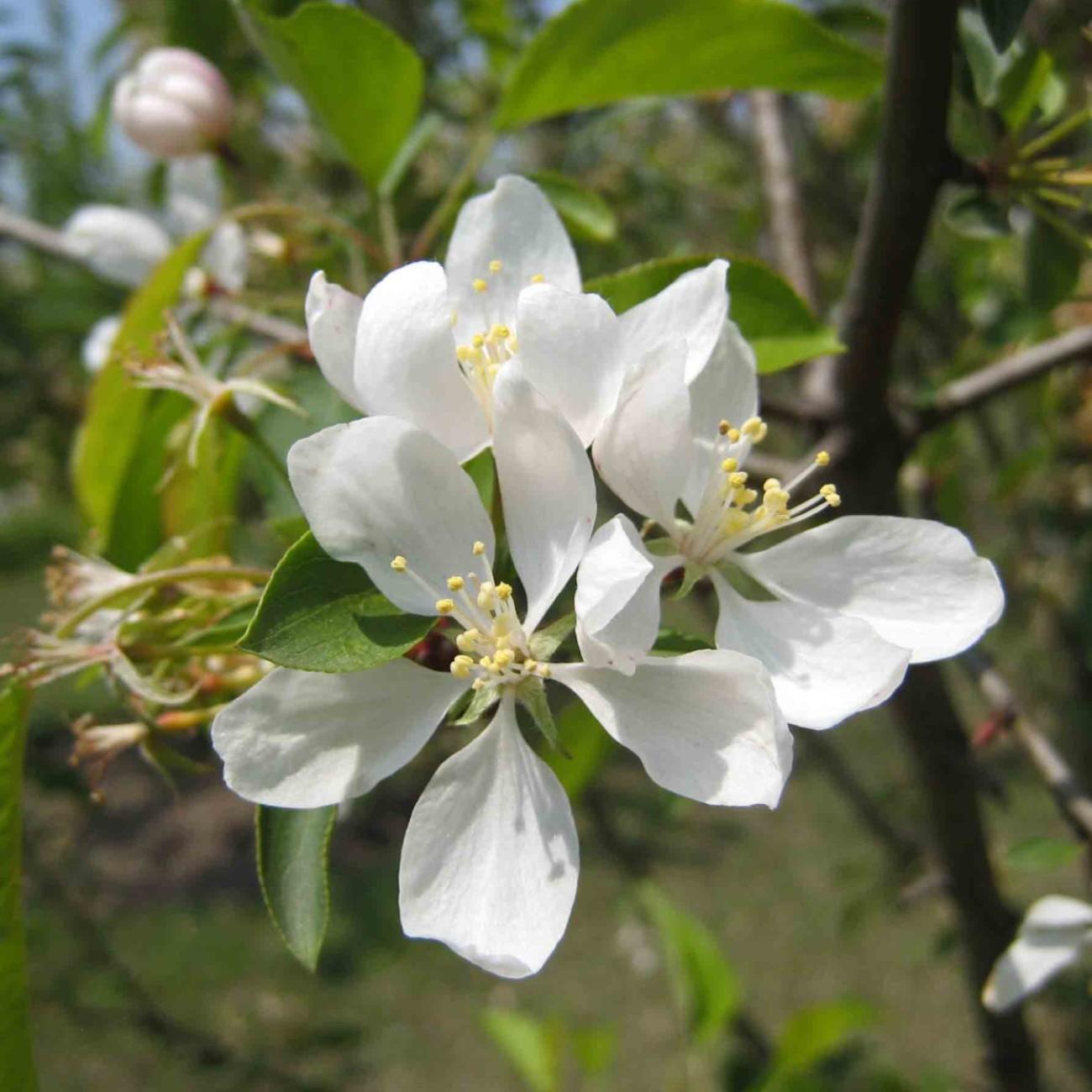
Crabapple
Malus sylvestris, Malus coronaria, and hybrid Malus cultivars
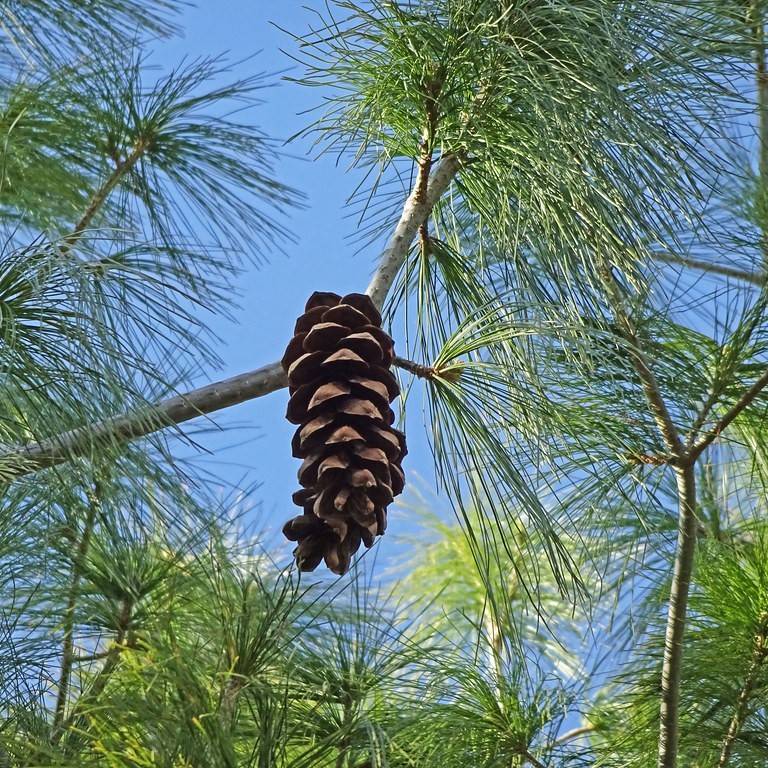
Himalayan Pine
Pinus wallichiana
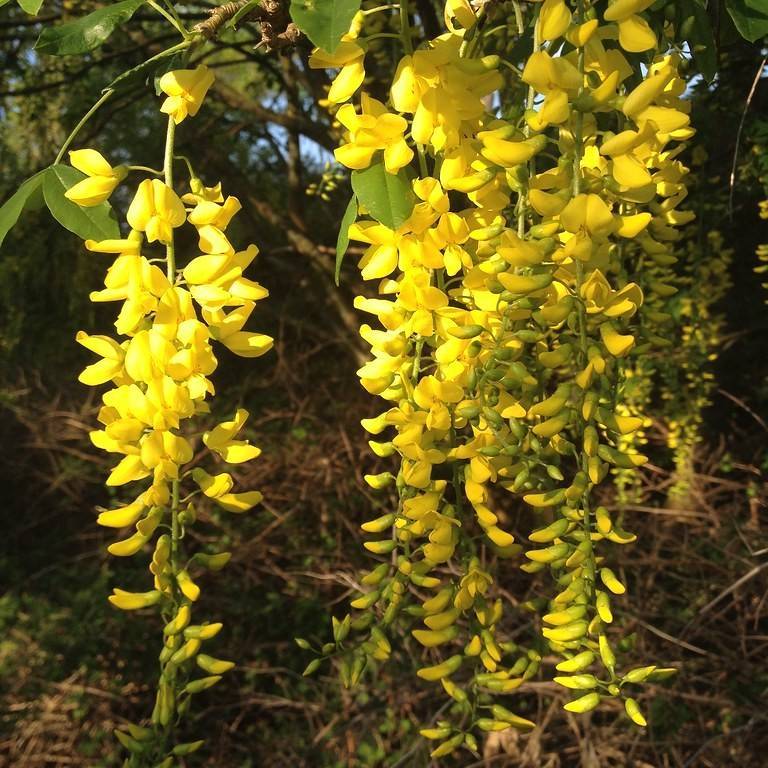
Common Laburnum
Laburnum anagyroides
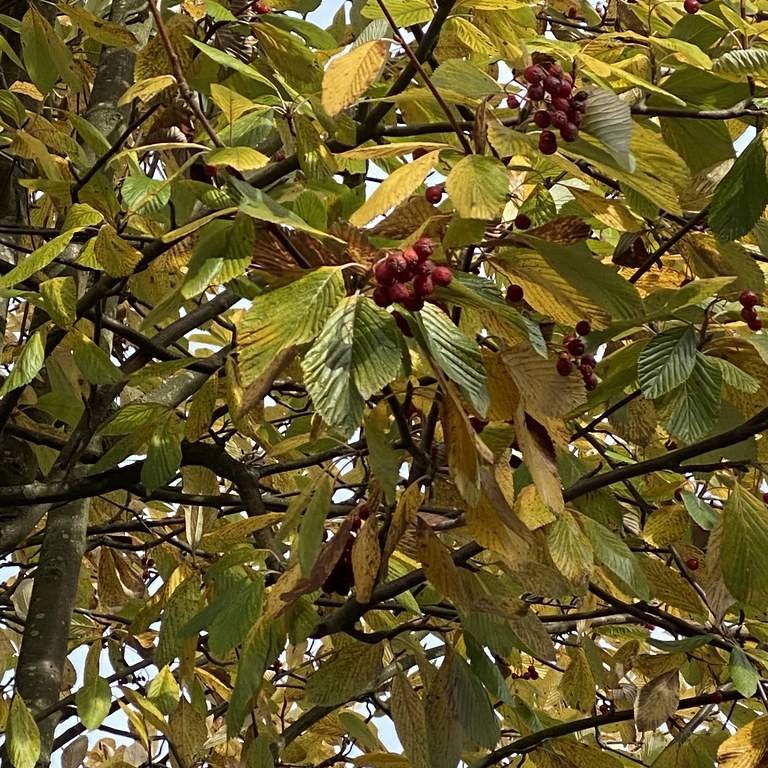
Japanese Flowering Cherry
Prunus serrulata
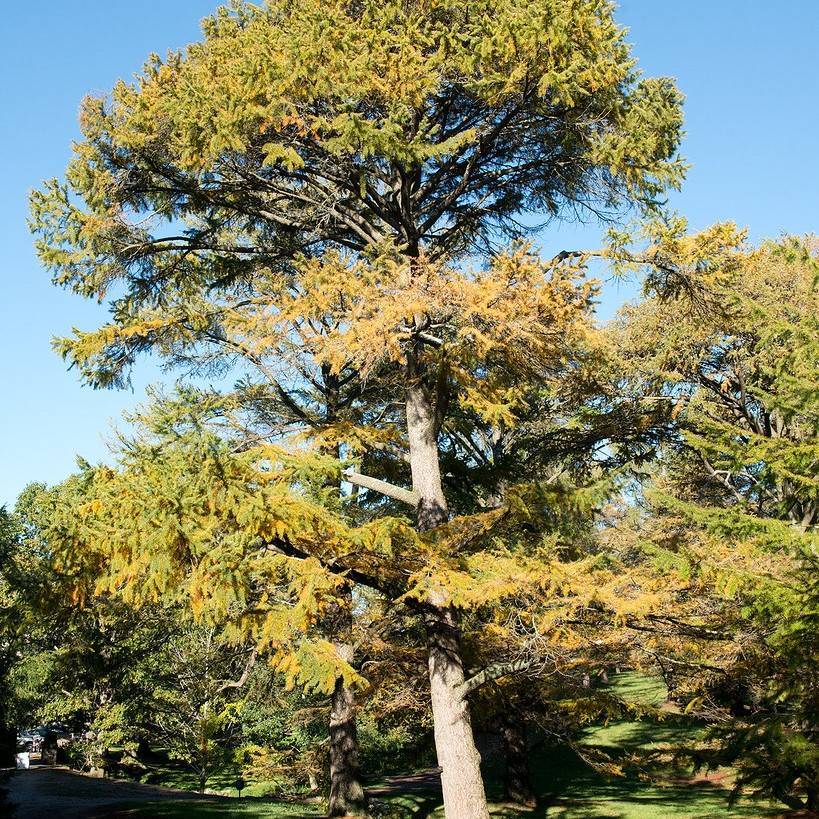
Golden Larch
Pseudolarix amabilis
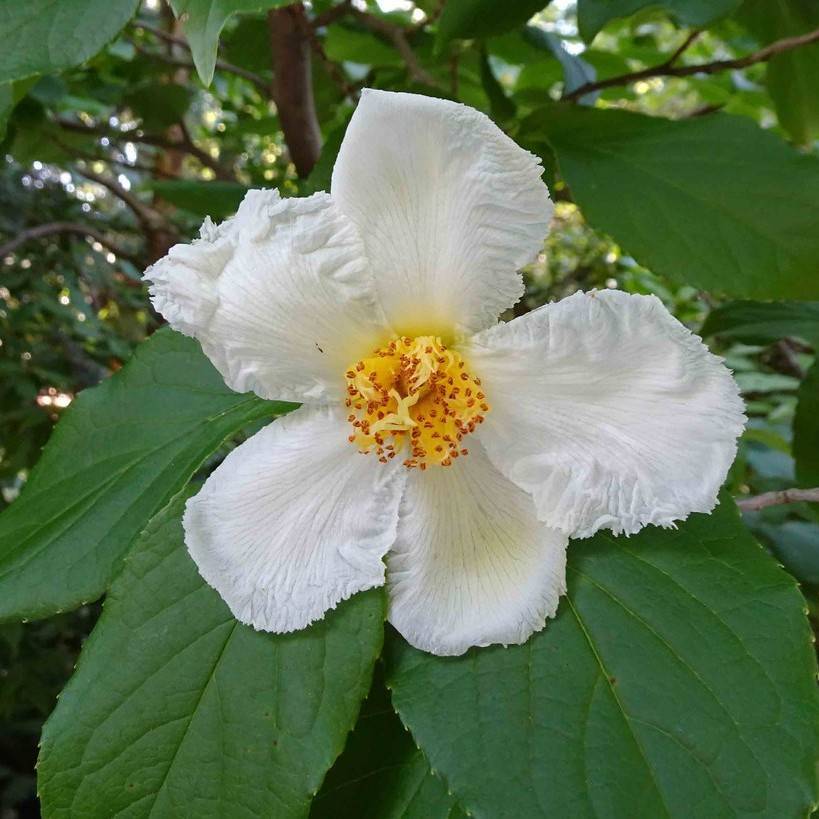
Japanese Stewartia
Stewartia pseudocamellia