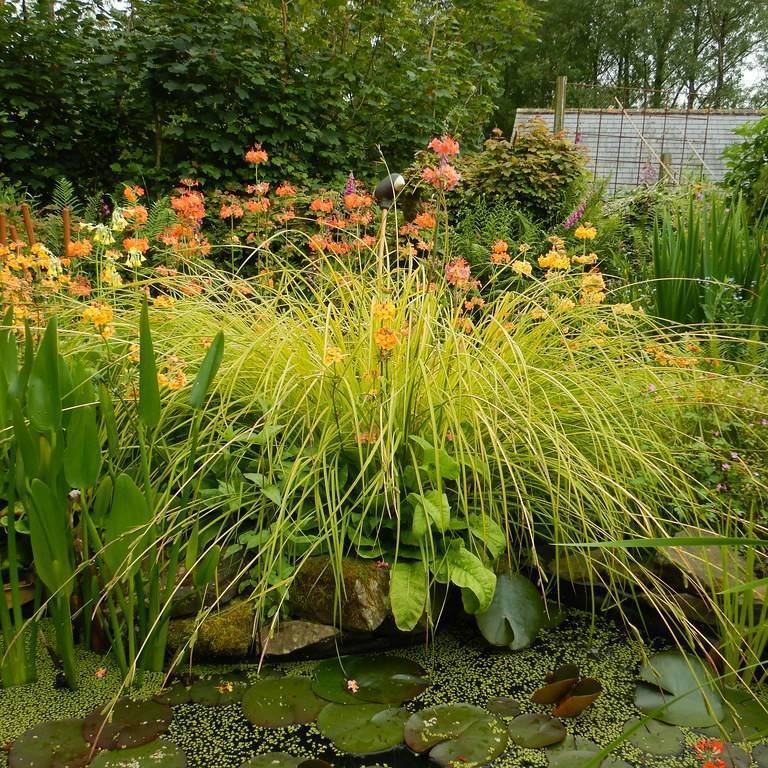
Golden Fruit Sedge
Carex aurea
Overview
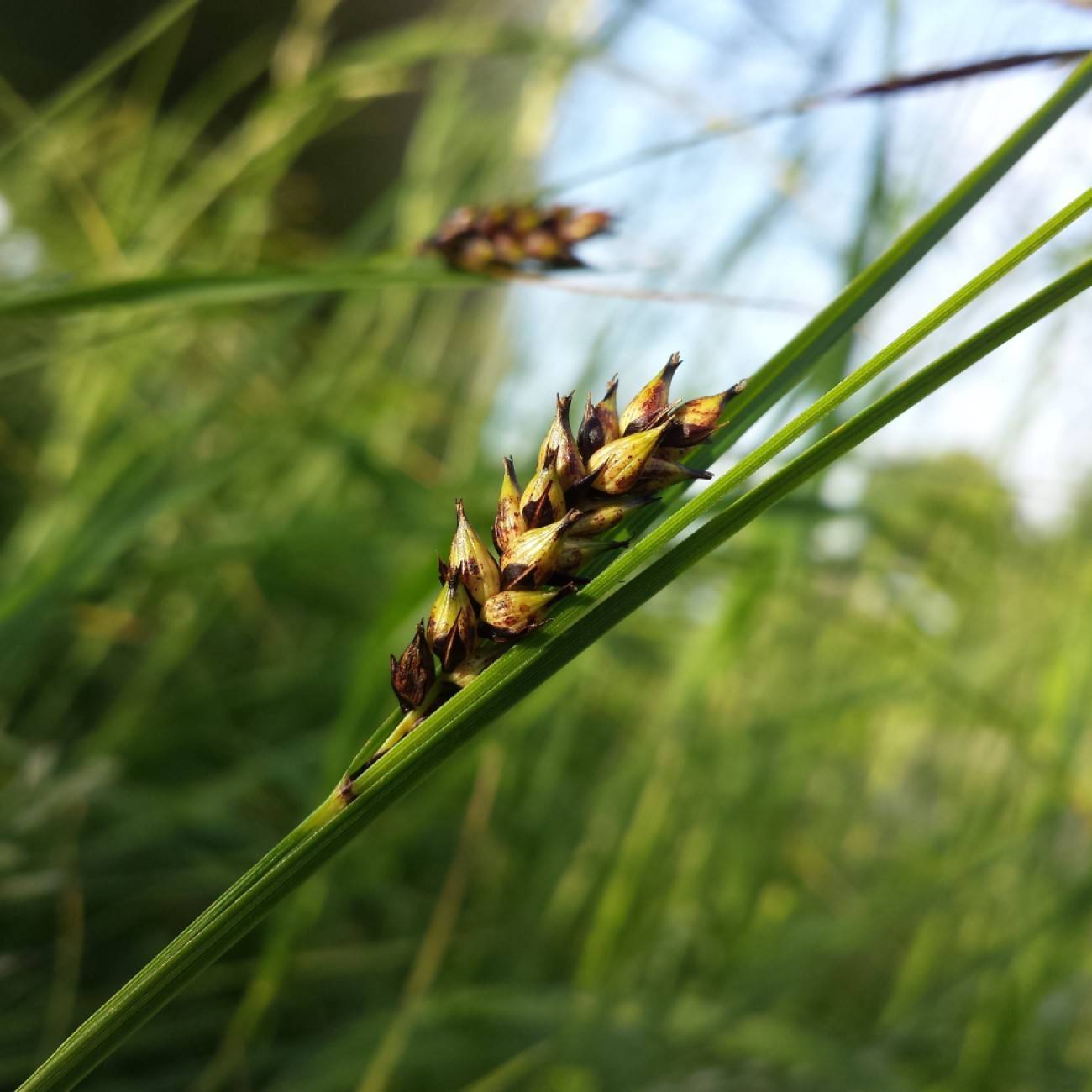
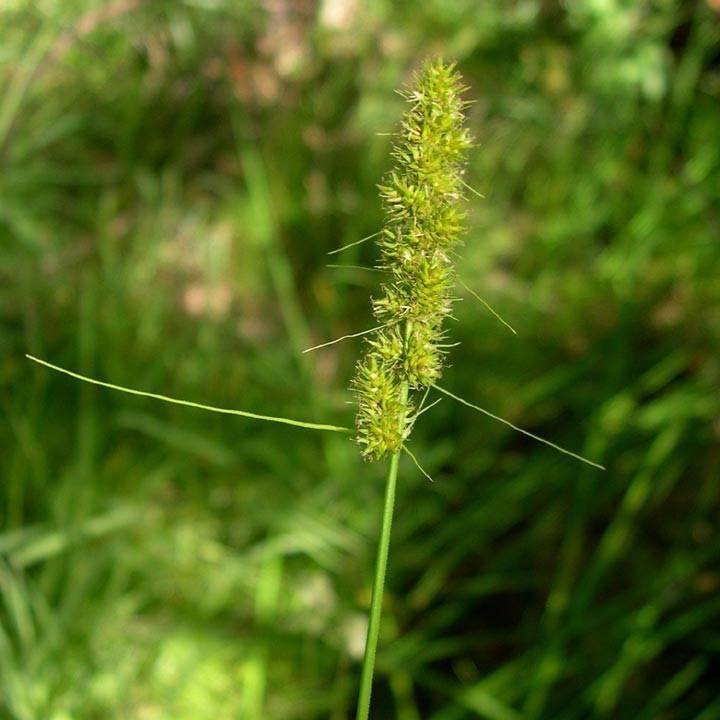
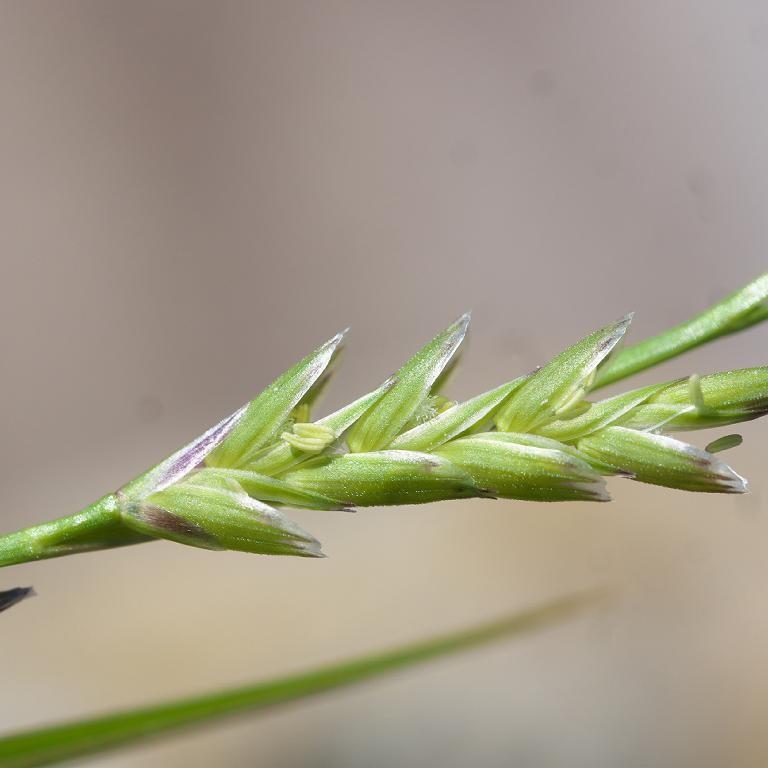
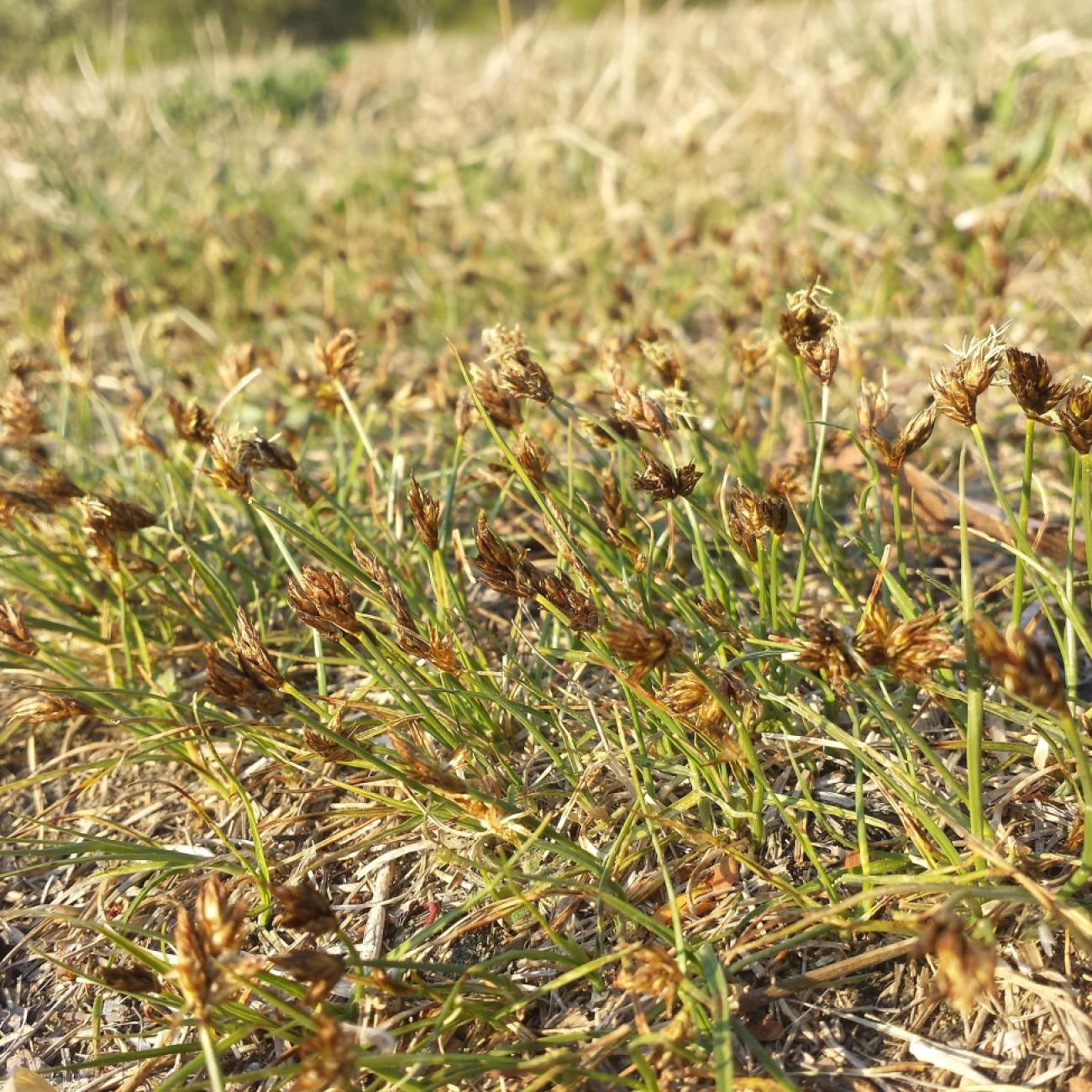
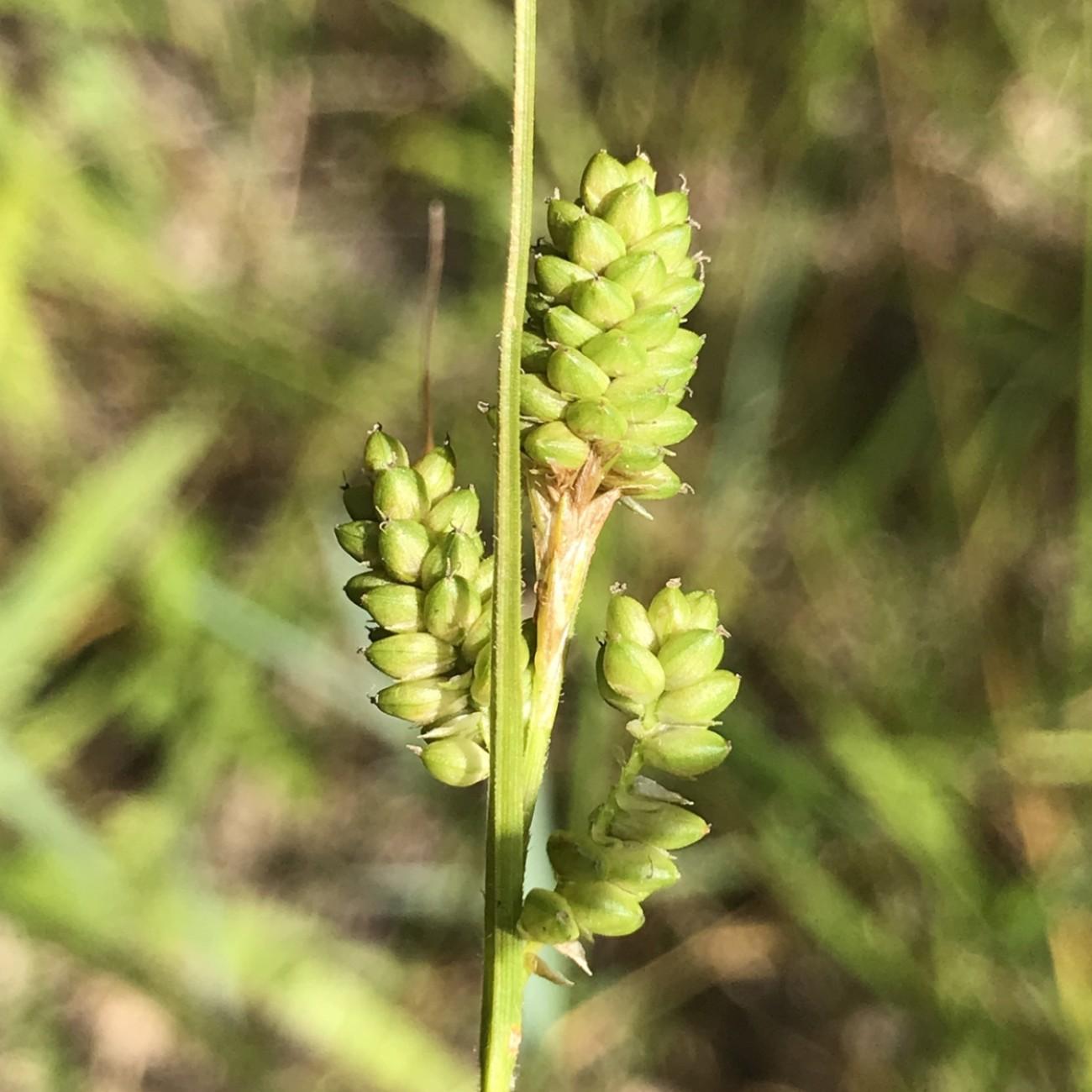
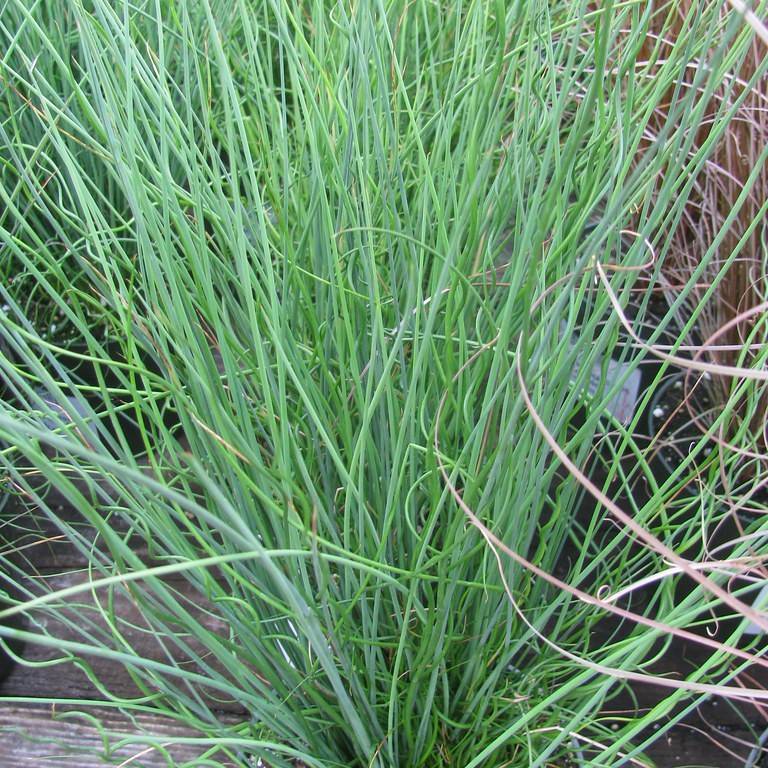
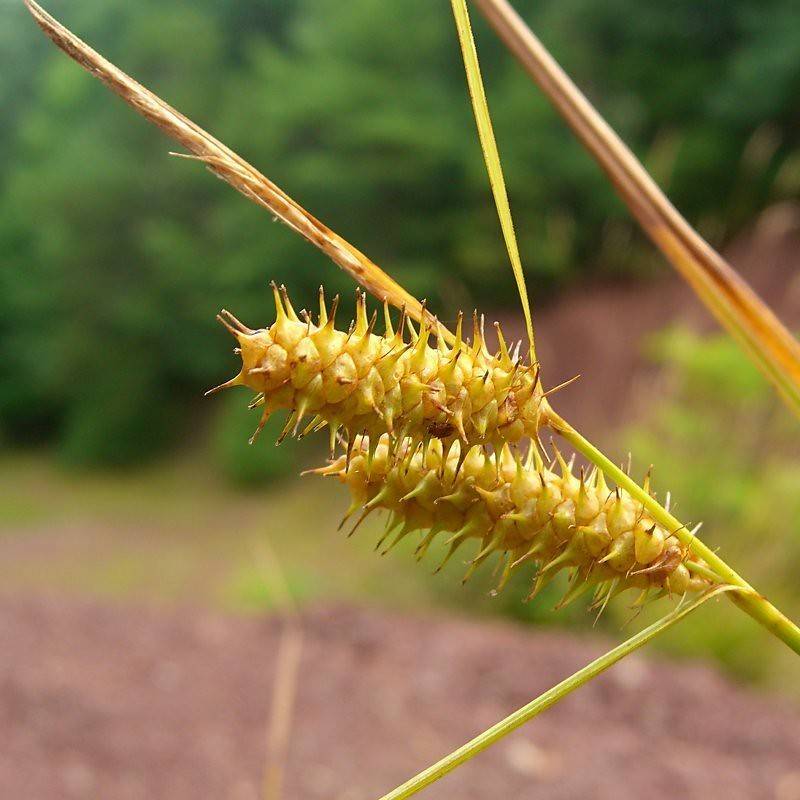
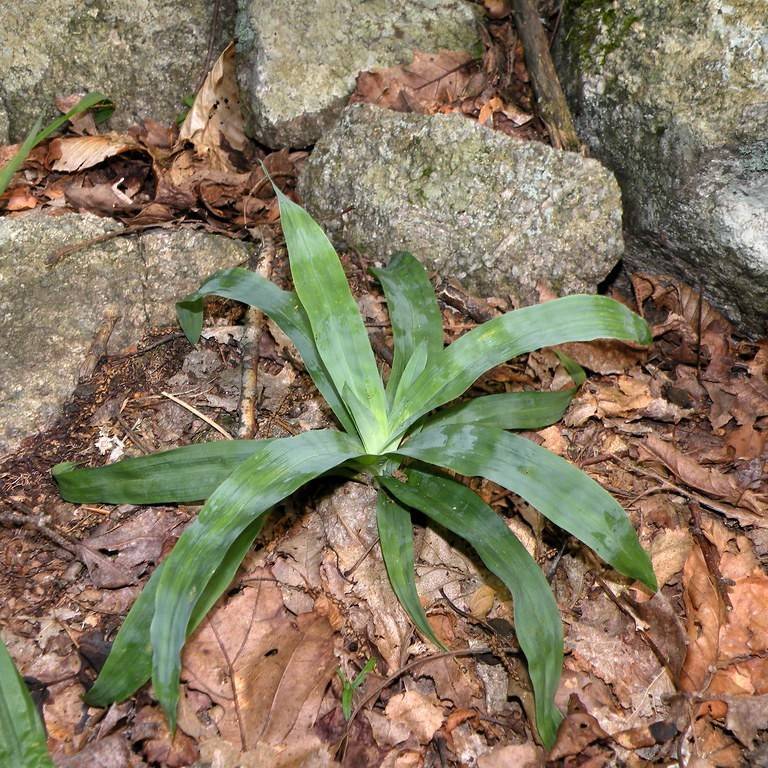
Golden fruit sedge is a herbaceous perennial sedge native to North American marshes, wet meadows, and riparian zones, forming dense, low-growing clumps of narrow, arching green foliage. It produces distinctive small, rounded, golden-yellow seed heads in late spring to early summer that stand slightly above the foliage, adding subtle ornamental contrast to moisture-rich landscapes. This species is highly adaptable to saturated soils, making it a popular choice for rain gardens, bioswales, and pond edge plantings, while also providing valuable food and cover for native waterfowl and pollinators.
Care Guide
Watering
Golden fruit sedge requires consistently moist to wet soil, and can tolerate periodic shallow flooding up to 2 inches (5 cm) deep for extended periods. Never allow the root zone to dry out completely; water deeply and frequently during hot, dry periods to maintain saturated or very damp soil conditions. Potted specimens should be placed in a tray of standing water that is refilled regularly to sustain constant moisture.
Light
This sedge thrives in full sun to partial shade, performing best with at least 4 hours of direct sunlight daily to encourage robust foliage growth and abundant golden seed head production. In regions with intense summer heat, provide dappled afternoon shade to prevent leaf scorch and reduce moisture loss from the soil. It can tolerate full shade, though growth will be sparser and seed head production may be reduced significantly.
Soil
Golden fruit sedge prefers rich, loamy, poorly drained to saturated soils with a neutral to slightly acidic pH range of 5.5 to 7.2. It adapts well to heavy clay soils, sandy loams, and mucky wetland soils as long as consistent moisture is present. Avoid fast-draining, sandy soils that cannot retain sufficient moisture to support its high water requirements.
Fertilizer
Fertilize sparingly in early spring just as new growth emerges, using a balanced, slow-release 10-10-10 fertilizer applied at half the recommended rate to avoid overstimulating soft, vulnerable growth. Excess fertilizer can lead to floppy foliage and reduce the plant’s natural tolerance to saturated soil conditions, so additional feedings are rarely needed for in-ground specimens. Potted plants may benefit from a second light feeding in mid-summer if foliage appears pale or growth is stunted.
Temperature
Golden fruit sedge is highly cold-hardy, suitable for USDA zones 3 through 8, tolerating winter temperatures as low as -40°F (-40°C) without protective mulch in its native range. It thrives in summer temperatures between 60°F and 80°F (15°C to 27°C), though it can tolerate short periods of higher heat as long as soil moisture remains abundant. Prolonged exposure to temperatures above 90°F (32°C) may cause leaf tip browning if the root zone is allowed to dry out.
Pruning
Prune back dead, brown foliage to ground level in late winter or early spring before new growth emerges to keep clumps tidy and encourage fresh, vibrant leaf production. Remove spent seed heads in mid-summer if you wish to prevent self-seeding, though the golden seed heads can be left in place for ornamental interest through the fall months. Thin out overcrowded clumps every 3 to 4 years during division to maintain good air circulation and reduce the risk of fungal disease.
Propagation
Golden fruit sedge is most easily propagated by division in early spring just as new growth begins, splitting mature clumps into smaller sections with a sharp spade and replanting each section at the same depth it was previously growing. It can also be grown from seed, which should be sown in moist, cold stratification for 60 to 90 days before planting to break dormancy, with germination typically occurring within 4 to 6 weeks of sowing in warm, damp conditions. Self-sown seedlings often appear around established plants in suitable wet growing conditions, and can be transplanted easily to new locations in early spring.
Humidity
This wetland native prefers moderate to high humidity levels between 50% and 80%, which is naturally sustained in its preferred moist growing environments. In dry indoor or arid outdoor settings, mist foliage regularly or place potted specimens on a pebble tray filled with water to raise ambient humidity around the plant. Low humidity can cause leaf tip browning and slow growth, even if soil moisture levels are kept consistently high.
Repotting
Potted golden fruit sedge should be repotted every 2 to 3 years in early spring, moving to a slightly larger pot with fresh, loamy, moisture-retentive potting mix amended with compost to boost nutrient content. Ensure the pot has drainage holes, though it is beneficial to place the pot in a permanent tray of standing water to maintain the constant saturated conditions the plant prefers. When repotting, gently loosen bound roots and remove any dead or rotting root material to support healthy new growth.
Uses & Symbolism
Golden fruit sedge is widely used in native landscaping for rain gardens, bioswales, pond edges, and wet meadow restorations, where its dense root system helps stabilize soil and filter stormwater runoff. Its bright golden seed heads and fine foliage add subtle ornamental texture to water features and shaded moist garden beds, and it is often planted in pollinator gardens to provide food and cover for native bees, butterflies, and seed-eating birds. It is also grown as a low-maintenance houseplant for bright, humid spaces such as bathroom windowsills, where it tolerates occasional overwatering well.
Diseases & Pests
Golden fruit sedge is relatively disease-resistant, though it may develop fungal leaf spots or rust in poorly ventilated, overly humid conditions with stagnant air around dense foliage. Common pests include aphids and spider mites, which may infest stressed plants growing in too-dry conditions, and can be controlled with insecticidal soap or a strong stream of water to dislodge the pests. Root rot may occur if the plant is grown in poorly saturated soil that is allowed to dry out and re-saturate repeatedly, though it tolerates constant flooding far better than most ornamental plants.
Related plants
Other plants you might like if you grow Golden Fruit Sedge.