Bear Sedge
Carex arctata
Overview
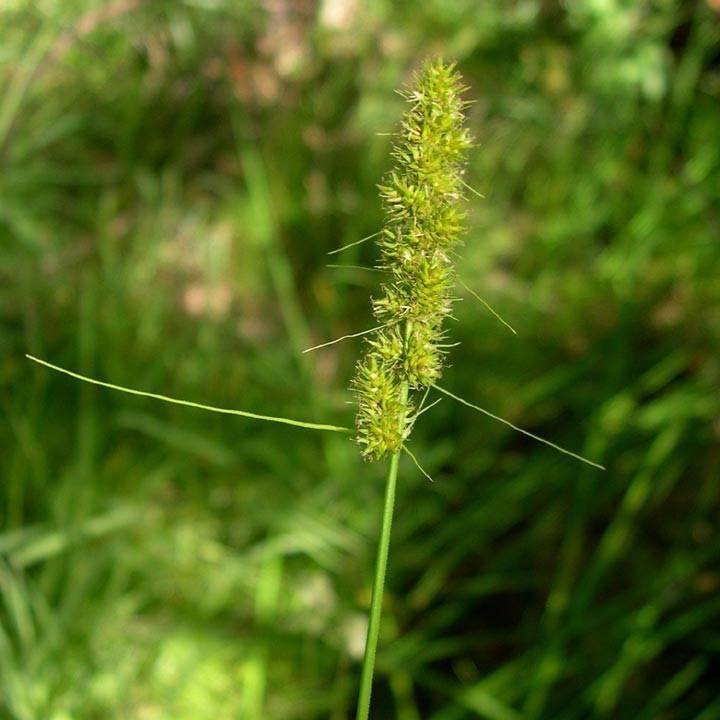
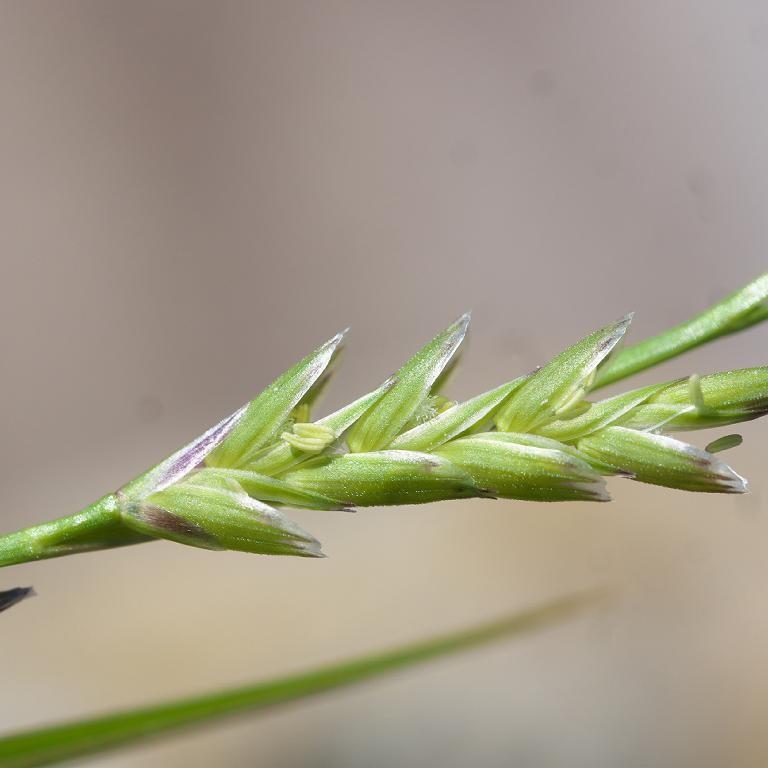
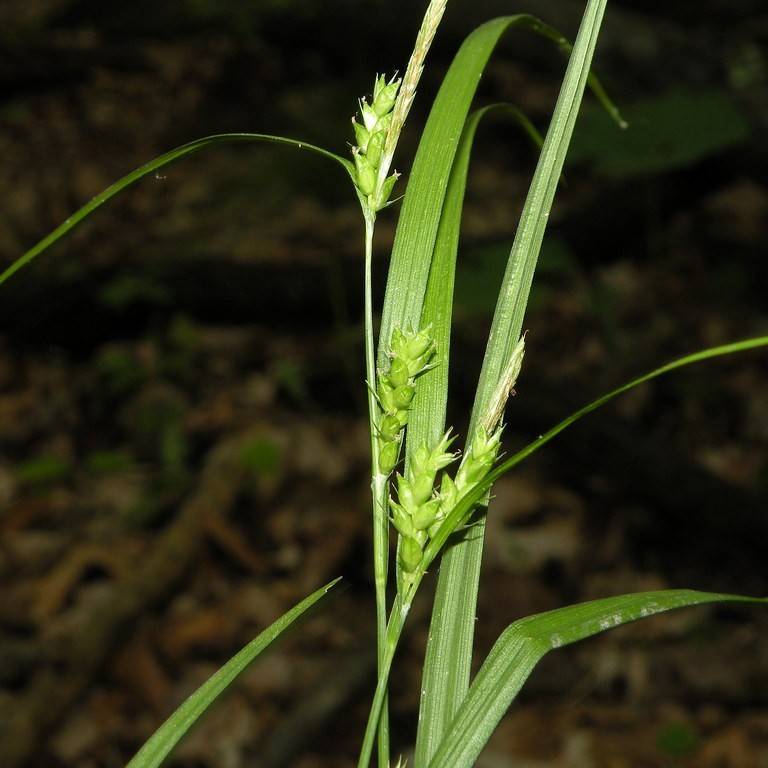
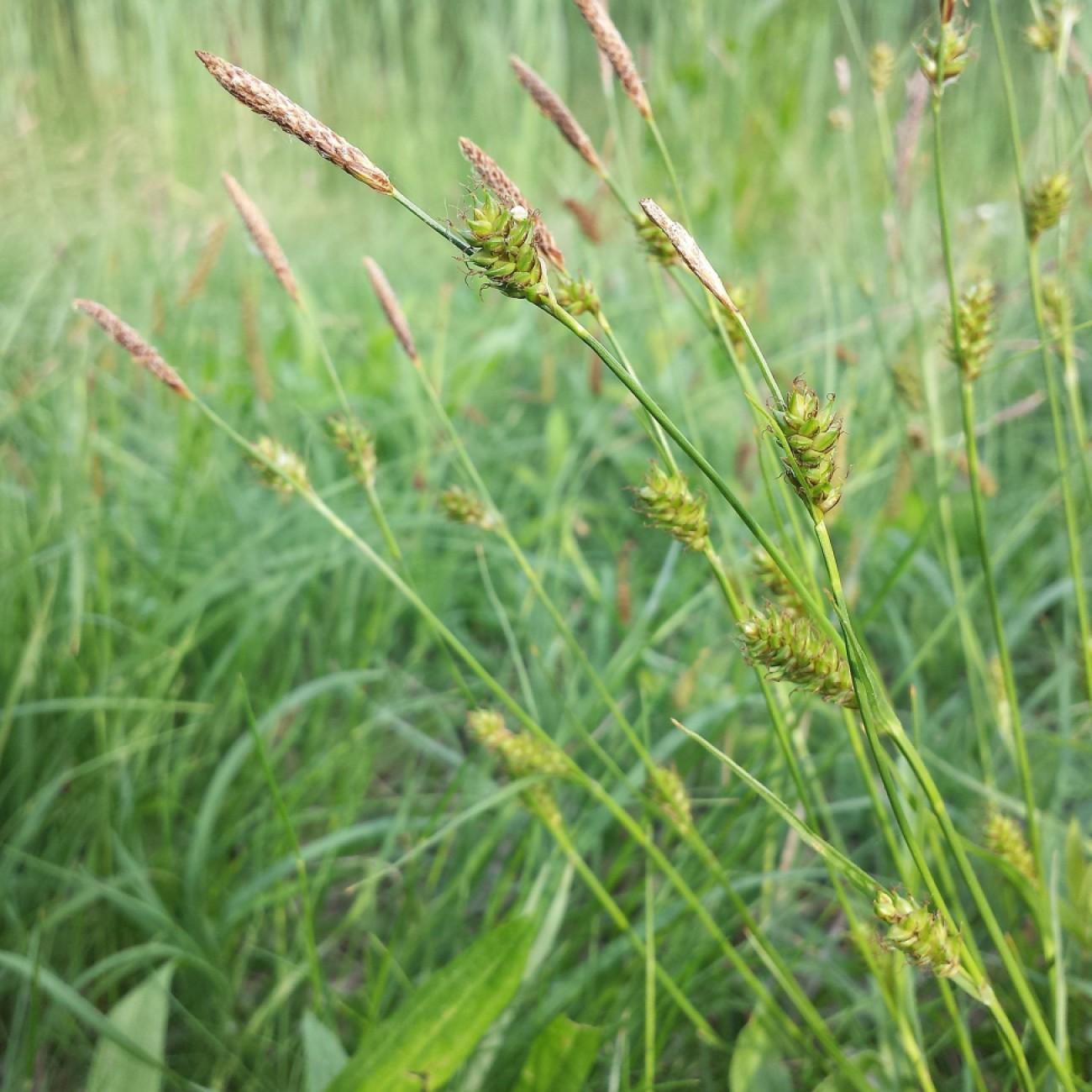
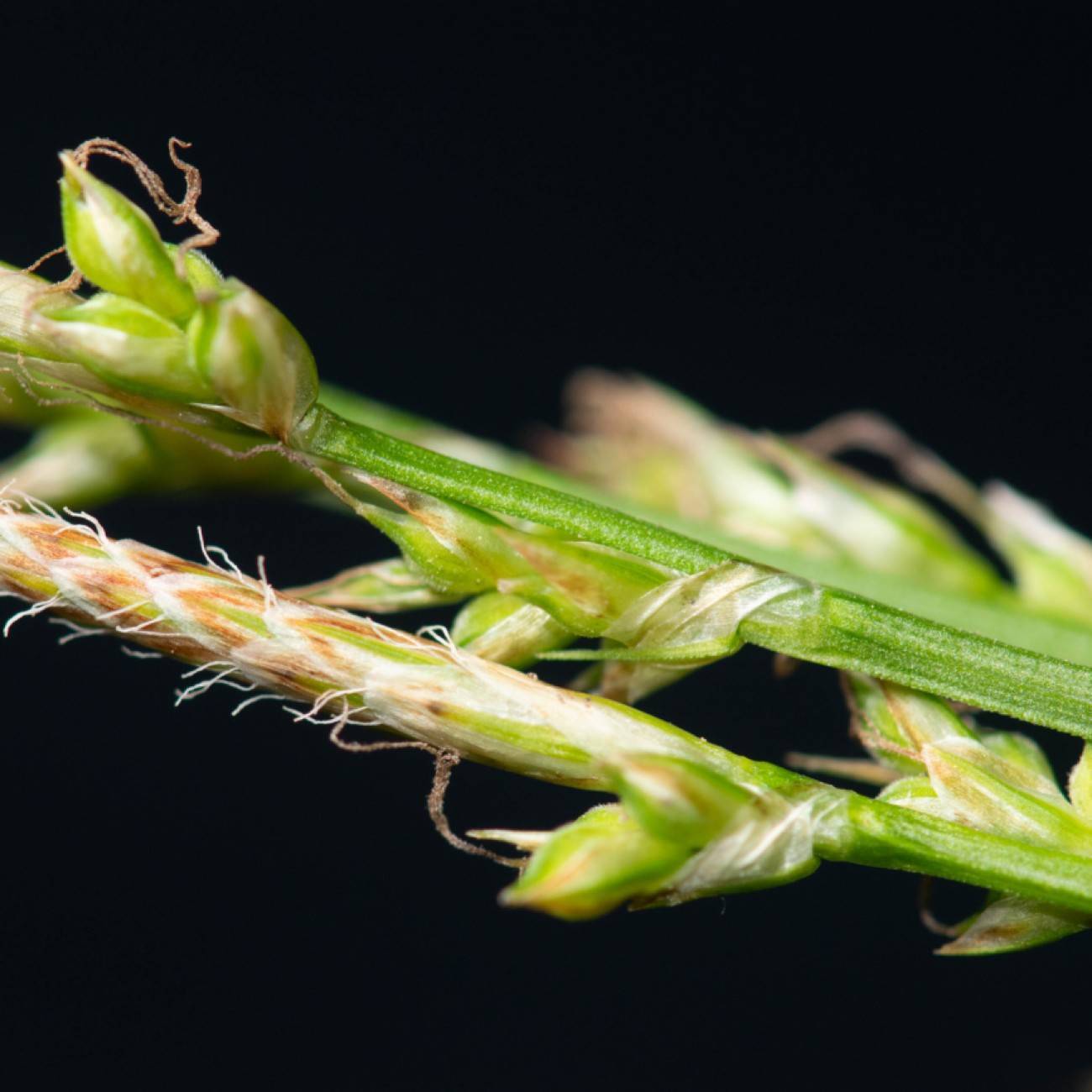
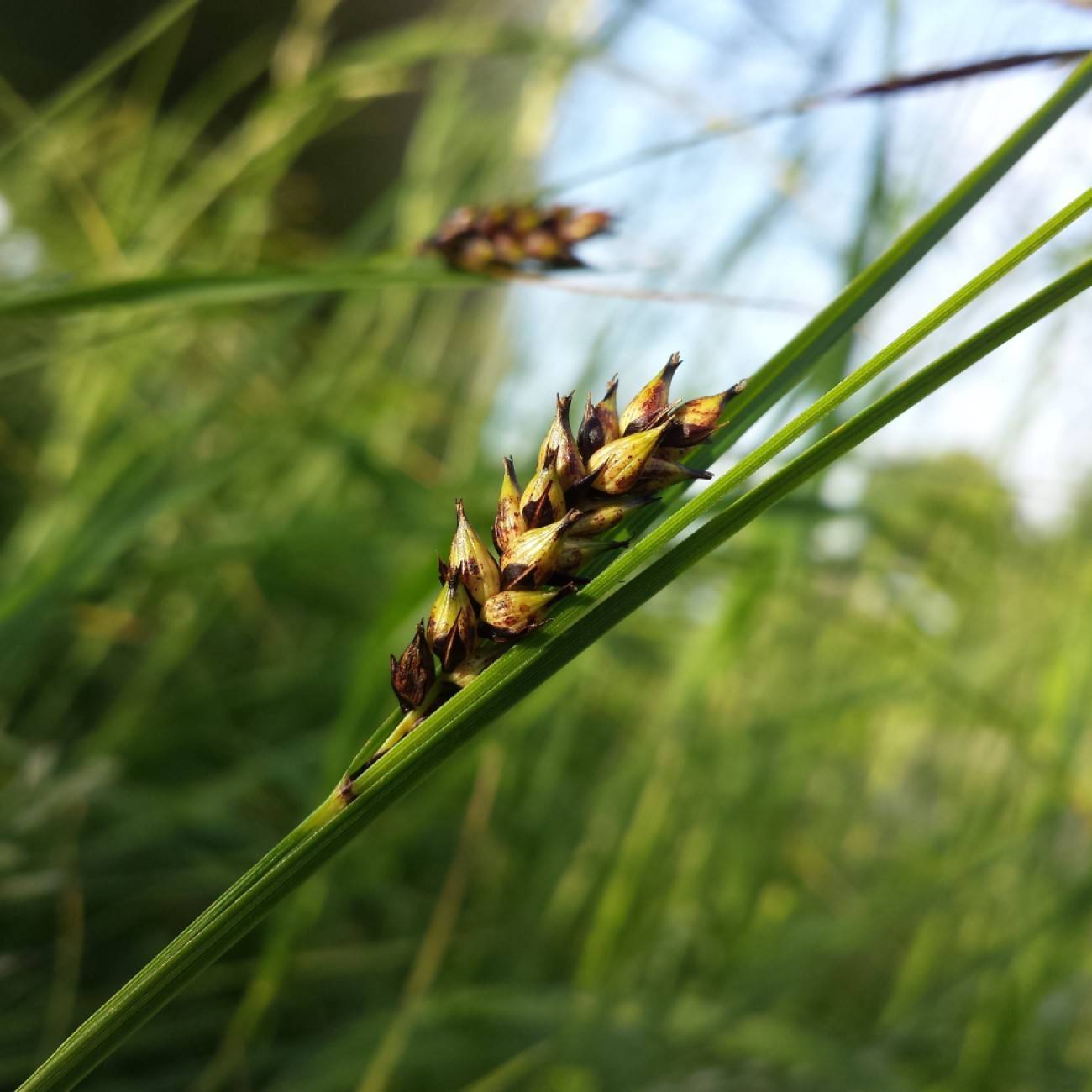
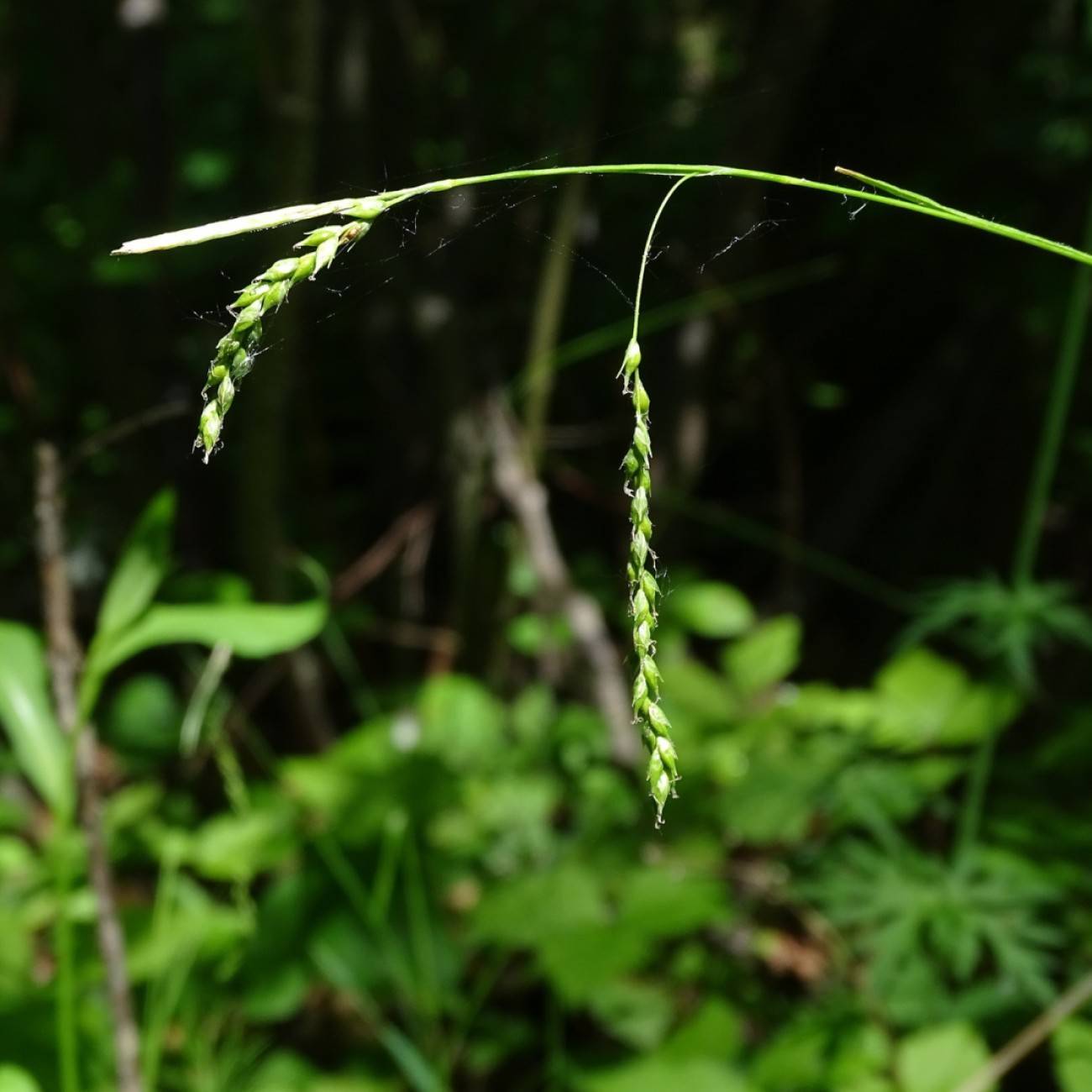
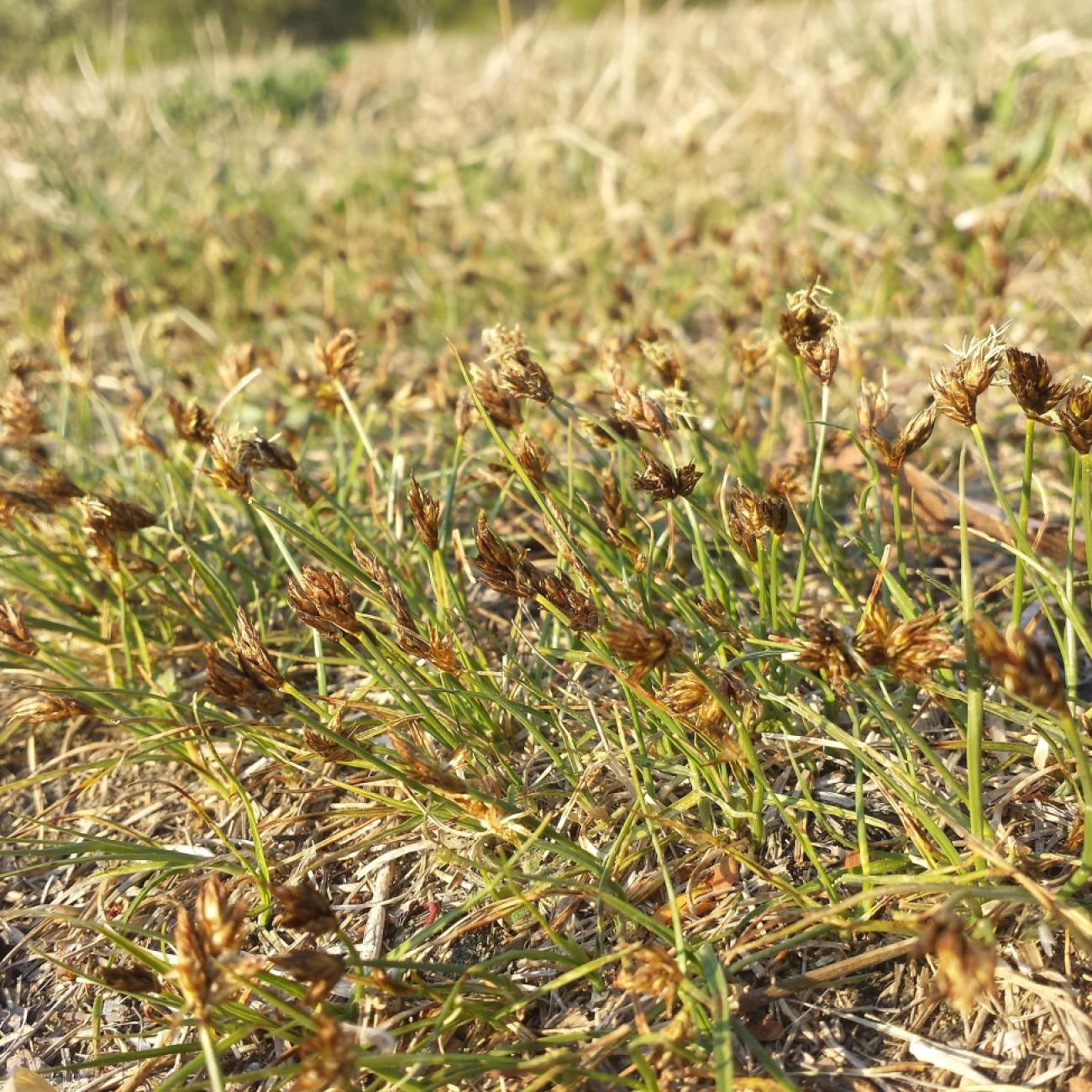
Bear sedge is a rhizomatous, clump-forming sedge that produces narrow, deep green, arching leaves that create soft, fountain-like mounds in shaded habitats. It blooms in late spring, producing subtle, drooping brown spikelets that are wind-pollinated, with female flowers forming small, triangular nutlets that mature by mid-summer. Adapted to cool, moist forest understories, it spreads slowly via shallow rhizomes to form dense, low groundcover that suppresses weed growth without becoming aggressive.
Care Guide
Watering
Bear sedge prefers consistently moist, well-drained soil and tolerates occasional short dry spells once established, though prolonged drought will cause leaf browning and dormancy. Water regularly during the first growing season to establish a deep root system, reducing frequency in subsequent years except during extended dry periods. Avoid overwatering in heavy, poorly drained soils, as this can lead to root rot in poorly aerated conditions.
Light
Thrives in partial to full shade, making it ideal for dense woodland gardens, north-facing slopes, and shaded landscape areas where most turf grasses fail to grow. It can tolerate dappled morning sun, but prolonged direct afternoon sun will scorch foliage and reduce overall plant vigor, especially in warmer parts of its range.
Soil
Adaptable to a wide range of soil types, including sandy loam, silty loam, and rocky forest soils, as long as they are high in organic matter and have good drainage. It prefers a slightly acidic to neutral pH between 5.5 and 7.0, and benefits from a top dressing of leaf mold or compost in early spring to mimic its natural forest floor habitat. It tolerates occasional seasonal flooding, making it suitable for rain garden edges and low-lying shaded areas.
Fertilizer
Bear sedge has low nutrient needs and typically does not require regular fertilization if grown in soil amended with organic matter. Over-fertilization will encourage excessive, floppy growth and reduce the plant’s natural clumping habit, so apply a balanced, slow-release 10-10-10 fertilizer at half the recommended rate only if foliage appears pale or growth is stunted in poor soils. For established plantings, an annual top dressing of compost is sufficient to maintain healthy growth.
Temperature
Cool-season plant that thrives in USDA hardiness zones 3 through 7, tolerating winter temperatures as low as -40°F (-40°C) without protection. It goes dormant in late fall, with foliage dying back to the ground after the first hard frost, and new growth emerges in very early spring, before most deciduous trees leaf out. It struggles in hot, humid conditions above 90°F (32°C) for extended periods, so providing extra shade and moisture in warmer parts of its range will help reduce heat stress.
Pruning
Minimal pruning is required for bear sedge; simply cut back dead foliage to the ground in late winter or very early spring before new growth emerges to keep the clump looking tidy. Remove any brown or damaged leaves during the growing season as needed, though avoid cutting back more than one-third of the foliage at once to prevent stressing the plant. If clumps become too large or spread beyond their desired area, divide them in early spring rather than pruning heavily to reduce size.
Propagation
Most commonly propagated by division in early spring just as new growth emerges, or in early fall, by digging up mature clumps and separating them into smaller sections with intact rhizomes and root systems, replanting immediately at the same depth they were growing. It can also be grown from seed, which requires a 60-day cold stratification period to break dormancy, sown in containers in late fall or early spring and kept moist until germination occurs in 2-3 weeks. Seed-grown plants take 2-3 years to reach mature clumping size, while divided plants establish quickly and fill out within one growing season.
Humidity
Tolerates a wide range of humidity levels, from the moderate humidity of northern forests to the higher humidity of southern Appalachian woodlands, with no specific humidity requirements when grown in appropriate light and soil conditions. It does not suffer from low humidity in indoor or dry garden settings as long as soil moisture is maintained, though very dry air combined with direct sun will cause leaf tip browning. Average outdoor humidity levels across its native range are sufficient for healthy growth, so no supplemental misting is needed.
Repotting
Bear sedge is rarely grown in containers, but if potted for shaded patio use, repot every 2-3 years in early spring before new growth emerges, using a well-drained, peat-free potting mix amended with leaf mold or compost. Choose a pot with drainage holes to prevent waterlogging, and select a container only 1-2 inches larger than the current root ball to avoid excess soil moisture retention that can cause root rot. If grown in containers long-term, divide clumps every 3-4 years during repotting to prevent overcrowding and maintain healthy growth.
Uses & Symbolism
Bear sedge is widely used as a low-maintenance, shade-tolerant groundcover in woodland gardens, native plant landscapes, and erosion control projects on shaded slopes, as its dense rhizome network holds soil in place effectively. It provides valuable habitat and food for wildlife: the nutlets are eaten by game birds, songbirds, and small mammals, while the foliage serves as larval host for several species of skipper butterflies and cover for amphibians and ground-nesting birds. It is also a popular choice for rain gardens, bioswales, and shaded stormwater management plantings due to its tolerance of occasional flooding and ability to absorb excess nutrients from runoff.
Diseases & Pests
Bear sedge is relatively pest and disease free, with no major recurring issues, though it can occasionally develop leaf spot, rust, or smut fungal infections in excessively wet, poorly aerated conditions with high humidity. Aphids and spider mites may infest stressed plants, especially those grown in too much sun or overly dry soil, and can be controlled with a strong spray of water or insecticidal soap for heavy infestations. Root rot may occur in heavy, waterlogged soils, so ensuring proper drainage and avoiding overwatering is the best prevention for this issue.
Related plants
Other plants you might like if you grow Bear Sedge.