Gold Leaf Tansy
Tanacetum vulgare 'Isla Gold'
Overview
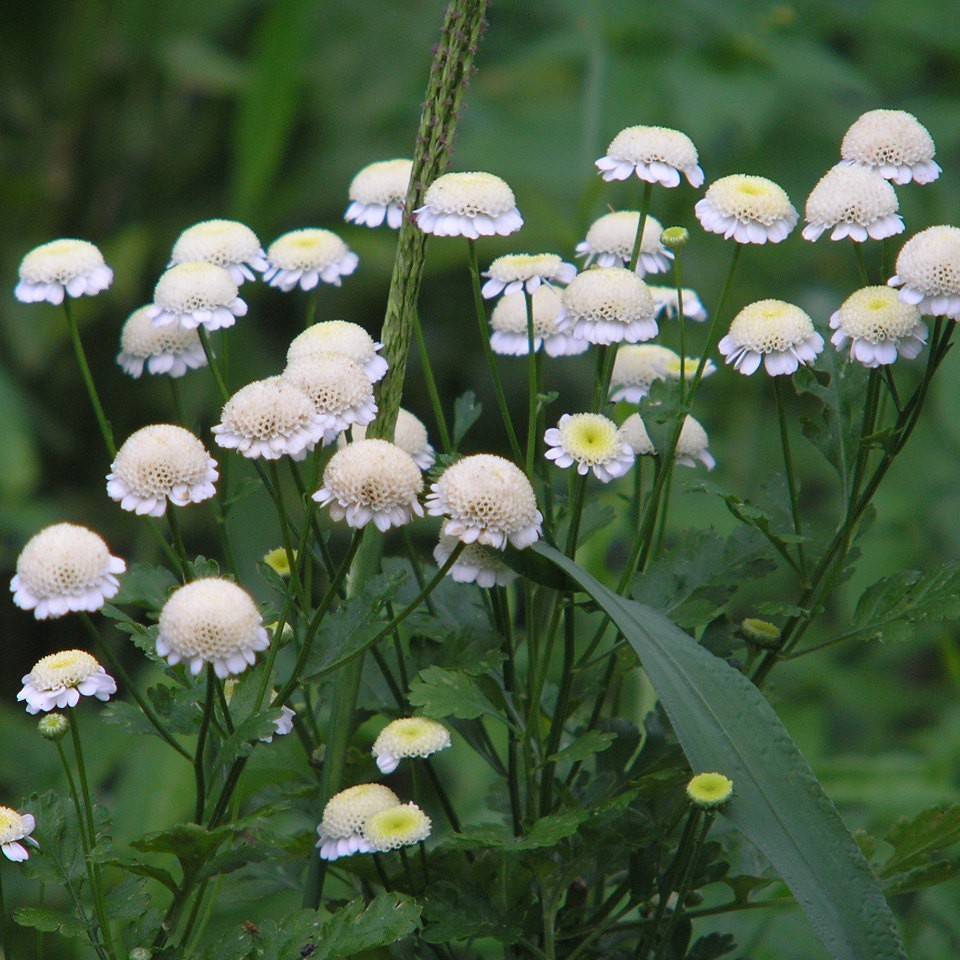
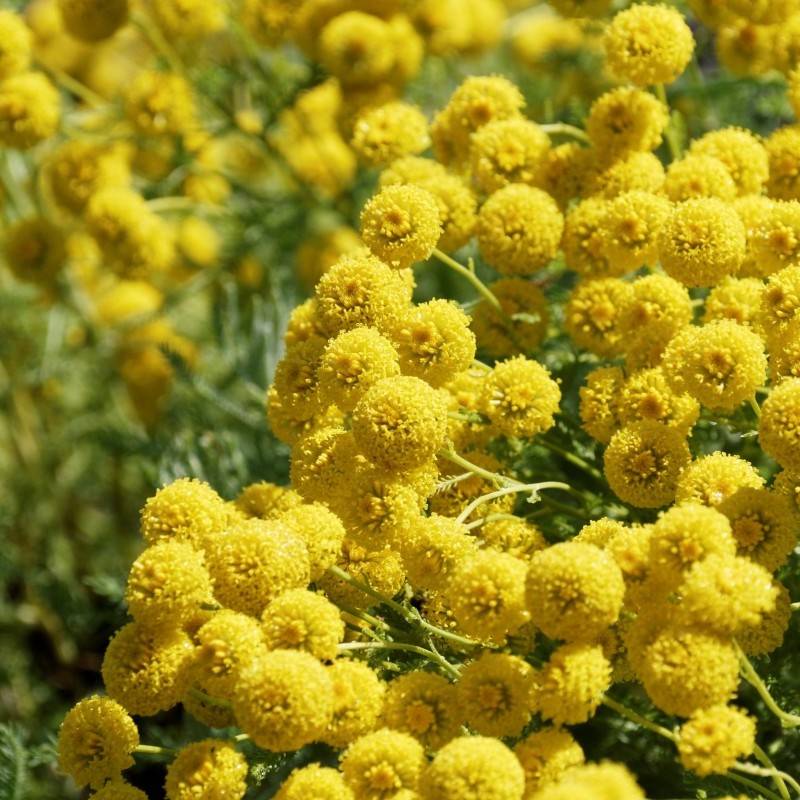
Gold Leaf Tansy is a striking herbaceous perennial prized for its finely divided, lacy golden-yellow foliage that retains its vivid color from spring through fall. In mid to late summer, it produces dense, flat-topped clusters of small, button-like bright yellow flowers that attract pollinators including bees and butterflies. More compact and less aggressively spreading than the common green tansy, it is a popular choice for edging, rock gardens, and herb borders, where its bright foliage provides a strong contrast to darker green plants.
Care Guide
Watering
Gold Leaf Tansy is highly drought-tolerant once established, requiring only occasional deep watering during extended dry periods; avoid overwatering, as soggy soil will quickly cause root rot. Newly planted specimens should be watered regularly for the first 2-3 months to help them develop a strong root system, after which they can thrive with minimal supplemental moisture.
Light
This cultivar performs best in full sun, which encourages the brightest golden foliage color and compact, bushy growth; plants grown in partial shade will develop duller, greener leaves and become leggy. It can tolerate very light dappled shade for a few hours per day, but prolonged low light will reduce its ornamental value and flowering output.
Soil
Gold Leaf Tansy adapts to a wide range of soil types, including poor, rocky, and sandy soils, as long as the site has excellent drainage. It prefers a neutral to slightly alkaline pH between 6.0 and 8.0, and will not survive in heavy, compacted clay soils that hold standing water after rain. Amending heavy soils with sand or grit at planting time will improve drainage enough to support healthy growth.
Fertilizer
This low-maintenance plant rarely requires fertilization, as excess nutrients will cause leggy, floppy growth that loses its compact shape and dulls the bright foliage color. If grown in extremely poor, nutrient-depleted soil, a single light application of balanced, slow-release fertilizer in early spring is sufficient to support healthy growth for the entire growing season.
Temperature
Gold Leaf Tansy is cold-hardy in USDA zones 4 through 8, tolerating winter temperatures as low as -30°F (-34°C) when established. It thrives in warm summer temperatures between 60°F and 85°F (15°C to 29°C), and will tolerate short periods of extreme heat above 90°F (32°C) as long as it is not overwatered during these spells.
Pruning
Deadhead spent flower clusters immediately after blooming to prevent unwanted self-seeding, as this cultivar can spread aggressively if allowed to drop seed in the garden. Cut the entire plant back by one-third to one-half in late fall after the first frost, or in early spring before new growth emerges, to encourage dense, bushy growth the following season and remove any dead or damaged foliage.
Propagation
Gold Leaf Tansy is most easily propagated by root division in early spring or late fall, when the plant is dormant; carefully dig up mature clumps, separate them into smaller sections with healthy roots and foliage, and replant immediately at the same depth they were growing previously. It can also be grown from stem cuttings taken in late spring or early summer, rooted in moist, well-draining potting mix under indirect light, though seed propagation is not recommended as it will not produce plants true to the 'Isla Gold' cultivar.
Humidity
This hardy perennial tolerates a wide range of humidity levels, thriving in both dry and moderately humid climates with no special humidity requirements. Excessively high humidity combined with poor air circulation can increase the risk of foliar fungal diseases, so space plants at least 18 inches apart to allow for good airflow around the foliage.
Repotting
When grown in containers, Gold Leaf Tansy should be repotted every 2-3 years in early spring, or when roots begin to grow out of the drainage holes at the bottom of the pot. Use a well-draining potting mix amended with perlite or sand to improve drainage, and select a pot with multiple drainage holes to prevent waterlogging; avoid using overly large pots, as excess unused soil will hold moisture that can lead to root rot.
Uses & Symbolism
Gold Leaf Tansy is widely used as an ornamental foliage plant in borders, rock gardens, and pollinator gardens, where its bright golden leaves and yellow flowers provide long-lasting color and attract beneficial insects. Its strong aromatic foliage naturally repels many common garden pests including ants, flea beetles, and cabbage moths, making it a useful companion plant for vegetable gardens. Dried foliage and flowers are sometimes used in potpourris and sachets for their pleasant scent and insect-repellent properties, though they should never be used internally for culinary or medicinal purposes due to their toxicity.
Diseases & Pests
Gold Leaf Tansy is largely resistant to most common pests and diseases, with few serious issues when grown in well-drained soil and full sun. Overly wet conditions or poor air circulation can lead to powdery mildew and leaf spot fungal infections, which can be treated by improving airflow around plants and applying a copper-based fungicide if necessary. Aphids and spider mites may occasionally infest new growth, especially on plants grown in dry, hot conditions, and can be controlled with insecticidal soap or a strong spray of water to dislodge the pests.
Related plants
Other plants you might like if you grow Gold Leaf Tansy.