Field Garlic
Allium oleraceum
Overview
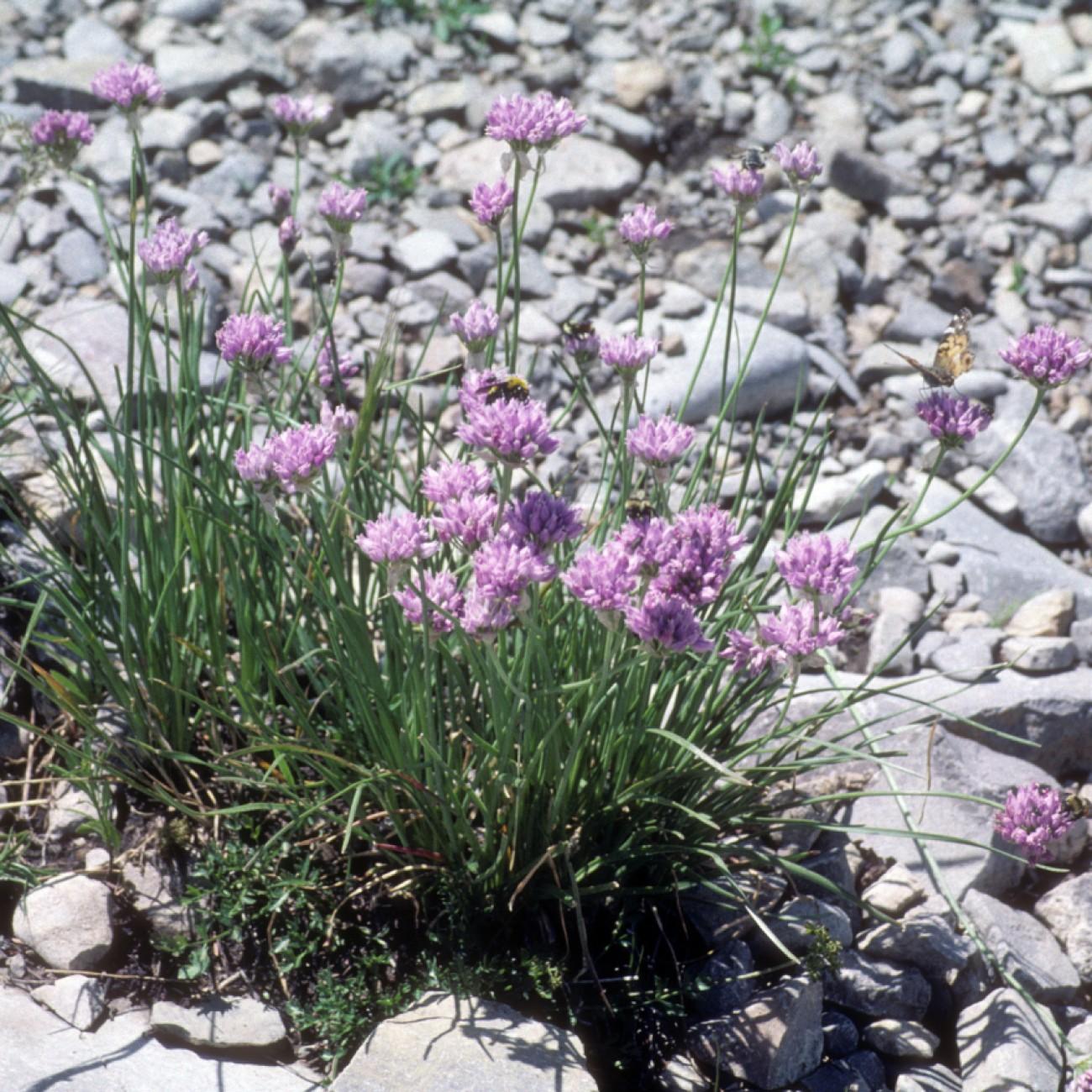
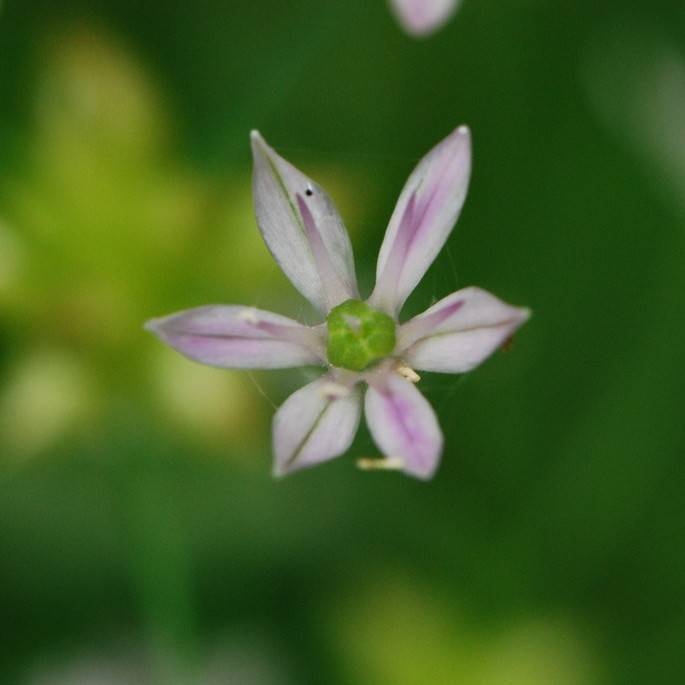
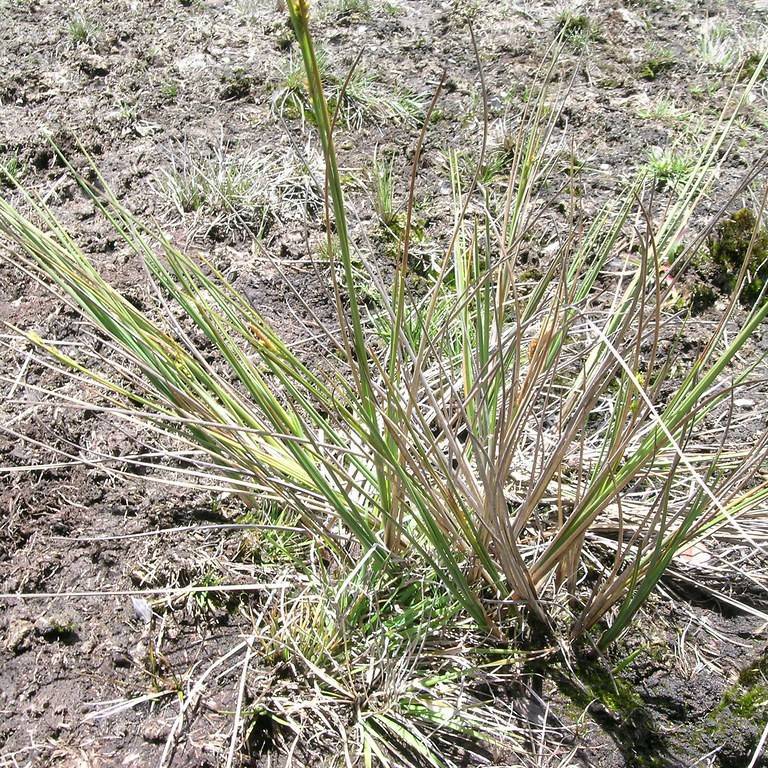
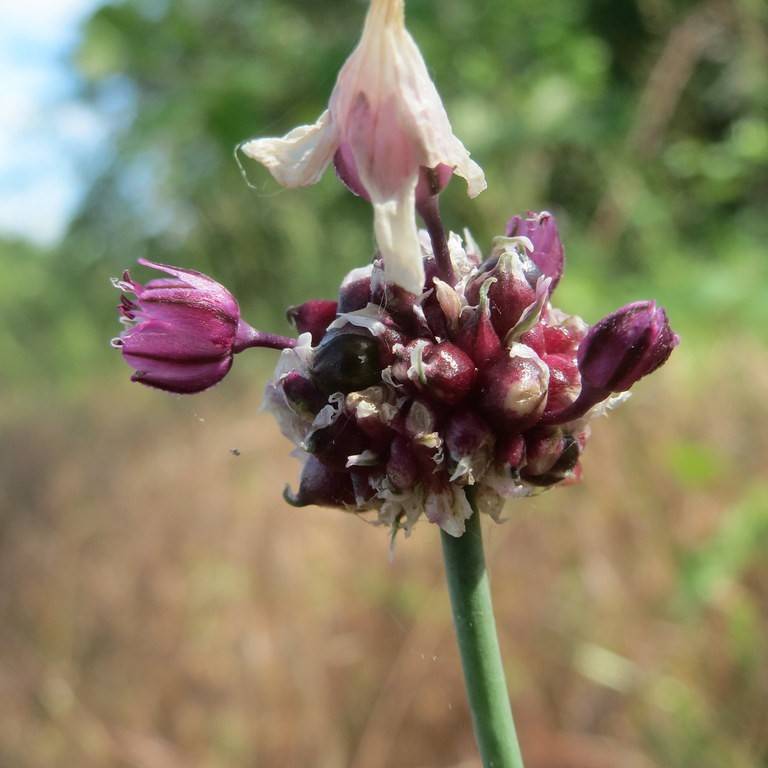
Allium oleraceum, commonly called field garlic, is a wild relative of cultivated garlic and onion, distinguished by its narrow, hollow, grass-like leaves and rounded umbels of pale pink or purple flowers that often bear small bulbils alongside blooms. It naturalizes readily in temperate climates, spreading via both underground bulbs and aerial bulbils that drop to root in surrounding soil. Its pungent, garlicky aroma makes it easy to identify among similar-looking grass species, and it is often foraged as a wild edible, though it is less widely cultivated than common garlic (Allium sativum).
Care Guide
Watering
Field garlic has moderate water needs, requiring consistent moisture during its active spring growth period, but tolerating short periods of drought once established. Avoid overwatering, as soggy soil can cause bulb rot; allow the top 1-2 inches of soil to dry out between waterings, and reduce irrigation once foliage begins to die back in late summer.
Light
This allium thrives in full sun, requiring a minimum of 6 hours of direct sunlight daily to produce robust foliage and bulbs. It can tolerate partial shade, though growth may be sparser, and flowering will be reduced in low-light conditions.
Soil
Field garlic adapts well to a wide range of soil types, including sandy, loam, and even clay soils, as long as the medium is well-draining. It prefers a neutral to slightly alkaline pH between 6.0 and 7.5, and will not perform well in waterlogged, heavy soils that retain excess moisture around the bulbs.
Fertilizer
Field garlic is not a heavy feeder, and usually grows well without supplemental fertilization if planted in moderately fertile soil. For poor, depleted soils, apply a balanced, all-purpose fertilizer in early spring as new growth emerges, and avoid high-nitrogen fertilizers that promote excessive foliage growth at the expense of bulb development.
Temperature
This hardy perennial tolerates a wide temperature range, thriving in USDA hardiness zones 4 through 9, and can withstand winter temperatures as low as -30°F (-34°C) when bulbs are planted at the appropriate depth. It prefers cool spring temperatures between 50-75°F (10-24°C) for active growth, and goes dormant during the hottest parts of summer in warmer climates.
Pruning
Pruning is generally minimal for field garlic; remove yellowed or dead foliage as needed to improve air circulation, and deadhead spent flower heads if you wish to prevent the spread of aerial bulbils and limit self-seeding. If harvesting foliage for culinary use, snip no more than one-third of the plant’s leaves at a time to avoid stunting bulb growth.
Propagation
Field garlic is most easily propagated by dividing mature bulb clumps in early fall or late winter, separating the small offset bulbs and replanting them 2-3 inches deep and 4-6 inches apart. It can also be grown from aerial bulbils collected from mature flower heads in late summer, sown directly in the garden or started in pots, though bulbils take 2-3 years to reach full maturity.
Humidity
Field garlic adapts well to average ambient humidity levels common in its native temperate range, and does not require extra humidity to thrive. It tolerates both moderately dry and humid conditions, as long as soil drainage is adequate to prevent fungal growth on bulbs and foliage.
Repotting
For container-grown field garlic, repot every 2-3 years in late fall during dormancy, dividing overcrowded bulb clumps to prevent stunted growth. Use a well-draining potting mix with added perlite or sand to improve drainage, and select a pot with drainage holes at least 6 inches deep to accommodate bulb root growth.
Uses & Symbolism
Field garlic is widely foraged as a wild edible, with its leaves, bulbs, and flower buds all usable as a pungent substitute for cultivated garlic or chives in soups, salads, stir-fries, and seasoning blends. It is sometimes planted as a low-maintenance ornamental in pollinator gardens, as its summer flowers attract bees, butterflies, and other beneficial insects. Historically, it has been used in folk medicine for its supposed antimicrobial and digestive health properties, similar to other allium species.
Diseases & Pests
Field garlic is relatively pest and disease resistant, though it may be affected by common allium pests such as onion thrips, aphids, and allium leaf miners, which feed on foliage and can damage bulb development. Fungal diseases including white rot, downy mildew, and bulb rot can occur in poorly drained, overly wet soil, so proper spacing and irrigation management are critical to prevent these issues. It is rarely affected by deer or rabbit damage, as its strong garlic scent deters most herbivores.
Related plants
Other plants you might like if you grow Field Garlic.