Glossy Privet
Ligustrum lucidum
Overview
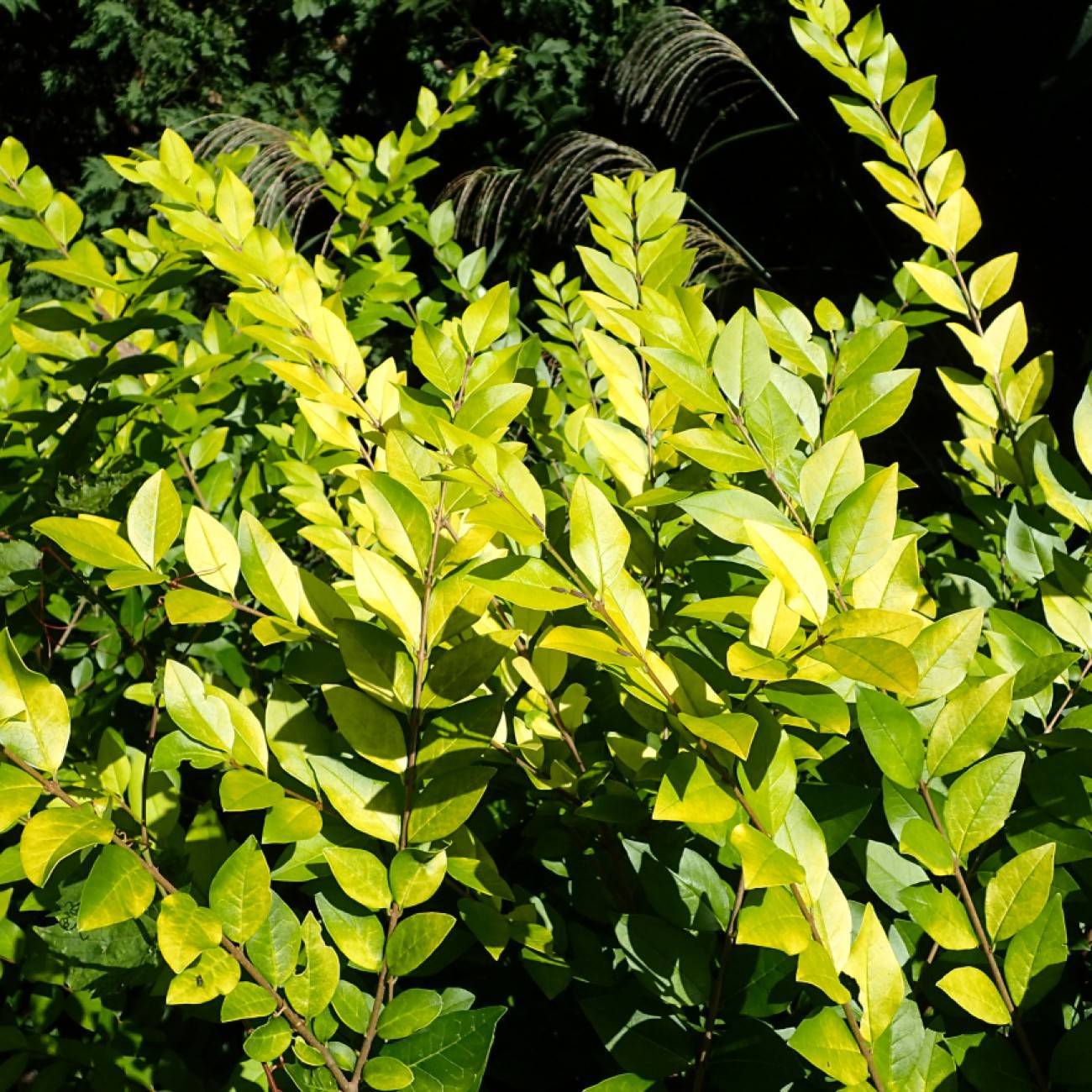
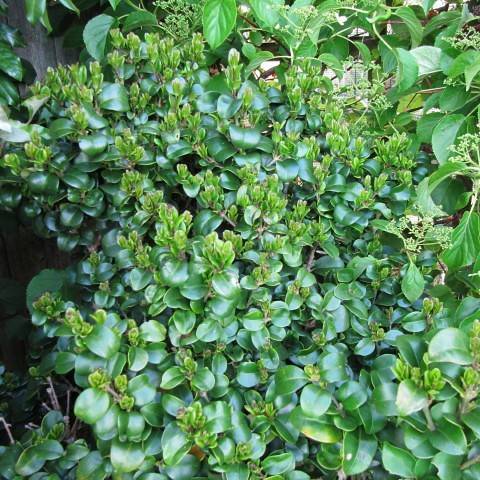
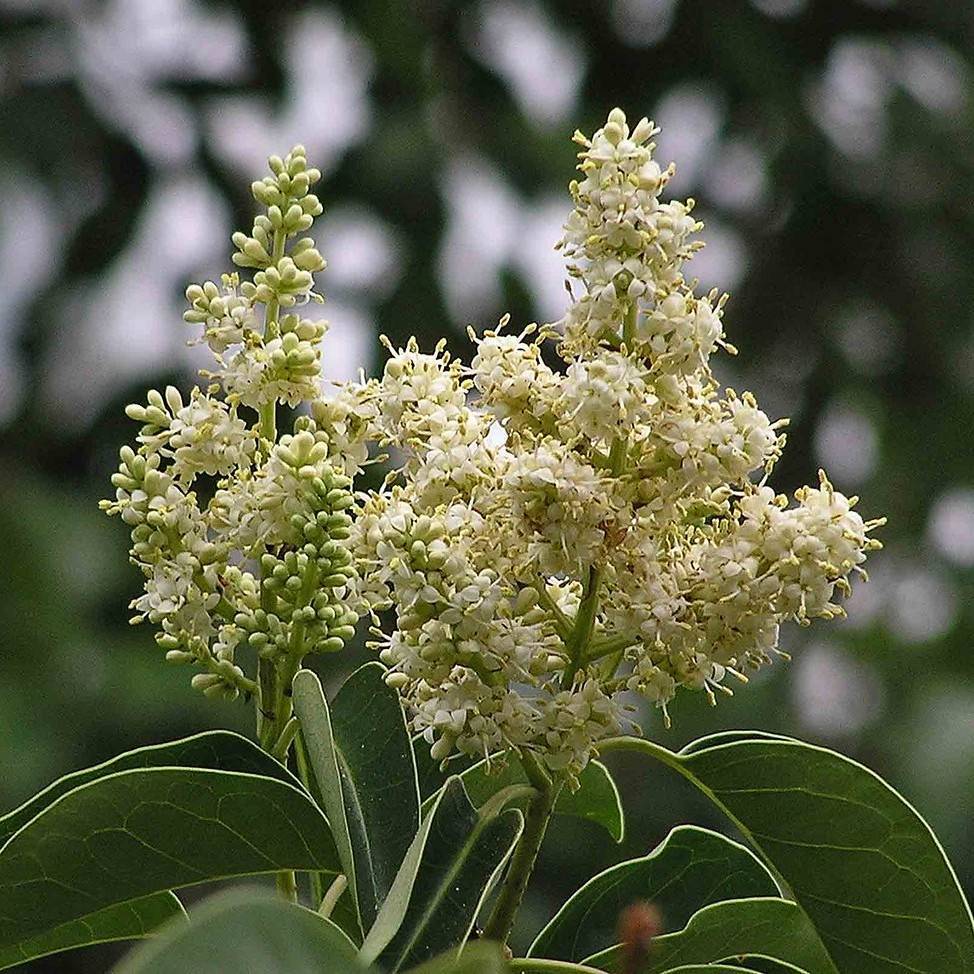
Glossy privet is a broadleaf evergreen that can be grown as a large shrub or small tree, distinguished by its thick, waxy, dark green leaves that remain vibrant year-round in mild climates. In late spring to early summer, it produces dense clusters of small, fragrant white flowers that attract pollinators, followed by dark purple-black berries that persist through winter. While widely cultivated for landscaping, it is considered invasive in some regions with mild, moist climates where it outcompetes native vegetation.
Care Guide
Watering
Water newly planted glossy privet regularly for the first 1-2 years to establish a deep root system, keeping the soil consistently moist but not waterlogged. Once established, it is highly drought-tolerant, requiring only occasional watering during extended dry periods, and can survive short periods of flooding. Avoid overwatering in heavy clay soils to prevent root rot.
Light
Glossy privet thrives in full sun, which encourages the densest foliage growth and most abundant flowering, but can tolerate partial shade, though growth may be more open and sparse. When grown indoors as a large container specimen, place it near a south or west-facing window to receive a minimum of 4-6 hours of direct light daily. Too little light will cause leaf drop and leggy, weak growth.
Soil
This adaptable plant grows well in a wide range of soil types, including sandy, loamy, clay, and even poor, compacted soils, as long as drainage is adequate. It tolerates both acidic and alkaline pH levels, ranging from 5.0 to 8.0, making it suitable for most landscape environments. For container growth, use a well-draining general-purpose potting mix amended with perlite or coarse sand to improve aeration.
Fertilizer
Fertilize established glossy privet in early spring before new growth emerges using a balanced, slow-release granular fertilizer formulated for woody shrubs or trees, applying it evenly around the root zone according to package instructions. Avoid fertilizing late in the growing season, as this can stimulate tender new growth that is vulnerable to frost damage. Container-grown plants benefit from a diluted liquid fertilizer applied every 4-6 weeks during the spring and summer growing months.
Temperature
Glossy privet is hardy in USDA zones 7-10, tolerating winter temperatures as low as 0°F (-18°C) once established, though young plants may require winter protection from extreme cold and frost. It thrives in average summer temperatures between 60-85°F (16-29°C) and can tolerate brief periods of high heat above 100°F (38°C) with adequate moisture. For indoor growth, maintain average household temperatures between 60-75°F (16-24°C), and avoid placing it near cold drafts or heating vents.
Pruning
Prune glossy privet in late winter or early spring before new growth begins to shape it, remove dead or damaged branches, and control its size, as it tolerates heavy pruning extremely well. If grown as a formal hedge, you can trim it 2-3 times during the growing season to maintain a neat, dense shape, though avoid trimming after mid-fall to prevent stimulating tender growth before cold weather. Always sanitize pruning tools between cuts to prevent the spread of disease.
Propagation
Glossy privet is most easily propagated from semi-hardwood cuttings taken in mid to late summer, selecting 4-6 inch (10-15 cm) long stems from healthy, current-year growth, removing lower leaves, and rooting them in moist, well-draining potting mix with rooting hormone. It can also be grown from seed collected from ripe berries in fall, though seed-grown plants may take 3-5 years to reach mature size and may not retain the exact characteristics of the parent plant. Cuttings typically root within 6-8 weeks when kept in warm, humid conditions with indirect light.
Humidity
Glossy privet adapts well to a wide range of humidity levels, tolerating both dry air and high humidity naturally present in its outdoor growing zones. When grown indoors, average household humidity between 40-60% is sufficient, though it may benefit from occasional misting during very dry winter months to prevent leaf tip browning. Avoid excessively humid conditions combined with poor air circulation, as this can increase the risk of fungal leaf spots.
Repotting
Container-grown glossy privet should be repotted every 2-3 years in early spring, before new growth emerges, moving it to a pot one size larger than the current one to accommodate its fast root growth. For mature specimens you wish to keep at a smaller size, root prune by trimming back 1/3 of the outer root ball and repotting into the same container with fresh potting mix. Ensure the new pot has adequate drainage holes to prevent waterlogging, and water thoroughly after repotting to settle the soil around the roots.
Uses & Symbolism
Glossy privet is most widely used in landscaping as a dense, evergreen privacy hedge, windbreak, or screen, as it responds well to heavy pruning to maintain a desired shape and height. It is also grown as a standalone ornamental tree for its attractive foliage, fragrant flowers, and winter berries, which provide food for birds in mild climates. In traditional Chinese medicine, extracts from its berries have been used for various medicinal purposes, though consumption is not recommended without medical supervision due to its toxic properties.
Diseases & Pests
Glossy privet is relatively pest and disease resistant, but can be susceptible to common garden pests including aphids, scale insects, and whiteflies, which suck sap from leaves and cause yellowing, stunted growth, and sooty mold growth on honeydew secretions. Fungal diseases such as leaf spot, powdery mildew, and root rot can occur in conditions of poor air circulation, overwatering, or excessive humidity, leading to leaf drop and weakened growth. Proper spacing between plants, avoiding overhead watering, and prompt removal of infected foliage can help prevent most disease issues.
Related plants
Other plants you might like if you grow Glossy Privet.