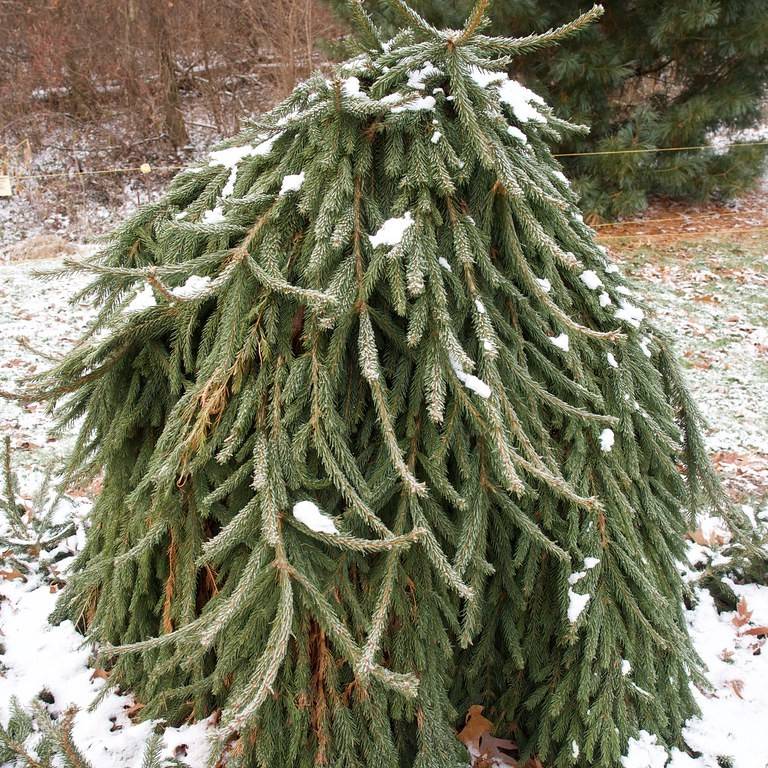
Dwarf Norway Spruce
Picea abies 'Nana'
Overview
The Dwarf Norway Spruce is a compact cultivar of the towering Norway spruce, prized for its neat, rounded to broadly conical form that requires minimal shaping to maintain its tidy silhouette. Its short, stiff, dark green needles retain their vibrant color year-round, providing consistent visual interest in winter landscapes when many other plants are dormant. This slow-growing conifer rarely outgrows its intended planting space, making it a favorite among gardeners with limited yard area or those seeking low-maintenance evergreen structure.
Care Guide
Watering
Water newly planted Dwarf Norway Spruces deeply once or twice per week to establish a strong root system, keeping the soil consistently moist but not waterlogged. Once established, the shrub is moderately drought tolerant, requiring supplemental watering only during extended periods of hot, dry weather to prevent needle browning. Avoid overwatering, especially in heavy clay soils, as this can lead to root rot and permanent damage.
Light
Plant in full sun, defined as a minimum of 6 hours of direct, unfiltered sunlight per day, to support the densest, healthiest foliage growth. The shrub can tolerate partial shade, but growth will become sparser and the natural rounded form may become lopsided as it stretches toward brighter light sources. In extremely hot southern climates, light afternoon shade can help prevent needle scorch during the peak of summer heat.
Soil
Grow in moist, well-drained, acidic loamy soil with a pH between 4.5 and 6.5 for optimal growth and nutrient uptake. The shrub can adapt to a range of soil types including sandy or clay soils, as long as they do not hold standing water for extended periods after rain or irrigation. Amend heavy, compacted soils with organic matter such as compost or peat moss before planting to improve drainage and adjust pH to the preferred acidic range.
Fertilizer
Feed in early spring before new growth emerges using a slow-release, balanced evergreen fertilizer formulated for acid-loving plants, following package dosage instructions to avoid overfertilization. Avoid fertilizing after mid-summer, as this can stimulate tender new growth that is vulnerable to damage from early fall frosts. Mature, well-established shrubs only require fertilization once every 2-3 years if they are growing in nutrient-rich soil and showing no signs of deficiency.
Temperature
Thrives in cool to moderate temperate climates, with an ideal growing range in USDA hardiness zones 3 to 7, tolerating winter temperatures as low as -40°F (-40°C). The shrub is highly cold hardy, requiring no winter protection in zones 3-6, but may suffer from winter burn in exposed locations in zone 7 if temperatures fluctuate rapidly. Extreme summer heat above 90°F (32°C) combined with low humidity can cause needle tip browning, so provide extra water during these periods to reduce stress.
Pruning
Pruning is rarely required for this naturally compact, slow-growing shrub, as it maintains its neat rounded form with no intervention. If you wish to control size or encourage denser foliage, lightly shear back new growth in late spring before the new needles fully harden off, removing no more than one-third of the current year’s growth at a time. Remove any dead, damaged, or diseased branches as soon as they are spotted, cutting back to healthy wood to prevent the spread of pathogens.
Propagation
The most reliable method for home gardeners to propagate Dwarf Norway Spruce is through semi-hardwood cuttings taken in late summer or early fall, from healthy, current-year growth that has partially matured. Dip the cut end of the 4-6 inch cutting in rooting hormone, plant in a moist, well-drained sterile propagation medium, and keep under high humidity with bright, indirect light until roots form, which typically takes 3-6 months. Growing from seed is not recommended, as seed-grown plants will not retain the dwarf characteristic of the parent cultivar, often growing into full-sized Norway spruces.
Humidity
Prefers moderate to high humidity levels between 40% and 60%, which is typical of its native European forest habitat. It can tolerate average household humidity if grown as a container houseplant, but may develop brown needle tips if exposed to prolonged dry air from heating vents or air conditioners. Mist the foliage occasionally during periods of very low humidity, or place the container on a tray filled with pebbles and water to raise ambient humidity around the plant.
Repotting
Container-grown Dwarf Norway Spruces require repotting every 3-4 years in early spring before new growth begins, as their slow growth rate means they do not outgrow pots quickly. Choose a pot that is 2-3 inches larger in diameter than the current container, with ample drainage holes to prevent waterlogging, and use a well-drained acidic potting mix formulated for evergreens or conifers. After repotting, water thoroughly and place in a location with bright, indirect light for 1-2 weeks to allow the plant to acclimate before moving back to full sun.
Uses & Symbolism
Widely used as a low foundation planting, rock garden specimen, or container plant for patios and entryways, providing year-round evergreen structure to formal and informal landscapes alike. It is a popular choice for small urban gardens, as its compact size ensures it will not encroach on walkways or overshadow smaller neighboring plants. Its dense foliage also provides valuable shelter and nesting sites for small songbirds in residential yards.
Diseases & Pests
The Dwarf Norway Spruce is relatively pest and disease resistant, but can be susceptible to needle cast fungi, which causes yellowing and premature dropping of older needles during prolonged wet, cool spring weather. Common pests include spruce spider mites, which feed on needle sap and cause stippled, yellowing foliage, and spruce budworms, which eat new growth and can cause significant defoliation in heavy infestations. Root rot can occur in poorly drained, waterlogged soils, leading to wilting, browning foliage, and eventual plant death if the drainage issue is not corrected quickly.
Guides that mention Dwarf Norway Spruce
Related plants
Other plants you might like if you grow Dwarf Norway Spruce.
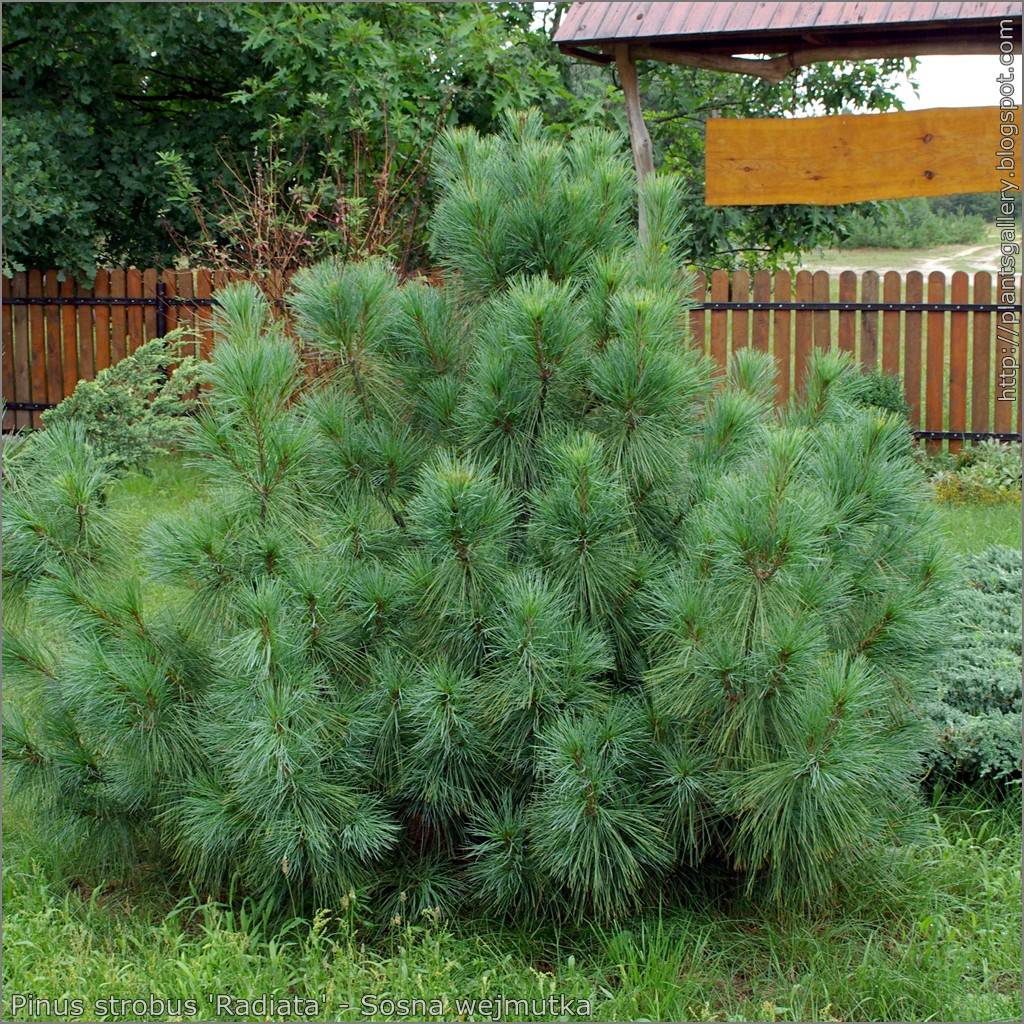
Dwarf Eastern White Pine
Pinus strobus 'Nana'
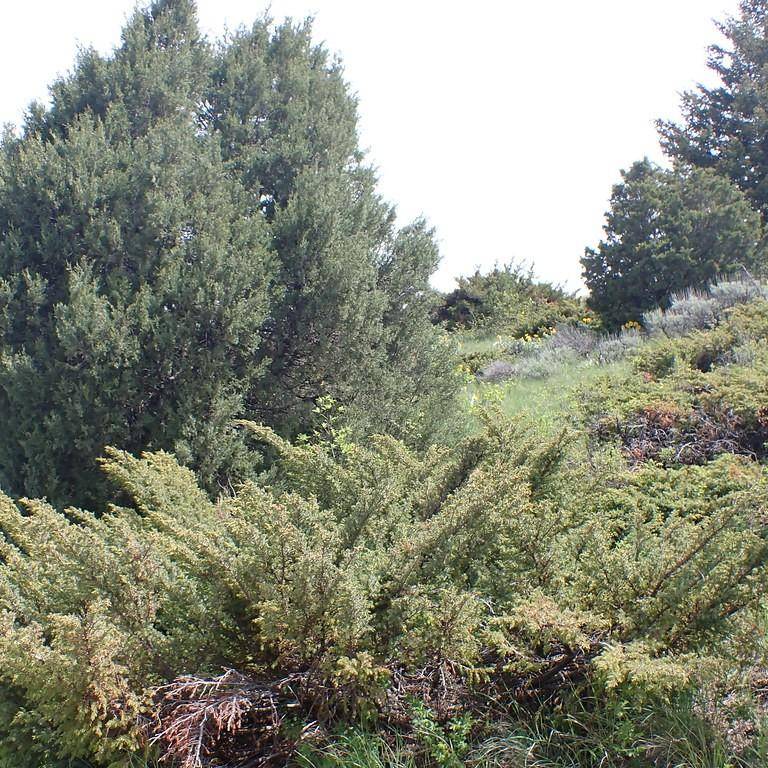
Creeping Juniper
Juniperus horizontalis
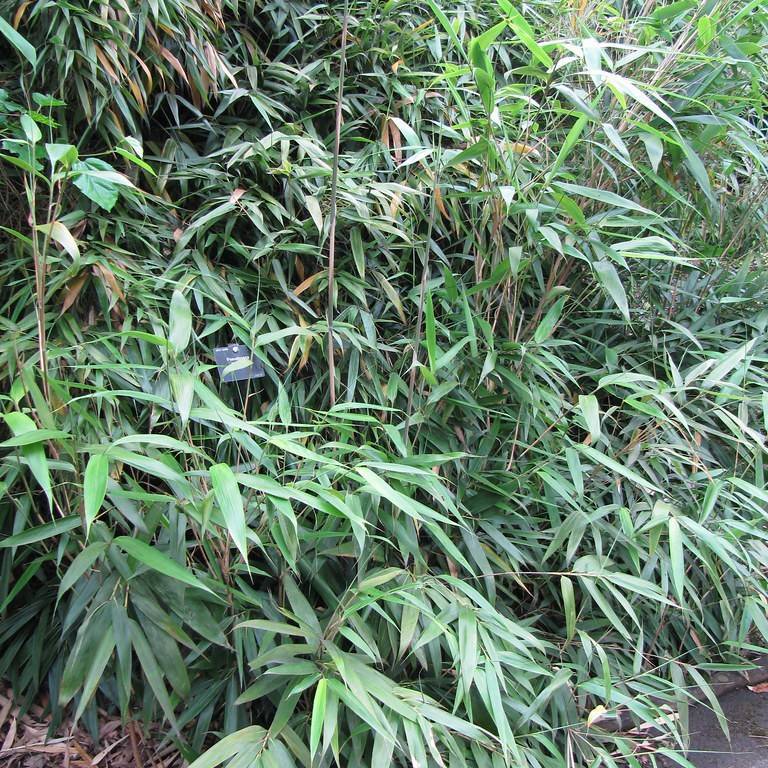
Arrow Bamboo
Pseudosasa japonica
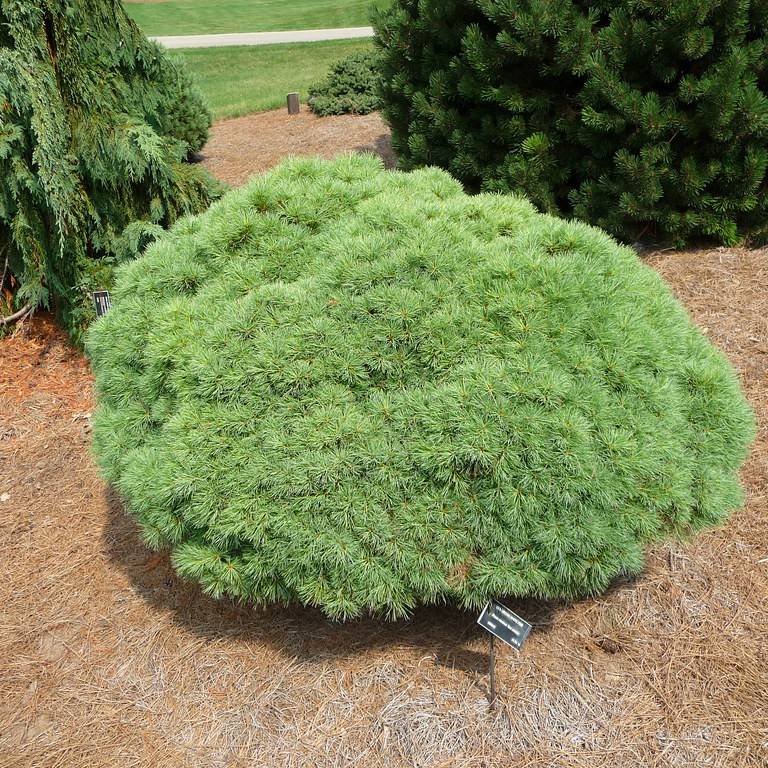
Eastern White Pine
Pinus strobus
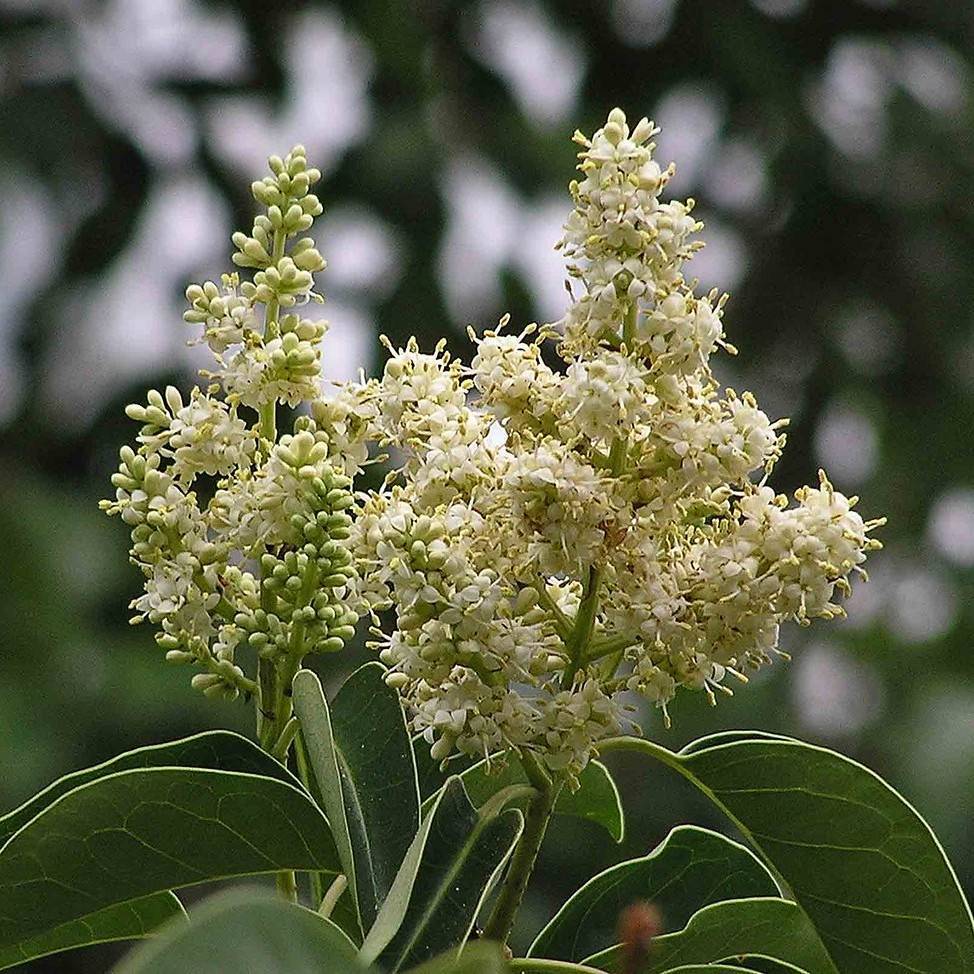
Glossy Privet
Ligustrum lucidum
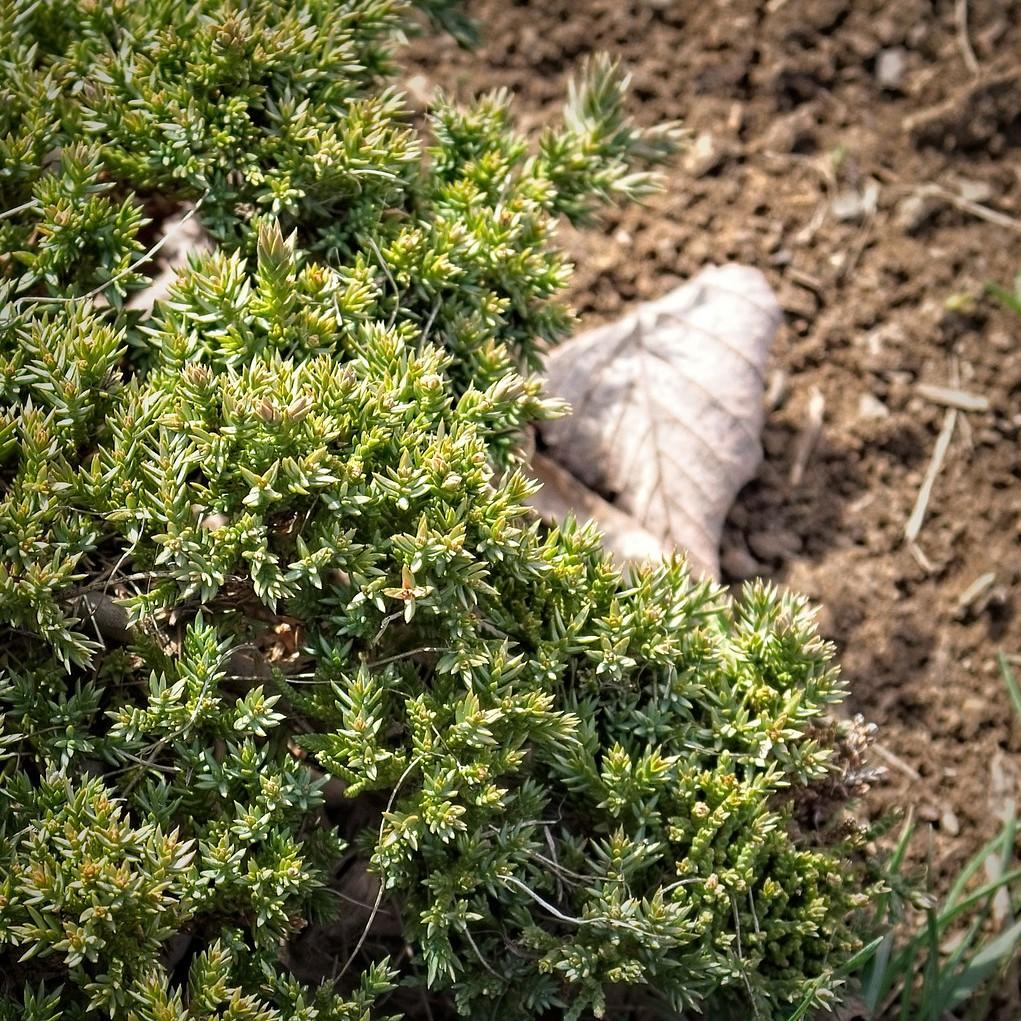
Japanese Garden Juniper
Juniperus procumbens
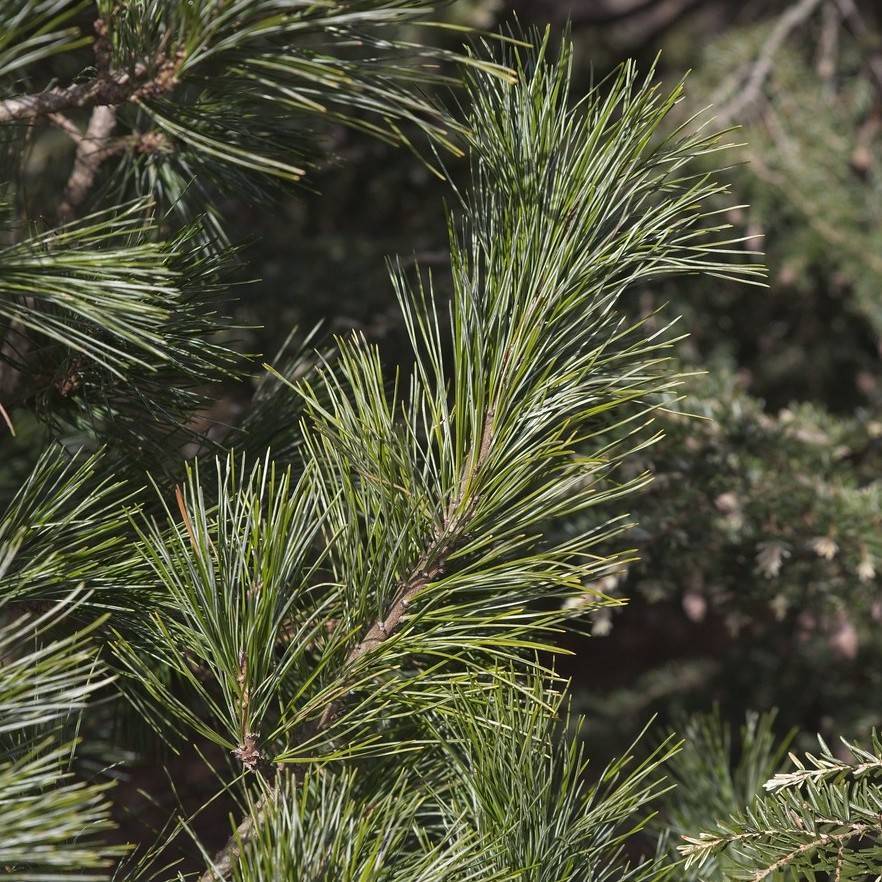
Dwarf Mountain Pine
Pinus mugo var. pumilio
Coffin Juniper
Juniperus horizontalis 'Wiltonii'