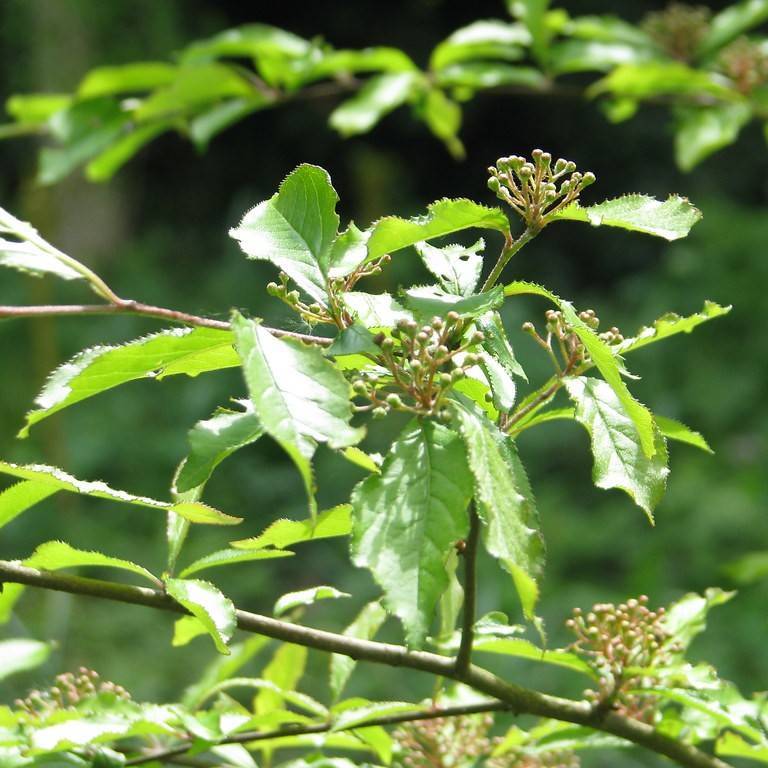
Christmas Berry
Photinia × fraseri
Overview
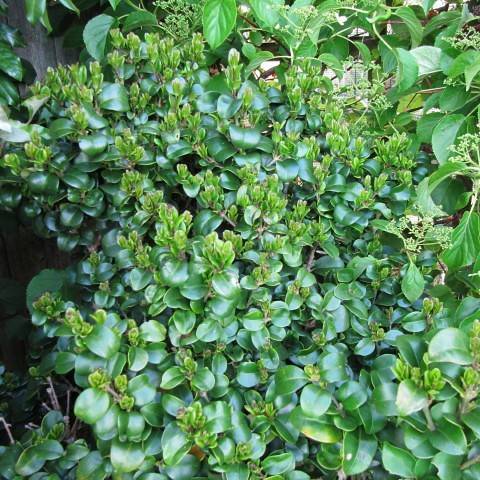
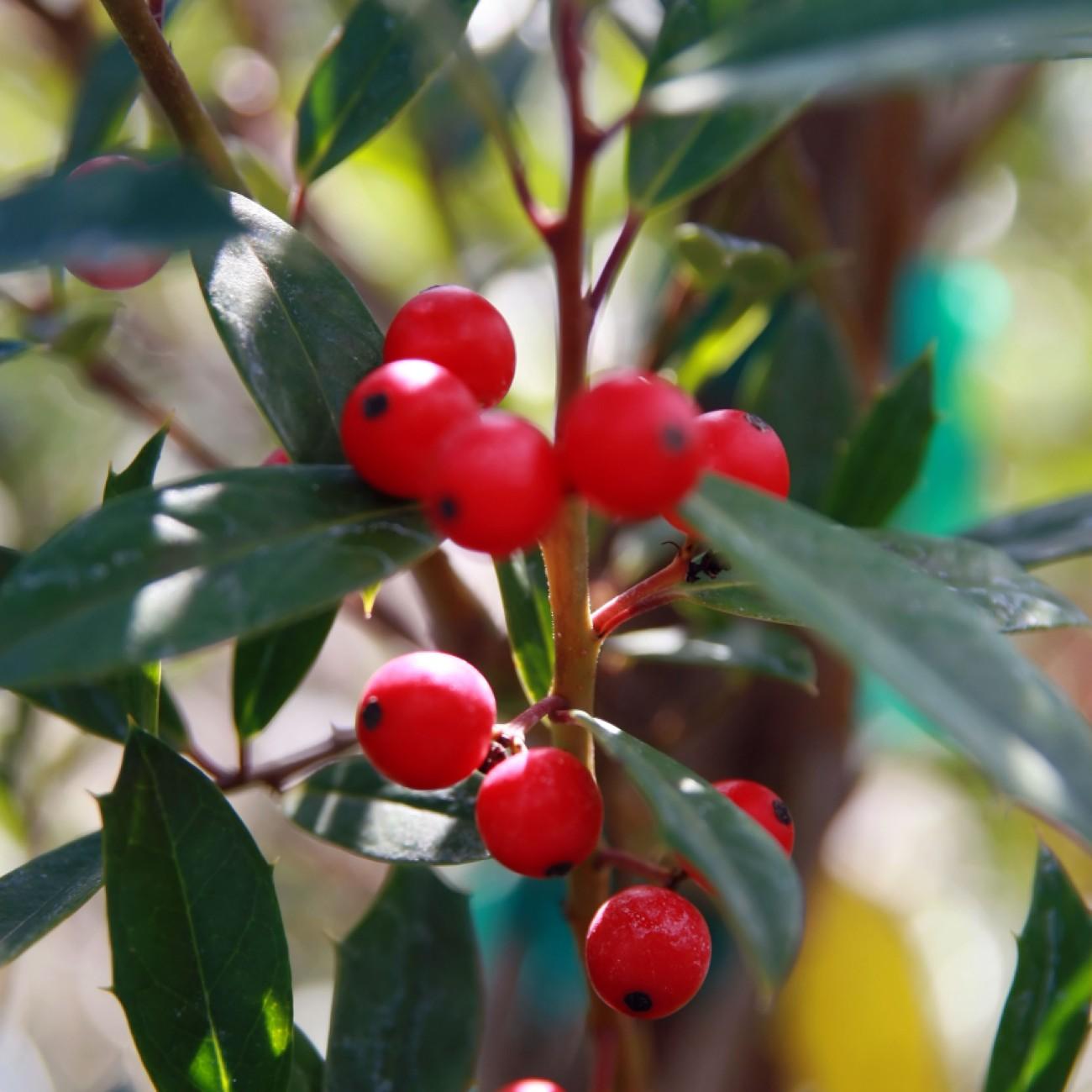
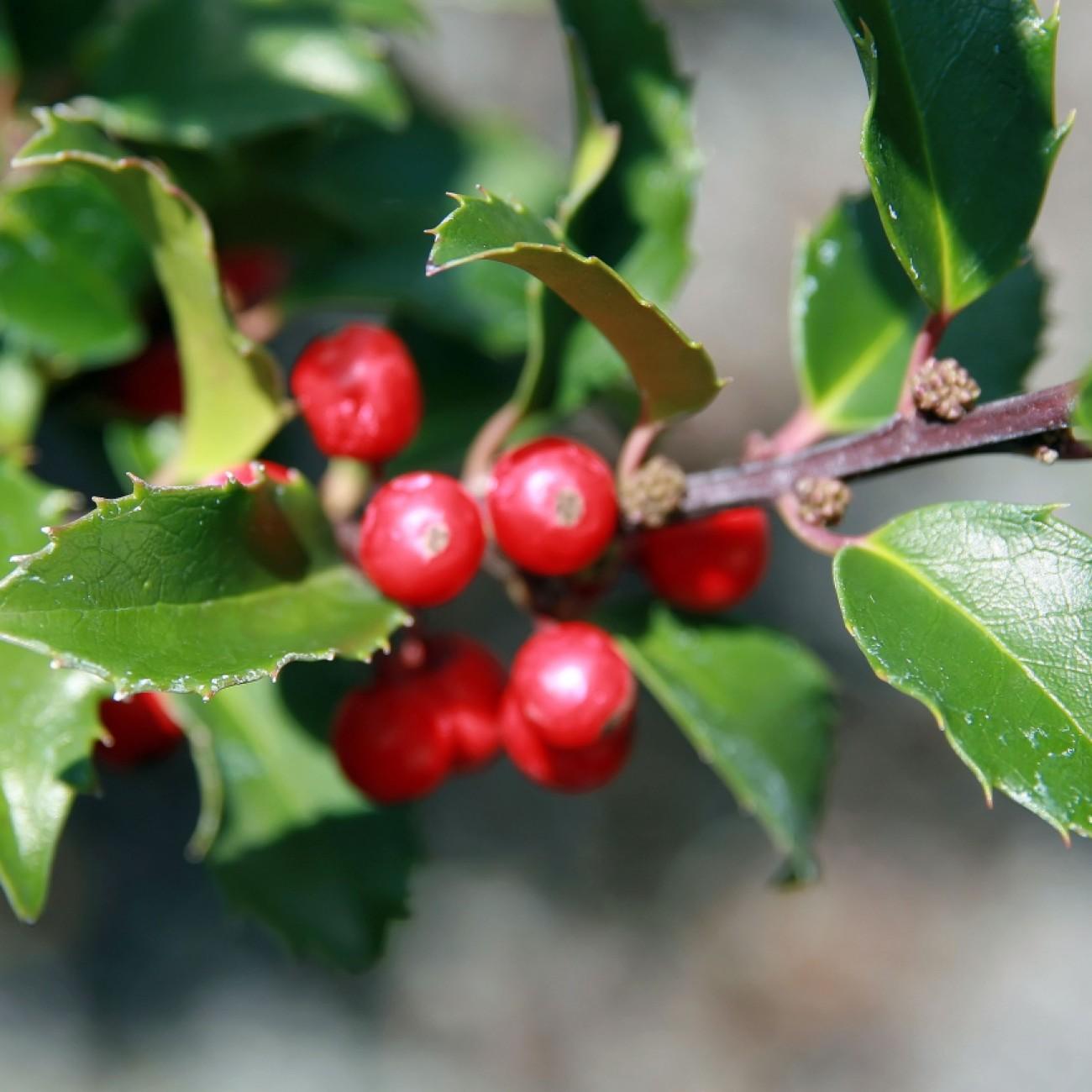
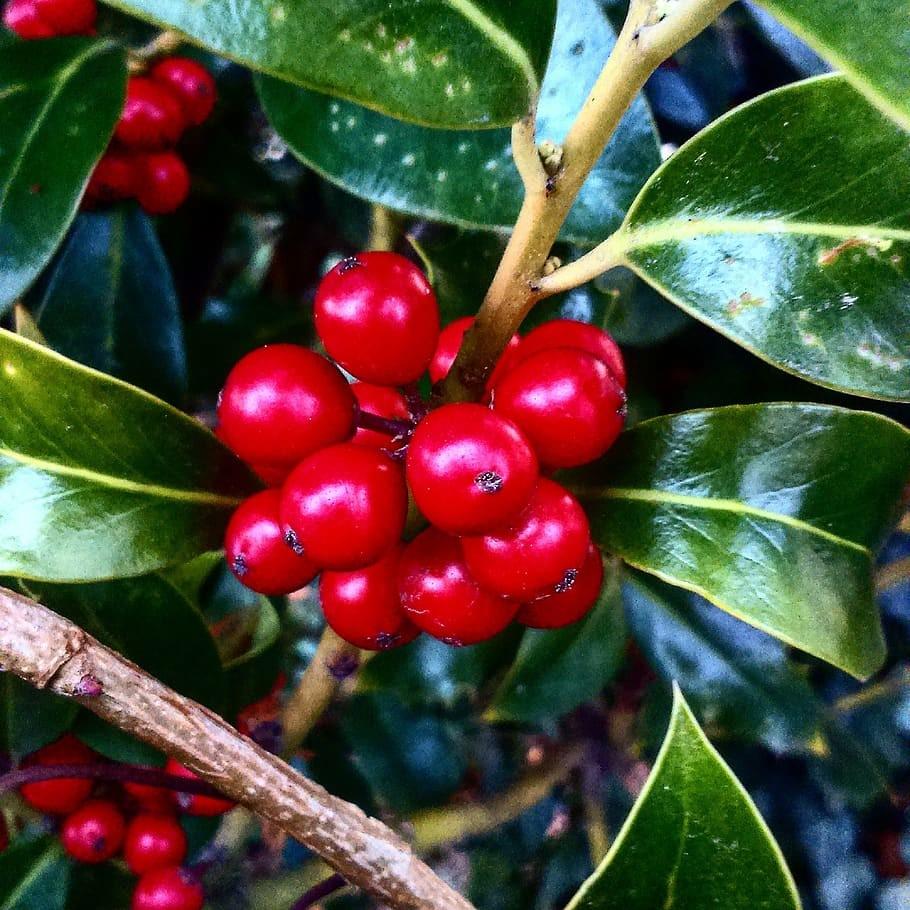
Christmas Berry, also known as Fraser Photinia, is a fast-growing hybrid evergreen shrub widely cultivated for its striking seasonal foliage and decorative berry displays. It produces dense clusters of small, fragrant white flowers in mid-spring, which develop into round, glossy red berries by late autumn that stay on the shrub throughout winter, earning it its common festive name. It is a versatile landscaping plant suitable for hedges, screens, or standalone specimen planting in temperate climates.
Care Guide
Watering
Water newly planted Christmas Berry shrubs deeply once or twice weekly for the first growing season to establish a strong root system, keeping soil consistently moist but not waterlogged. Once established, the shrub is moderately drought tolerant, requiring supplemental watering only during prolonged dry spells to prevent leaf drop. Avoid overwatering, especially in heavy clay soils, as this can lead to root rot.
Light
Christmas Berry thrives in full sun, which encourages the brightest red new foliage growth and the heaviest flower and berry production. It can tolerate partial shade, but growth will be sparser, foliage color will be less vibrant, and berry yields may be reduced. In extremely hot climates, light afternoon shade can help prevent leaf scorch during peak summer heat.
Soil
This shrub adapts to a wide range of soil types, including loam, sand, and clay, as long as the soil has good drainage. It prefers a slightly acidic to neutral soil pH between 6.0 and 7.5, though it can tolerate mildly alkaline conditions as well. Amend heavy or poorly draining soils with organic matter such as compost prior to planting to improve structure and drainage.
Fertilizer
Apply a balanced, slow-release shrub fertilizer in early spring before new growth emerges to support healthy foliage, flower, and berry development. For hedges or densely planted specimens, a second light application of nitrogen-rich fertilizer in early summer can encourage lush, even growth. Avoid fertilizing after late summer, as this can stimulate tender new growth that is vulnerable to winter frost damage.
Temperature
Christmas Berry grows best in temperate climates with average temperatures between 60-80°F (15-27°C) during the growing season. It is winter hardy in USDA zones 7 through 9, tolerating minimum temperatures down to 0°F (-18°C) once fully established. Young shrubs may require winter protection such as burlap wrapping in regions with harsh, cold winds or unexpected late frosts.
Pruning
Prune Christmas Berry in late winter or early spring before new growth begins to shape the shrub, remove dead or damaged branches, and encourage dense, bushy growth. For formal hedges, light pruning can be done 2-3 times during the growing season to maintain a neat shape, though excessive late pruning may reduce the following year’s berry display. Always sterilize pruning tools between cuts to prevent the spread of fungal diseases.
Propagation
Christmas Berry is most commonly propagated via semi-hardwood cuttings taken in mid to late summer, from healthy, current-year growth that has begun to firm up. Dip cut ends in rooting hormone powder, plant in a well-draining potting mix, and keep under high humidity with indirect light until roots develop, typically within 4-6 weeks. It can also be grown from seed, but seeds require cold stratification for 2-3 months to germinate, and seedlings will not retain the exact characteristics of the parent hybrid plant.
Humidity
This shrub tolerates a wide range of humidity levels, thriving in average ambient humidity between 40-60% common in its preferred growing zones. It can handle low humidity conditions as long as soil moisture is adequate, though very dry air paired with high heat may cause leaf tip browning. In excessively humid climates, ensure the shrub is planted in a location with good air circulation to reduce the risk of fungal leaf spot diseases.
Repotting
Christmas Berry is rarely grown in containers long-term, but if potted, repot young shrubs every 2-3 years in early spring before new growth starts, moving to a container one size larger with fresh, well-draining potting mix. Mature potted specimens can be top-dressed annually with fresh compost and a slow-release fertilizer instead of full repotting to avoid disturbing the extensive root system. Ensure all containers have adequate drainage holes to prevent standing water around the roots.
Uses & Symbolism
Christmas Berry is most widely used in landscaping as a dense evergreen hedge, privacy screen, or standalone ornamental specimen, valued for its year-round foliage interest and festive winter berries. Its cut branches with red berries are popular in holiday floral arrangements and winter wreaths for seasonal decor. While not edible, the berries provide a valuable winter food source for native bird species in regions where the shrub is cultivated.
Diseases & Pests
The most common disease affecting Christmas Berry is Photinia leaf spot, a fungal infection that causes red or purple spots on foliage, leading to premature leaf drop in humid, poorly ventilated conditions. It is also susceptible to fire blight, a bacterial disease that causes blackened, scorched-looking branches, especially during warm, wet spring weather. Common pests include scale insects, aphids, and spider mites, which suck sap from foliage and can be controlled with horticultural oil or insecticidal soap applications.
Related plants
Other plants you might like if you grow Christmas Berry.