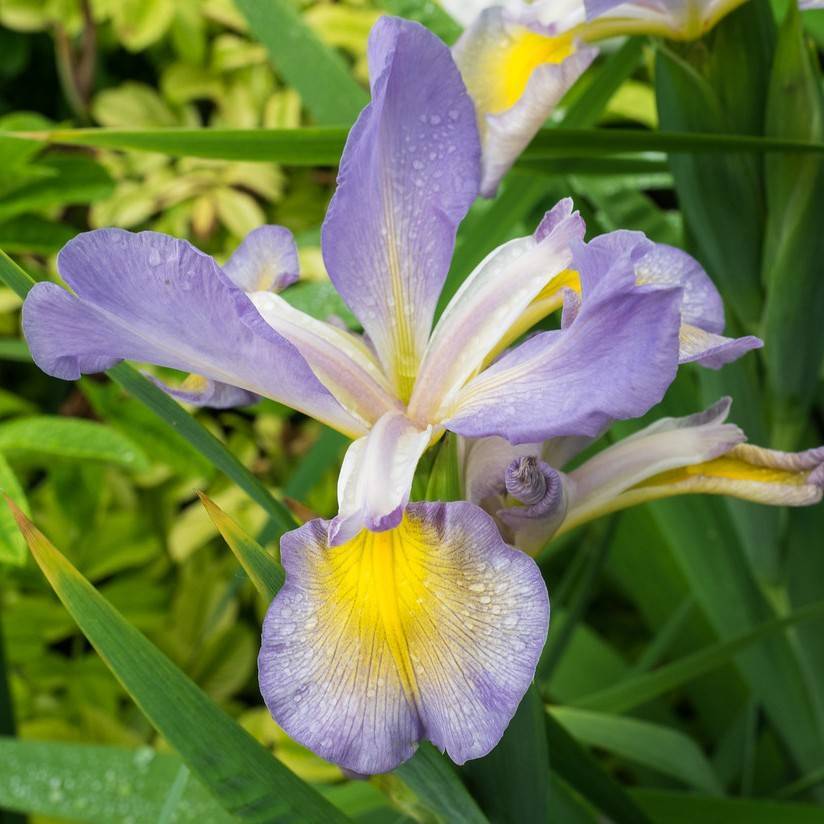
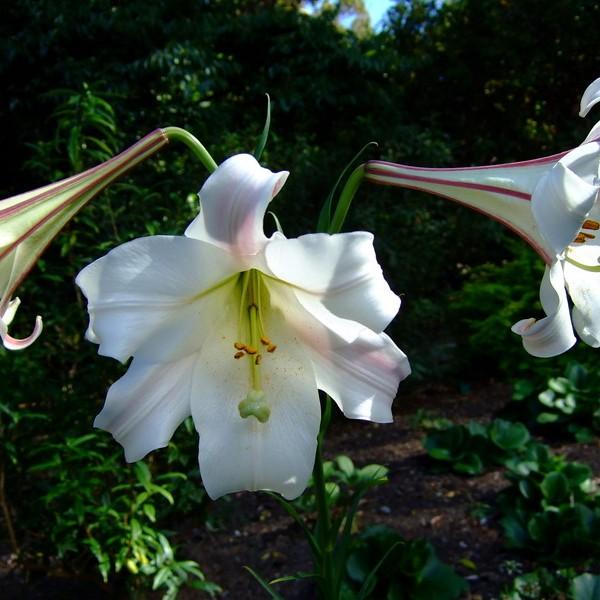
Gladiolus
Gladiolus spp.
Overview
Gladiolus, often called sword lily for its long, pointed foliage, produces towering flower spikes lined with funnel-shaped blooms that open from the bottom up. Most cultivated varieties are hybrids derived from African species, bred for larger flowers, broader color ranges, and stronger stems. These cormous plants die back to the ground after flowering, regrowing from their underground storage corms each growing season in suitable climates.
Care Guide
Watering
Water gladiolus deeply once per week during active growth, keeping soil consistently moist but not waterlogged to prevent corm rot. Reduce watering after flowers fade and foliage begins to yellow, allowing the soil to dry out as the plant enters dormancy. Avoid overhead watering to minimize fungal disease risk on foliage and flower spikes.
Light
Gladiolus requires full sun, meaning at least 6 to 8 hours of direct, unfiltered sunlight daily to produce strong stems and abundant blooms. Plants grown in partial shade will have weaker, spindly growth and fewer flowers, and may require staking to stay upright. In very hot, arid regions, light afternoon shade can prevent petal scorch without impacting flowering performance.
Soil
Plant gladiolus corms in well-draining, loamy or sandy soil with a pH between 6.0 and 7.0 for optimal growth. Heavy clay soils that retain moisture should be amended with compost, sand, or peat moss to improve drainage and prevent corm rot during wet periods. Avoid low-lying areas where water pools after rain, as prolonged saturation will kill the underground corms.
Fertilizer
Apply a balanced, 10-10-10 granular fertilizer at planting time, working it into the soil around the corms to support early root and foliage growth. When flower spikes begin to emerge, side-dress with a high-phosphorus fertilizer to encourage larger, more vibrant blooms. Avoid over-fertilizing with high-nitrogen products, as this will promote excessive foliage growth at the expense of flowers and weaken stems.
Temperature
Gladiolus grows best in air temperatures between 60 and 90°F (15 and 32°C) during its active growing season. Corms can be planted outdoors once soil temperatures reach at least 55°F (13°C) in spring, as they will not grow in cold, wet soil. In zones colder than USDA hardiness zone 7, corms must be dug up before the first fall frost and stored in a cool, dry location at 35 to 45°F (2 to 7°C) over winter.
Pruning
Remove spent flower spikes as soon as the last bloom fades to redirect the plant’s energy back into corm development instead of seed production. Allow foliage to remain in place until it turns completely yellow and dies back naturally, as the leaves photosynthesize to store energy in the corm for the next growing season. Cut back dead foliage to 1 to 2 inches above the soil line before digging corms for winter storage or before new growth emerges in spring.
Propagation
Gladiolus is most commonly propagated by dividing small cormels, or baby corms, that form around the base of the mature main corm during the growing season. Separate cormels from the parent corm when digging up for winter storage, and plant them in a separate nursery bed the following spring, where they will take 1 to 2 years to reach flowering size. Gladiolus can also be grown from seed, though seed-grown plants will not retain the characteristics of the parent hybrid and take 2 to 3 years to produce flowers.
Humidity
Gladiolus tolerates a wide range of humidity levels, performing well in both moderately dry and moderately humid conditions as long as air circulation is good. High humidity combined with poor air flow increases the risk of fungal diseases like botrytis blight and rust on foliage and flowers. In very humid regions, space plants 6 to 12 inches apart to allow air movement between them and reduce disease risk.
Repotting
When grown in containers, gladiolus corms should be dug up each fall after foliage dies back, and replanted in fresh potting mix the following spring to ensure adequate drainage and nutrient availability. Choose a container that is at least 12 inches deep to accommodate the corms’ root system and provide stability for tall flower spikes, with multiple drainage holes to prevent waterlogging. Corms grown in the ground do not require annual lifting and replanting in zones 7 and warmer, though dividing clumps every 2 to 3 years will prevent overcrowding and maintain robust flowering.
Uses & Symbolism
Gladiolus is one of the most popular cut flowers worldwide, prized for its long vase life of 7 to 10 days and dramatic, tall spikes that make a statement in floral arrangements and bouquets. In home gardens, it is planted in borders, cutting gardens, and mass displays for its wide range of bloom colors, including red, pink, yellow, white, purple, and bi-colored varieties. In some traditional medicine systems, gladiolus corms have been used topically to treat wounds and reduce inflammation, though consumption is not recommended due to toxicity.
Diseases & Pests
Gladiolus is susceptible to corm rot, a fungal disease caused by overly wet soil that leads to mushy, discolored corms and stunted or wilted growth. Common pests include thrips, which feed on flower buds and foliage, causing distorted blooms and silvery streaks on leaves, and aphids, which suck sap from new growth and can spread viral diseases. Fungal foliar diseases like rust and botrytis blight may occur in humid, poorly ventilated conditions, leading to brown spots on leaves and flower rot; these can be prevented by proper spacing and avoiding overhead watering.
Related plants
Other plants you might like if you grow Gladiolus.

%22%2F%3E%0A%20%20%20%20%20%20%3Ccircle%20cx%3D%22920%22%20cy%3D%22180%22%20r%3D%2290%22%20fill%3D%22%23cfe8d5%22%2F%3E%0A%20%20%20%20%20%20%3Cpath%20d%3D%22M600%20590c-90-180-215-255-310-280%200%20165%20118%20296%20270%20296h40z%22%20fill%3D%22%2379b88e%22%2F%3E%0A%20%20%20%20%20%20%3Cpath%20d%3D%22M600%20590c80-150%20198-212%20302-228-8%20142-123%20255-270%20255h-32z%22%20fill%3D%22%235c9f73%22%2F%3E%0A%20%20%20%20%20%20%3Cpath%20d%3D%22M600%20610V360%22%20stroke%3D%22%234f8c64%22%20stroke-width%3D%2218%22%20stroke-linecap%3D%22round%22%2F%3E%0A%20%20%20%20%20%20%3Ctext%20x%3D%22600%22%20y%3D%22700%22%20text-anchor%3D%22middle%22%20font-family%3D%22Arial%2C%20sans-serif%22%20font-size%3D%2244%22%20fill%3D%22%23365c45%22%3E%0A%20%20%20%20%20%20%20%20Plant%20image%20coming%20soon%0A%20%20%20%20%20%20%3C%2Ftext%3E%0A%20%20%20%20%3C%2Fsvg%3E%0A%20%20)