Formosan Lily
Lilium formosanum
Overview
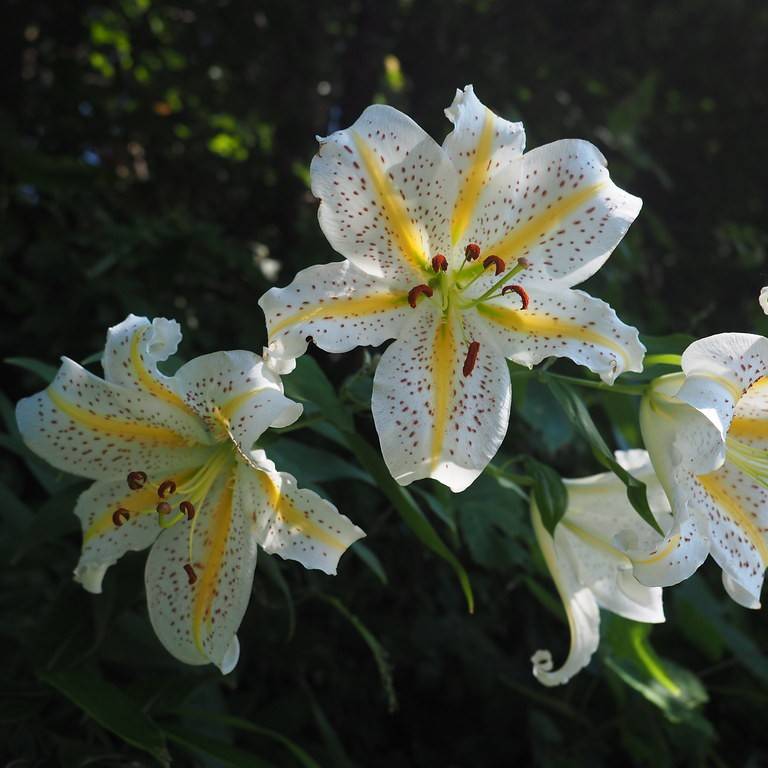
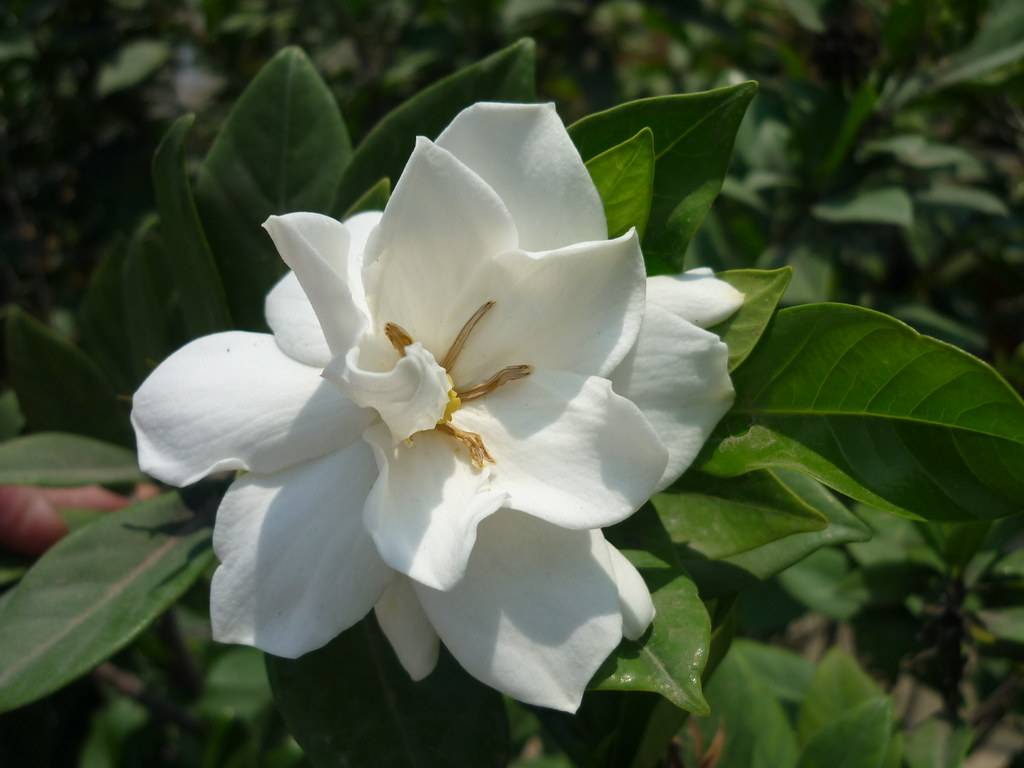
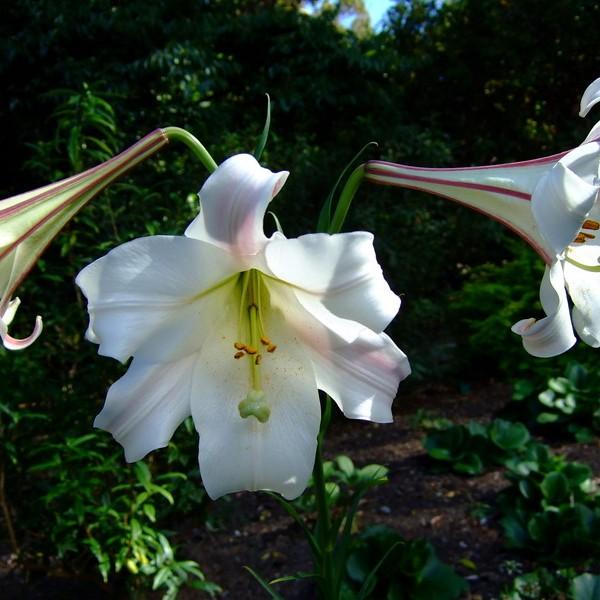
Formosan Lily is a bulbous perennial native to Taiwan’s mountainous regions, prized for its dramatic, outward-facing white trumpet flowers that can reach 10 inches long and emit a rich, sweet fragrance, especially at dusk. Its stems are lined with narrow, glossy dark green leaves, and blooms often feature subtle purple or maroon streaks on the outer tepals. In its native habitat, it grows in grassy mountain clearings and forest edges, adapting well to temperate garden conditions when given proper drainage and sun.
Care Guide
Watering
Water consistently during active growth in spring and summer, keeping soil evenly moist but never waterlogged to prevent bulb rot. Reduce watering gradually once foliage begins to yellow in fall, and keep bulbs nearly dry during winter dormancy to avoid fungal decay.
Light
Thrives in full sun to partial shade, with at least 6 hours of direct sunlight daily for optimal flowering. In very hot climates, provide light afternoon shade to prevent scorching of foliage and extend bloom life.
Soil
Requires well-drained, loamy soil with a slightly acidic to neutral pH (6.0 to 7.0) for healthy bulb development. Amend heavy clay soils with compost, perlite, or coarse sand to improve drainage, as waterlogged conditions will quickly kill the bulb.
Fertilizer
Feed with a balanced, slow-release bulb fertilizer in early spring as new shoots emerge, to support stem and foliage growth. Apply a second dose of low-nitrogen, high-phosphorus fertilizer just before blooming to encourage larger, more fragrant flowers, and avoid over-fertilizing which can lead to weak stems.
Temperature
Grows best in temperate climates with daytime temperatures between 60–75°F (15–24°C) during the growing season. Bulbs are cold-hardy to USDA zone 5, tolerating winter temperatures as low as -20°F (-29°C) when planted deep enough and mulched for insulation.
Pruning
Remove spent flower heads after blooming to prevent seed formation, which diverts energy from bulb storage for the next growing season. Allow foliage to die back completely and turn yellow in fall before cutting stems down to soil level, as green leaves continue to photosynthesize and feed the bulb.
Propagation
Most commonly propagated from bulb offsets, which form around the parent bulb over 2–3 growing seasons; separate offsets in fall during dormancy and replant immediately at the same depth as the parent bulb. Can also be grown from seed, though seedlings take 2–3 years to reach flowering size, and seeds require a 3-month cold stratification period to germinate successfully.
Humidity
Tolerates average ambient humidity between 40–60%, typical of most temperate garden environments. Avoid overly humid, stagnant air conditions around the foliage, as this increases risk of fungal leaf spot and botrytis blight.
Repotting
If grown in containers, repot every 2–3 years in fall during dormancy, when bulbs have multiplied and outgrown their current pot. Plant bulbs at a depth equal to 3 times their diameter, using fresh, well-drained potting mix, and space bulbs at least 6 inches apart to allow for air circulation and offset growth.
Uses & Symbolism
Widely grown as an ornamental plant in cottage gardens, cut flower gardens, and mixed perennial borders, prized for its tall, architectural form and fragrant, long-lasting cut flowers. In its native Taiwan, it holds cultural significance as a symbol of resilience, and it is used in traditional medicine by Indigenous communities for mild anti-inflammatory and diuretic purposes, though consumption is not recommended due to its toxicity.
Diseases & Pests
Susceptible to bulb rot caused by overly wet soil, which can be prevented by proper drainage and avoiding overwatering during dormancy. Common pests include aphids, which feed on new growth, and lily beetles, which chew foliage and flowers; both can be controlled with insecticidal soap or neem oil, and regular inspection of plants to remove pests early. Fungal diseases such as botrytis blight and leaf spot may occur in humid, poorly ventilated conditions, which can be mitigated by spacing plants for air flow and avoiding overhead watering.
Related plants
Other plants you might like if you grow Formosan Lily.