Glade Mallow
Napaea dioica
Overview
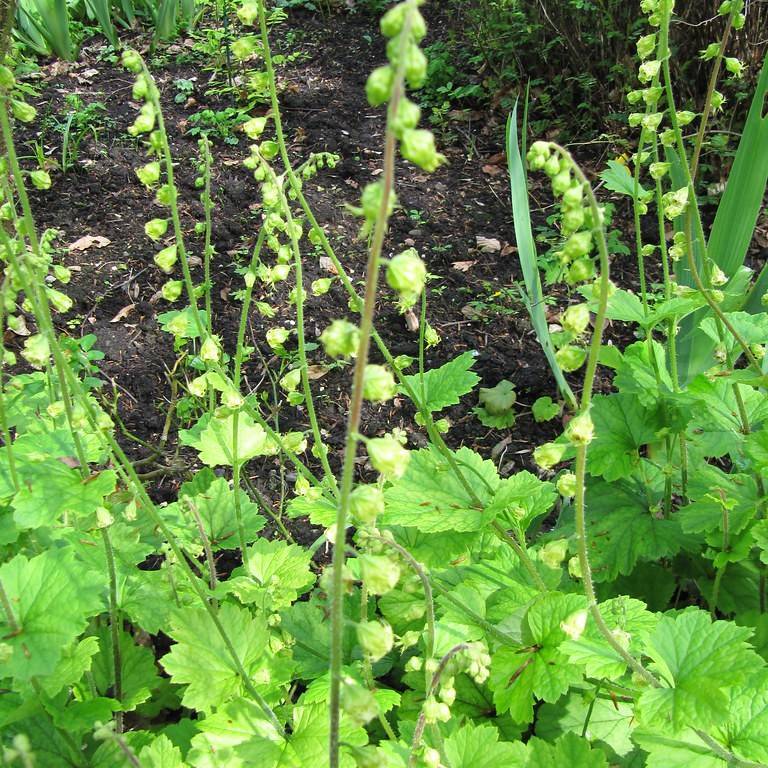
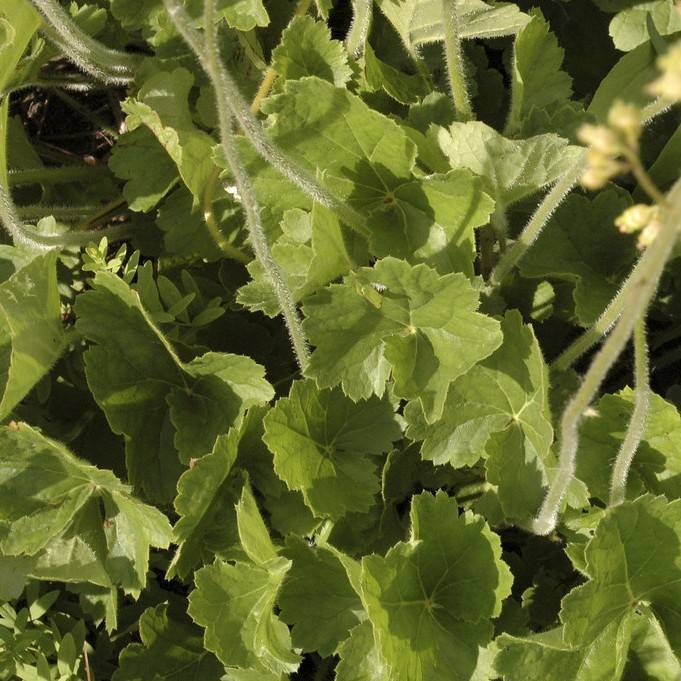
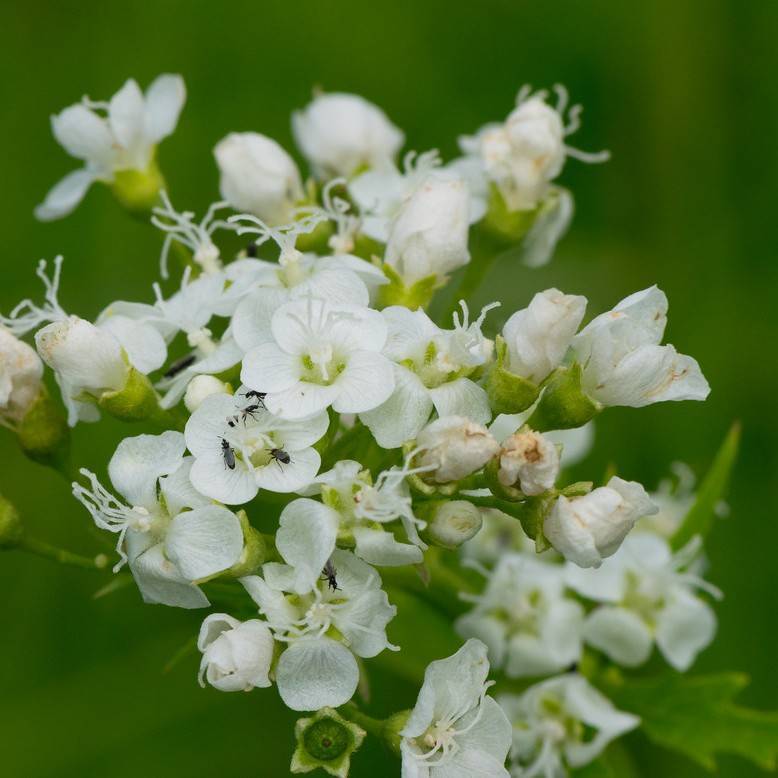
Glade mallow is a dioecious perennial in the mallow family, producing tall, upright, unbranched stems lined with large, palmately lobed, deep green foliage. From early to mid-summer, it bears dense, branching clusters of small, five-petaled white flowers, with male and female blooms appearing on separate plants. It thrives in damp, open habitats, and its deep root system makes it tolerant of occasional flooding and erosion-prone sites.
Care Guide
Watering
Glade mallow prefers consistently moist, well-watered soil, and will suffer from leaf scorch if allowed to dry out for extended periods during hot summer months. It can tolerate short periods of standing water, making it well suited for rain garden plantings or low-lying damp areas in the landscape. Reduce supplemental watering in fall as the plant enters dormancy, and only water during prolonged dry spells in winter in mild climates.
Light
It grows best in full sun, where it produces the most abundant blooms and sturdiest stems that require minimal staking. It can tolerate partial shade, though plants grown in shadier conditions may become leggy, produce fewer flowers, and need support to prevent flopping. Avoid full, deep shade, as it will severely limit flowering and may lead to weak, disease-prone growth.
Soil
Glade mallow adapts to a wide range of soil types, including loam, clay, and sandy soil, as long as the substrate retains consistent moisture. It prefers a neutral to slightly alkaline pH between 6.5 and 7.5, though it will tolerate mildly acidic conditions as well. Heavy, poorly draining soils are acceptable, as this species is adapted to occasional waterlogging, but extremely dry, sandy soils should be amended with compost to improve moisture retention.
Fertilizer
It is a low-feeding plant that typically does not require regular fertilization if grown in average to fertile garden soil. For poor, nutrient-depleted sites, apply a balanced, slow-release 10-10-10 fertilizer once in early spring as new growth emerges to support healthy stem and foliage development. Avoid over-fertilizing, as excessive nitrogen will lead to overly lush, weak growth that is prone to flopping and more susceptible to pest infestations.
Temperature
Glade mallow is cold hardy in USDA zones 3 to 7, tolerating winter temperatures as low as -40°F (-40°C) without extra protection once established. It prefers moderate summer temperatures between 65°F and 80°F (18°C to 27°C), and may require extra watering during extended heatwaves above 90°F (32°C) to prevent leaf stress. In the warmer end of its hardiness range, it benefits from light afternoon shade to reduce heat stress during the hottest parts of the day.
Pruning
Little regular pruning is required for glade mallow; simply remove any dead, damaged, or yellowed foliage throughout the growing season to improve air circulation. After flowering finishes in late summer, you can cut back spent flower stalks to the base to prevent self-seeding if desired, or leave seed heads in place to provide food for native songbirds. Cut all stems back to ground level in late fall or early spring before new growth emerges to keep the planting area tidy.
Propagation
Glade mallow is most easily propagated by seed, which can be sown directly outdoors in fall or stratified in moist refrigerated conditions for 30 to 60 days before spring sowing. Established clumps can also be divided in early spring just as new growth emerges, carefully separating the root mass into smaller sections and replanting immediately at the same depth they were originally growing. Cuttings are rarely used for propagation, as seed and division methods are far more reliable and produce vigorous plants quickly.
Humidity
It adapts well to average ambient humidity levels common in its native North American range, typically between 40% and 70%, and does not require extra humidity supplementation. High humidity paired with poor air circulation can increase the risk of foliar fungal diseases, so space plants 2 to 3 feet apart to allow for adequate airflow around foliage. It tolerates dry air for short periods, as long as soil moisture remains consistent to compensate for increased transpiration.
Repotting
Glade mallow is rarely grown in containers, as its large size and deep, spreading root system are better suited to in-ground landscape plantings. If grown in a large pot (minimum 15 gallon size) for a single season, repot every 2 to 3 years in early spring before new growth emerges, using a nutrient-rich, moisture-retentive potting mix. When repotting, gently loosen any circling roots and divide large overgrown clumps to prevent the plant from becoming root bound, which will reduce flowering and vigor.
Uses & Symbolism
Glade mallow is a popular choice for native plant gardens, rain gardens, stream bank stabilization, and naturalized meadow plantings, where its deep roots help prevent erosion and absorb excess stormwater. It is highly attractive to native pollinators including bumblebees, solitary bees, and butterflies, making it a valuable addition to pollinator habitat plantings. Young shoots and leaves are edible, and can be cooked and eaten like spinach, while Indigenous peoples historically used parts of the plant to treat minor digestive and respiratory ailments.
Diseases & Pests
Glade mallow is relatively pest and disease resistant, though it can be susceptible to foliar fungal diseases including rust, powdery mildew, and leaf spot in conditions of high humidity and poor air circulation. Japanese beetles may occasionally feed on the foliage, though infestations are rarely severe enough to cause long-term harm to established plants. Root rot can occur in extremely waterlogged soil over extended periods, though this species is far more tolerant of wet conditions than most other garden perennials.
Related plants
Other plants you might like if you grow Glade Mallow.