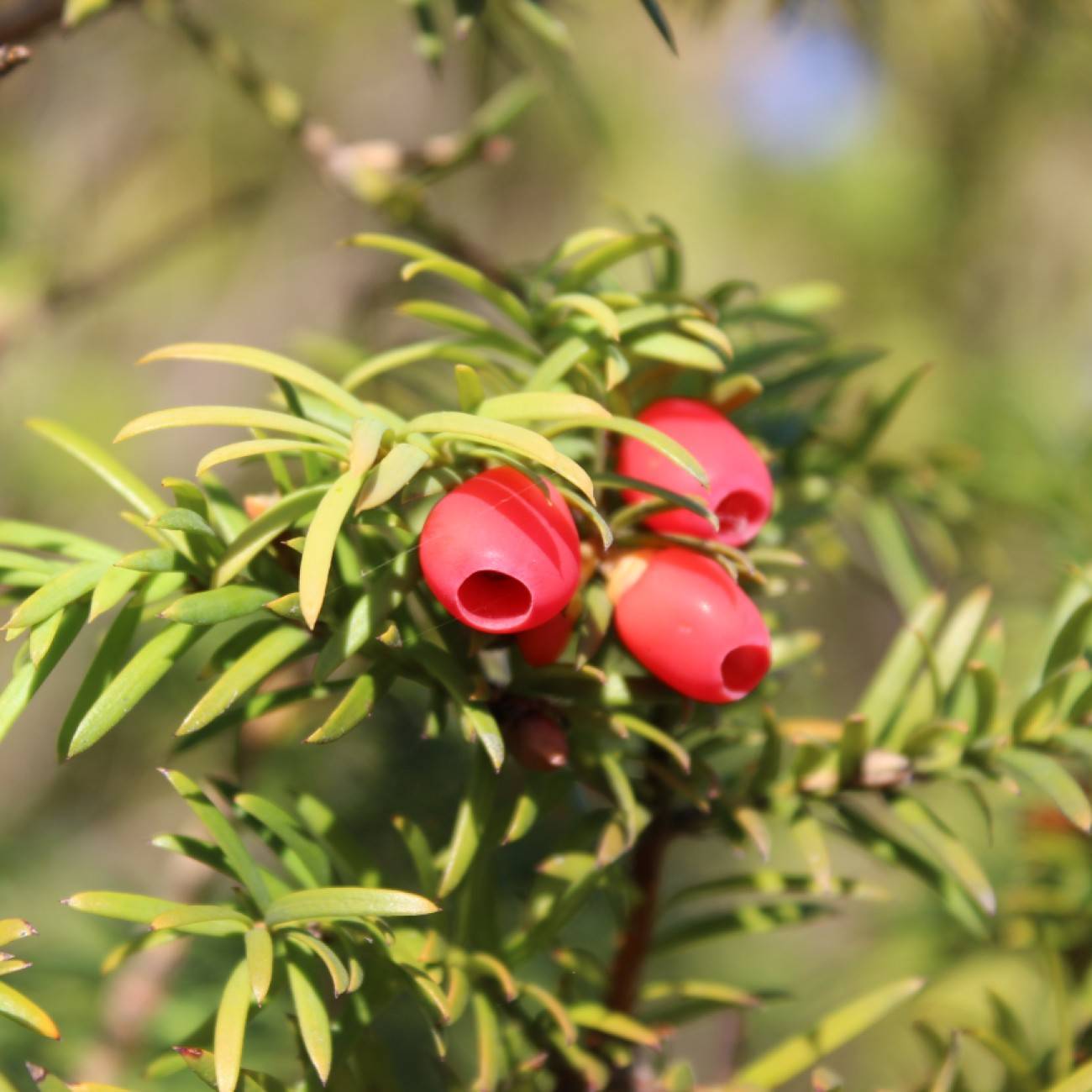
English Yew
Taxus baccata
Overview
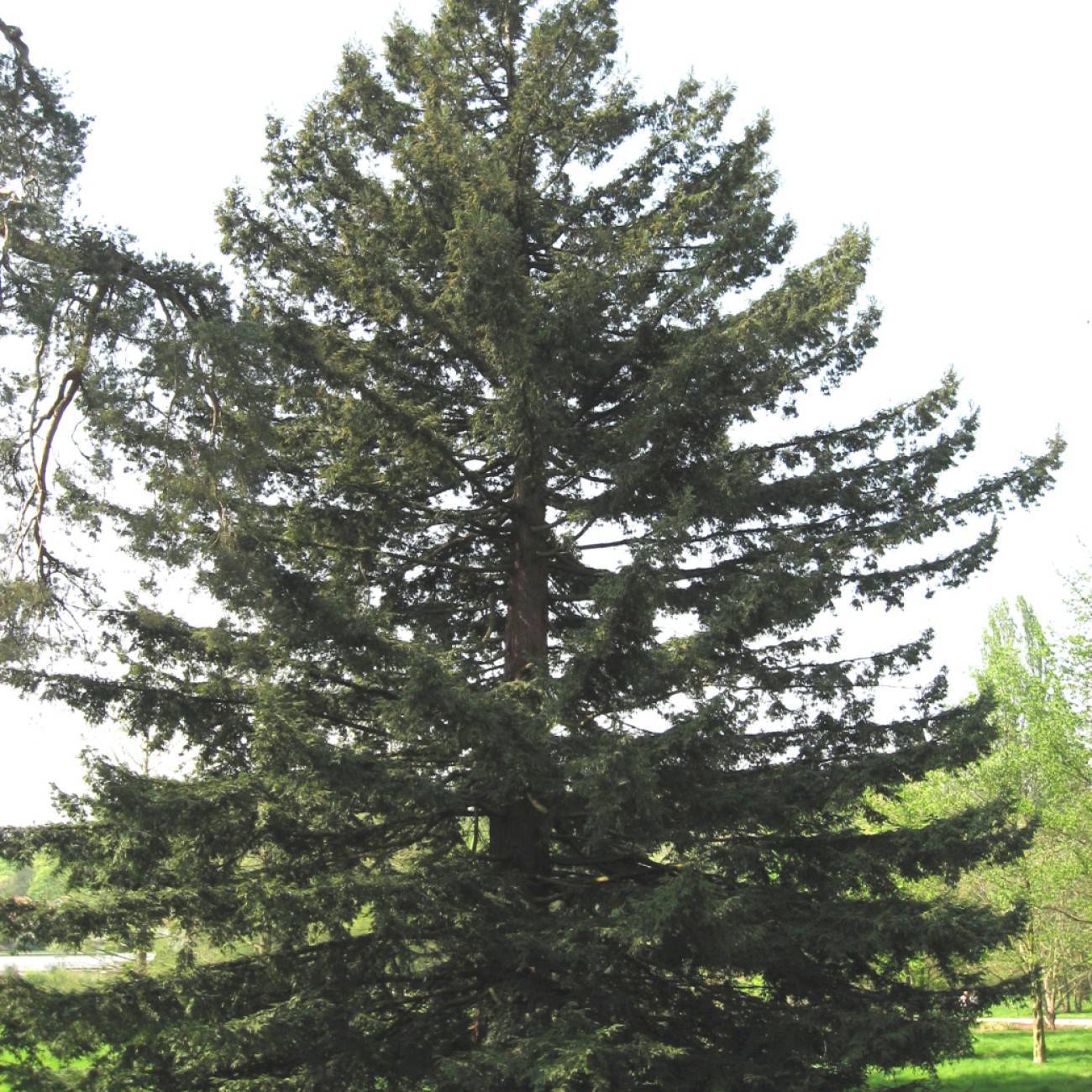
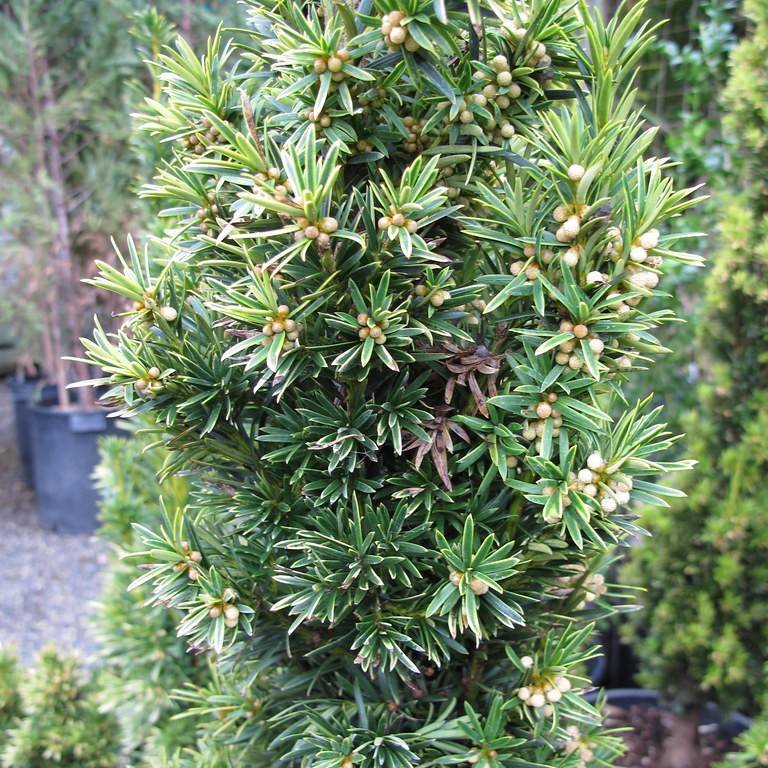
English Yew is a long-lived evergreen conifer, with some wild specimens estimated to be over 2,000 years old. Its dense, dark green needle foliage and tolerance for heavy pruning make it a staple of formal European gardens, where it is shaped into hedges, topiaries, and ornamental specimens. Female plants produce small, fleshy red arils in autumn, which are the only non-toxic part of the plant, though their inner seeds are still toxic.
Care Guide
Watering
English Yew prefers consistently moist but well-drained soil; avoid waterlogged conditions, which can cause root rot. Established plants are moderately drought tolerant, but young specimens need regular watering during extended dry periods to establish a strong root system. Reduce watering frequency in winter to prevent oversaturation of cold soil.
Light
This species thrives in full sun to full shade, making it highly adaptable to a wide range of garden locations. Foliage will be denser in full sun, while plants grown in heavy shade will have a more open growth habit that still works well for informal screening. Avoid planting in sites with intense, reflected midday sun in very hot climates to prevent foliage scorch.
Soil
English Yew tolerates most soil types, including sand, loam, and clay, as long as drainage is good. It prefers a slightly acidic to neutral pH range of 6.0 to 7.0, though it can adapt to mildly alkaline soils as well. Avoid heavy, compacted soils that hold standing water, as this will quickly kill the plant’s shallow root system.
Fertilizer
Feed established English Yew plants once annually in early spring with a balanced, slow-release evergreen fertilizer to support new foliage growth. Young plants benefit from a light application of fertilizer every 6 to 8 weeks during their first two growing seasons to encourage establishment. Do not fertilize in late summer or fall, as this can stimulate tender new growth that is vulnerable to winter frost damage.
Temperature
English Yew is cold hardy in USDA zones 6 to 7, tolerating winter temperatures as low as -10°F (-23°C). It can survive warmer climates up to zone 8, but may struggle with extreme, prolonged heat above 90°F (32°C) without adequate shade and water. Protect young plants from harsh, drying winter winds to prevent foliage browning.
Pruning
English Yew tolerates extremely heavy pruning, even cutting back to bare wood, as it readily sprouts new growth from old stems. Prune formal hedges and topiaries two to three times during the growing season from spring to late summer to maintain their desired shape. For informal specimens, only prune to remove dead, damaged, or crossing branches in early spring before new growth emerges.
Propagation
The most common method of propagation for cultivated English Yew is semi-hardwood cuttings taken in late summer or early autumn. Cuttings should be 4 to 6 inches long, stripped of lower foliage, dipped in rooting hormone, and placed in a well-drained rooting medium under mist. Growing from seed is possible but very slow, as seeds require 1 to 2 years of cold stratification to germinate, and seed-grown plants do not retain the characteristics of parent cultivars.
Humidity
English Yew adapts well to average ambient humidity levels in its native range, between 40% and 70%. It can tolerate drier air conditions, but may experience minor foliage browning in very low humidity, especially when grown indoors. Avoid placing indoor specimens near heating or cooling vents that create constant dry air flow.
Repotting
Container-grown English Yew specimens should be repotted every 2 to 3 years in early spring before new growth begins. Choose a pot that is 2 to 3 inches larger in diameter than the current container, with ample drainage holes to prevent waterlogging. Use a well-draining potting mix formulated for evergreens, and gently loosen the root ball before planting to encourage outward root growth.
Uses & Symbolism
English Yew is most widely used in formal landscaping for hedges, topiaries, and ornamental screening, valued for its year-round evergreen foliage and tolerance for shaping. The wood of English Yew is extremely dense and durable, historically used to make longbows, and is still used today for fine woodworking and cabinetry. Compounds extracted from Yew foliage are used in the production of paclitaxel, a chemotherapy medication used to treat several types of cancer.
Diseases & Pests
English Yew is relatively pest and disease resistant, but can suffer from root rot if grown in poorly drained, waterlogged soil. Common pests include yew scale, which feeds on foliage and excretes honeydew that leads to sooty mold, and black vine weevils, whose larvae feed on the plant’s roots, causing wilting and dieback. Foliage blight caused by Phytophthora fungi can occur in very wet, humid conditions, leading to brown, dying needles and branch dieback.
Related plants
Other plants you might like if you grow English Yew.