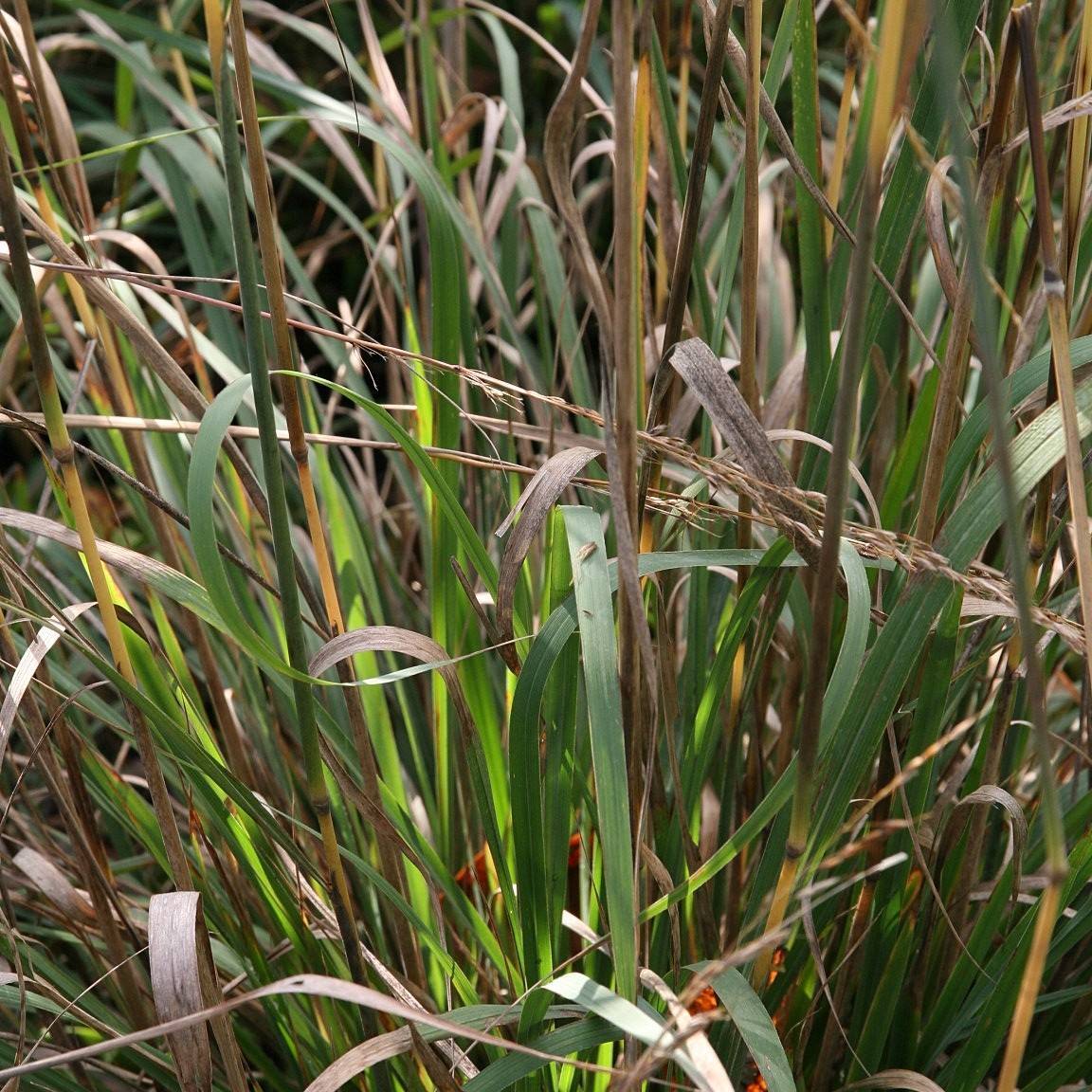
Indian Grass
Sorghastrum nutans
Overview
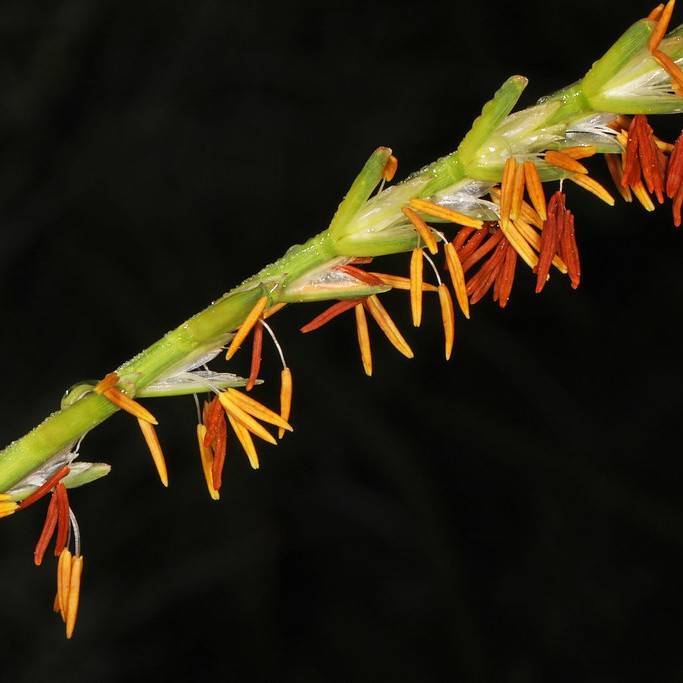
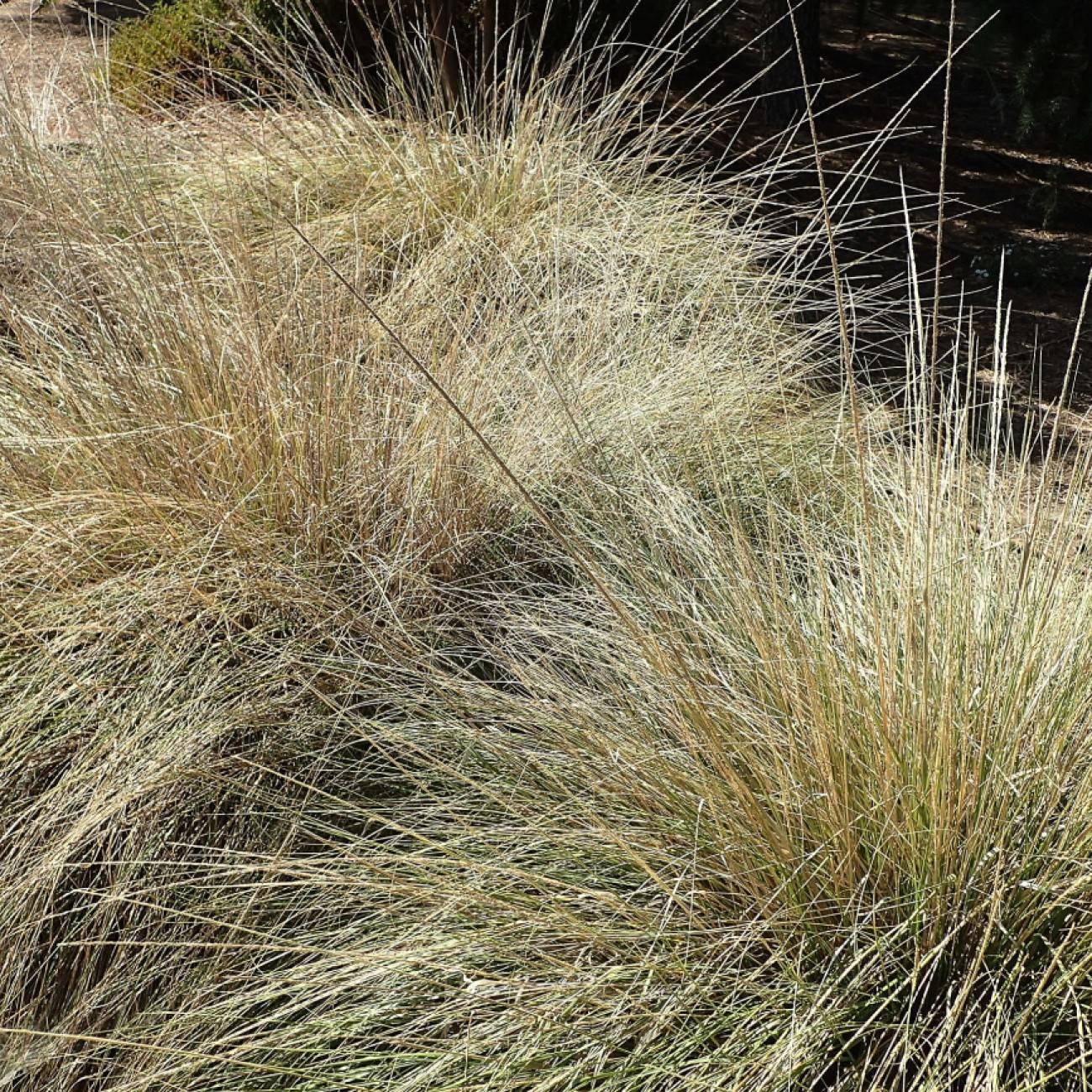
Indian Grass is a dominant warm-season grass of the historic North American tallgrass prairie ecosystem, recognized for its upright, clumping growth habit and soft, blue-green summer foliage. In late summer, it produces airy, golden-bronze feathery seed heads that persist through winter, adding visual interest to landscapes and providing food for songbirds and grazing wildlife. Highly adaptable to a range of conditions, it is a staple of prairie restoration projects, native plant gardens, and low-maintenance ornamental plantings.
Care Guide
Watering
Drought-tolerant once established, Indian Grass requires regular watering only during its first growing season to help develop a deep, extensive root system. Mature plants thrive with infrequent, deep watering during extended dry spells, and will rot if kept in consistently waterlogged soil. Avoid overwatering in poorly draining sites to prevent root damage.
Light
Indian Grass grows best in full, direct sunlight, requiring a minimum of 6 hours of unobstructed light per day to maintain its upright growth habit and produce abundant seed heads. It can tolerate very light partial shade, but shaded plants will become leggy, flop over easily, and produce fewer flowering stalks. Plant in open, unshaded locations for optimal performance.
Soil
Adaptable to a wide range of soil types, including sandy, loam, clay, and poor, rocky soils, as long as the site offers good drainage. It tolerates a pH range from slightly acidic to slightly alkaline, and can even thrive in nutrient-poor soils where many other ornamental grasses struggle. Avoid heavy, permanently waterlogged soils, which will cause root rot.
Fertilizer
Indian Grass rarely requires fertilization, especially when planted in native prairie or low-nutrient soils, as excessive nitrogen will cause the plants to grow too quickly and flop over. If grown in extremely poor, sandy soil, a single application of a balanced, slow-release fertilizer in early spring can support healthy growth, but use half the recommended strength to prevent overfeeding. Avoid high-nitrogen fertilizers entirely for established clumps.
Temperature
As a warm-season grass, it thrives in summer temperatures between 70–90°F (21–32°C), and is winter hardy in USDA zones 3 through 9. It goes dormant in fall when temperatures drop below 60°F (15°C), and its dormant clumps can tolerate winter lows as low as -40°F (-40°C) without additional protection. It is highly tolerant of both summer heat and cold winter frost.
Pruning
Prune Indian Grass back to 4–6 inches (10–15 cm) above the soil line in late winter or early spring, just before new growth emerges, to remove dead foliage and make room for fresh shoots. You can leave the seed heads and dried foliage intact through winter to provide wildlife food and winter landscape interest, and to protect the crown from extreme cold. Avoid pruning in fall, as this can weaken the plant and make it more susceptible to winter damage.
Propagation
Indian Grass is most easily propagated by seed, which can be sown directly outdoors in late fall (for cold stratification over winter) or early spring after the last frost. Mature clumps can also be divided every 3–4 years in early spring, just as new growth begins, by digging up the entire root mass, splitting it into smaller sections with at least 3–5 growing shoots each, and replanting immediately at the same depth as the original clump. Seed-grown plants will typically reach mature size in their second or third growing season.
Humidity
Indian Grass is highly adaptable to a wide range of humidity levels, thriving in both the humid eastern United States and the drier central plains regions. It tolerates high summer humidity well as long as it is planted in well-draining soil and has good air circulation around the clump to prevent foliar fungal issues. It has no special humidity requirements, making it suitable for most temperate climate gardens.
Repotting
Indian Grass is rarely grown in containers, as it develops a deep, extensive root system that requires ample space to spread. If grown in a large container for ornamental purposes, repot every 2–3 years in early spring before new growth emerges, moving to a pot at least 2 inches wider than the previous one to accommodate root growth. Use a well-draining, loamy potting mix, and ensure the container has large drainage holes to prevent waterlogging. In-ground plantings do not require repotting, but dividing overgrown clumps every 3–4 years will keep the stand healthy.
Uses & Symbolism
Indian Grass is a core species for prairie restoration projects, as its deep root system stabilizes soil, reduces erosion, and supports native pollinators and wildlife, including songbirds that feed on its seeds and beneficial insects that take shelter in its clumps. It is widely used in native ornamental landscaping, rain gardens, and xeriscapes for its attractive golden fall color, winter-persistent seed heads, and low-maintenance requirements. Historically, it was a primary forage grass for bison and is still used as a high-quality forage crop for livestock in many regions of North America.
Diseases & Pests
Indian Grass is largely pest and disease resistant, with few common issues when grown in its preferred conditions. It may occasionally develop foliar fungal diseases such as rust or leaf spot in excessively humid, poorly ventilated sites, which can be mitigated by spacing plants to improve air circulation and avoiding overhead watering. Rare infestations of aphids or grasshoppers may occur, but these rarely cause significant damage to healthy, established clumps, and can be controlled with insecticidal soap or natural predators if needed.
Related plants
Other plants you might like if you grow Indian Grass.