Calcareous Water Sedge
Carex viridula
Overview
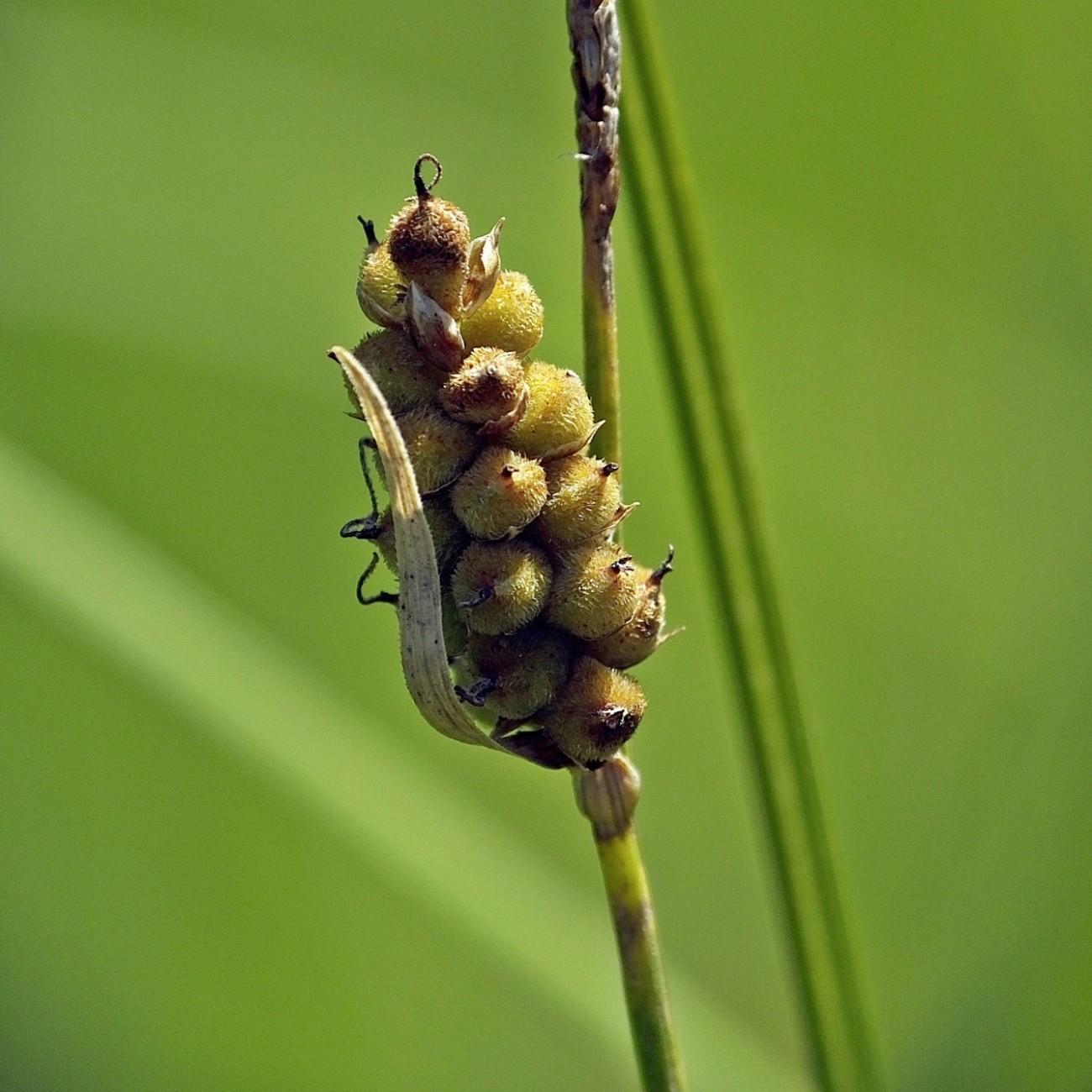
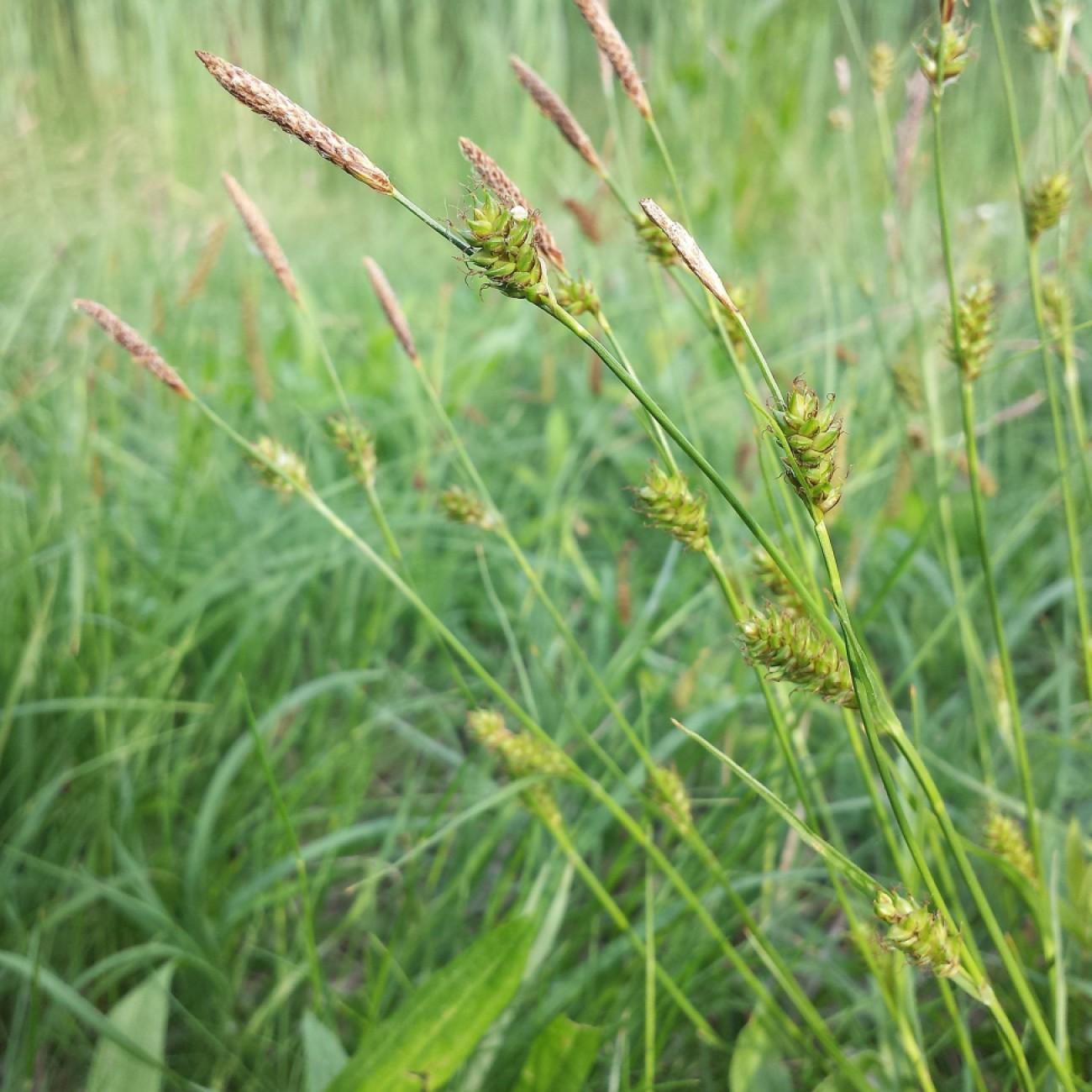
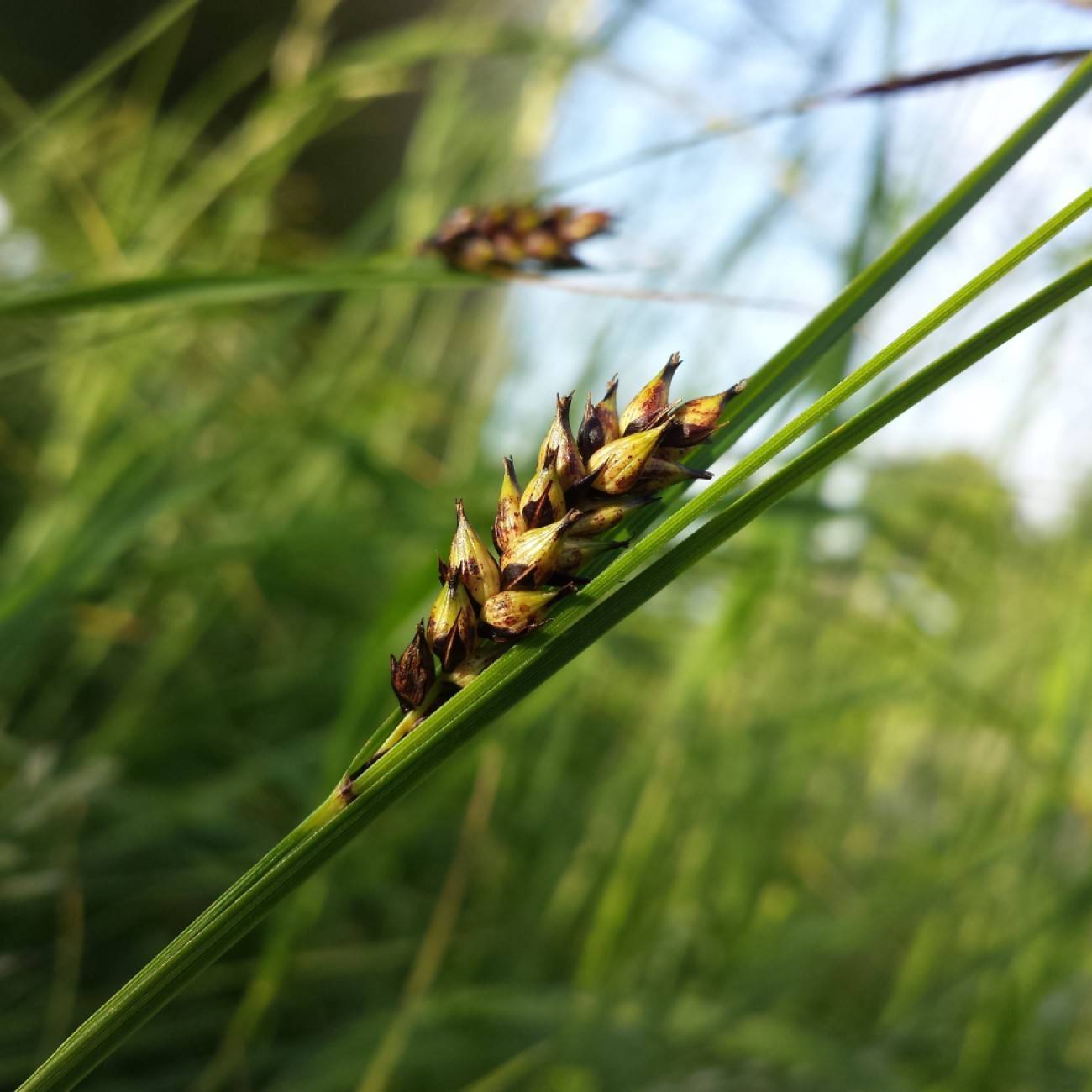
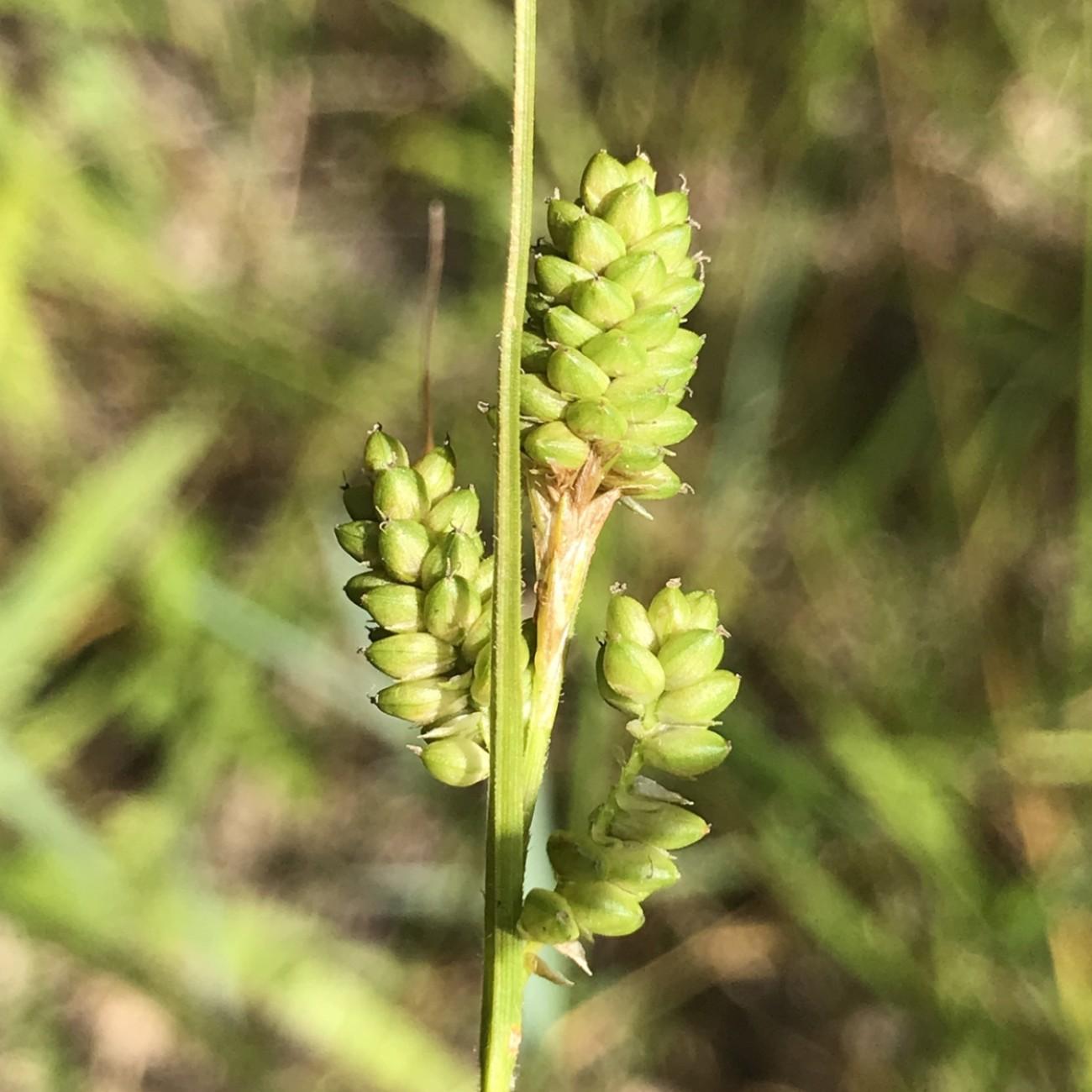
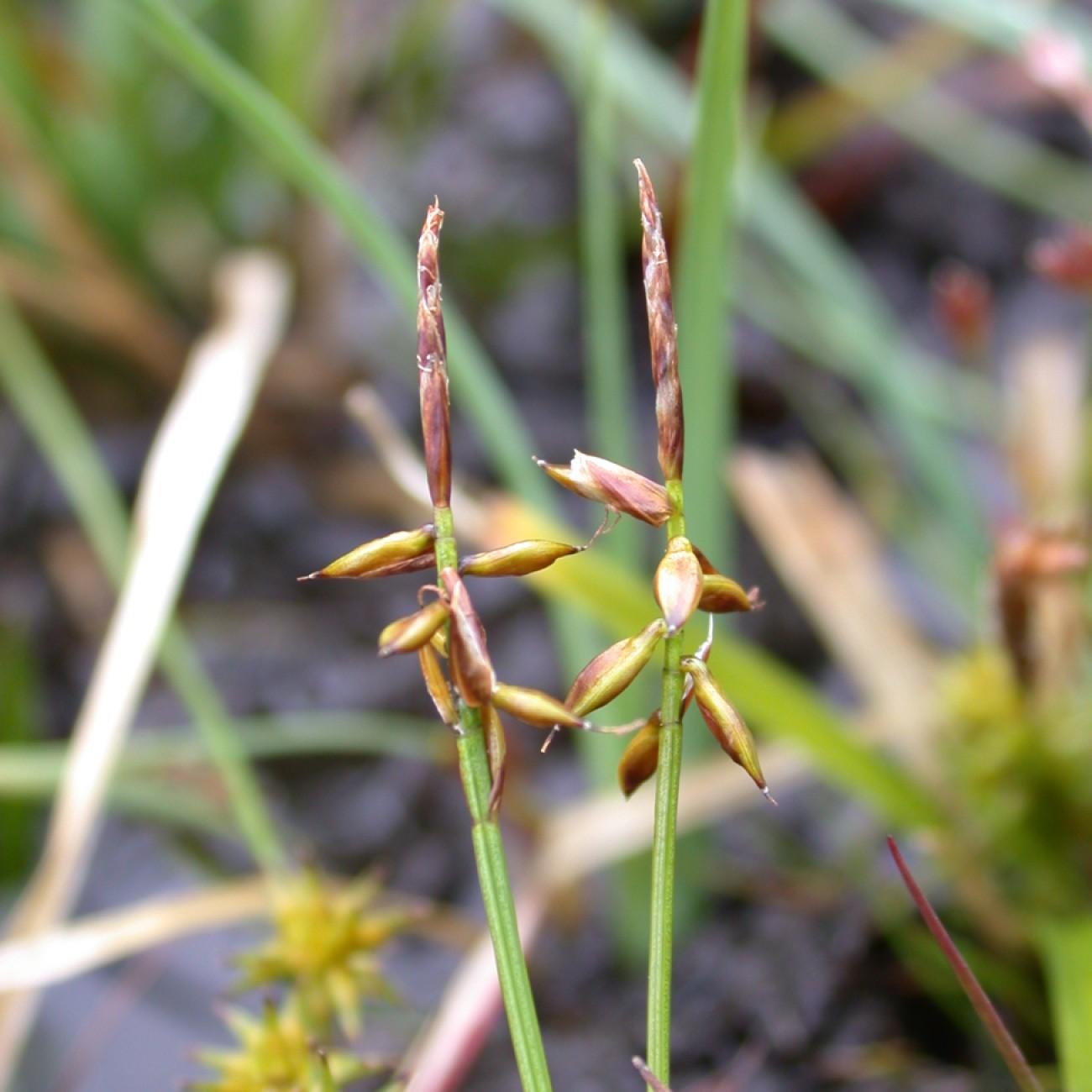
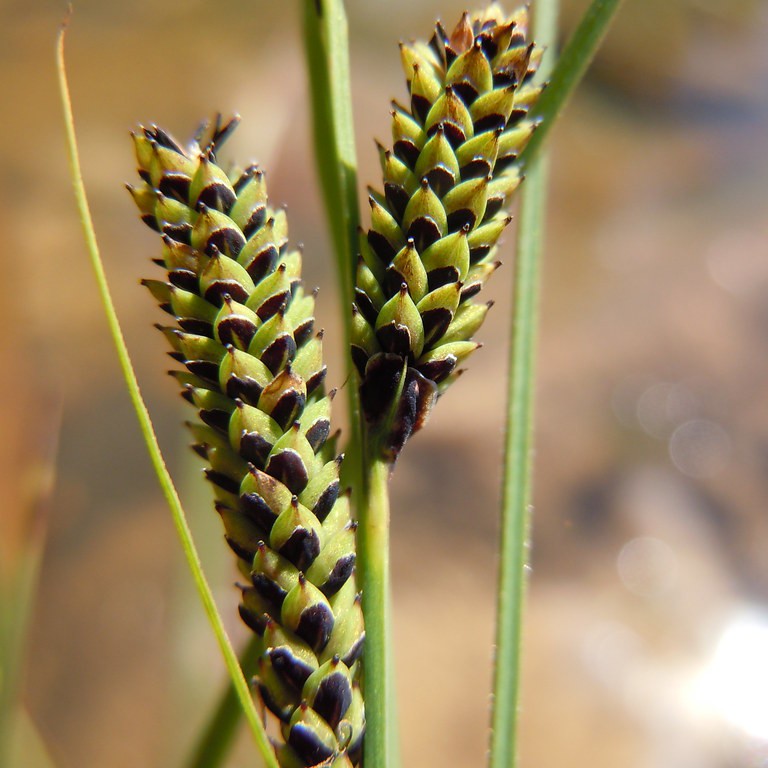
Calcareous water sedge is a low-growing, tufted graminoid distinguished by its narrow, bright green leaves and small, compact greenish-brown spikelets that bloom in early summer. It is a specialist of alkaline wetland environments, thriving in calcium-rich, saturated soils where many other wetland plants cannot grow. This species provides critical habitat and food for wetland invertebrates, small birds, and amphibians, and acts as a natural stabilizer for soft shoreline soils.
Care Guide
Watering
Requires consistently saturated to shallowly submerged soil, never allowing the root zone to dry out completely; in cultivation, maintain 1-2 inches of standing water above the soil surface for optimal growth. Avoid allowing water to become stagnant for long periods, as this can encourage root rot; refresh standing water periodically if grown in containers or small water features. In drier climates, supplement natural rainfall to ensure soil remains fully saturated year-round.
Light
Grows best in full sun to partial shade, receiving a minimum of 4 hours of direct sunlight daily to support dense clumping growth and healthy flowering. In hotter southern portions of its range, provide light afternoon shade to prevent leaf scorch and reduce excessive evaporation of surrounding moisture. Full shade conditions will result in sparse, leggy growth and reduced seed production.
Soil
Requires consistently moist to wet, alkaline (pH 7.0-8.5) soil high in calcium carbonate, typical of fen and calcareous seep habitats. Soil should be loamy or silty with high organic matter content, and can tolerate heavy clay substrates as long as they remain saturated. Avoid acidic, well-drained soils, as these will not support the species’ specialized nutritional and moisture requirements.
Fertilizer
Has very low nutrient requirements, and rarely needs supplemental fertilization in natural or garden wetland settings with sufficient organic matter. If grown in a container with minimal organic content, apply a dilute, slow-release aquatic plant fertilizer once per year in early spring, at half the recommended rate to avoid algal growth. Never use standard high-nitrogen garden fertilizers, as these can burn the delicate root system and disrupt the alkaline soil chemistry.
Temperature
Thrives in temperate climate conditions, with ideal growing temperatures ranging from 50-75°F (10-24°C) during the active growing season. It is cold hardy to USDA zone 3, tolerating winter temperatures as low as -40°F (-40°C), and will die back to its root crown during winter dormancy in colder regions. High temperatures above 90°F (32°C) may cause leaf browning if not paired with sufficient soil moisture and partial shade.
Pruning
Requires minimal pruning; remove dead or yellowed foliage in late winter or early spring before new growth emerges to improve air circulation and appearance. If grown in a contained water garden, trim back spreading clumps as needed to prevent overcrowding of other aquatic species. Do not cut back foliage during the active growing season, as this can stress the plant and reduce its ability to photosynthesize effectively.
Propagation
Most easily propagated by division of established clumps in early spring, just as new growth begins to emerge; separate clumps into smaller sections with intact root systems and replant immediately in saturated alkaline soil. Can also be grown from seed, which requires a 60-day cold stratification period to break dormancy, followed by sowing on the surface of consistently wet, alkaline soil under full sun. Seed germination rates are typically low, so division is the preferred method for home or restoration cultivation.
Humidity
Tolerates a wide range of humidity levels, from 40-80%, as long as soil moisture remains consistently high. In very dry, low-humidity environments, misting foliage is not necessary as long as the root zone is fully saturated, but surrounding standing water will naturally elevate local humidity levels. Very high humidity above 85% paired with poor air circulation may increase the risk of foliar fungal diseases, so ensure adequate space between clumps.
Repotting
If grown in container water gardens, repot every 2-3 years in early spring to refresh the soil and prevent root binding. Use a heavy, loamy aquatic potting mix amended with crushed limestone to maintain alkaline pH, and plant in a porous container without drainage holes to retain consistent soil saturation. After repotting, submerge the container so the soil surface is covered by 1-2 inches of fresh water to help the plant re-establish quickly.
Uses & Symbolism
Calcareous water sedge is widely used in wetland restoration projects for calcareous fen and shoreline habitats, where it stabilizes eroding soils, filters runoff pollutants, and supports native wetland wildlife. It is a popular choice for contained water gardens and rain gardens with alkaline soil, adding fine-textured green foliage and supporting local pollinators and beneficial insects. Historically, some Indigenous communities used the tough, flexible leaves of the species for weaving small baskets and matting.
Diseases & Pests
The most common pests are aquatic aphids and sedge sawfly larvae, which feed on foliage and can cause minor defoliation; these are typically controlled by natural predators such as ladybugs and small birds, or by rinsing foliage with a strong stream of water. Fungal leaf spot and root rot may occur in stagnant water or poorly aerated soil, so ensure regular water circulation and avoid overcrowding clumps to reduce disease risk. In nutrient-rich conditions, the plant may be outcompeted by faster-growing aggressive wetland species such as cattails, so regular maintenance of planting areas is recommended to prevent displacement.
Related plants
Other plants you might like if you grow Calcareous Water Sedge.