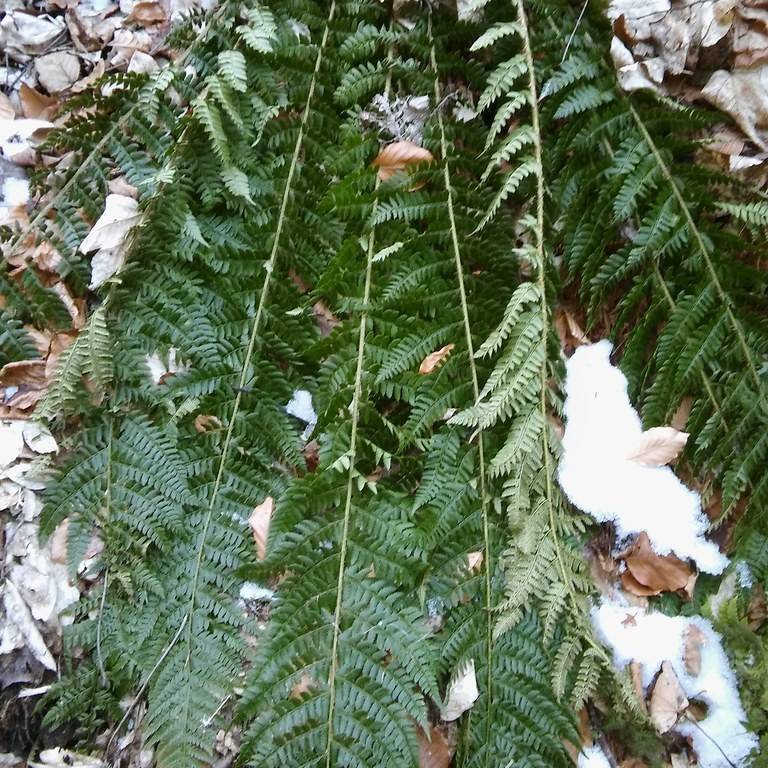
Braun's Holly Fern
Polystichum braunii
Overview
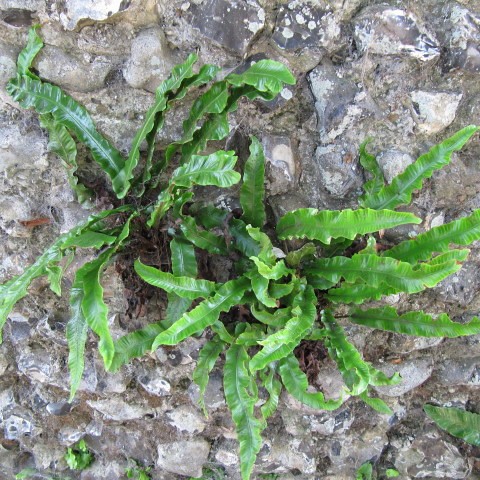
Braun's Holly Fern is a robust evergreen fern distinguished by its stiff, leathery fronds lined with sharp-tipped, holly-like leaflets that stay deep green year-round. It forms dense, neat clumps over time, making it a low-maintenance choice for shaded garden borders, rock gardens, or woodland landscapes. It is also well-suited to indoor container growth in cool, low-light areas where many other foliage plants struggle.
Care Guide
Watering
Keep soil consistently moist but never waterlogged, watering when the top 1 inch of soil feels dry to the touch. Reduce watering frequency slightly in winter when growth slows, but avoid letting the root ball dry out completely. Avoid watering directly onto the center of the fern clump to prevent rot.
Light
Thrives in partial to full shade, preferring dappled, indirect light with no direct midday sun that can scorch its fronds. Indoor specimens do best near north-facing windows or in dimly lit rooms away from harsh artificial or natural light. Too much sun will cause frond yellowing and browning at the edges.
Soil
Requires rich, well-drained, loamy soil with high organic matter content and a slightly acidic to neutral pH between 5.5 and 7.0. For potted plants, use a peat-based potting mix amended with perlite or orchid bark to improve drainage and moisture retention. Heavy, clay soils should be amended with compost prior to planting to prevent waterlogging.
Fertilizer
Feed lightly in early spring and mid-summer with a balanced, diluted liquid fertilizer formulated for foliage plants. Avoid over-fertilizing, which can cause frond burn and damage the fern's delicate root system. Skip fertilization entirely in fall and winter when the plant is dormant.
Temperature
Prefers cool temperatures between 50-70°F (10-21°C), and can tolerate short dips down to -30°F (-34°C) when planted outdoors in USDA hardiness zones 3-7. Indoor specimens should be kept away from heating vents, radiators, and drafty windows that cause sudden temperature fluctuations. High heat above 75°F (24°C) can cause frond wilting and stress.
Pruning
Remove any brown, damaged, or dead fronds at the base in early spring before new growth emerges to improve air circulation and maintain a neat appearance. Trim off any yellowed or browning frond tips as needed throughout the growing season to keep the plant looking healthy. Avoid pruning new, unfurling fiddleheads, as these are fragile and will not regrow if damaged.
Propagation
Most easily propagated by dividing mature clumps in early spring before new growth starts, carefully separating root sections with at least 2-3 healthy fronds each and replanting immediately. Spore propagation is possible but slower, requiring collecting ripe spores from the undersides of mature fronds in late summer and sowing them on moist, sterile growing medium under high humidity. Newly propagated plants should be kept shaded and consistently moist until established.
Humidity
Prefers moderate to high humidity levels between 50-70% to keep fronds lush and prevent browning at the edges. Indoor specimens benefit from regular misting, placement on a pebble tray filled with water, or use of a small humidifier in dry indoor environments. Avoid placing plants near forced air heating or cooling systems that reduce ambient humidity.
Repotting
Repot container-grown plants every 2-3 years in early spring, moving to a pot only 1-2 inches larger than the current one to prevent excess soil moisture that causes root rot. Gently loosen the root ball before repotting and refresh the potting mix with additional organic matter to support new growth. Avoid repotting when the fern is actively producing new fiddleheads to prevent stress.
Uses & Symbolism
Braun's Holly Fern is widely used as a low-maintenance ground cover or accent plant in shaded woodland gardens, rock gardens, and shaded border edges, where its evergreen foliage provides year-round interest. It is also a popular choice for indoor container planting in cool, low-light spaces, adding lush green texture to homes and offices. Cut fronds are long-lasting in floral arrangements, often used in both fresh and dried bouquets for their unique spiky texture.
Diseases & Pests
Braun's Holly Fern is relatively pest and disease resistant, but can be susceptible to aphids, scale insects, and mealybugs that feed on frond sap, especially in indoor environments with poor air circulation. Overwatering or poorly drained soil can lead to root rot and fungal leaf spots, which cause brown lesions on fronds and eventual plant decline. Slugs and snails may occasionally feed on young, tender fiddleheads in outdoor garden settings, especially in very moist conditions.
Related plants
Other plants you might like if you grow Braun's Holly Fern.
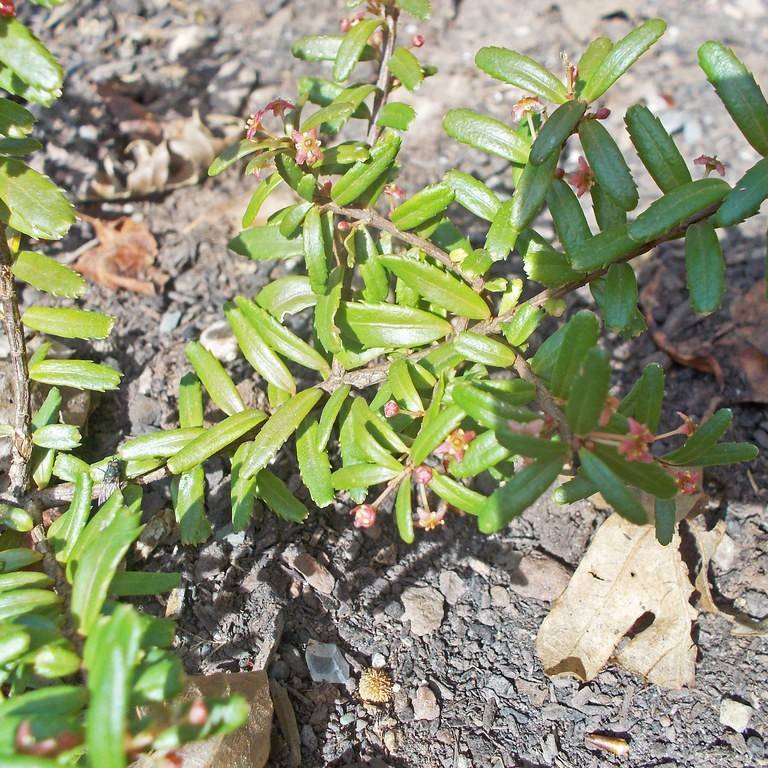
Cliff Green
Pellaea viridis
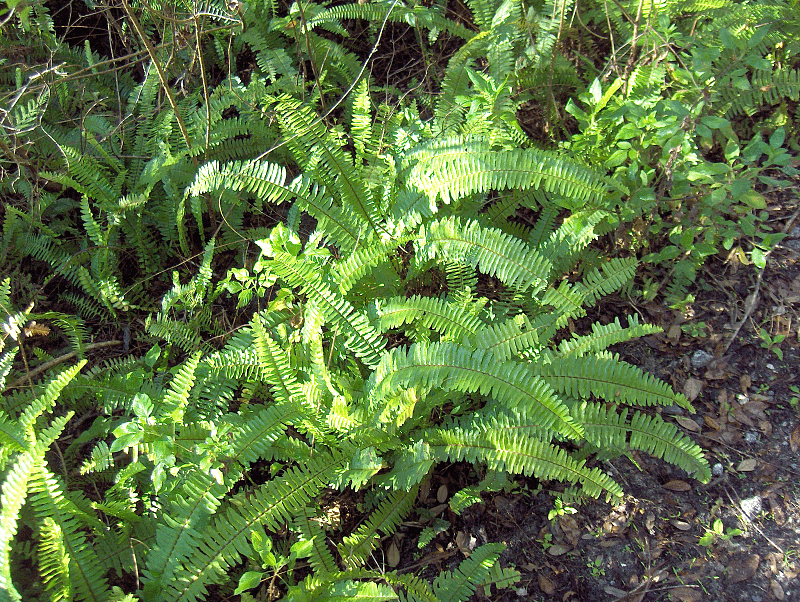
Boston Fern
Nephrolepis exaltata 'Bostoniensis'
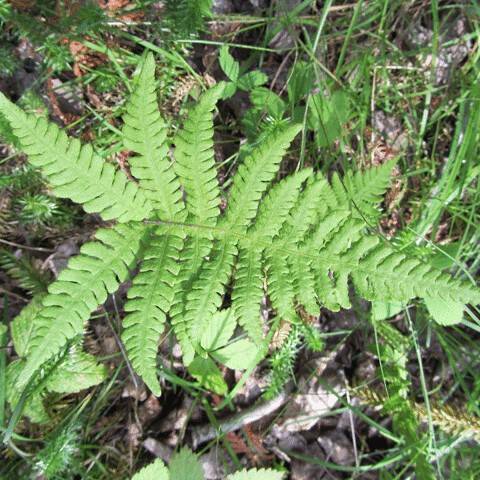
Broad Beech Fern
Phegopteris hexagonoptera
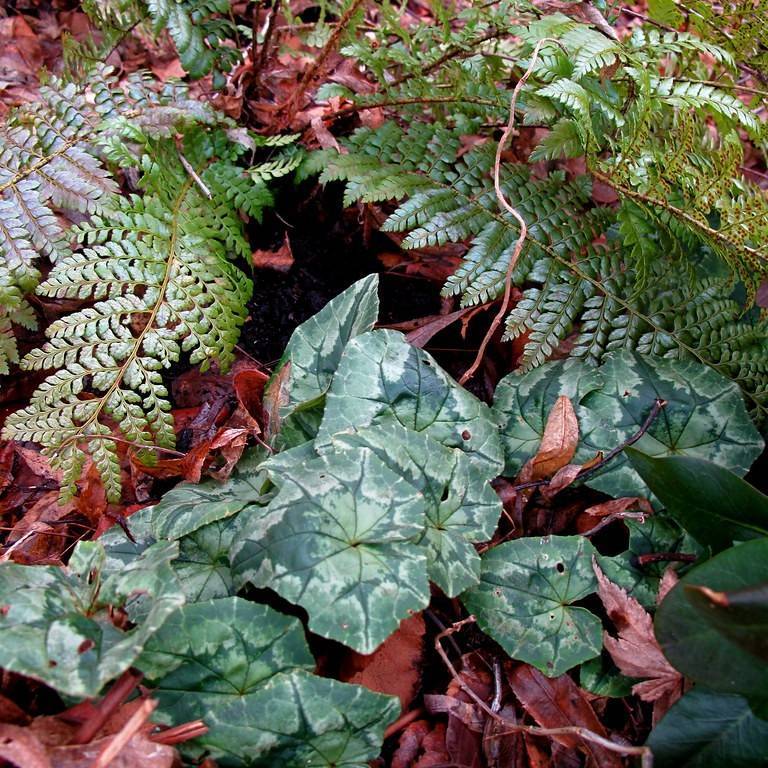
Dyce S Holly Fern
Cyrtomium fortunei 'Dycei'
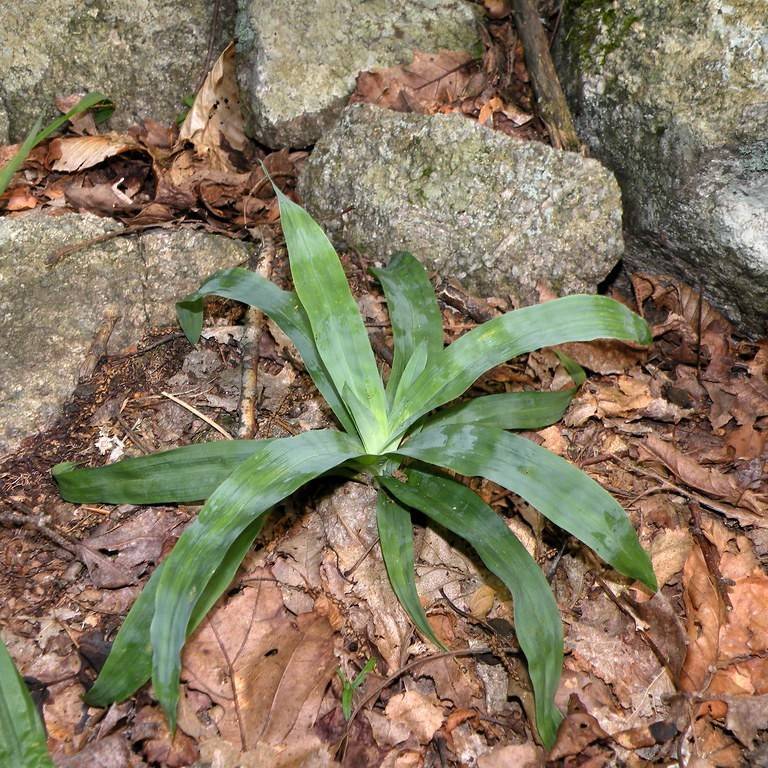
Broad Leaved Sedge
Carex platyphylla
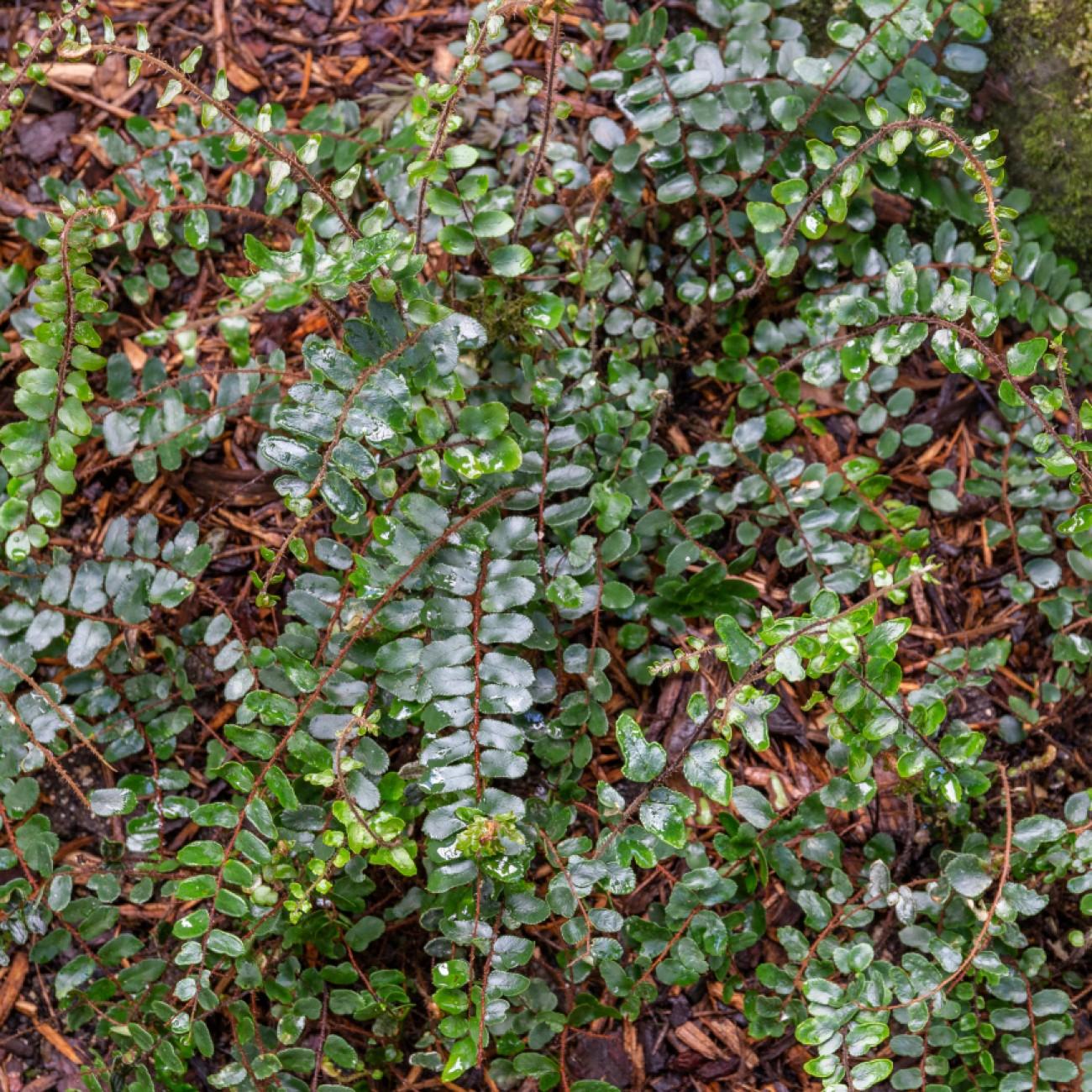
Button Fern
Pellaea rotundifolia
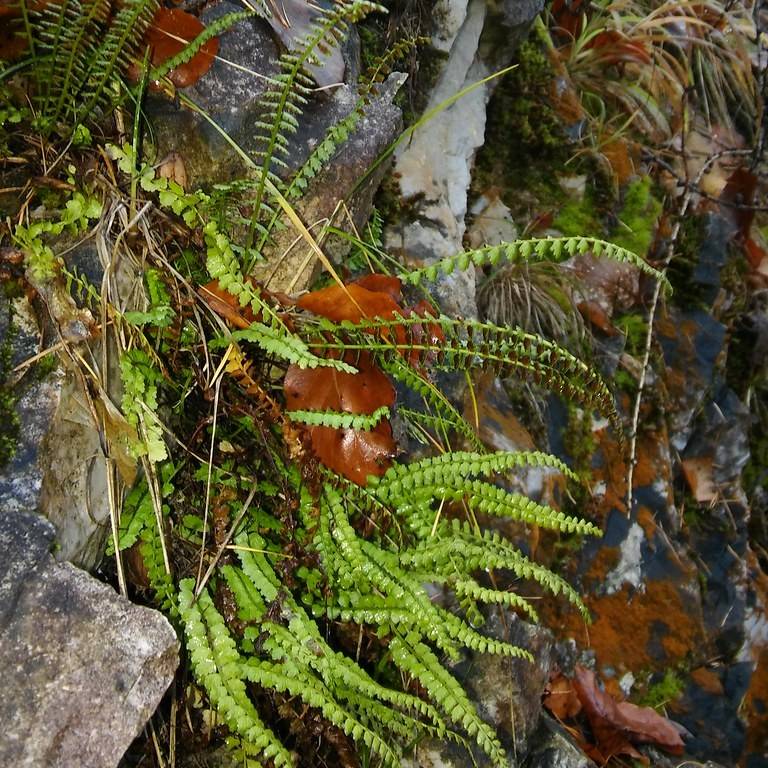
Green Spleenwort
Asplenium viride
European Hart's Tongue Fern
Asplenium scolopendrium