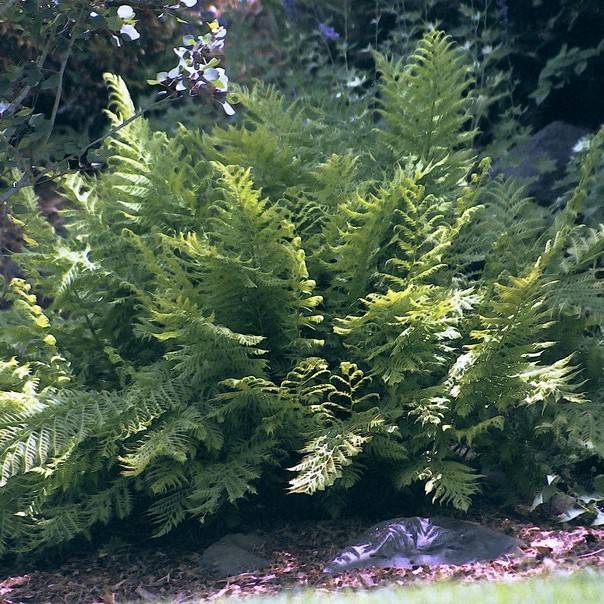
American Alpine Lady Fern
Athyrium americanum
Overview
American Alpine Lady Fern is a small, clumping deciduous fern that thrives in the cool, moist conditions of high mountain meadows, stream banks, and rocky crevices. Its delicate, finely dissected fronds emerge in spring, unfurling to form neat, dense mounds that die back completely to the ground at the first hard frost of autumn. It is well-adapted to short growing seasons and extreme temperature fluctuations common in alpine environments, making it a hardy choice for cool-climate gardens.
Care Guide
Watering
This fern requires consistently moist, well-drained soil and should never be allowed to dry out completely, especially during active spring and summer growth. Water deeply whenever the top 1 inch of soil feels dry to the touch, taking care to avoid waterlogging that can lead to root rot. In warmer low-elevation plantings, you may need to water more frequently to compensate for higher evaporation rates.
Light
American Alpine Lady Fern prefers partial to full shade, mimicking the dappled sunlight it receives under mountain shrubs or in rocky north-facing crevices in its native habitat. It can tolerate brief periods of direct morning sun, but harsh midday or afternoon sun will scorch its delicate fronds and cause browning at the edges. In cooler alpine gardens, it can handle slightly more sun as long as soil moisture remains consistent.
Soil
Plant in rich, humusy, slightly acidic to neutral soil with excellent drainage, ideally amended with plenty of well-rotted leaf mold or compost to replicate its native mountain forest floor substrate. Heavy clay soils should be loosened and mixed with peat moss or perlite to improve drainage and prevent standing water around the shallow root system. A soil pH between 5.5 and 7.0 supports the healthiest growth.
Fertilizer
This fern is a light feeder that rarely requires supplemental fertilization when planted in humus-rich soil, as it obtains most nutrients from decaying organic matter in its environment. If growth appears stunted or fronds are pale, apply a diluted, balanced liquid fertilizer once in early spring, at half the recommended strength for leafy ornamental plants. Avoid over-fertilizing, as this can lead to lush, weak growth that is more susceptible to pest damage and frost injury.
Temperature
American Alpine Lady Fern is extremely cold-hardy, tolerating winter temperatures as low as -40°F (-40°C) when dormant, suited to USDA hardiness zones 3 through 7. It thrives in cool summer temperatures between 55°F and 70°F (13°C and 21°C), and will struggle in prolonged heat above 80°F (27°C), often going dormant early to conserve energy. In warmer climates, it requires extra shade and consistent moisture to survive summer heat.
Pruning
Prune away any dead, brown, or damaged fronds in early spring before new growth emerges, to keep the clump looking tidy and improve air circulation around the plant. You can also trim off any fronds that become scorched or diseased during the growing season, cutting them back to the base of the stem with clean, sharp pruning shears. No regular pruning is required during the active growing season beyond removing unsightly or damaged foliage.
Propagation
The most reliable method of propagation is division of established clumps in early spring, just as new fronds are beginning to unfurl. Carefully dig up the entire root ball, gently separate it into smaller sections with at least 3 to 5 healthy growing points each, and replant immediately at the same depth as the original plant, keeping the soil consistently moist until new growth appears. It can also be grown from spores collected from mature fronds in late summer, though this method is slower and more labor-intensive for home gardeners.
Humidity
This fern prefers moderate to high humidity levels between 50% and 70%, similar to the moist mountain air of its native habitat. In dry indoor or low-elevation garden environments, you can boost humidity by placing a tray of water and pebbles near potted specimens, or by grouping it with other moisture-loving plants to create a microclimate with higher ambient moisture. Avoid placing it near heating vents, air conditioners, or drafty areas that can dry out its fronds quickly.
Repotting
Potted American Alpine Lady Ferns should be repotted every 2 to 3 years in early spring, before new growth begins, when roots start to grow out of the drainage holes or become pot-bound. Choose a pot that is 1 to 2 inches larger in diameter than the current container, with multiple drainage holes to prevent waterlogging, and use a fresh potting mix of equal parts peat moss, perlite, and well-rotted compost. When repotting, gently loosen tangled roots and avoid burying the crown of the plant, as this can lead to rot.
Uses & Symbolism
American Alpine Lady Fern is a popular choice for cool-climate shade gardens, rock gardens, alpine troughs, and woodland borders, where its delicate lacy foliage adds soft texture and contrast to broad-leafed shade perennials. It is also well-suited for container growing on shaded patios or cool sunrooms, and is often used in native plant and pollinator gardens to provide shelter for small beneficial insects. In its native range, it has historically been used by Indigenous groups for medicinal purposes, including as a poultice for minor cuts and skin irritations.
Diseases & Pests
The most common pests affecting this fern are aphids, slugs, and snails, which feed on young, tender fronds in spring, and can be controlled with hand-picking, natural slug bait, or a gentle spray of insecticidal soap. It is susceptible to root rot if planted in poorly drained, waterlogged soil, so ensuring proper soil structure and avoiding overwatering is critical to preventing this fungal disease. In excessively dry conditions, it may develop brown, crispy frond edges, which can be remedied by increasing watering frequency and boosting ambient humidity around the plant.
Related plants
Other plants you might like if you grow American Alpine Lady Fern.
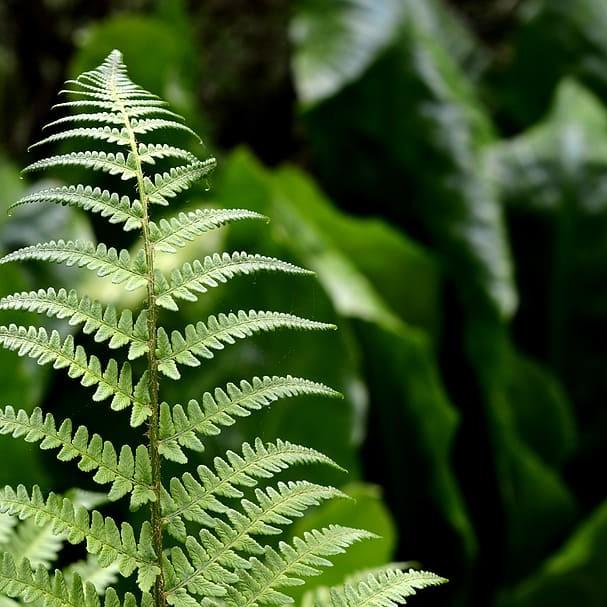
Beech Fern
Phegopteris connectilis
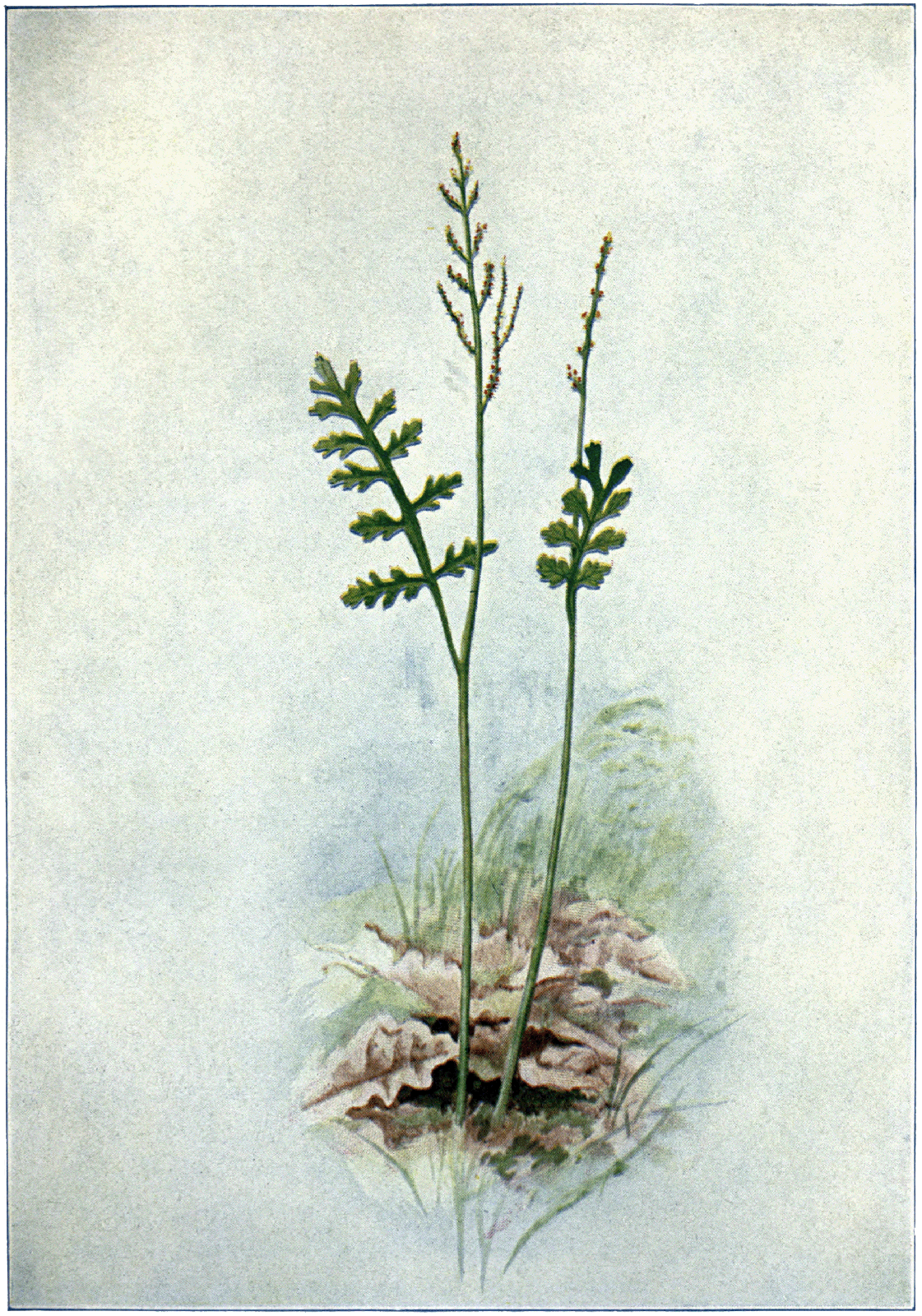
Chamomile Grape Fern
Botrychium matricariifolium
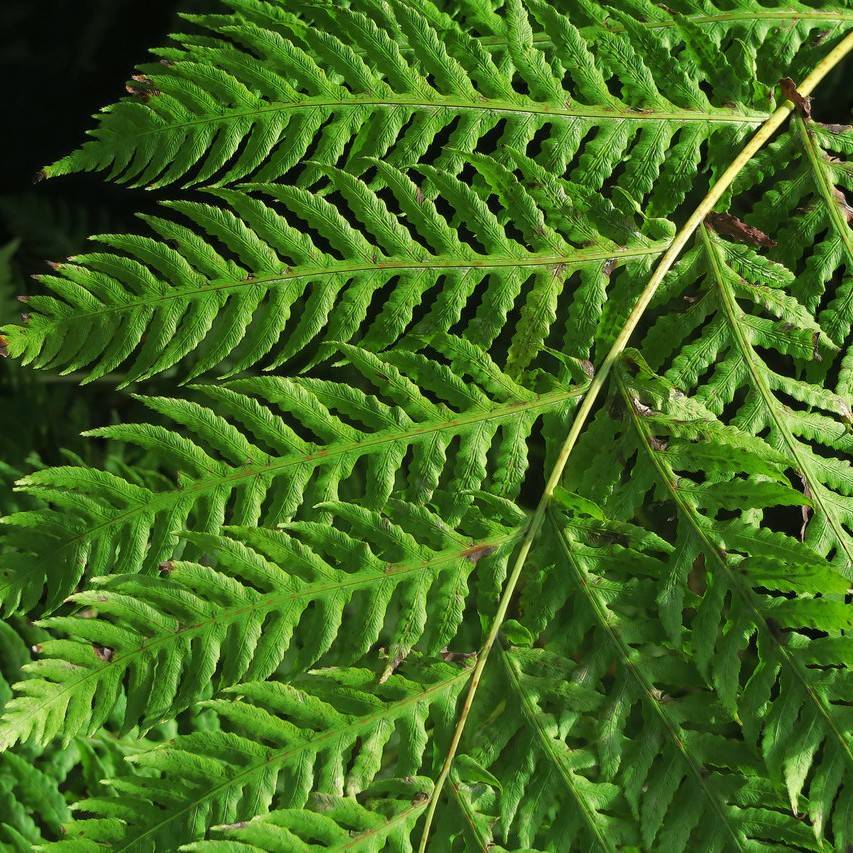
Giant Chain Fern
Woodwardia fimbriata
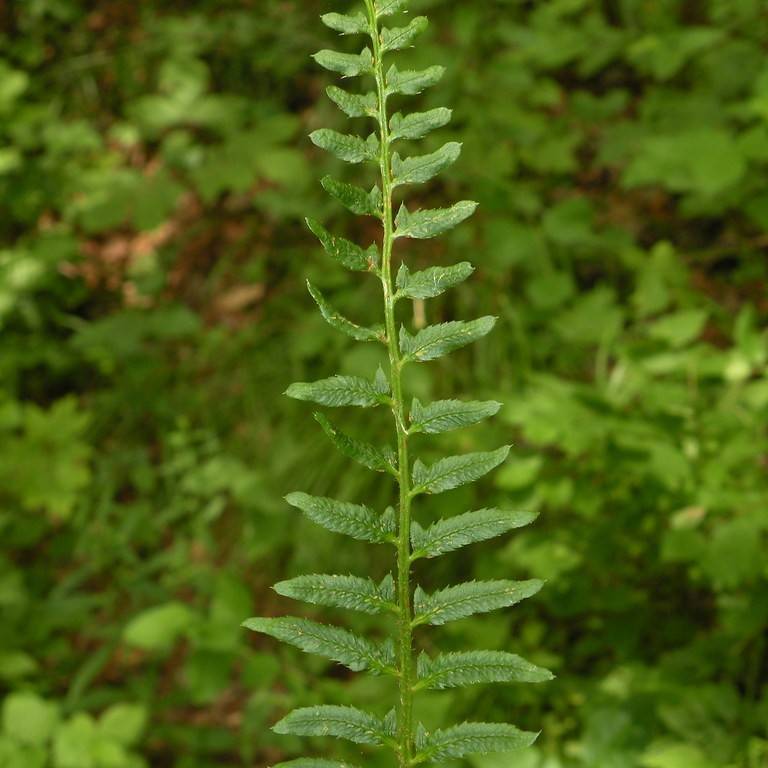
Christmas Fern
Polystichum acrostichoides
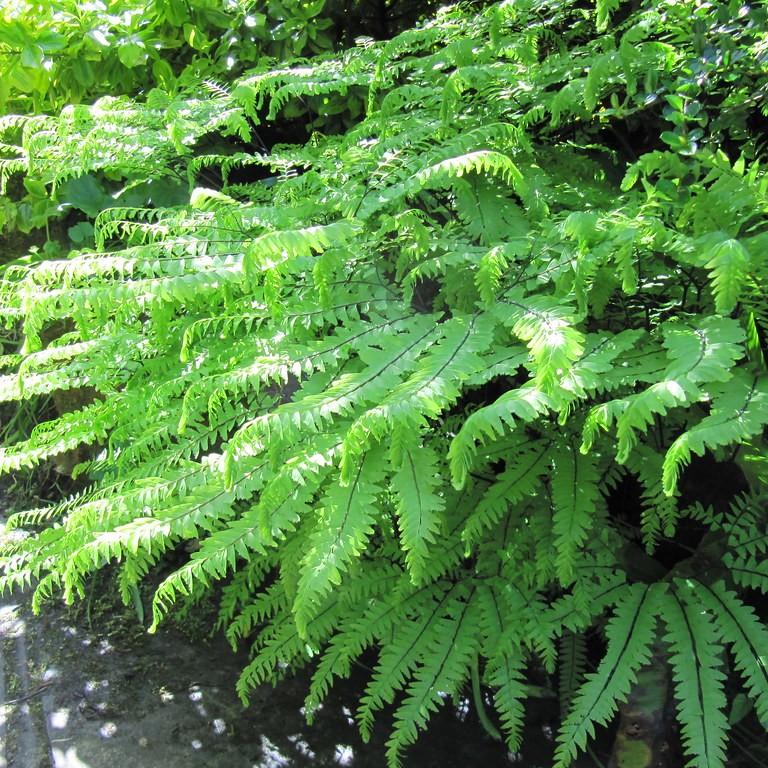
Dwarf Coastal Maidenhair Fern
Adiantum aleuticum 'Subpumilum'
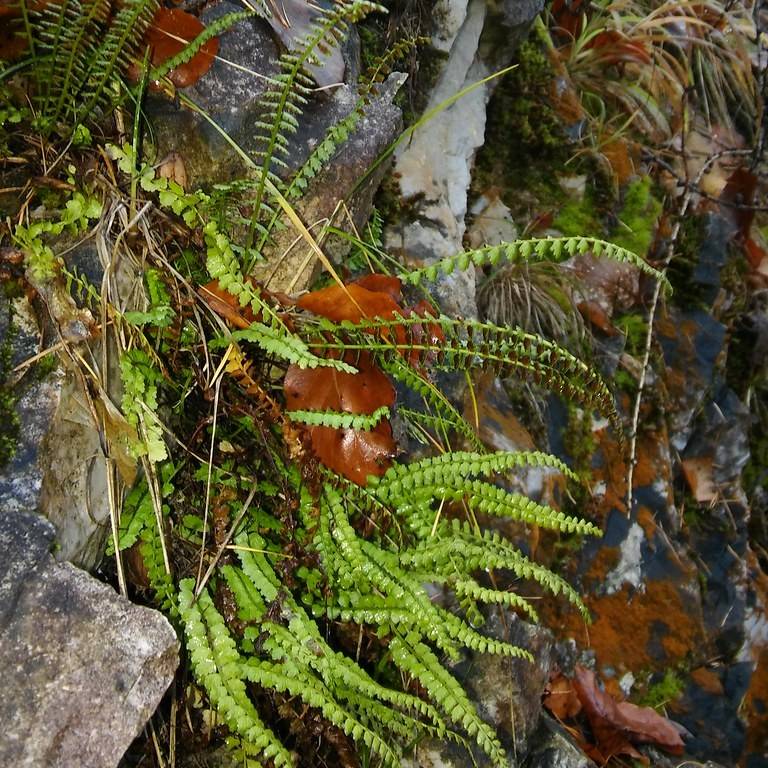
Green Spleenwort
Asplenium viride
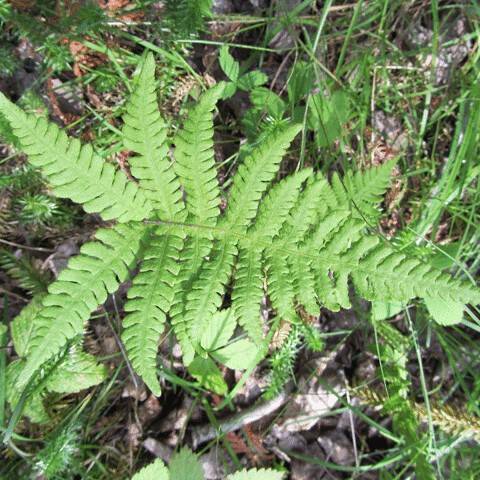
Broad Beech Fern
Phegopteris hexagonoptera
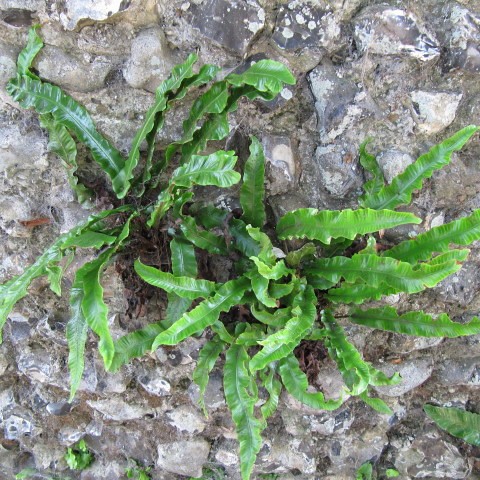
European Hart's Tongue Fern
Asplenium scolopendrium