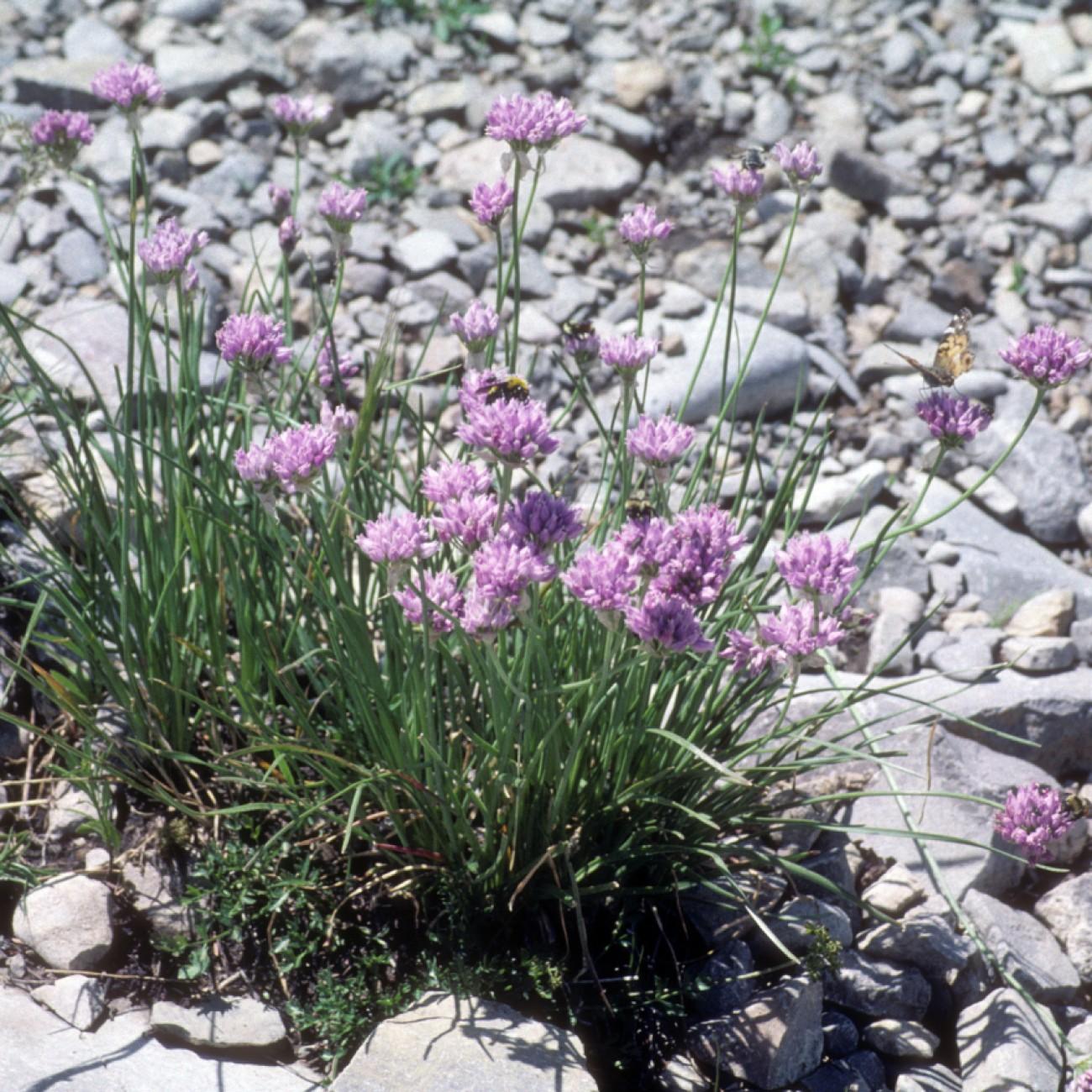
Geyer's Onion
Allium geyeri
Overview
Geyer's Onion is a wild, herbaceous perennial adapted to dry, open habitats including sagebrush slopes, meadows, and pine forest clearings across its native western North American range. It develops small, rounded edible bulbs with a mild onion flavor, and thin, grass-like basal leaves that emerge in early spring before flowering. Its umbel-shaped flower clusters, held on short, upright stalks, attract native bees, butterflies, and other pollinators throughout the summer blooming period.
Care Guide
Watering
Geyer's Onion is drought-tolerant once established, requiring only occasional deep watering during extended dry periods in spring and summer. Reduce watering completely once foliage dies back in late summer to prevent bulb rot in dormant plants. Avoid overwatering, especially in heavy, poorly draining soils, as this will quickly damage the shallow, fleshy bulbs.
Light
Thrives in full sun, receiving at least 6 hours of direct, unfiltered sunlight daily for best flowering and bulb development. It can tolerate partial shade, though plants may produce fewer flowers and grow leggier in lower light conditions. In hotter southern portions of its range, light afternoon shade can help prevent foliage scorch during peak summer heat.
Soil
Prefers well-draining, sandy or loamy soils with a neutral to slightly alkaline pH, mirroring its native rocky, dry habitat. It can tolerate poor, low-nutrient soils as long as drainage is excellent, and will not survive in heavy clay soils that hold standing water. Amend heavy garden soils with coarse sand or fine gravel before planting to improve drainage.
Fertilizer
Requires very little fertilization, as it is adapted to low-nutrient native soils. A light application of balanced, slow-release all-purpose fertilizer in early spring as new growth emerges is sufficient to support healthy growth for the season. Avoid high-nitrogen fertilizers, which can encourage excessive leaf growth at the expense of bulb and flower development.
Temperature
Cold-hardy to USDA zones 4 through 8, tolerating winter temperatures as low as -30°F (-34°C) when bulbs are planted at the appropriate depth and well-drained. It thrives in cool spring and early summer temperatures, and goes dormant as temperatures rise consistently above 85°F (29°C) in late summer. Bulbs require a period of cold winter stratification to produce foliage and flowers the following growing season.
Pruning
Requires minimal pruning; only remove yellowed, dead foliage in late summer after it has fully died back naturally, as the leaves transfer nutrients to the bulb for the next year’s growth during this period. Cut back spent flower stalks after blooming if you do not want the plant to self-seed across your garden. Avoid trimming green, healthy foliage before it yellows, as this will weaken the bulb over time.
Propagation
Most easily propagated by dividing mature bulb clumps in late summer or early fall, when plants are fully dormant; separate small offset bulbs from the parent bulb and replant at the same depth. It can also be grown from seed, which should be sown in fall to allow natural cold stratification over winter, with germination occurring the following spring. Seed-grown plants typically take 2 to 3 years to reach flowering maturity.
Humidity
Adapted to low to moderate humidity levels common in its native western North American habitats, and does not require high humidity to thrive. Excessively high humidity, especially combined with warm temperatures and wet soil, increases the risk of fungal bulb rot and foliar diseases. Ensure good air circulation around plants to minimize moisture-related issues in more humid growing regions.
Repotting
If grown in containers, repot every 2 to 3 years in late fall during dormancy, dividing overcrowded bulb clumps at the same time to prevent stunted growth. Use a well-draining cactus or succulent potting mix amended with coarse sand for container planting, and ensure the pot has ample drainage holes to prevent standing water. Plant bulbs at a depth of 2 to 3 times their diameter for best growth.
Uses & Symbolism
Geyer's Onion has a long history of edible use by Indigenous peoples of western North America, with both the mild-flavored bulbs and young greens eaten raw, cooked, or dried for storage. It is frequently planted in native pollinator gardens, rock gardens, and xeriscapes for its drought tolerance, low maintenance needs, and attractive pink flowers that support local beneficial insect populations. It is also used in ecological restoration projects to stabilize soil in disturbed dryland habitats and provide food sources for native wildlife.
Diseases & Pests
Geyer's Onion is relatively pest and disease resistant when grown in appropriate well-draining soil, but may be susceptible to bulb rot caused by overwatering or poorly draining substrates. Common pests include onion thrips and aphids, which feed on the sap of young leaves and can be controlled with insecticidal soap or regular blasts of water to dislodge them. Fungal foliar diseases such as downy mildew and rust may occur in excessively humid, poorly ventilated conditions, and can be prevented by spacing plants to allow air flow and avoiding overhead watering.
Related plants
Other plants you might like if you grow Geyer's Onion.
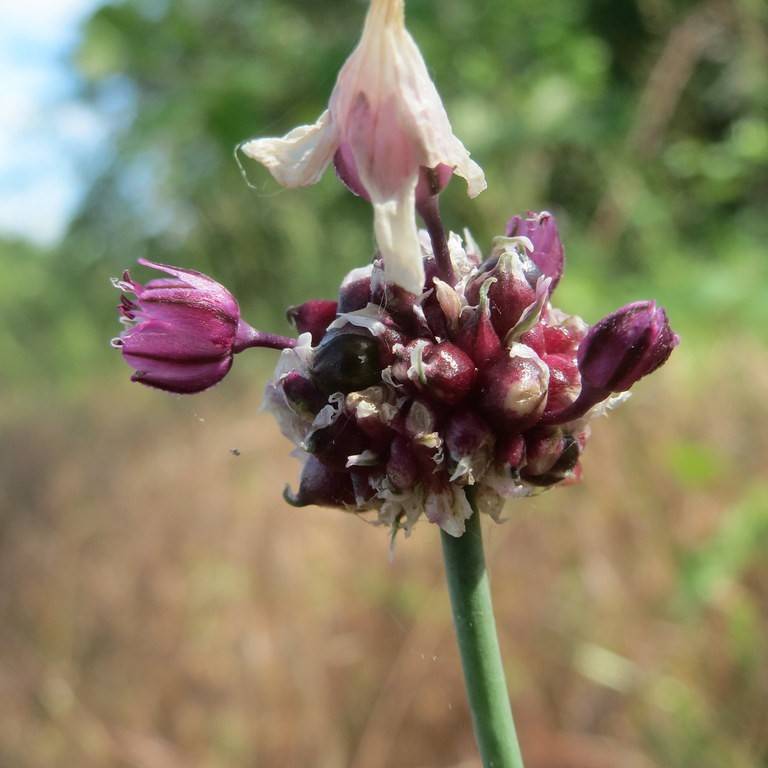
Field Garlic
Allium oleraceum
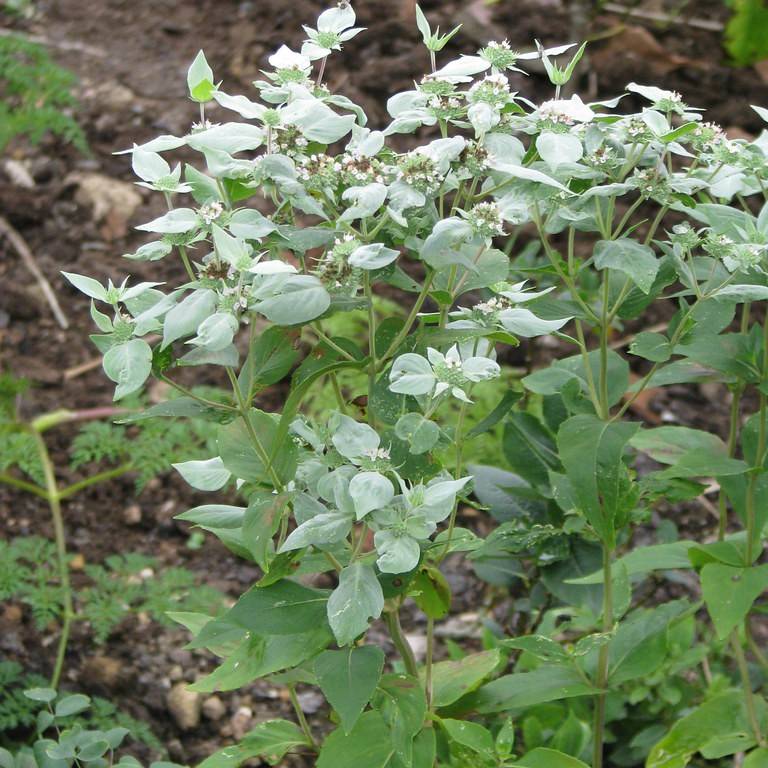
Blunt Mountainmint
Pycnanthemum muticum
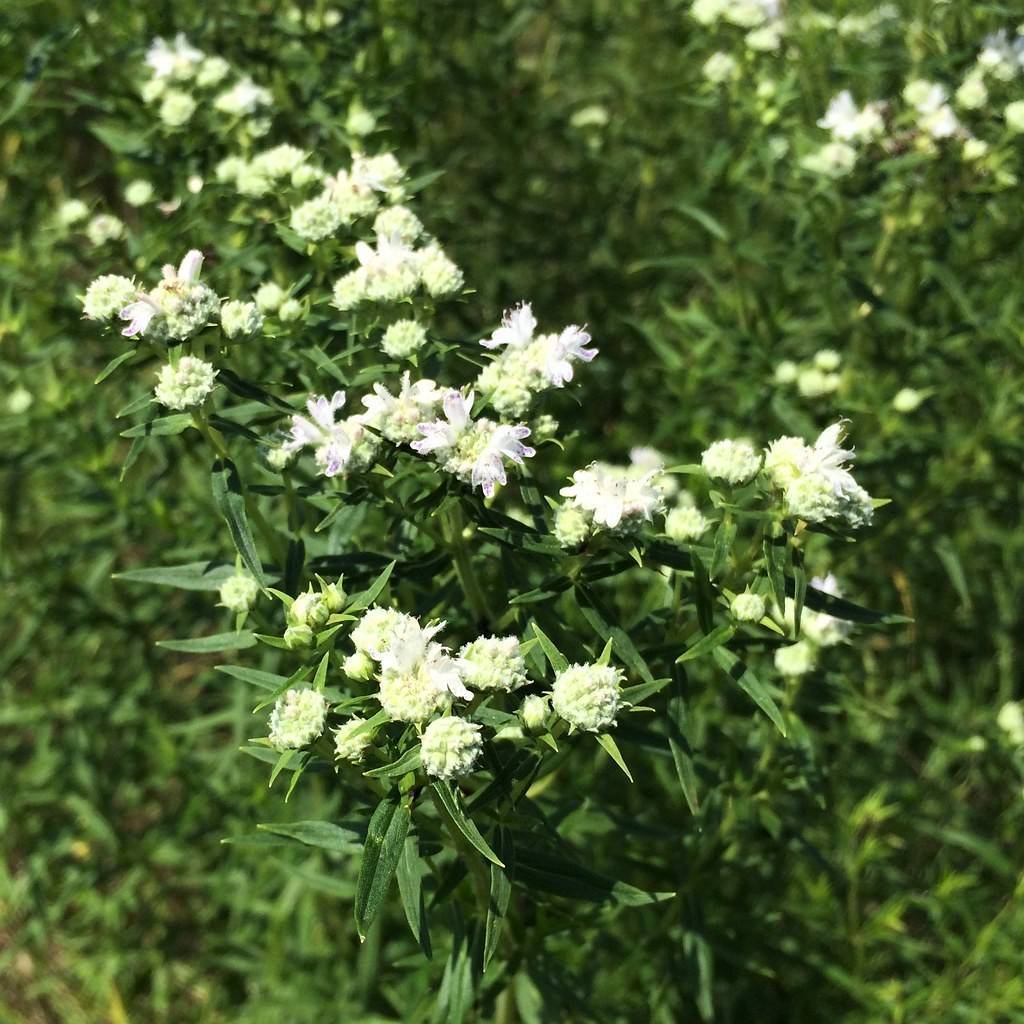
American Mountain Mint
Pycnanthemum virginianum
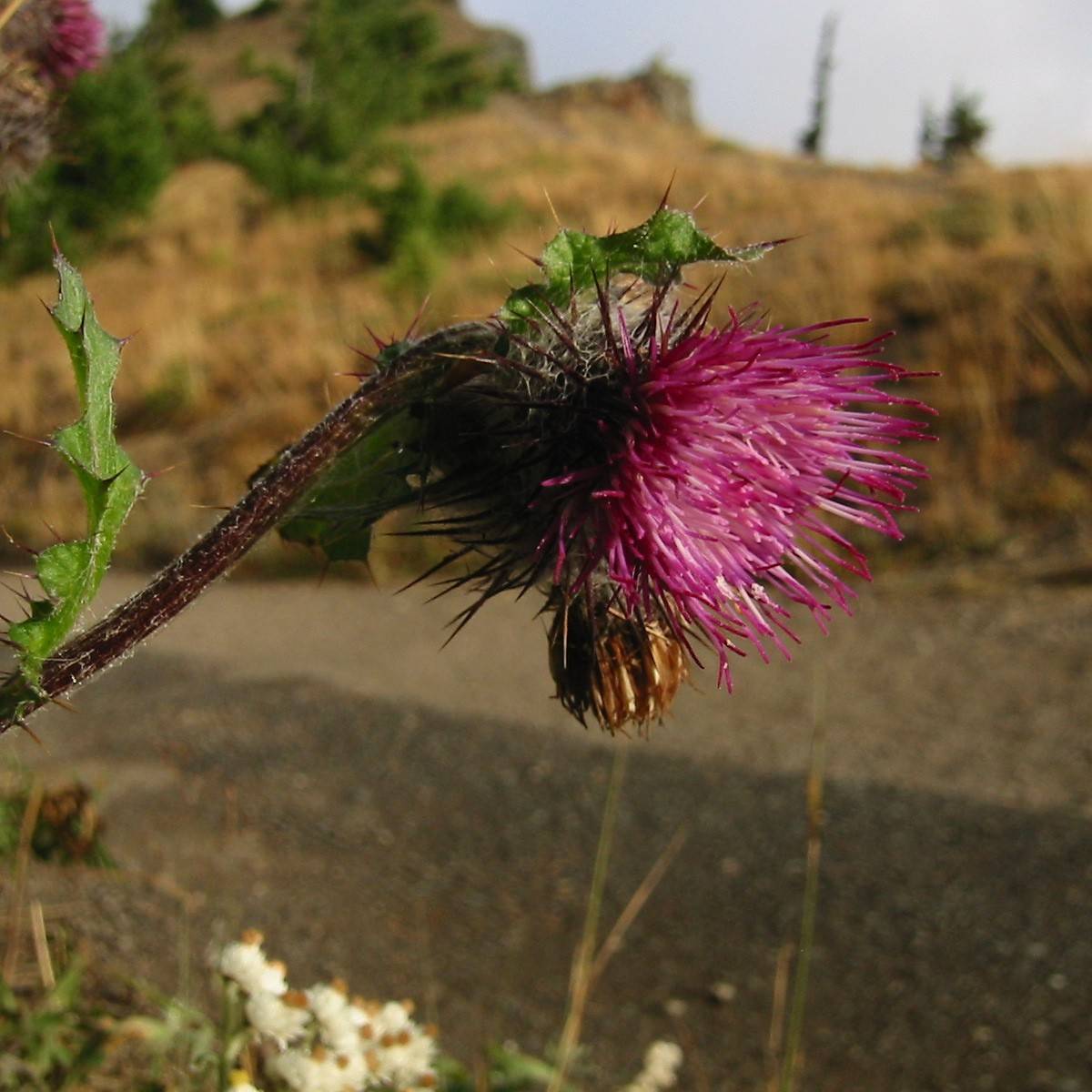
Edible Thistle
Cirsium edule
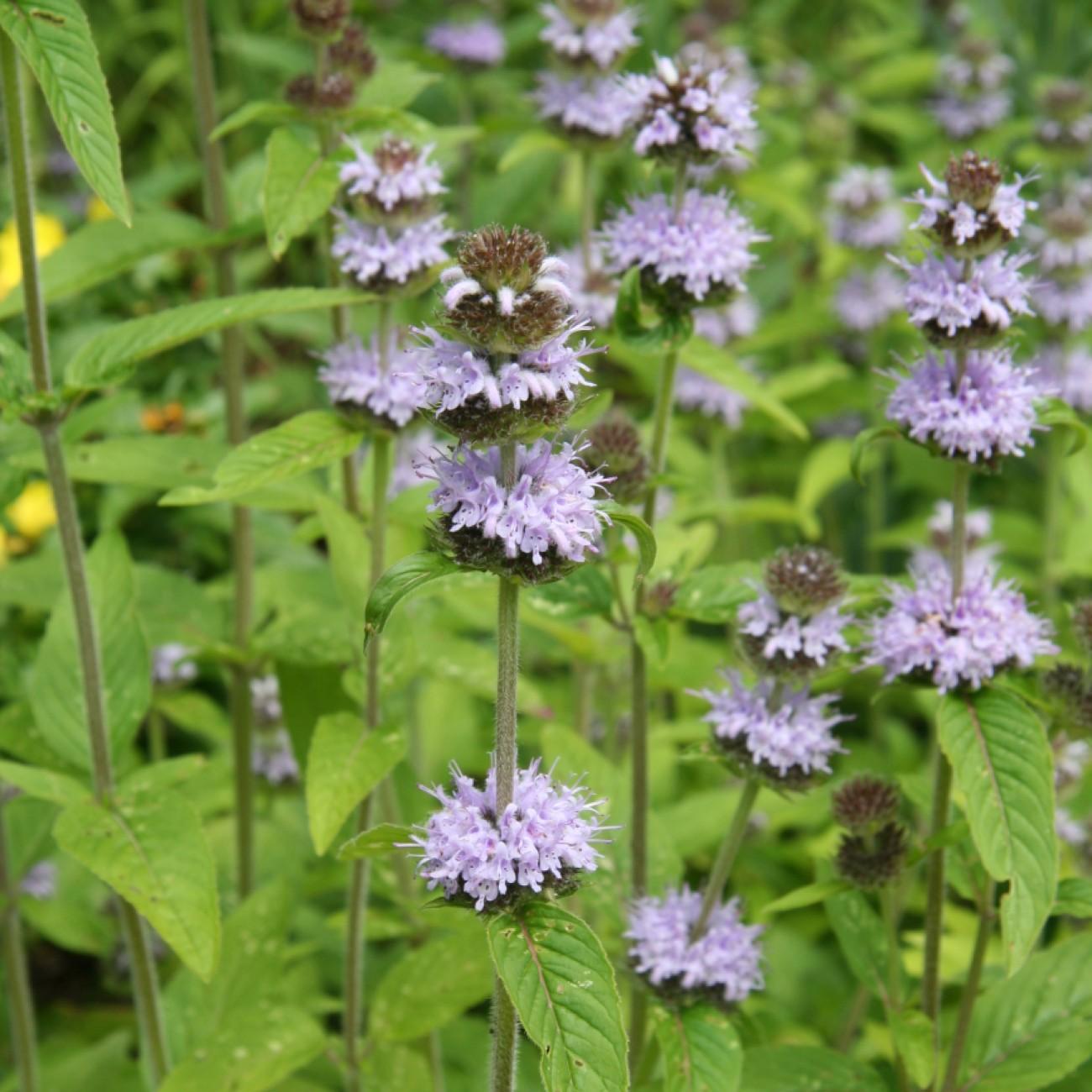
Downy Wood Mint
Blephilia ciliata
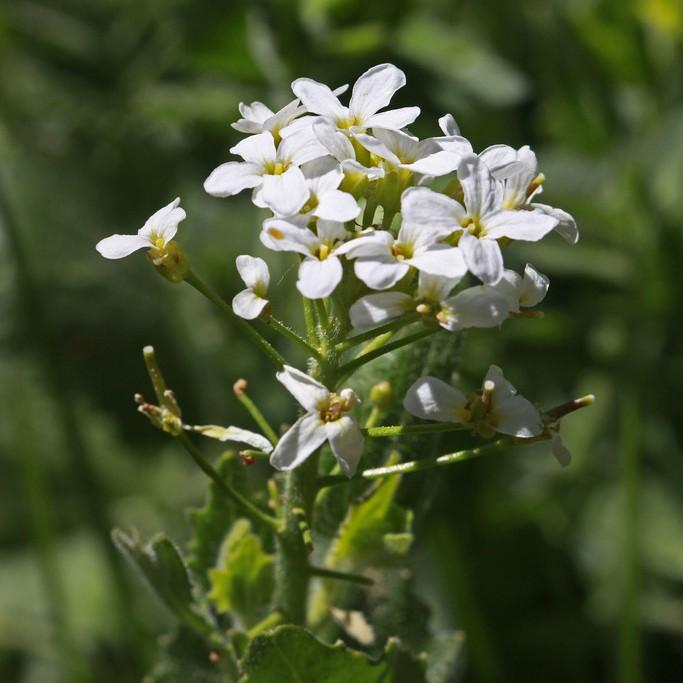
Heart Leaved Bittercress
Cardamine cordifolia
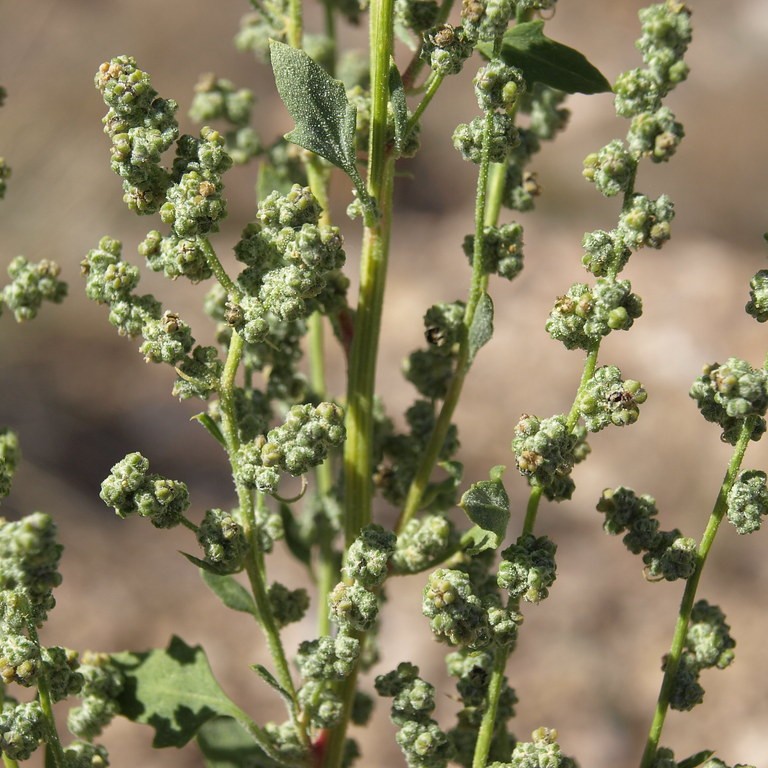
Bush S Goosefoot
Chenopodium bushianum
Dense Longwood Thyme
Thymus serpyllum 'Dense Longwood'