American Mountain Mint
Pycnanthemum virginianum
Overview
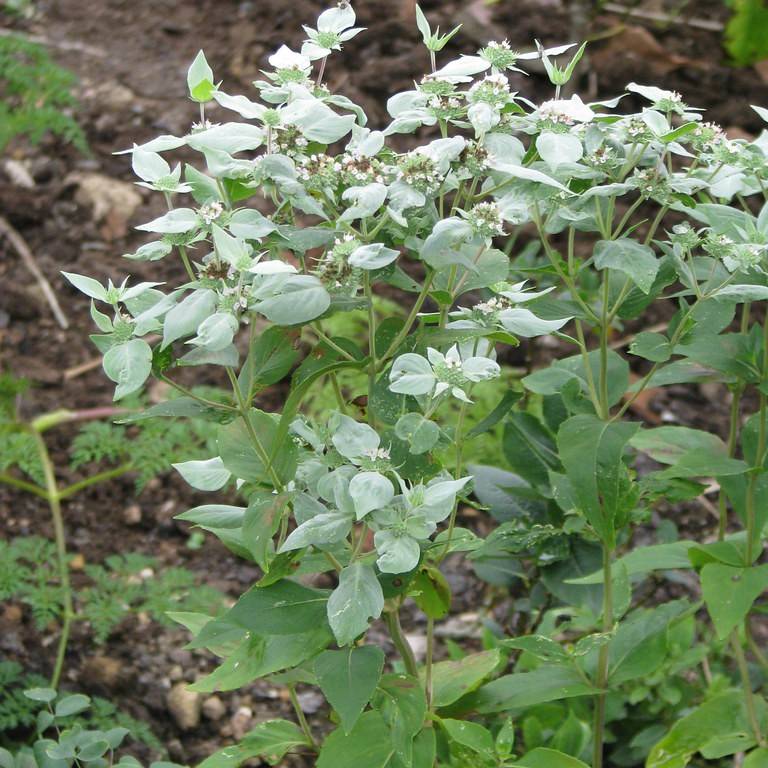
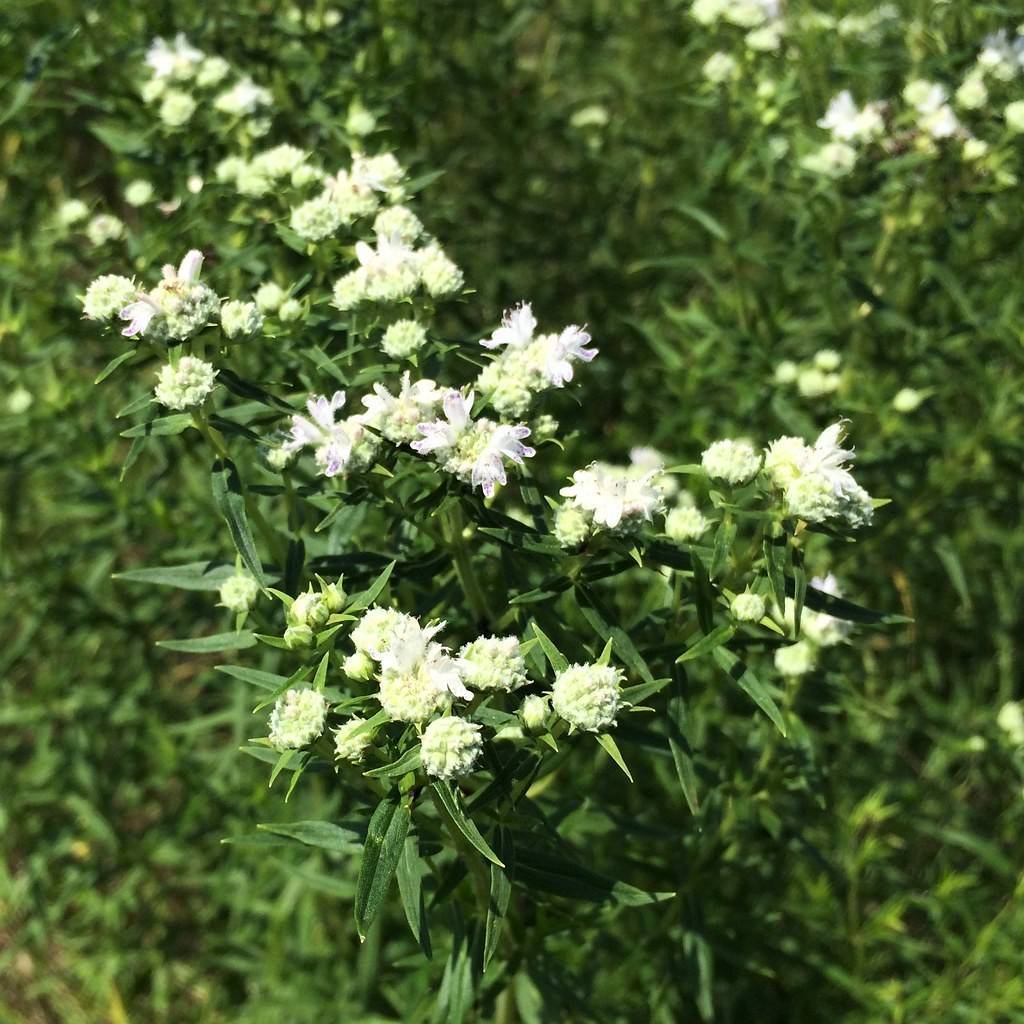
American Mountain Mint is a hardy, spreading herb characterized by slender, square stems covered in soft, lance-shaped, gray-green leaves that emit a strong, pleasant minty aroma when crushed. From mid to late summer, it produces dense clusters of tiny, white, dotted flowers that are highly attractive to bees, butterflies, and other beneficial pollinators. It spreads gradually via rhizomes to form dense colonies, making it an excellent choice for naturalized areas, pollinator gardens, and herb borders.
Care Guide
Watering
American Mountain Mint prefers consistently moist, well-drained soil, though it exhibits moderate drought tolerance once established. Water deeply during prolonged dry spells, avoiding overwatering that leads to soggy soil, which can cause root rot. It adapts well to both average and slightly moist garden conditions, requiring less frequent watering once its root system is fully developed.
Light
This herb thrives in full sun, which encourages the most robust growth, denser foliage, and heavier flowering. It can tolerate partial shade, though plants grown in shadier spots may become leggy, produce fewer blooms, and have a less intense mint aroma. Aim for at least 6 hours of direct sunlight daily for optimal performance.
Soil
American Mountain Mint is adaptable to a wide range of soil types, including sandy, loamy, and clay soils, as long as they drain well. It prefers a neutral to slightly acidic pH between 6.0 and 7.0, but can tolerate slightly alkaline conditions as well. It does not require rich or highly fertile soil, and grows well in average, low-nutrient garden substrates.
Fertilizer
This low-maintenance herb rarely needs supplemental fertilization, as it thrives in average soil. A light application of balanced, all-purpose fertilizer in early spring is sufficient for plants growing in very poor, nutrient-depleted soil. Over-fertilization will encourage excessive, leggy growth and reduce the intensity of the foliage’s minty scent.
Temperature
American Mountain Mint is extremely cold-hardy, suitable for USDA growing zones 3 through 7, tolerating winter temperatures as low as -40°F (-40°C). It prefers moderate summer temperatures between 65°F and 85°F (18°C to 29°C), and can tolerate occasional heatwaves if provided with adequate moisture. It dies back completely to the ground in winter, re-emerging vigorously from its rhizomes in early spring.
Pruning
Prune back stems by one-third in early summer to encourage bushier growth and prevent the plant from becoming leggy. Deadhead spent flower clusters after blooming if you wish to prevent self-seeding, though allowing seed heads to remain provides food for small songbirds in late fall and winter. Cut the entire plant back to 2-3 inches above the soil line in late fall after the foliage dies back for winter.
Propagation
The easiest method of propagation is division, done in early spring just as new growth emerges, by digging up mature clumps and separating the rhizomatous root systems into smaller sections for replanting. It can also be grown from seed sown directly outdoors in fall or started indoors 8-10 weeks before the last expected frost date. Softwood stem cuttings taken in late spring or early summer root readily in moist potting mix without the need for rooting hormone.
Humidity
American Mountain Mint adapts well to the average humidity levels of its native North American range, tolerating both moderately dry and humid summer conditions. It has no special humidity requirements when grown outdoors, and is not typically suited for indoor cultivation due to its need for full sun and space to spread. Excessively high humidity combined with poor air circulation may increase the risk of foliar fungal diseases.
Repotting
American Mountain Mint is almost exclusively grown outdoors in garden beds, though it can be planted in large, deep containers to contain its spreading rhizomatous growth. Container-grown plants should be repotted every 2-3 years in early spring, replacing the potting mix and dividing the root ball if it has become root-bound to prevent overcrowding. Use a well-draining general-purpose potting mix for container plantings, and ensure the pot has ample drainage holes to prevent waterlogging.
Uses & Symbolism
American Mountain Mint is widely planted in pollinator gardens, meadow restorations, and native plant landscapes to support bees, butterflies, and beneficial predatory insects that control garden pests. Its aromatic leaves can be used fresh or dried to make mint teas, flavor beverages, or add a minty note to savory dishes, and it has a long history of use in traditional Indigenous medicine for treating minor ailments like colds and digestive issues. It also works well as a cut flower, with its fragrant foliage and long-lasting clusters of white blooms adding texture to fresh arrangements.
Diseases & Pests
American Mountain Mint is highly resistant to most pests and diseases, and its strong mint aroma deters deer, rabbits, and many common garden insect pests. The primary issues it faces are foliar fungal diseases like powdery mildew and rust, which occur in conditions of high humidity and poor air circulation, so spacing plants adequately to promote airflow reduces this risk. Root rot may occur in poorly drained, consistently soggy soil, so amending heavy clay soil with organic matter to improve drainage is recommended to prevent this issue.
Related plants
Other plants you might like if you grow American Mountain Mint.