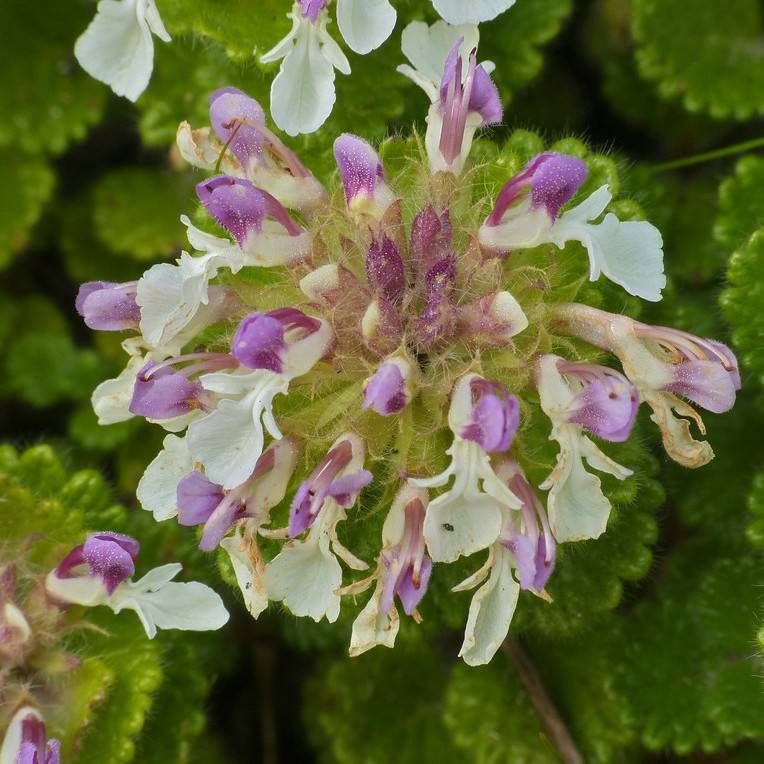
Germander
Teucrium chamaedrys
Overview
Germander is a hardy, woody subshrub with small, glossy, oval green leaves that release a mild, herbaceous scent when crushed. From mid to late summer, it produces spikes of small, two-lipped pink or lavender flowers that attract bees, butterflies, and other pollinators to the garden. Its dense, spreading growth habit makes it a popular choice for low edging, rock gardens, and xeriscaping, as it tolerates drought and poor soil conditions well. Historically, it was used in herbal medicine to treat wounds, digestive issues, and gout, though internal use is now discouraged due to its toxicity.
Care Guide
Watering
Germander is highly drought-tolerant once established, requiring only occasional watering during prolonged dry periods. Overwatering or poorly drained soil will quickly lead to root rot, so allow the top several inches of soil to dry out completely between waterings. Newly planted specimens need regular, light watering for the first 1-2 months to help them develop a strong root system.
Light
This plant thrives in full sun, requiring at least 6 hours of direct sunlight per day to maintain its compact growth habit and abundant flowering. It can tolerate light partial shade, but plants grown in shadier conditions will become leggy, produce fewer blooms, and be more prone to fungal diseases. In extremely hot climates, a small amount of afternoon shade can prevent leaf scorch without negatively impacting growth.
Soil
Germander prefers well-drained, neutral to slightly alkaline soil with a pH between 6.5 and 8.0. It adapts well to poor, rocky, or sandy soils that are low in organic matter, as long as drainage is excellent. Heavy clay soils should be amended with sand, gravel, or compost to improve drainage before planting, as standing water is fatal to this species.
Fertilizer
This low-maintenance plant requires very little fertilizer to thrive, as excessive nutrients will cause it to grow leggy and lose its compact shape. A light application of balanced, slow-release fertilizer in early spring is sufficient for the entire growing season. Avoid high-nitrogen fertilizers, which promote soft, vulnerable foliage and reduce flowering.
Temperature
Germander is hardy in USDA zones 5-9, tolerating winter temperatures as low as -20°F (-29°C) when planted in well-drained soil. It thrives in warm, dry summer conditions, and is highly tolerant of heat and humidity as long as air circulation is good. In regions with wet winters, protect plants from excess moisture by planting them in raised beds or sloped sites to prevent root rot.
Pruning
Prune germander in early spring before new growth emerges to remove any winter-damaged or dead stems, and to shape the plant to your desired size. It responds very well to shearing, making it ideal for low formal hedges or edging; shearing can be done once or twice during the growing season to maintain a neat, compact habit. Avoid pruning in late fall, as this can stimulate tender new growth that will be damaged by winter frost.
Propagation
Germander is most easily propagated by softwood cuttings taken in late spring or early summer, which root readily in moist, well-drained growing medium within 3-4 weeks. It can also be propagated by division in early spring or fall, by separating mature clumps into smaller sections and replanting them immediately. While it can be grown from seed, germination is slow and inconsistent, so vegetative propagation is preferred for consistent plant characteristics.
Humidity
This plant prefers low to moderate humidity levels, and is well-adapted to dry Mediterranean climates. High humidity combined with poor air circulation can increase the risk of fungal leaf spots and powdery mildew, so space plants appropriately to allow for good airflow around foliage. Avoid overhead watering, which can leave moisture on leaves and encourage fungal growth in humid conditions.
Repotting
If grown in containers, germander should be repotted every 2-3 years in early spring, before new growth begins. Use a well-drained, sandy potting mix, and select a container with ample drainage holes to prevent waterlogging. When repotting, gently loosen the root ball and trim any excessively long or rotted roots before placing the plant in its new container with fresh soil.
Uses & Symbolism
Germander is a popular ornamental plant used for low edging, rock gardens, xeriscaping, and formal knot gardens, as its compact habit and tolerance for shearing make it an excellent alternative to boxwood in dry, sunny sites. Historically, it was used in traditional herbal medicine to treat a range of ailments, and its leaves were sometimes used as a flavoring agent for alcoholic beverages, though internal use is now not recommended due to its toxicity. Its nectar-rich flowers are highly attractive to pollinators, making it a valuable addition to wildlife and pollinator gardens.
Diseases & Pests
Germander is relatively pest and disease resistant when grown in optimal conditions, but root rot can occur quickly if plants are grown in poorly drained soil or overwatered. Fungal diseases such as powdery mildew and leaf spot may develop in high humidity or if plants are crowded and have poor air circulation. Common pests include spider mites and aphids, which can be controlled with insecticidal soap or neem oil, though infestations are rare in healthy, well-sited plants.
Related plants
Other plants you might like if you grow Germander.
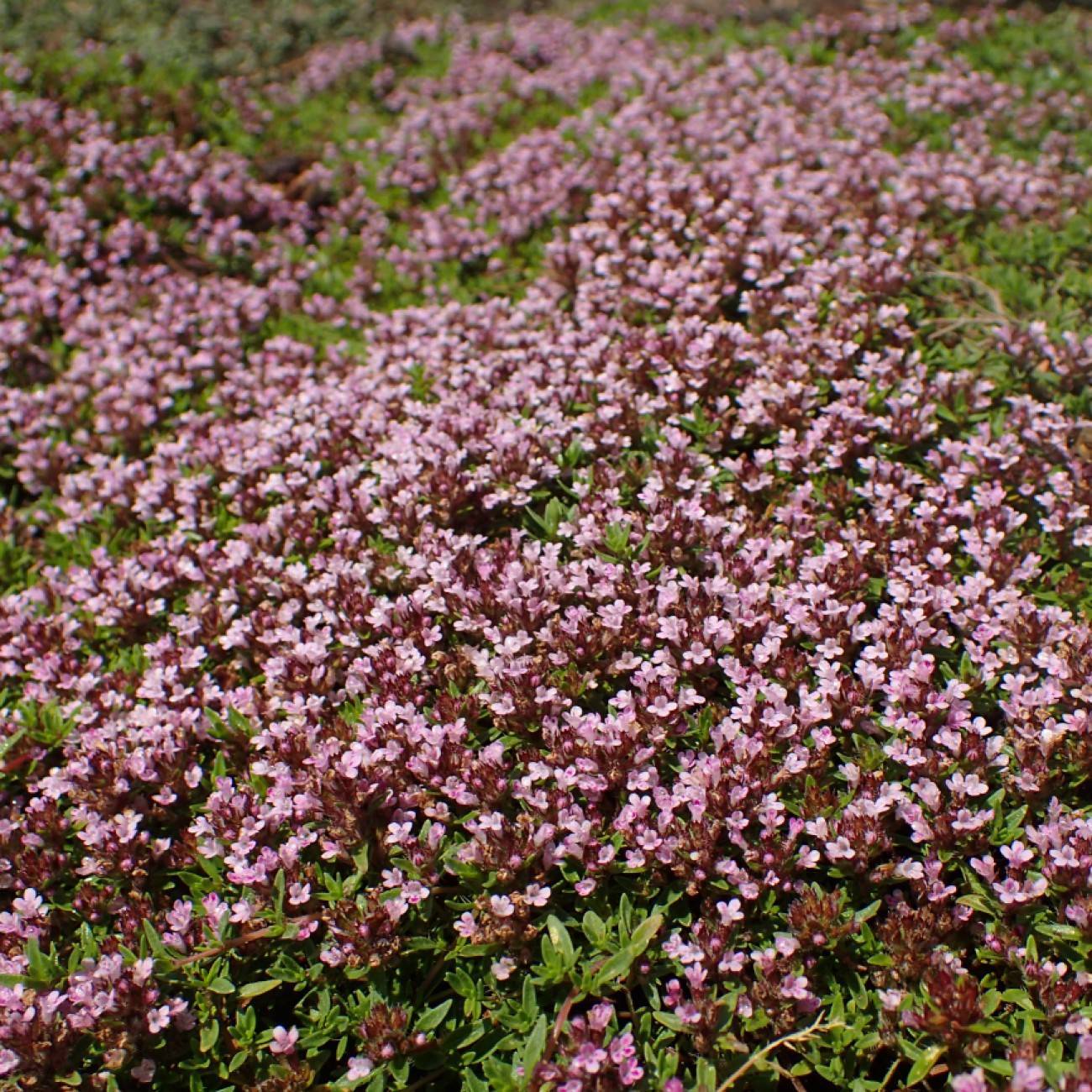
Caraway Thyme
Thymus herba-barona
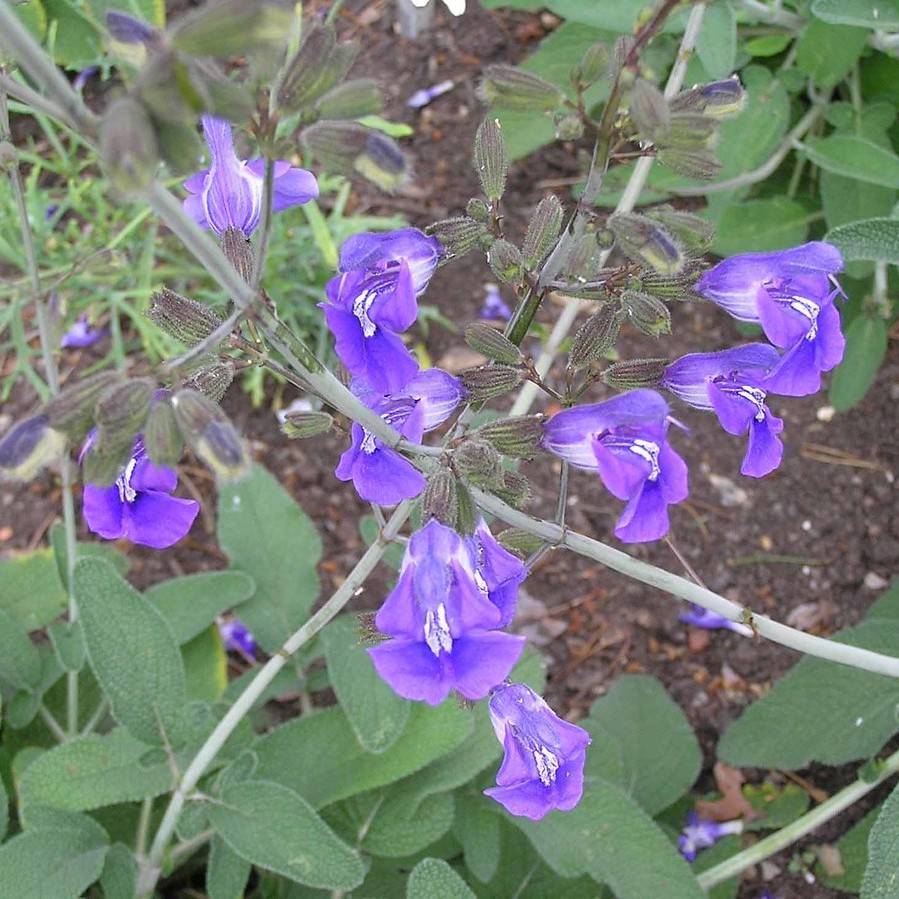
Candelabrum Sage
Salvia candelabrum
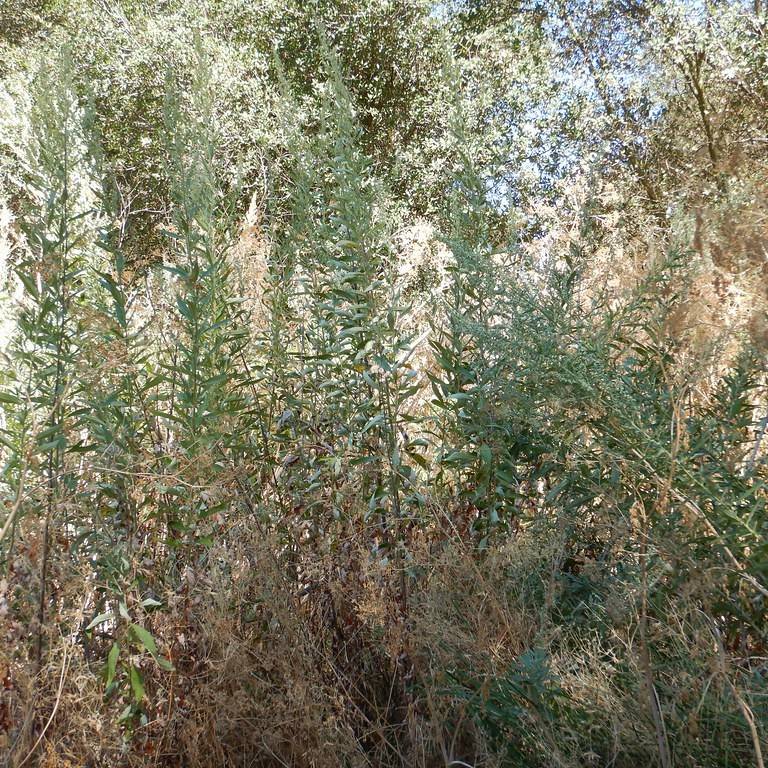
Douglas Wormwood
Artemisia douglasiana
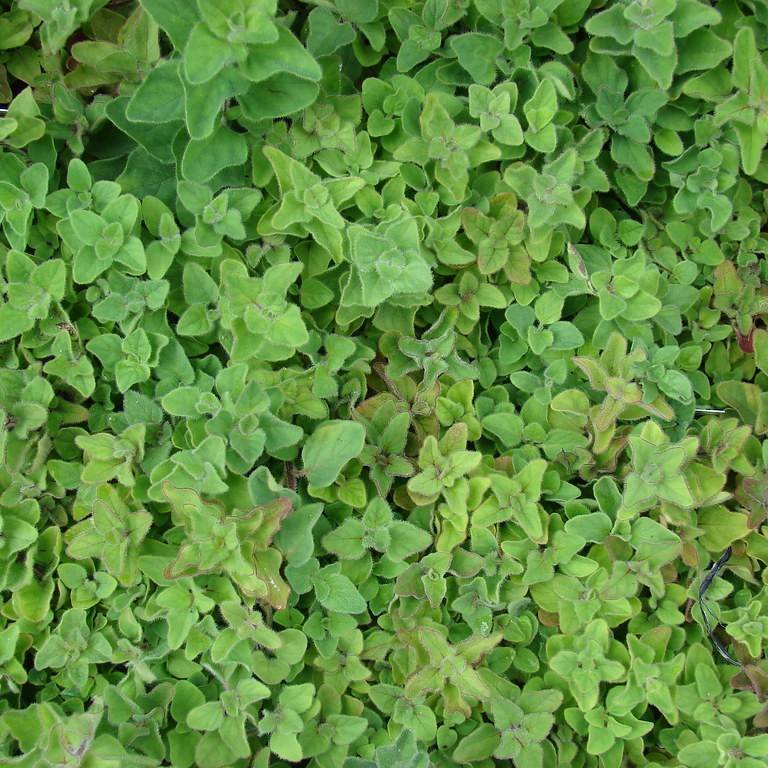
Greek Oregano
Origanum vulgare subsp. hirtum
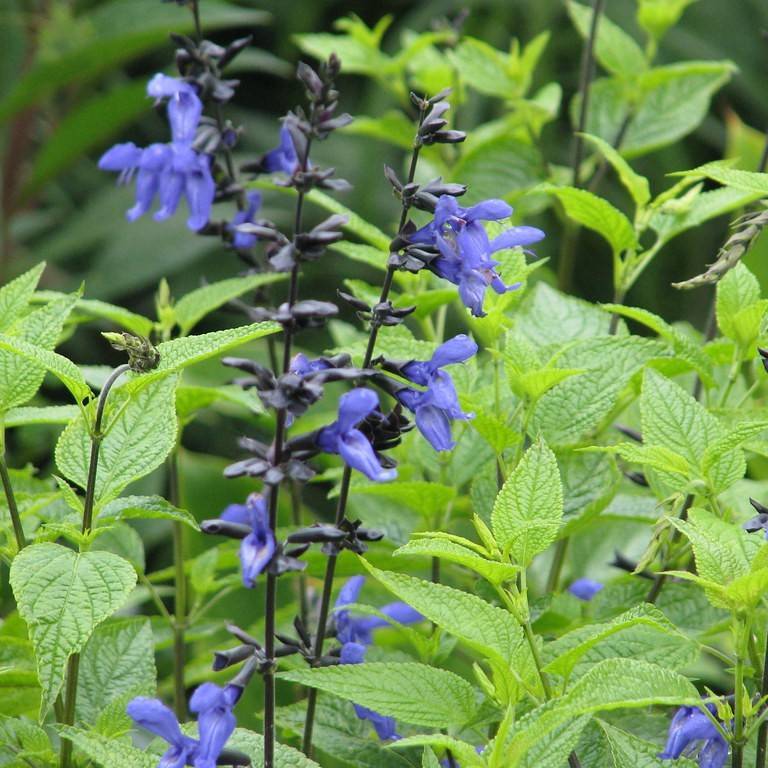
Anise Scented Sage
Salvia guaranitica
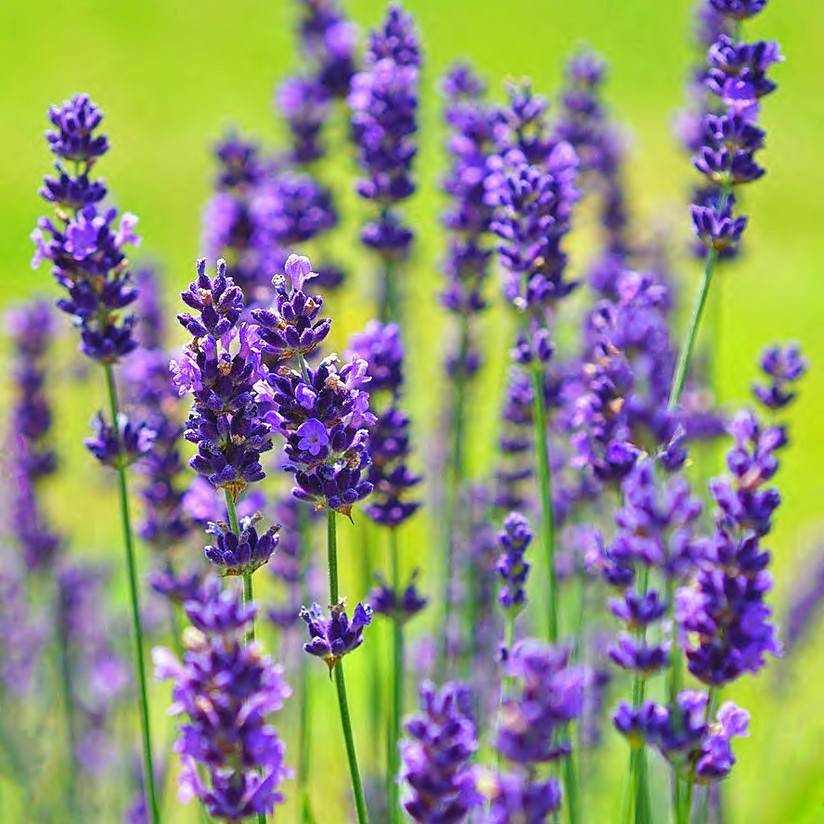
English Lavender
Lavandula angustifolia
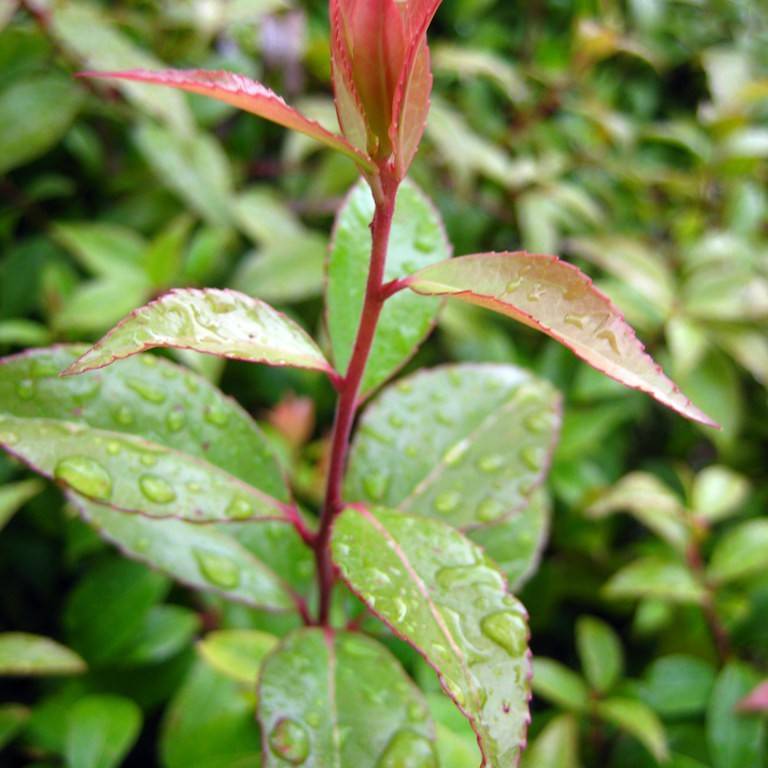
Dense Longwood Thyme
Thymus serpyllum 'Dense Longwood'
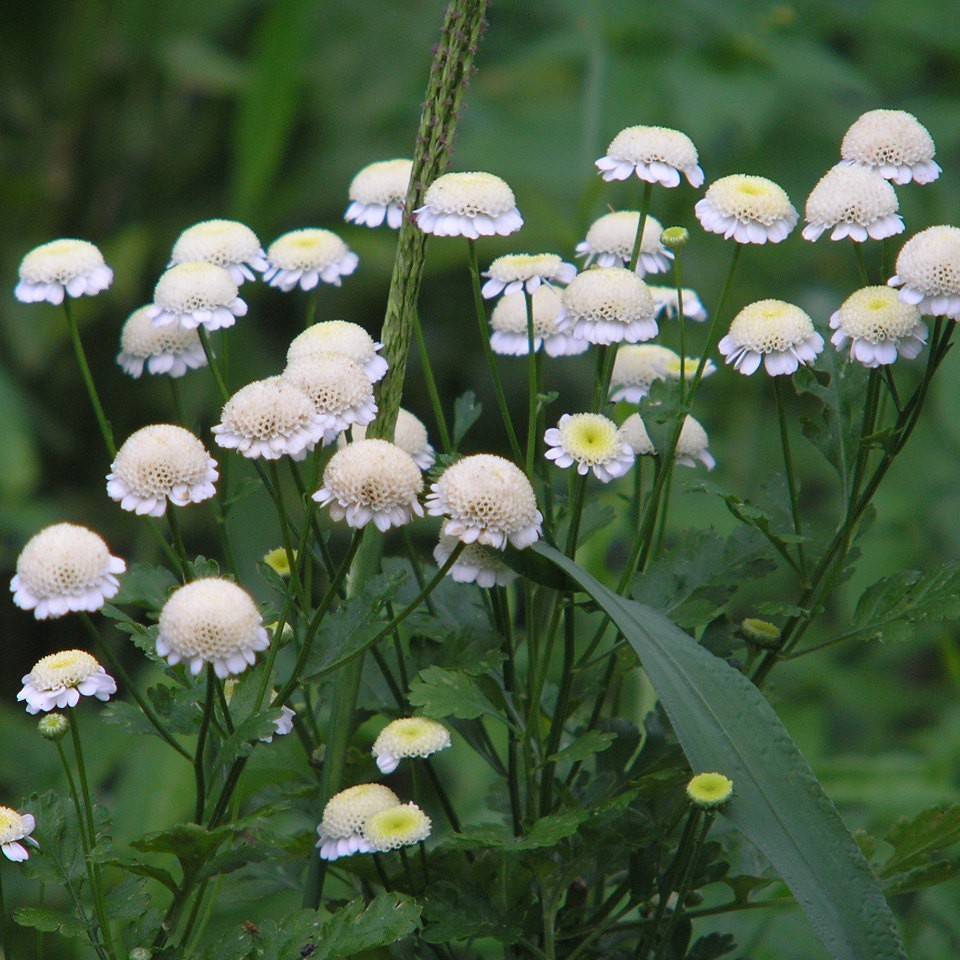
Feverfew
Tanacetum parthenium