English Lavender
Lavandula angustifolia
Overview
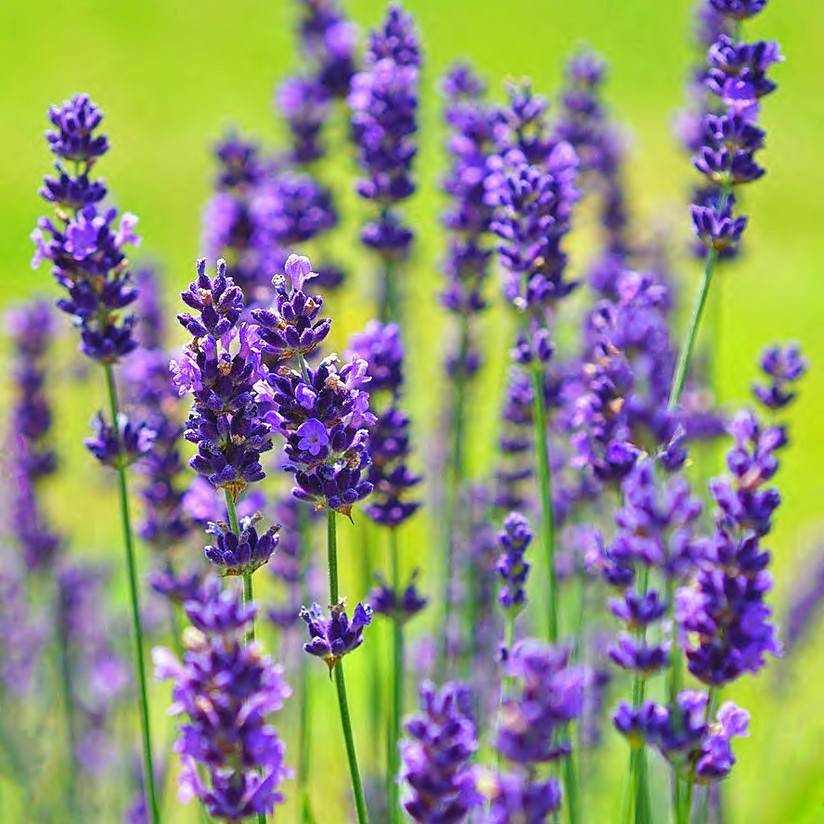
English lavender is a compact, woody subshrub with silvery-green, linear leaves and dense spikes of small, tubular purple flowers that emit a signature sweet, calming aroma. It is widely cultivated across temperate regions for both commercial and home garden use, thriving in dry, sunny conditions similar to its native Mediterranean habitat. The plant’s hardiness and low maintenance needs make it a popular choice for borders, rock gardens, and container plantings, while its long bloom period supports pollinators like bees and butterflies.
Care Guide
Watering
English lavender is highly drought-tolerant once established, requiring watering only when the top 2 to 3 inches of soil are completely dry. Overwatering is the most common cause of failure, as soggy roots quickly lead to root rot; reduce watering frequency drastically during the dormant winter months. Container-grown plants may need slightly more frequent watering than in-ground specimens, but always ensure excess water drains freely from the pot.
Light
This species requires full, direct sunlight for a minimum of 6 to 8 hours per day to produce robust foliage, abundant blooms, and strong aromatic oils. Insufficient light will lead to leggy, sparse growth, reduced flowering, and increased susceptibility to fungal diseases. Indoor plants should be placed in a south-facing window or under grow lights to meet their high light requirements.
Soil
English lavender thrives in well-drained, sandy or gravelly, alkaline to neutral soil with a pH between 6.7 and 7.3. Heavy, clay-rich soils that retain moisture are unsuitable; amend dense soil with sand, perlite, or crushed limestone to improve drainage and adjust pH if needed. Poor drainage is the leading cause of plant death, so raised beds or sloped planting sites are ideal for in-ground cultivation.
Fertilizer
English lavender is a low-feeding plant that requires very little fertilizer to thrive; over-fertilization will lead to lush, weak growth with reduced aroma and cold hardiness. A light application of balanced, slow-release fertilizer in early spring is sufficient for most growing conditions, or skip fertilization entirely if planted in moderately fertile soil. Avoid high-nitrogen fertilizers, as they promote foliage growth at the expense of flowers.
Temperature
This species is cold-hardy in USDA zones 5 through 8, tolerating winter temperatures as low as -20°F (-29°C) when planted in well-drained soil. It prefers daytime temperatures between 60 and 80°F (15 and 27°C) during the growing season, and benefits from good air circulation to reduce fungal risk in hot, humid climates. Winter protection, such as a layer of mulch around the base, may be needed in the coldest parts of its range to prevent frost heave.
Pruning
Prune English lavender annually in early spring, just as new growth begins to emerge, cutting back one-third to one-half of the previous year’s growth to maintain a compact, bushy shape and encourage abundant flowering. A second light pruning can be done after the first bloom cycle fades to promote a second flush of flowers later in the season. Avoid cutting into old, woody stems with no green foliage, as these sections rarely resprout and can lead to bare, unsightly growth.
Propagation
The most reliable method of propagating English lavender is through semi-hardwood cuttings taken in mid to late summer, as seed-grown plants often have variable growth habits and bloom quality. Cut 3 to 4 inch (7 to 10 cm) sections of non-flowering, mature growth, remove the lower leaves, dip the cut end in rooting hormone, and plant in a well-drained rooting medium kept consistently moist until roots form in 4 to 6 weeks. Division is not recommended for mature plants, as their woody root systems do not recover well from being split.
Humidity
English lavender prefers low to moderate humidity levels between 30% and 50%, and is highly prone to fungal diseases in prolonged high-humidity conditions. Ensure plants have ample space between them for air circulation, and avoid overhead watering to keep foliage dry, especially in humid climates. Indoor plants should be kept away from humidifiers, bathrooms, and other high-moisture areas to prevent leaf spot and root rot.
Repotting
Container-grown English lavender should be repotted every 2 to 3 years in early spring, just before new growth begins, to refresh the soil and prevent root binding. Choose a pot that is only 1 to 2 inches larger in diameter than the current pot, as excess soil volume can hold too much moisture and lead to root rot. Use a fast-draining cactus or succulent potting mix amended with coarse sand or perlite to ensure optimal drainage, and make sure the pot has ample drainage holes.
Uses & Symbolism
English lavender is widely used in aromatherapy, perfumery, and natural skincare products for its calming, soothing scent and purported anti-inflammatory properties. Dried flower spikes are used in sachets, potpourri, and culinary applications, adding a subtle floral, herbaceous note to baked goods, teas, and savory dishes. Ornamentally, it is planted in garden borders, pollinator gardens, and xeriscapes, and is a popular cut flower for both fresh and dried arrangements.
Diseases & Pests
The most common issues affecting English lavender are fungal root rot, gray mold (Botrytis cinerea), and leaf spot, all caused by overwatering, poor drainage, or prolonged high humidity. Common pests include aphids, whiteflies, and spittlebugs, which can be controlled with insecticidal soap, neem oil, or by encouraging natural predators like ladybugs. In poorly drained soil, plants may also suffer from crown rot, which is almost always fatal and can be prevented by ensuring proper soil structure and avoiding overwatering.
Related plants
Other plants you might like if you grow English Lavender.