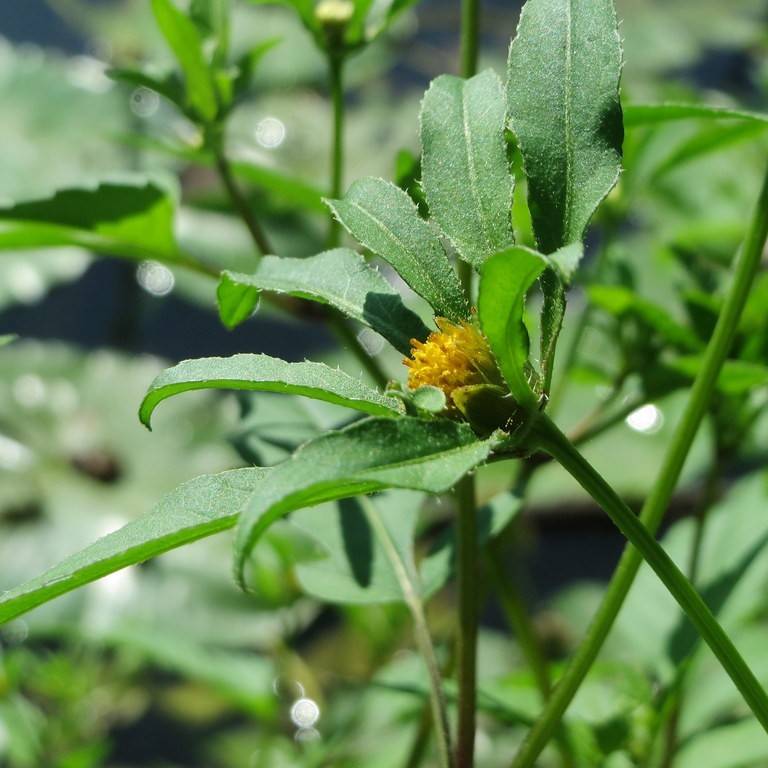
Beggarticks
Bidens frondosa
Overview
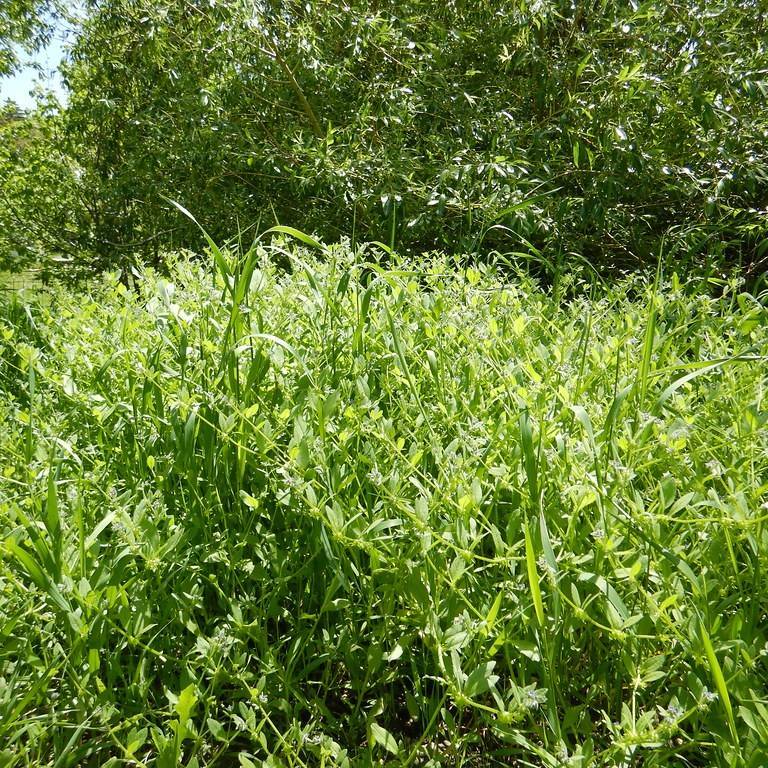
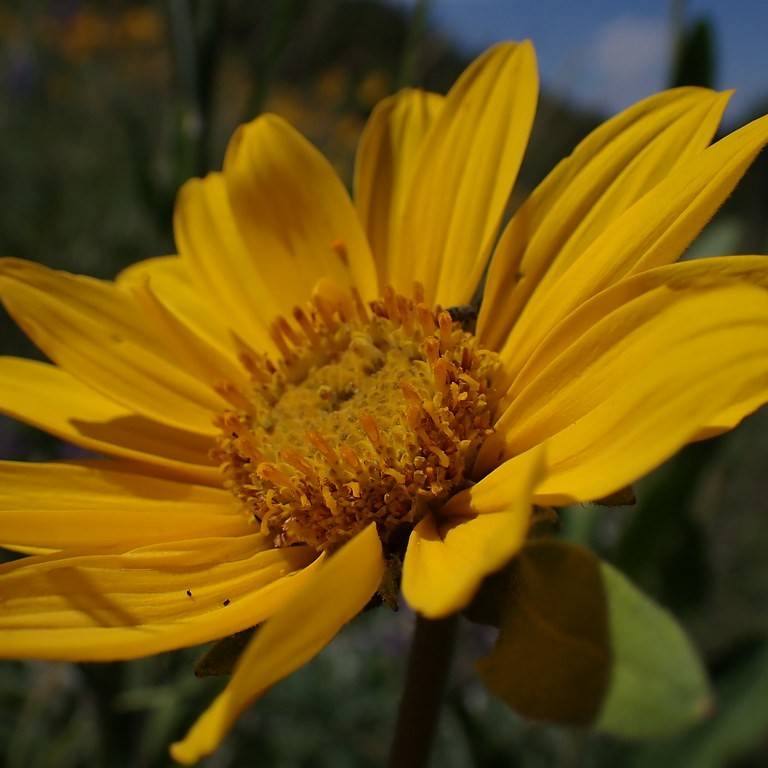
Beggarticks, also called devil’s pitchfork or stickseed, is a common wildflower and occasional garden ornamental found in moist meadows, roadsides, and disturbed soils. Its distinctive barbed achenes (seeds) evolved to disperse by attaching to passing animals, making the plant highly adaptable to new habitats. While often considered a weed in agricultural areas, it provides valuable late-season nectar for pollinators including bees, butterflies, and hoverflies.
Care Guide
Watering
Beggarticks thrives in consistently moist soil, tolerating occasional flooding and short dry spells once established. Water deeply when the top 1-2 inches of soil feel dry to the touch, avoiding prolonged drought that will stunt growth and reduce flowering. Reduce watering frequency in cooler months when the plant’s growth slows.
Light
This adaptable plant grows best in full sun, which supports maximum flower production and sturdy, compact growth. It tolerates partial shade, though plants in low light may become leggy and produce fewer blooms. Avoid deep, dense shade, as this will severely limit growth and may cause the plant to die back prematurely.
Soil
Beggarticks is not fussy about soil type, growing readily in sandy, loam, or clay soils with a pH range of 5.5 to 7.5. It prefers well-drained, moderately fertile soil but tolerates poor, compacted, or nutrient-deficient soils where many other plants struggle. Adding a small amount of compost at planting time can support more vigorous growth, but it is not required.
Fertilizer
As a hardy annual, beggarticks rarely requires supplemental fertilization, especially when grown in average garden soil. If planted in extremely poor, sandy soil, apply a balanced 10-10-10 slow-release fertilizer once at the start of the growing season to support growth. Over-fertilization will lead to excessive leaf growth at the expense of flowers and seed production.
Temperature
Beggarticks grows best in temperatures between 60–85°F (15–29°C), tolerating light spring and fall frosts that only damage the topmost foliage. It is adapted to USDA hardiness zones 3 through 9, completing its full life cycle in a single growing season across most temperate regions. Extended temperatures above 95°F (35°C) may cause wilting, though the plant recovers quickly when cooled and watered.
Pruning
Pruning is rarely required for beggarticks, though you can pinch back young plants in early summer to encourage bushier growth and more flowering stems. Deadhead spent blooms regularly if you wish to prevent self-seeding, as the plant can spread aggressively in garden beds if allowed to drop its barbed seeds. Pull up entire plants at the end of the growing season to limit unwanted spread in subsequent years.
Propagation
Beggarticks propagates easily from seed, which can be sown directly outdoors in early spring after the last frost date. No stratification is required; simply press seeds lightly into moist soil, as they need light to germinate, which typically occurs within 7–14 days under warm conditions. Plants often self-seed prolifically in favorable growing conditions, with volunteer seedlings emerging the following spring that can be transplanted to desired locations.
Humidity
Beggarticks tolerates a wide range of humidity levels, thriving in both moderately dry and humid environments as long as its soil moisture needs are met. It has no special humidity requirements, making it adaptable to most outdoor growing conditions across its hardiness range. Very low indoor humidity may cause leaf browning, but the plant is rarely grown as an indoor specimen.
Repotting
As an annual plant primarily grown outdoors in garden beds or wildflower meadows, beggarticks rarely requires repotting. If grown in containers, use a well-drained potting mix and select a pot with drainage holes to prevent root rot. There is no need to repot during its single growing season, as the plant will complete its life cycle and die back at the end of autumn.
Uses & Symbolism
Beggarticks is often included in native wildflower mixes to support pollinator populations, as its late-blooming flowers provide a critical nectar source when many other plants have finished flowering. In traditional herbal medicine, parts of the plant have been used topically to treat skin irritations, and internally as a diuretic and anti-inflammatory, though medicinal use should be supervised by a qualified practitioner. It is also sometimes grown as a low-maintenance cut flower, though its sticky seeds should be removed before arranging to avoid clinging to fabric.
Diseases & Pests
Beggarticks is relatively pest and disease resistant, with only occasional infestations of aphids, which can be controlled with a strong spray of water or insecticidal soap. It may develop powdery mildew in humid, crowded conditions with poor air circulation, which can be prevented by spacing plants properly to allow airflow around foliage. Root rot may occur in waterlogged, poorly drained soil, so avoid overwatering and plant in sites with good drainage to reduce risk.
Related plants
Other plants you might like if you grow Beggarticks.