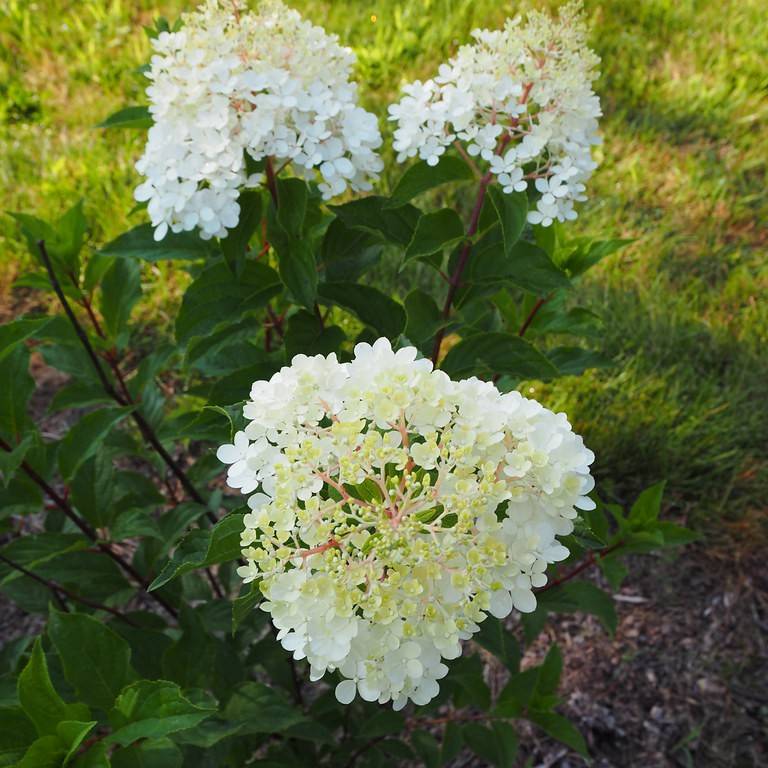
Cascade Hydrangea
Hydrangea seemannii
Overview
Cascade hydrangea is a versatile evergreen plant, grown as both a trailing shrub for hanging baskets or shady garden borders and a climbing vine that adheres to walls, trellises, or tree trunks via aerial rootlets. Unlike deciduous hydrangea species, it retains its dark, leathery, glossy leaves year-round in mild climates, producing delicate, flattened lacecap flower heads with creamy white fertile blooms surrounded by larger, showy white sterile florets. It is prized for its graceful, draping growth habit that lends a soft, romantic look to shaded, sheltered spaces.
Care Guide
Watering
Keep soil consistently moist but not waterlogged, watering deeply when the top 1 to 2 inches of soil feels dry to the touch. Reduce watering frequency in winter when growth slows, avoiding prolonged sogginess that can trigger root rot. Container-grown specimens may require more frequent watering during hot, dry periods to prevent moisture stress.
Light
Thrives in partial to full shade, preferring dappled, indirect sunlight or filtered light under tree canopies. Avoid prolonged exposure to direct midday sun, which can scorch foliage and cause flower browning. It can tolerate low light conditions indoors, but will produce fewer blooms without several hours of bright, indirect light daily.
Soil
Requires well-draining, rich, loamy soil with a slightly acidic to neutral pH between 5.5 and 7.0. Amend heavy garden soil with compost, peat moss, or leaf mold to improve drainage and add organic matter before planting. For container culture, use a high-quality potting mix formulated for acid-loving shrubs with added perlite or pumice for drainage.
Fertilizer
Feed in early spring with a slow-release, balanced fertilizer formulated for acid-loving plants, such as a 10-10-10 blend, to support new growth and flower production. Avoid high-nitrogen fertilizers, which can promote excessive foliage growth at the expense of blooms. Do not fertilize after mid-summer, as this can encourage tender new growth that is vulnerable to cold damage.
Temperature
Prefers mild, temperate climates with average temperatures between 60 and 75°F (15 and 24°C) during the growing season. It is hardy to USDA zones 7 to 10, tolerating brief dips down to 10°F (-12°C) if provided with winter shelter from cold winds. Indoor specimens should be kept away from cold drafts and heating vents that can dry out foliage.
Pruning
Prune immediately after flowering ends in late summer to remove spent bloom heads, shape the plant, and cut back any damaged, diseased, or overcrowded growth. Avoid heavy pruning in fall or winter, as this will remove the following year’s flower buds, which form on old wood. For climbing specimens, trim back stray or overly long shoots to maintain desired size and encourage adherence to its support structure.
Propagation
Most commonly propagated via softwood cuttings taken in late spring or early summer, using 4 to 6 inch long stem tips with at least two sets of leaves, dipped in rooting hormone and placed in moist, well-draining potting mix under high humidity. It can also be propagated via layering in spring, by pinning a low-growing stem to the soil, covering it with a thin layer of soil, and allowing it to form roots before severing it from the parent plant the following year. Seed propagation is possible but slow, taking several years for plants to reach flowering maturity.
Humidity
Thrives in moderate to high humidity levels between 50 and 70%, which supports healthy foliage and full flower development. Indoor specimens may benefit from regular misting, a pebble tray filled with water, or placement near a humidifier during dry winter months to counteract low indoor humidity. Avoid placing the plant in excessively dry, drafty areas, which can cause leaf tip browning.
Repotting
Container-grown cascade hydrangeas should be repotted every 2 to 3 years in early spring before new growth emerges, moving to a pot one size larger with fresh, acidic potting mix. Check root systems annually for signs of crowding, such as roots growing out of drainage holes or stunted growth, which indicate a need for repotting. After repotting, water thoroughly and keep the plant in shaded, sheltered conditions for a week to reduce transplant stress.
Uses & Symbolism
Cascade hydrangea is widely used in shaded garden landscapes as a trailing groundcover, climbing vine for walls and trellises, or cascading specimen in hanging baskets and elevated planters. Its evergreen foliage and delicate white blooms make it a popular choice for woodland gardens, shade borders, and container displays on shaded patios or balconies. Cut flower stems are often used in fresh floral arrangements for their graceful shape and long-lasting blooms.
Diseases & Pests
Cascade hydrangea is susceptible to common hydrangea pests including aphids, spider mites, and scale insects, which feed on sap and can cause distorted foliage or stunted growth if left untreated. Fungal diseases such as powdery mildew, leaf spot, and root rot can occur in poorly ventilated, overly moist conditions, so ensure proper air circulation around the plant and avoid overwatering. Chlorosis, or yellowing of leaves, may occur in overly alkaline soil, which can be corrected by amending the soil with sulfur or using an acidifying fertilizer.
Related plants
Other plants you might like if you grow Cascade Hydrangea.
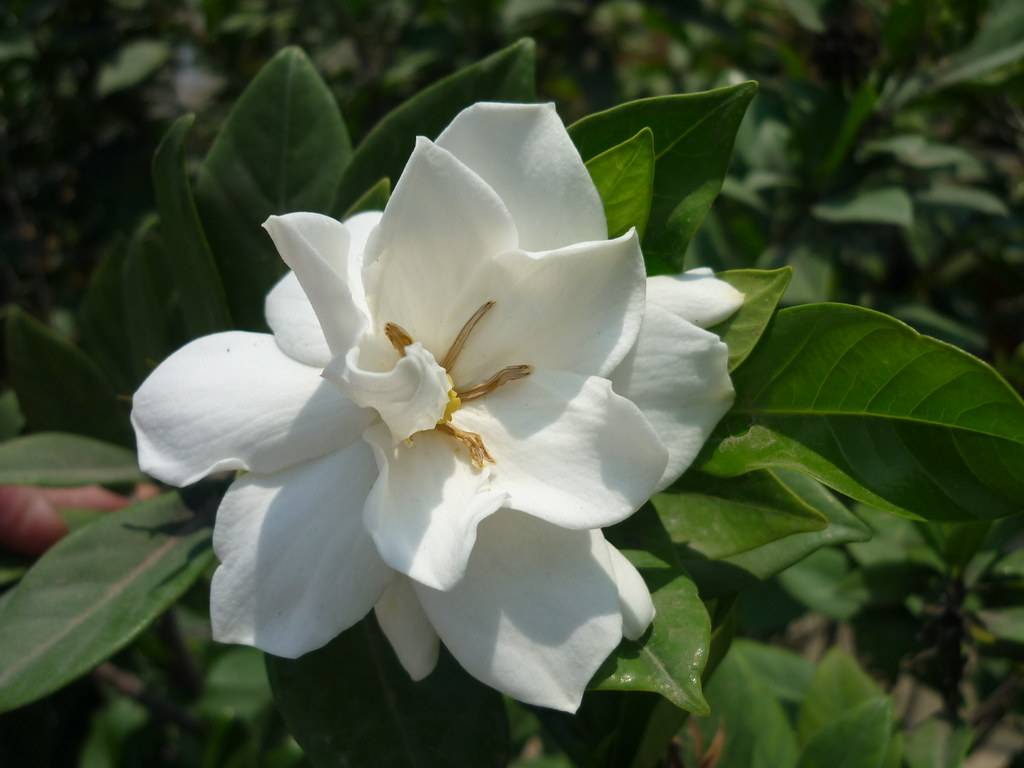
Gardenia
Gardenia jasminoides
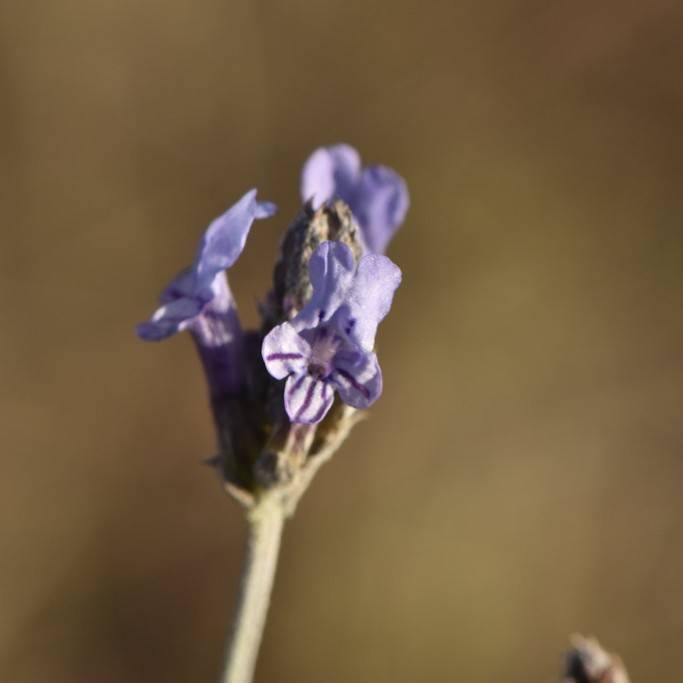
French Lace
Hydrangea macrophylla 'French Lace'
%22%2F%3E%0A%20%20%20%20%20%20%3Ccircle%20cx%3D%22920%22%20cy%3D%22180%22%20r%3D%2290%22%20fill%3D%22%23cfe8d5%22%2F%3E%0A%20%20%20%20%20%20%3Cpath%20d%3D%22M600%20590c-90-180-215-255-310-280%200%20165%20118%20296%20270%20296h40z%22%20fill%3D%22%2379b88e%22%2F%3E%0A%20%20%20%20%20%20%3Cpath%20d%3D%22M600%20590c80-150%20198-212%20302-228-8%20142-123%20255-270%20255h-32z%22%20fill%3D%22%235c9f73%22%2F%3E%0A%20%20%20%20%20%20%3Cpath%20d%3D%22M600%20610V360%22%20stroke%3D%22%234f8c64%22%20stroke-width%3D%2218%22%20stroke-linecap%3D%22round%22%2F%3E%0A%20%20%20%20%20%20%3Ctext%20x%3D%22600%22%20y%3D%22700%22%20text-anchor%3D%22middle%22%20font-family%3D%22Arial%2C%20sans-serif%22%20font-size%3D%2244%22%20fill%3D%22%23365c45%22%3E%0A%20%20%20%20%20%20%20%20Plant%20image%20coming%20soon%0A%20%20%20%20%20%20%3C%2Ftext%3E%0A%20%20%20%20%3C%2Fsvg%3E%0A%20%20)
Dahurian Rhododendron
Rhododendron dahuricum
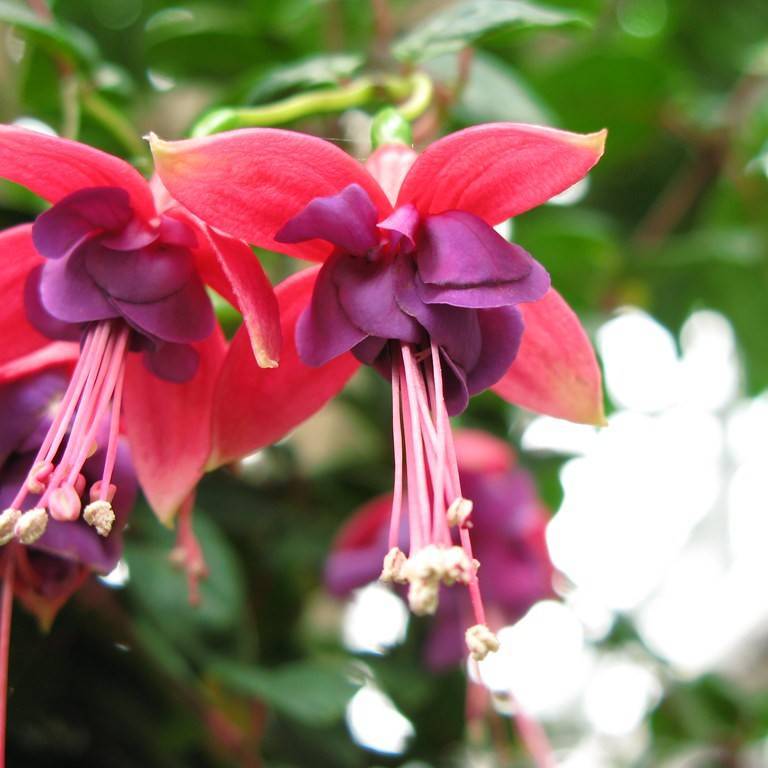
Lady's Eardrops
Fuchsia triphylla 'Gartenmeister Bonstedt'
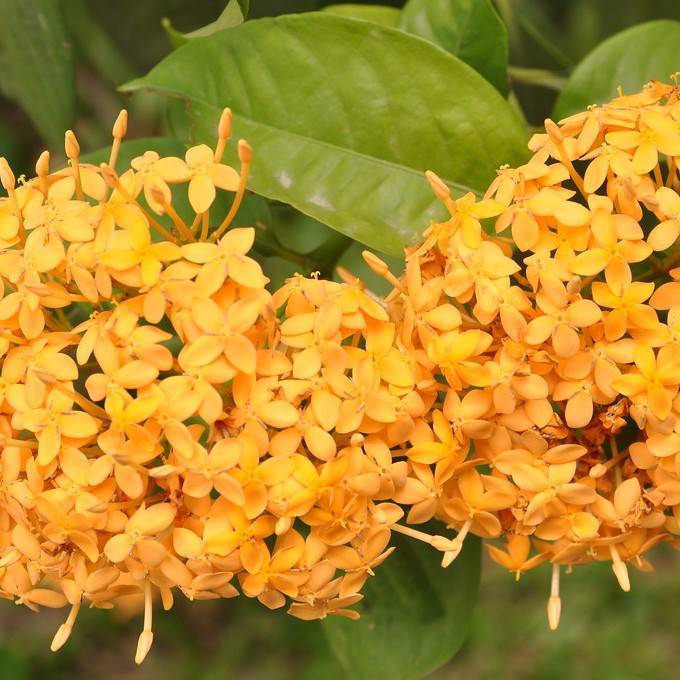
Flame Of The Woods
Ixora coccinea
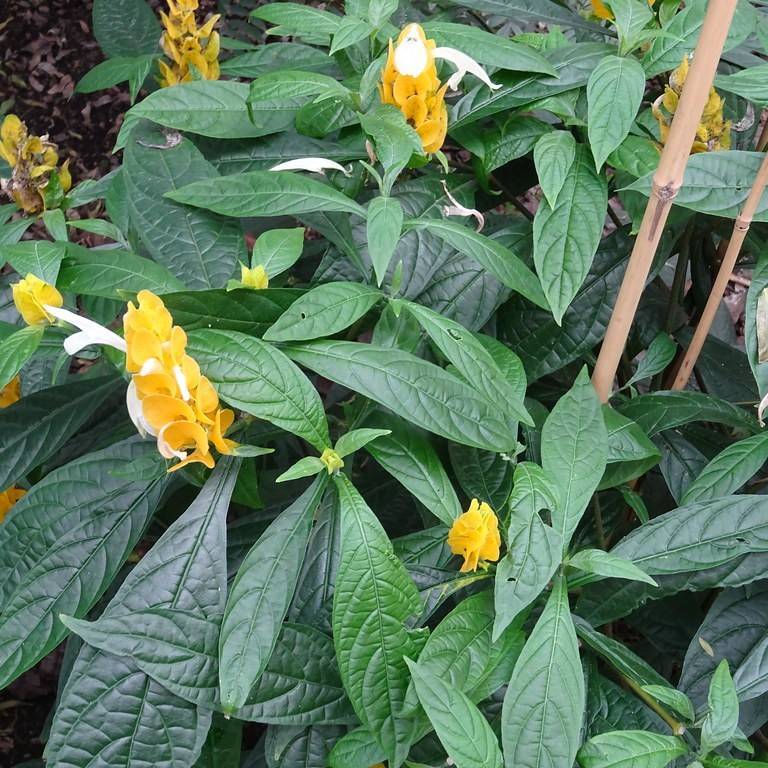
Golden Shrimp Plant
Pachystachys lutea
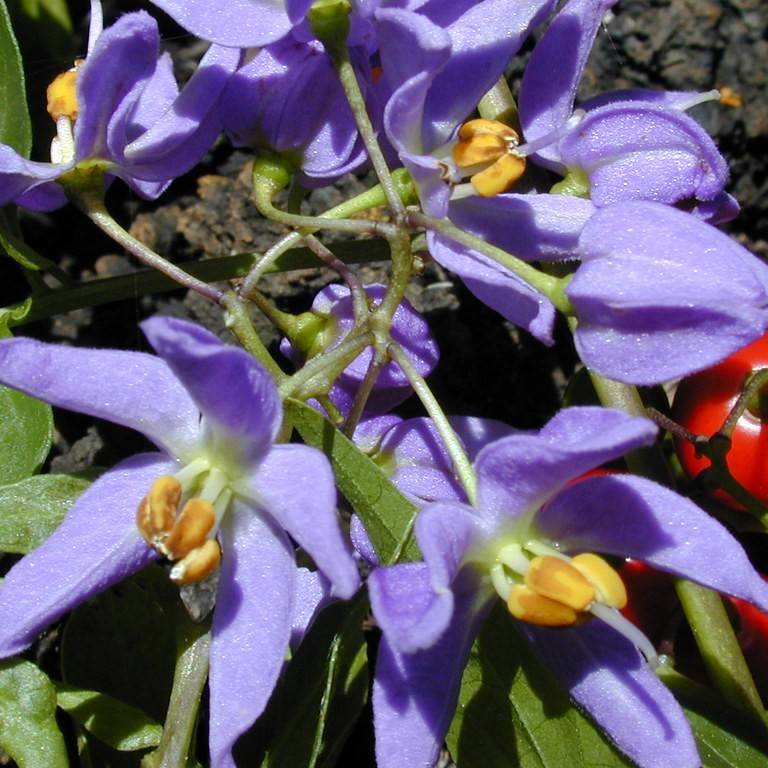
Brazilian Nightshade
Solanum seaforthianum
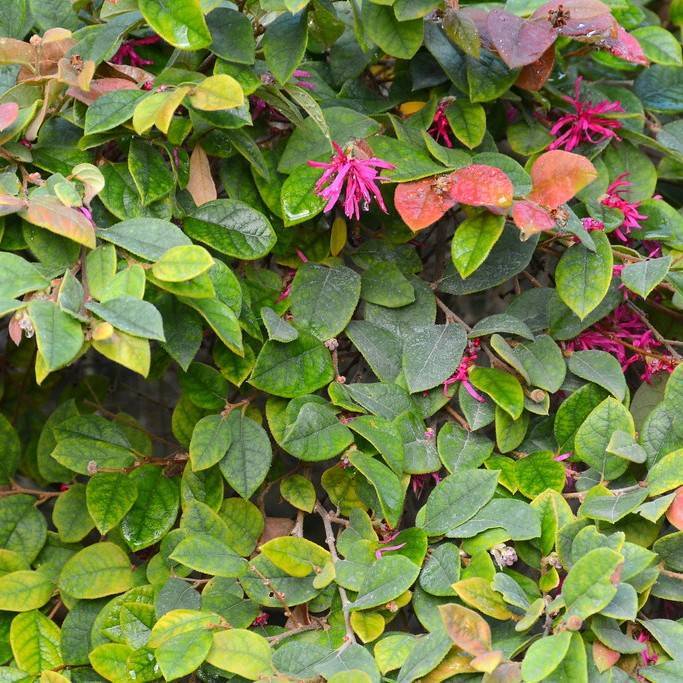
Chinese Fringe Flower
Loropetalum chinense