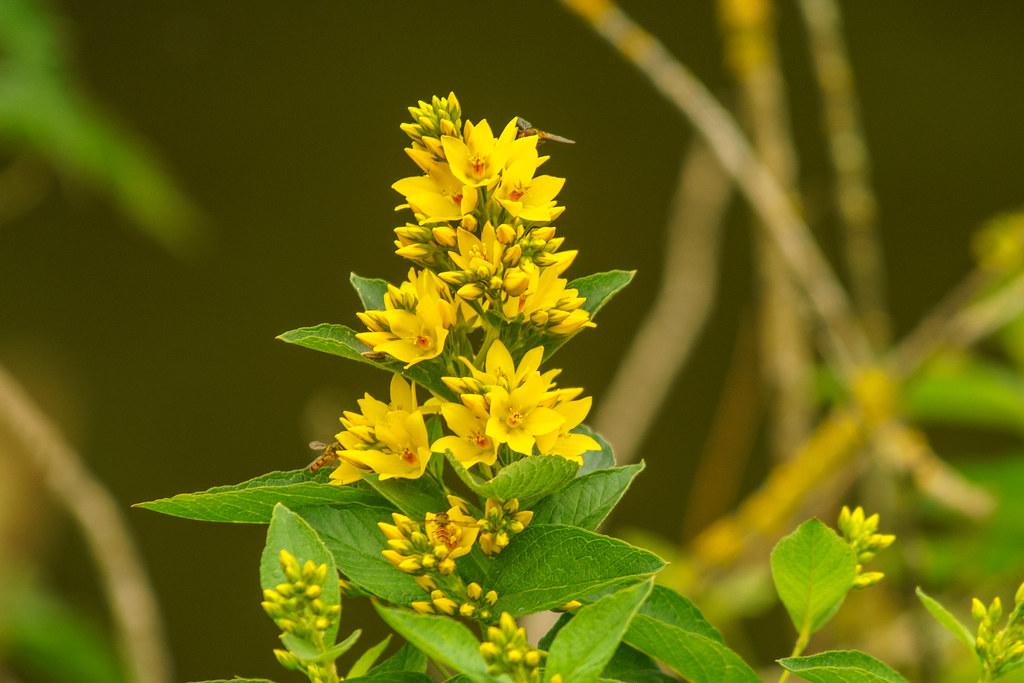
Garden Yellow Loosestrife
Lysimachia punctata
Overview
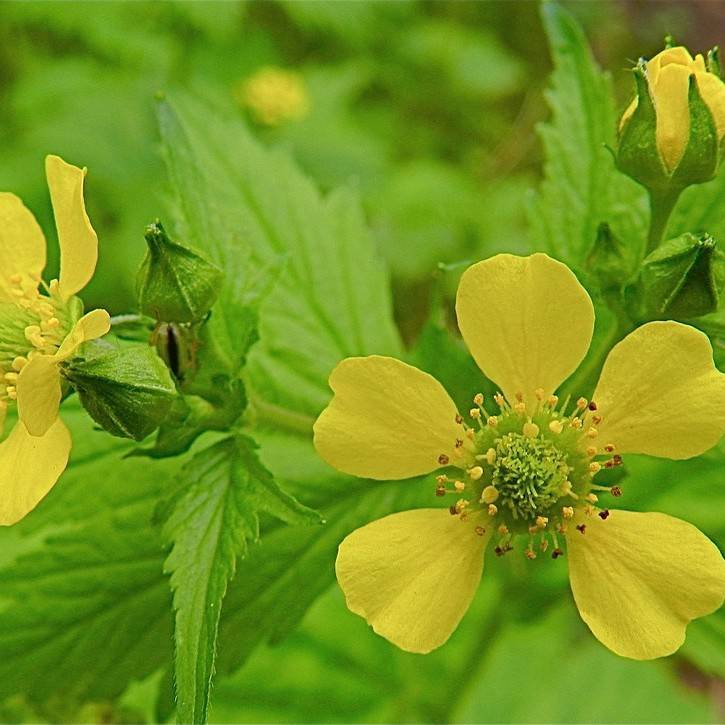
Garden yellow loosestrife is a hardy, clump-forming perennial that produces upright, leafy stems lined with opposite, oval, light green foliage. From early to mid-summer, it bears dense whorls of bright, golden-yellow star-shaped flowers dotted with tiny orange centers at the upper leaf axils. It spreads slowly via rhizomes to form substantial clumps, and is a valuable plant for attracting pollinators including bees and butterflies to the garden.
Care Guide
Watering
Garden yellow loosestrife thrives in consistently moist, even wet soil, and should be watered regularly to prevent the root zone from drying out, especially during periods of hot, dry weather. It tolerates occasional standing water, making it suitable for planting near pond edges or in low-lying, poorly drained areas of the garden. Reduce watering slightly in the fall once flowering has finished and growth begins to slow.
Light
This plant grows best in full sun to partial shade, with at least 6 hours of direct sunlight daily to promote abundant flowering. In regions with very hot, intense summer sun, it benefits from light afternoon shade to prevent leaf scorch and reduce moisture loss from the soil. Too much deep shade will result in sparse flowering and leggy, weak stems that may require staking.
Soil
Garden yellow loosestrife adapts to a wide range of soil types, including clay, loam, and sandy soil, as long as it is moisture-retentive. It prefers a slightly acidic to neutral pH range between 5.5 and 7.0, and tolerates poorly drained, wet soils that many other perennials cannot survive in. Amending heavy, dry soil with organic matter such as compost or well-rotted manure will improve moisture retention and support healthier growth.
Fertilizer
This low-maintenance perennial requires minimal fertilization, and will thrive with a single application of balanced, slow-release granular fertilizer in early spring as new growth emerges. Over-fertilization can lead to excessive, leggy foliage growth at the expense of flowering, and may cause the plant to spread more aggressively than desired. If planted in rich, organic soil, additional fertilization may not be necessary for 2-3 years.
Temperature
Garden yellow loosestrife is fully hardy in USDA zones 4 through 9, tolerating winter temperatures as low as -30°F (-34°C) without special protection. It grows best in moderate summer temperatures between 60 and 75°F (15 and 24°C), and can tolerate short periods of higher heat as long as soil moisture is adequate. Frost will kill back above-ground foliage in late fall, and the plant will regrow from its root system the following spring.
Pruning
Deadhead spent flower clusters as they fade to encourage a second, lighter flush of blooms later in the summer, and to prevent unwanted self-seeding if spread is a concern. Cut back all stems to ground level in late fall after the foliage has died back, to keep the garden tidy and reduce overwintering sites for pests and diseases. If clumps become too large or spread beyond their desired space, thin them out by cutting back excess stems in early spring.
Propagation
The easiest method of propagation is division, carried out in early spring just as new growth emerges, or in fall after flowering has finished; simply dig up the clump, separate it into smaller sections with healthy roots and shoots, and replant immediately at the same depth they were growing. It can also be grown from seed sown directly outdoors in fall, or started indoors 8-10 weeks before the last expected frost date, though seed-grown plants may take 2-3 years to reach full flowering size. Softwood stem cuttings taken in late spring or early summer will also root readily if kept in moist, warm conditions.
Humidity
Garden yellow loosestrife tolerates a wide range of humidity levels, from moderate to high, and does not require any special humidity adjustments when grown outdoors in its suitable hardiness zones. It thrives in naturally humid areas near bodies of water, but also adapts well to average garden humidity as long as soil moisture is maintained. Very low, dry humidity combined with hot sun may cause leaf edge browning if the plant does not receive enough water.
Repotting
When grown in containers, garden yellow loosestrife should be repotted every 2-3 years in early spring, before new growth begins, to refresh the soil and prevent the root system from becoming pot-bound. Choose a container with drainage holes that is at least 2 inches wider than the current pot, and use a moisture-retentive potting mix amended with compost to support healthy growth. Container-grown plants will require more frequent watering than those planted in the ground, as potting soil dries out more quickly.
Uses & Symbolism
Garden yellow loosestrife is widely planted in perennial borders, cottage gardens, rain gardens, and along pond or stream edges for its bright summer color and ability to thrive in moist, difficult sites. It is an excellent pollinator plant, providing nectar for bees, butterflies, and other beneficial insects throughout its flowering season. Its dense, leafy clumps also provide erosion control on slopes and in low-lying areas prone to occasional flooding.
Diseases & Pests
Garden yellow loosestrife is relatively resistant to most pests and diseases, though it may occasionally be affected by fungal leaf spots and rust in conditions of high humidity and poor air circulation. Aphids and slugs may feed on young, tender foliage in spring, especially in shaded, moist locations. Overly wet, poorly drained soil can lead to root rot, particularly during the winter months in colder regions.
Related plants
Other plants you might like if you grow Garden Yellow Loosestrife.