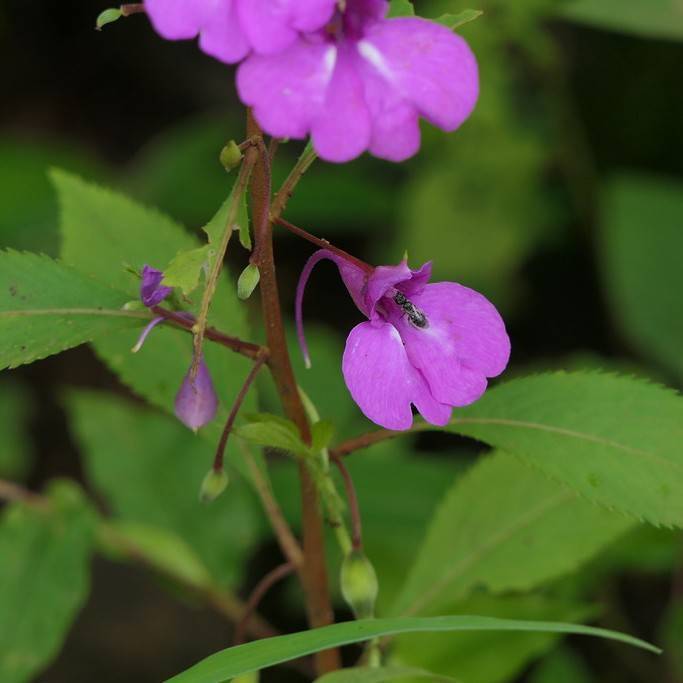
Garden Balsam
Impatiens balsamina
Overview
Garden balsam, also called rose balsam or touch-me-not, bears dense clusters of double, ruffled flowers in shades of pink, red, purple, white, and bicolor patterns along its thick, succulent stems from early summer to first frost. Its name 'touch-me-not' refers to its mature seed pods, which burst open explosively when touched to disperse seeds over a wide area. Long cultivated in tropical and temperate regions, it is a popular choice for cottage gardens, border edges, and shaded patio containers where its vibrant blooms add consistent seasonal color.
Care Guide
Watering
Garden balsam prefers consistently moist, well-drained soil; water deeply 1-2 times per week, adjusting frequency to avoid waterlogging, which can cause root rot. Allow the top 1 inch of soil to dry slightly between waterings to prevent fungal issues, and water at the base of the plant to avoid wetting foliage. Container-grown plants may require daily watering during hot, dry summer weather to maintain consistent moisture levels.
Light
Thrives in partial shade, receiving 3-6 hours of dappled or morning sunlight daily, with protection from intense midday sun that can scorch leaves and cause blooms to fade prematurely. It can tolerate full sun in cooler, mild climates if provided with ample moisture, but performs best in shaded locations in regions with hot summer temperatures. Insufficient light will lead to leggy growth and reduced flowering.
Soil
Grows best in rich, loamy, well-drained soil with a slightly acidic to neutral pH between 6.0 and 7.0. Amend poor garden soil with compost, well-rotted manure, or peat moss to improve nutrient content and drainage before planting. Avoid heavy, clay soils that retain excess moisture, as these can cause rapid root rot in this succulent-stemmed species.
Fertilizer
Feed garden balsam every 2-3 weeks during the active growing season with a balanced, water-soluble 10-10-10 fertilizer diluted to half strength to support steady growth and abundant blooming. Avoid over-fertilizing with high-nitrogen formulas, as this will encourage lush foliage growth at the expense of flower production. Stop fertilizing entirely in late summer as the plant begins to senesce at the end of its annual lifecycle.
Temperature
Prefers warm temperatures between 60-85°F (15-29°C) and is highly sensitive to frost, with all growth dying off immediately when exposed to freezing temperatures. It will wilt and suffer leaf drop if exposed to sustained temperatures above 90°F (32°C) without adequate moisture and shade. Seeds germinate best when soil temperatures are consistently above 70°F (21°C), so plant outdoors only after all risk of frost has passed.
Pruning
Pinch back the tips of young stems when plants reach 6-8 inches tall to encourage bushier, more compact growth and increased flower production. Remove spent blooms regularly throughout the flowering season to extend blooming and prevent the plant from diverting energy to seed production. If self-seeding is unwanted, remove all mature seed pods before they burst open to prevent unwanted spread in the garden.
Propagation
Most commonly grown from seed, which can be sown directly outdoors after the last frost or started indoors 6-8 weeks before the last expected frost date for earlier blooms. Surface-sow seeds, as they require light to germinate, and keep the growing medium consistently moist until seedlings emerge in 7-14 days. Cuttings can also be taken from healthy stem tips in early summer, rooted in moist potting mix, and transplanted within 3-4 weeks, though seed propagation is far more common for this annual species.
Humidity
Tolerates average outdoor humidity levels between 40-60% without issue, though it benefits from slightly higher humidity in arid climates. If grown indoors as a temporary houseplant, mist the foliage occasionally or place the container on a pebble tray filled with water to raise surrounding humidity levels. Avoid excessively high humidity combined with poor air circulation, as this increases the risk of powdery mildew and other fungal diseases.
Repotting
As an annual plant, garden balsam rarely requires repotting during its short lifecycle. If grown in containers, plant in a pot with drainage holes filled with high-quality potting mix at the start of the growing season, and only repot if the plant becomes severely root-bound before flowering, which is uncommon. Discard plants after they die back from frost at the end of the season, as they will not regrow the following year.
Uses & Symbolism
Garden balsam is primarily grown as an ornamental plant for shaded garden beds, border edges, cottage gardens, and patio containers, where its vibrant, ruffled blooms provide consistent summer color. In traditional South Asian medicine, extracts from the leaves, flowers, and stems are used topically to treat burns, skin irritations, and rheumatism, though internal consumption is not recommended due to its toxicity. The flowers are also sometimes used as a natural dye for textiles and cosmetics in its native range.
Diseases & Pests
Garden balsam is susceptible to common fungal diseases including powdery mildew, downy mildew, and root rot, particularly when grown in poorly drained soil or with excessive moisture on the foliage. Common pests include aphids, spider mites, and whiteflies, which feed on sap from tender new growth and can be controlled with insecticidal soap or neem oil applications. It is also a host for impatiens necrotic spot virus (INSV), which is spread by thrips and causes stunted growth, leaf spots, and premature plant death.
Related plants
Other plants you might like if you grow Garden Balsam.
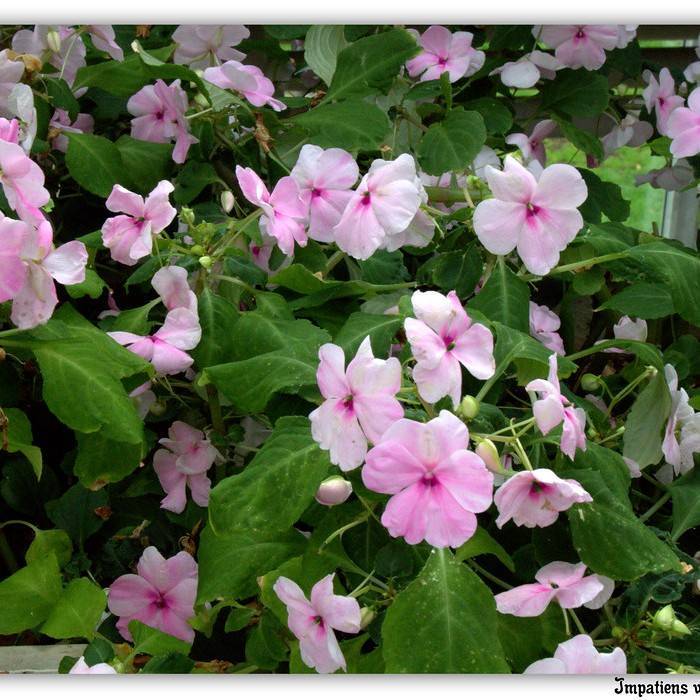
Busy Lizzy
Impatiens walleriana
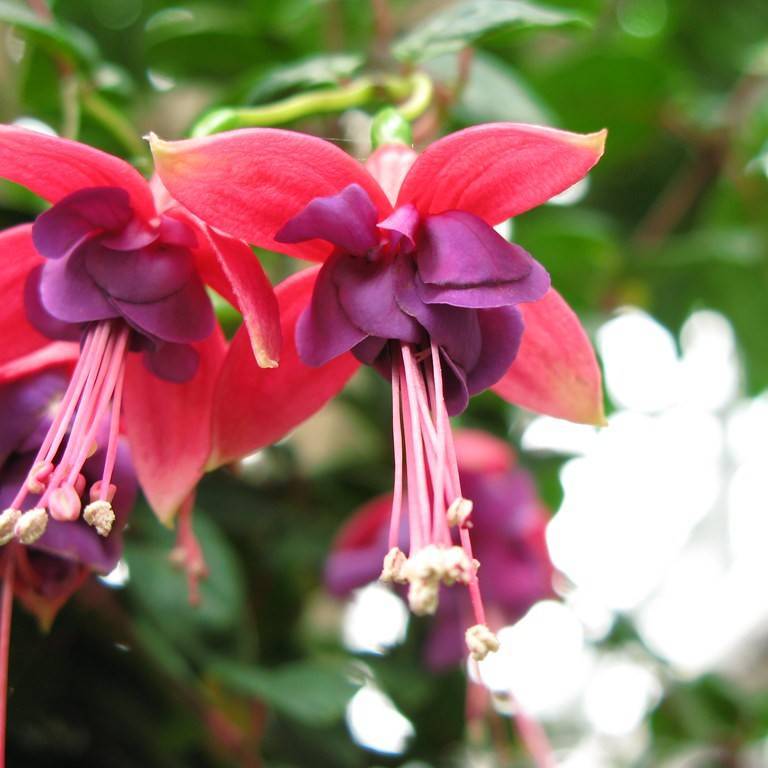
Lady's Eardrops
Fuchsia triphylla 'Gartenmeister Bonstedt'
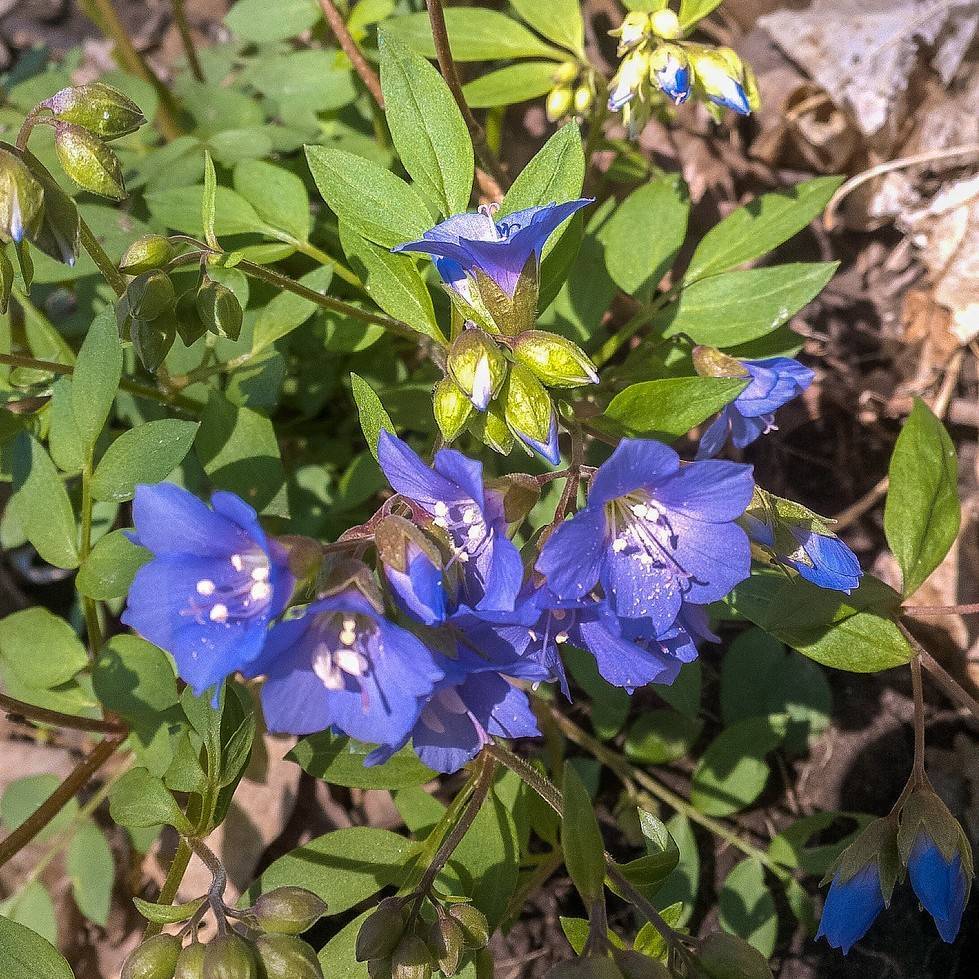
Jacob's Ladder
Polemonium caeruleum
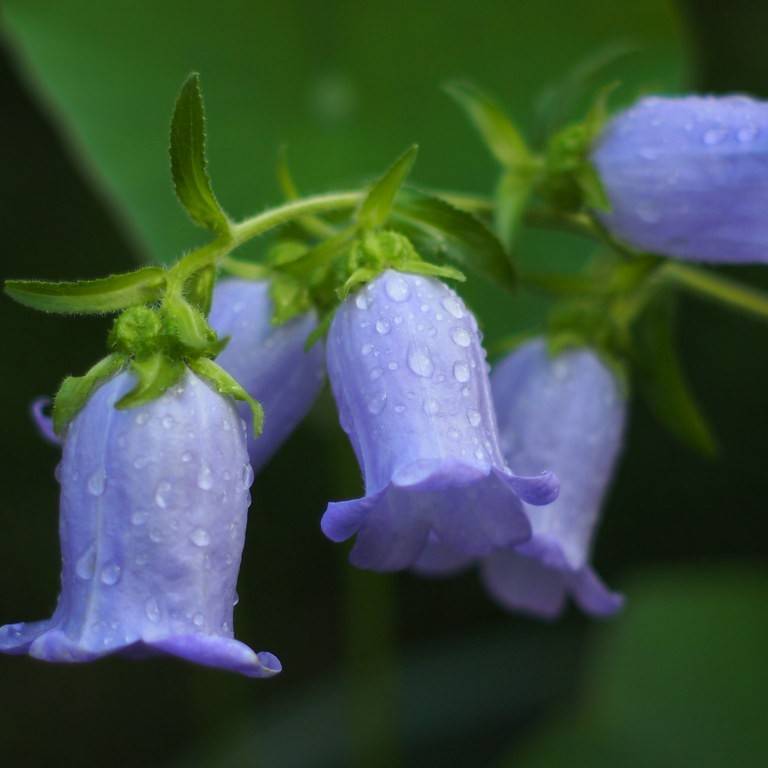
Canterbury Bellflower
Campanula medium
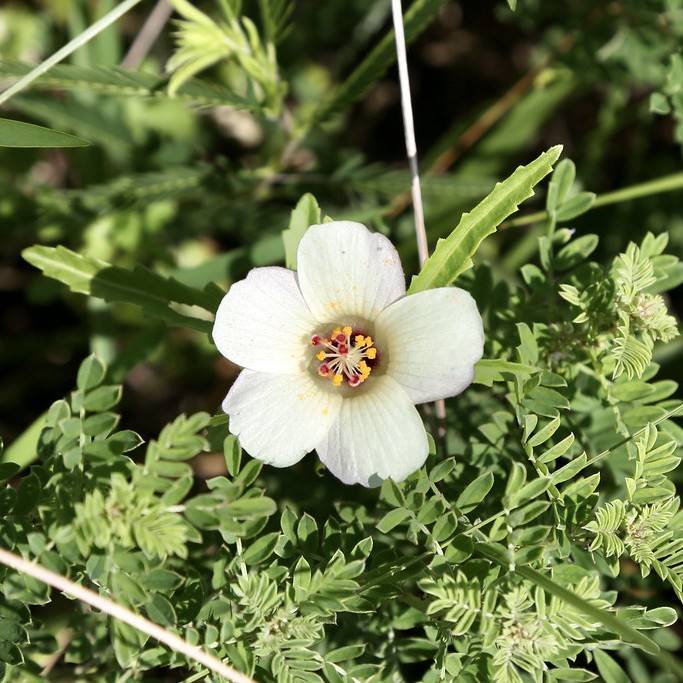
Flower Of An Hour
Hibiscus trionum
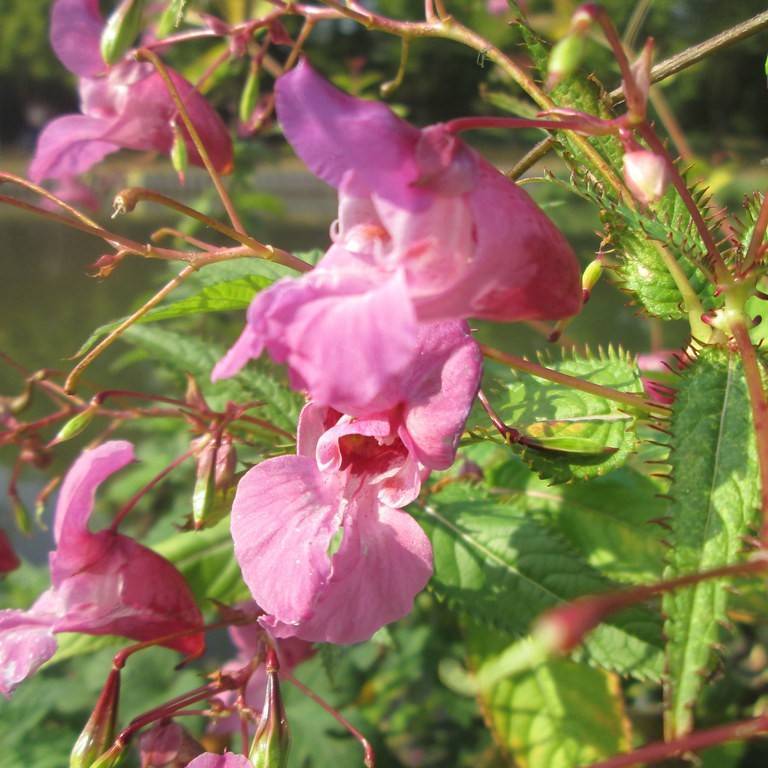
Himalayan Balsam
Impatiens glandulifera
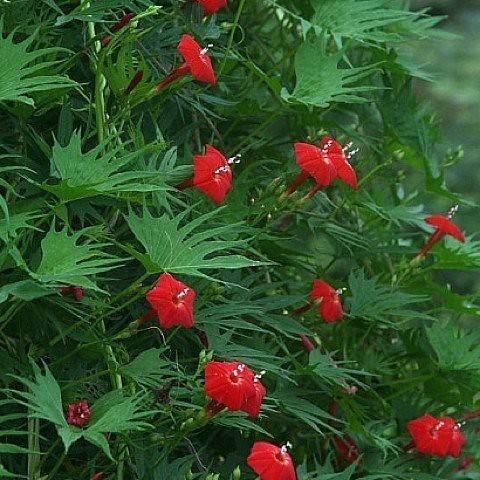
Cardinal Climber
Ipomoea × multifida
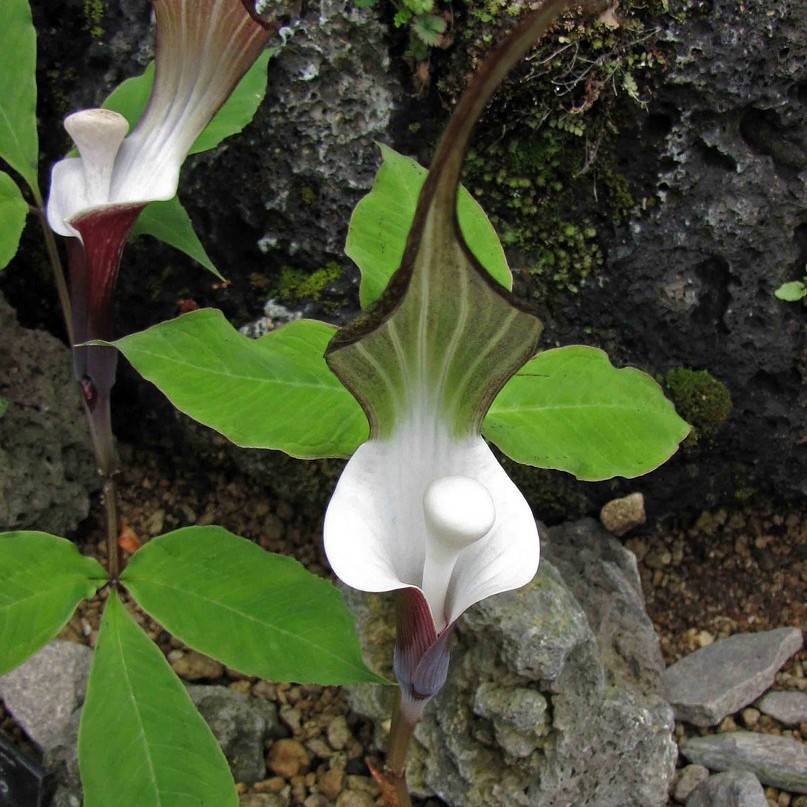
Japanese Jack In The Pulpit
Arisaema sikokianum