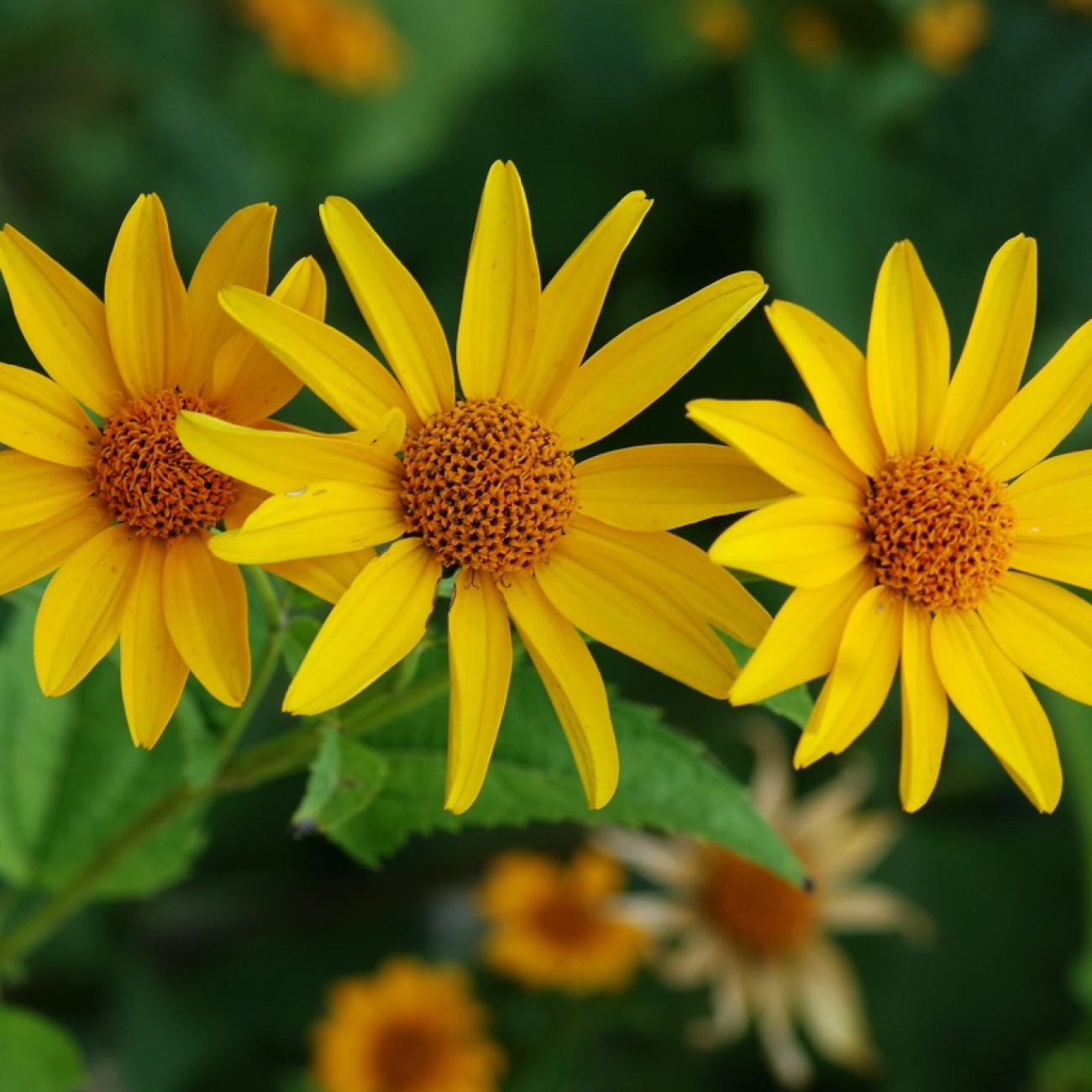
False Sunflower
Heliopsis helianthoides
Overview
False sunflower, also called oxeye sunflower, is a rugged herbaceous perennial native to prairies, meadows, and open woodlands across central and eastern North America. It features upright, branching stems lined with serrated, dark green ovate leaves, and produces masses of 2–3 inch wide golden yellow flowers with yellow or brown central disks that resemble small sunflowers. Unlike true sunflowers, it blooms continuously for 8–12 weeks, making it a long-lasting addition to sunny gardens, and its sturdy stems rarely require staking even in windy conditions.
Care Guide
Watering
Water newly planted false sunflowers regularly to keep soil consistently moist for the first growing season as they establish deep root systems. Once established, they are highly drought tolerant, requiring only occasional watering during prolonged dry spells; overwatering or soggy soil will lead to root rot. Reduce watering frequency in fall as the plant goes dormant for winter.
Light
False sunflowers thrive in full sun, requiring a minimum of 6 hours of direct, unfiltered sunlight daily to produce the most abundant blooms and maintain sturdy, upright growth. They can tolerate partial shade, but plants grown in shadier conditions will become leggy, produce fewer flowers, and may need staking to support their stems. Avoid planting in heavily shaded areas, as this will increase susceptibility to powdery mildew.
Soil
This adaptable plant grows well in a wide range of soil types, including poor, dry, clay, or rocky soils, as long as the site has good drainage. It prefers a neutral to slightly alkaline soil pH between 6.0 and 7.5, but can tolerate mildly acidic conditions as well. Amending heavy clay soils with compost or sand before planting will improve drainage and support healthier root growth.
Fertilizer
False sunflowers are light feeders and rarely require regular fertilization, especially when grown in average garden soil. Over-fertilizing will lead to excessive, weak foliage growth and reduced flowering, so only apply a balanced, slow-release granular fertilizer once in early spring if growth appears stunted or soil is very poor. For potted specimens, apply a diluted all-purpose liquid fertilizer once every 4–6 weeks during the active growing season.
Temperature
This cold-hardy perennial grows best in temperatures between 60–85°F (15–29°C) during the active growing season, and is hardy in USDA zones 3 through 9. It tolerates high summer heat and humidity well, as long as it has adequate air circulation around its foliage. Established plants can survive winter temperatures as low as -40°F (-40°C) when their root systems are insulated with a light layer of mulch.
Pruning
Deadhead spent flowers regularly throughout the blooming season to encourage continuous new bud production and prevent unwanted self-seeding if desired. In late fall after the first frost, cut back the entire plant to 4–6 inches above the soil line to tidy the garden and reduce overwintering sites for pests and diseases. You can also pinch back stems by one-third in late spring if you prefer a shorter, bushier plant with more branching and flower heads.
Propagation
False sunflowers are most easily propagated by division in early spring or late fall, when the plant is dormant; dig up mature clumps, split them into sections with at least 2–3 growth buds each, and replant immediately at the same depth they were growing. They can also be grown from seed sown directly outdoors in fall or early spring, or started indoors 6–8 weeks before the last expected frost date for earlier blooms. Stem cuttings taken from new growth in late spring will also root readily in moist potting mix with bottom heat.
Humidity
False sunflowers adapt well to a wide range of humidity levels, tolerating both dry continental climates and humid midwestern and eastern North American summer conditions with ease. High humidity combined with poor air circulation around the foliage can increase the risk of powdery mildew, so space plants 2–3 feet apart to allow for adequate airflow. No extra humidity is required for this plant, even when grown temporarily in containers.
Repotting
False sunflowers are typically grown in outdoor garden beds, but if grown in containers, repot every 2–3 years in early spring before new growth emerges. Choose a pot at least 12 inches deep and wide with drainage holes to accommodate their spreading root system, and use a well-draining general-purpose potting mix amended with compost. After repotting, water thoroughly and place in a full sun location to support new growth.
Uses & Symbolism
False sunflowers are a staple in pollinator gardens, attracting bees, butterflies, and native beneficial insects throughout their blooming season, and their seed heads provide food for songbirds in fall and winter. They are ideal for sunny borders, cottage gardens, meadow plantings, and cut flower gardens, as their long stems and long-lasting blooms make excellent fresh cut flowers for arrangements. They are also used for erosion control on slopes and in restoration projects, as their deep root systems stabilize soil and they thrive in poor, disturbed sites.
Diseases & Pests
False sunflowers are generally pest and disease resistant, but can occasionally develop powdery mildew on foliage in humid, shaded conditions with poor air circulation; this can be prevented by planting in full sun, spacing plants properly, and avoiding overhead watering. Aphids and spider mites may infest new growth during hot, dry weather, and can be controlled with a strong spray of water or applications of insecticidal soap. Root rot can occur in poorly drained, waterlogged soil, so ensure planting sites have good drainage and avoid overwatering established plants.
Related plants
Other plants you might like if you grow False Sunflower.
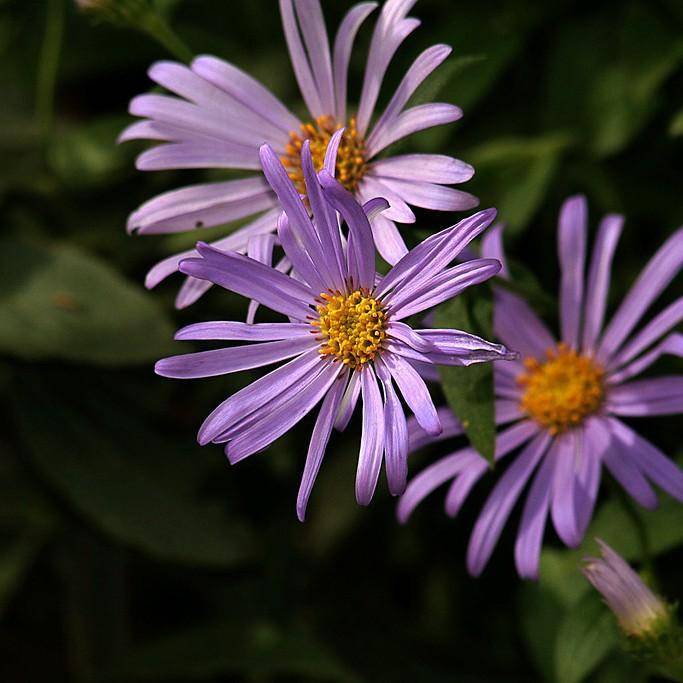
Frikart Aster
Aster × frikartii
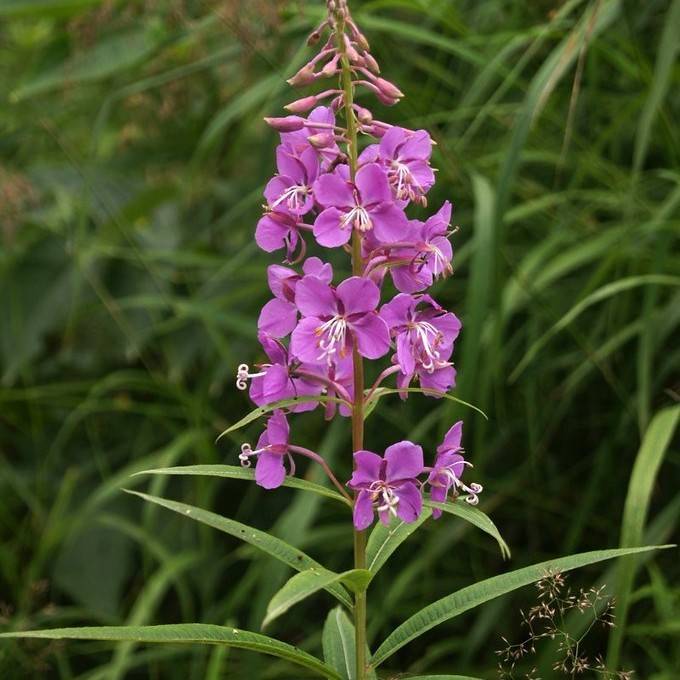
Hybrid Fireweed
Chamerion angustifolium 'Album' or interspecific Chamerion hybrids
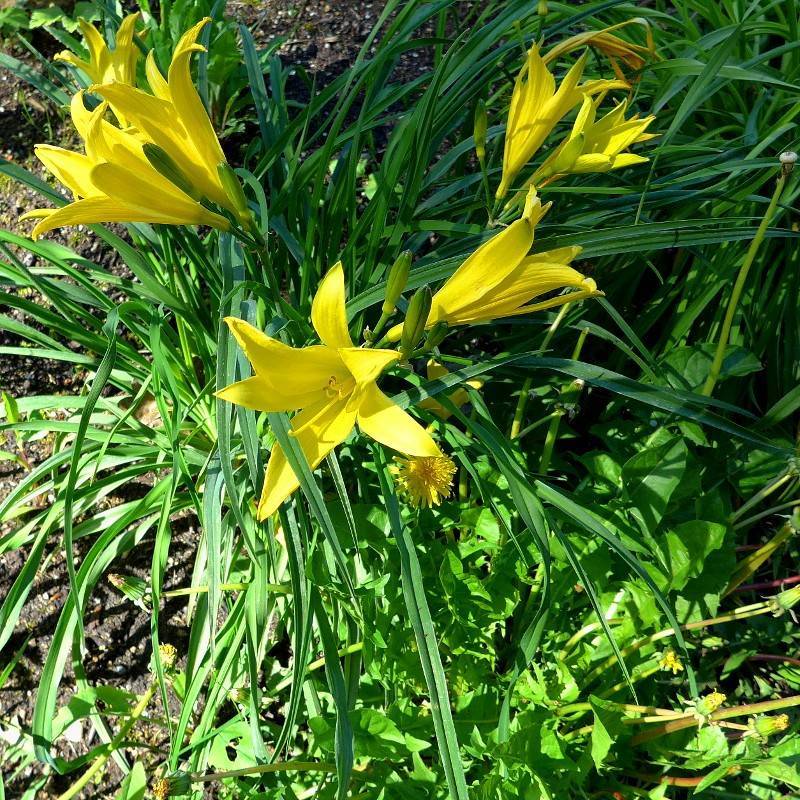
Dwarf Yellow Daylily
Hemerocallis minor
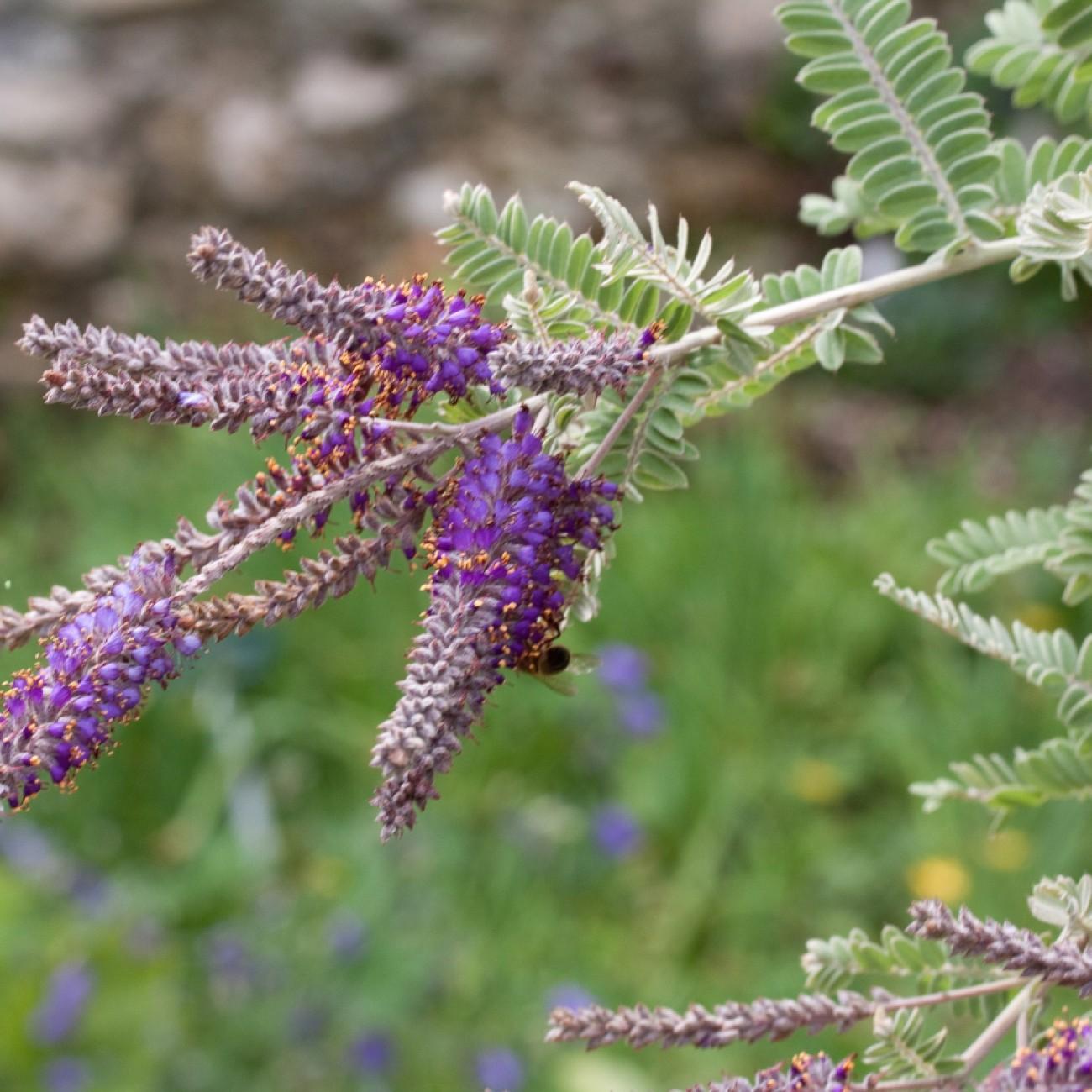
Dwarf False Indigo
Baptisia australis var. minor
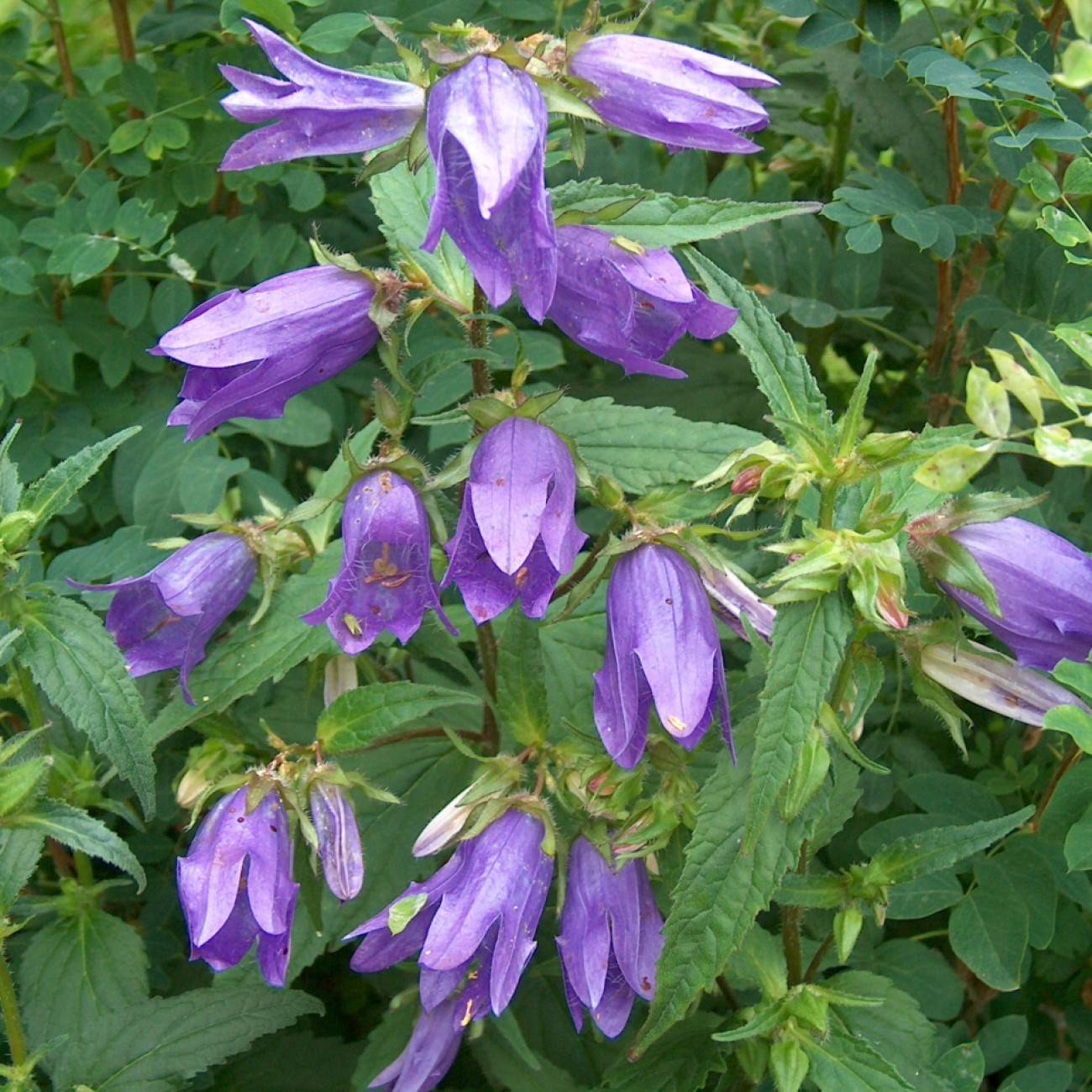
Giant Bellflower
Campanula latifolia 'Gantel E'
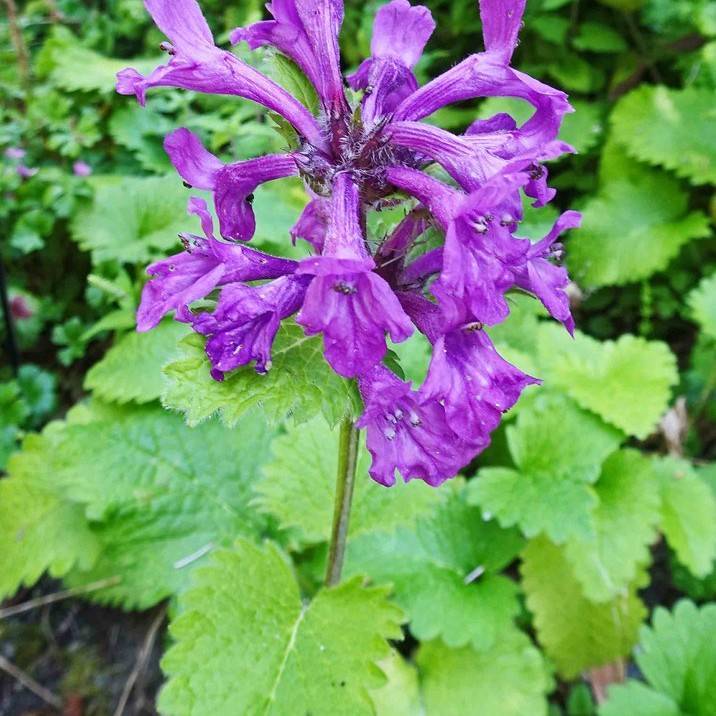
Big Betony
Stachys macrantha
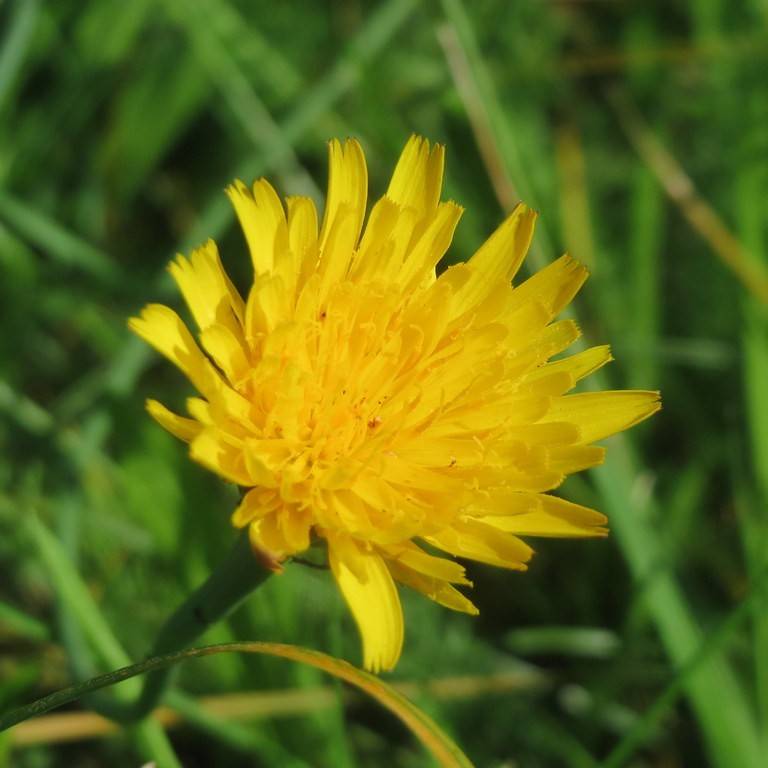
False Dandelion
Hypochaeris radicata
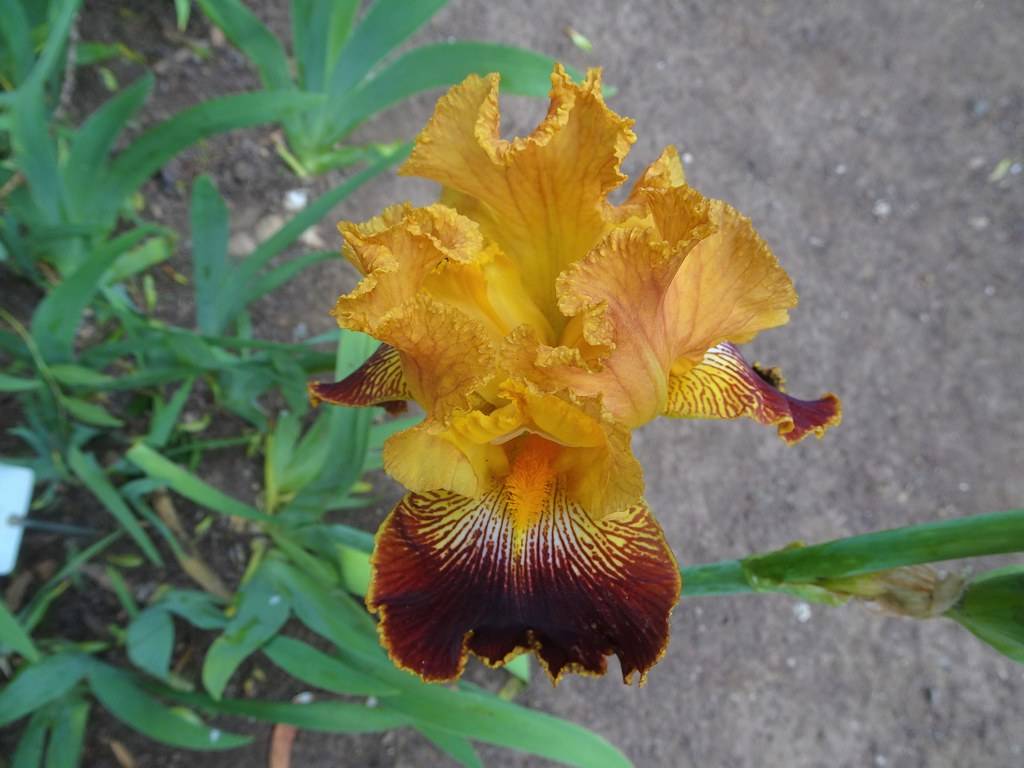
Bearded Iris
Iris germanica