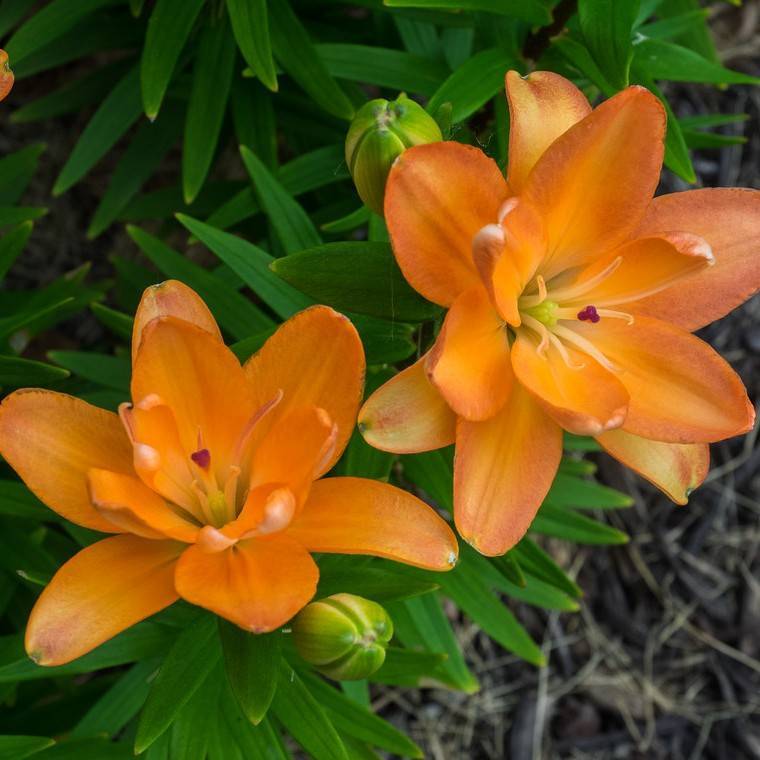
Dwarf Asiatic Lily
Lilium asiaticum 'Dwarf Hybrid'
Overview
Dwarf Asiatic lilies are compact, cold-hardy hybrid lilies bred for smaller stature and prolific, vibrant blooms that stand atop sturdy, short stems. They produce upward-facing, unscented or lightly scented flowers in shades of red, orange, yellow, pink, white, and bicolor patterns, with each bulb producing 4 to 12 blooms per season. These low-maintenance lilies are ideal for container growing, border edges, and small garden spaces, as they do not require staking like taller lily varieties.
Care Guide
Watering
Water dwarf Asiatic lilies regularly to keep the soil evenly moist but not waterlogged, especially during active growth and flowering periods. Reduce watering gradually once the foliage begins to yellow and die back in late summer, as dormant bulbs require drier conditions to prevent rot. Avoid overhead watering to minimize the risk of fungal leaf diseases, directing water at the base of the plant instead.
Light
Grow dwarf Asiatic lilies in full sun, meaning at least 6 hours of direct sunlight per day, to encourage strong, sturdy stems and maximum flower production. They can tolerate light partial shade, but too much shade will cause stems to stretch, become weak, and produce fewer blooms. In very hot climates, light afternoon shade can help prevent flower fading and heat stress.
Soil
Plant dwarf Asiatic lily bulbs in well-draining, loamy or sandy soil with a slightly acidic to neutral pH between 6.0 and 7.0. Heavy clay soils that retain water will cause bulb rot, so amend them with compost, peat moss, or perlite to improve drainage before planting. The bulbs prefer cool root zones, so mulching the soil surface with organic material helps keep roots shaded and retains moisture.
Fertilizer
Fertilize dwarf Asiatic lilies once in early spring as new shoots emerge, using a balanced, slow-release granular fertilizer with an NPK ratio of 10-10-10 to support vegetative growth and flower development. Apply a second light feeding of a phosphorus-rich fertilizer just as flower buds begin to form, to promote larger, more vibrant blooms. Avoid over-fertilizing, as this can lead to excessive foliage growth and weak stems.
Temperature
Dwarf Asiatic lilies are cold-hardy in USDA zones 3 to 9, tolerating winter temperatures as low as -40°F (-40°C) when bulbs are planted at the proper depth. They prefer daytime temperatures between 60°F and 75°F (15°C to 24°C) during the growing season, and can tolerate brief dips below freezing in spring if new growth is protected with a light frost cloth. In warm climates with hot summers, bulbs may benefit from being lifted and stored in a cool, dry place for 8 to 12 weeks of cold stratification before replanting in fall.
Pruning
Remove spent flower heads promptly after blooming to prevent the plant from expending energy on seed production, cutting just below the faded bloom and leaving all foliage intact. Do not cut back the green leaves until they have turned completely yellow and died back naturally in late summer or early fall, as the foliage photosynthesizes to store energy in the bulb for the next year’s growth. Remove any dead or damaged stems throughout the growing season to keep the plant tidy and reduce disease risk.
Propagation
Dwarf Asiatic lilies are most easily propagated by dividing bulb offsets that form around the base of the main bulb every 2 to 3 years, in late fall after foliage has died back or early spring before new growth emerges. Carefully dig up the entire clump, gently separate the small offset bulbs from the parent bulb, and replant them at the same depth as the original bulb, spacing them 6 to 8 inches apart. They can also be grown from seed, but hybrid cultivars will not come true from seed, and seedlings take 2 to 3 years to reach flowering size.
Humidity
Dwarf Asiatic lilies thrive in average ambient humidity levels between 30% and 50%, which is typical of most temperate garden environments. They do not require high humidity, and excessive moisture in the air combined with poor air circulation can increase the risk of fungal diseases such as botrytis blight. If grown indoors as a potted plant, avoid placing it near humidifiers or in overly steamy rooms like bathrooms, and ensure adequate airflow around the foliage.
Repotting
Potted dwarf Asiatic lilies should be repotted every 2 to 3 years in late fall when they are dormant, to refresh the soil and separate crowded bulb offsets. Choose a container with drainage holes that is at least 6 inches wider than the bulb cluster, and use a well-draining potting mix formulated for bulbs or perennials. Plant bulbs 4 to 6 inches deep, with the pointed end facing up, and water lightly after repotting to settle the soil, withholding additional water until new growth emerges in spring.
Uses & Symbolism
Dwarf Asiatic lilies are popular ornamental plants used in container displays, rock gardens, border edges, and small urban garden spaces where taller lily varieties would be too large. Their long-lasting, vibrant blooms make them excellent cut flowers for bouquets and floral arrangements, though they should be kept out of reach of cats in the home. They are also planted in pollinator gardens to attract bees and butterflies during their summer bloom period.
Diseases & Pests
Dwarf Asiatic lilies are susceptible to botrytis blight, a fungal disease that causes brown spots on leaves and flowers, especially in cool, wet conditions with poor air circulation. Bulb rot can occur if plants are grown in poorly draining soil or overwatered, leading to mushy, discolored bulbs and stunted or wilted growth. Common pests include aphids, which suck sap from new growth, and red lily beetles, whose larvae feed on foliage and can defoliate plants quickly if left untreated.
Related plants
Other plants you might like if you grow Dwarf Asiatic Lily.
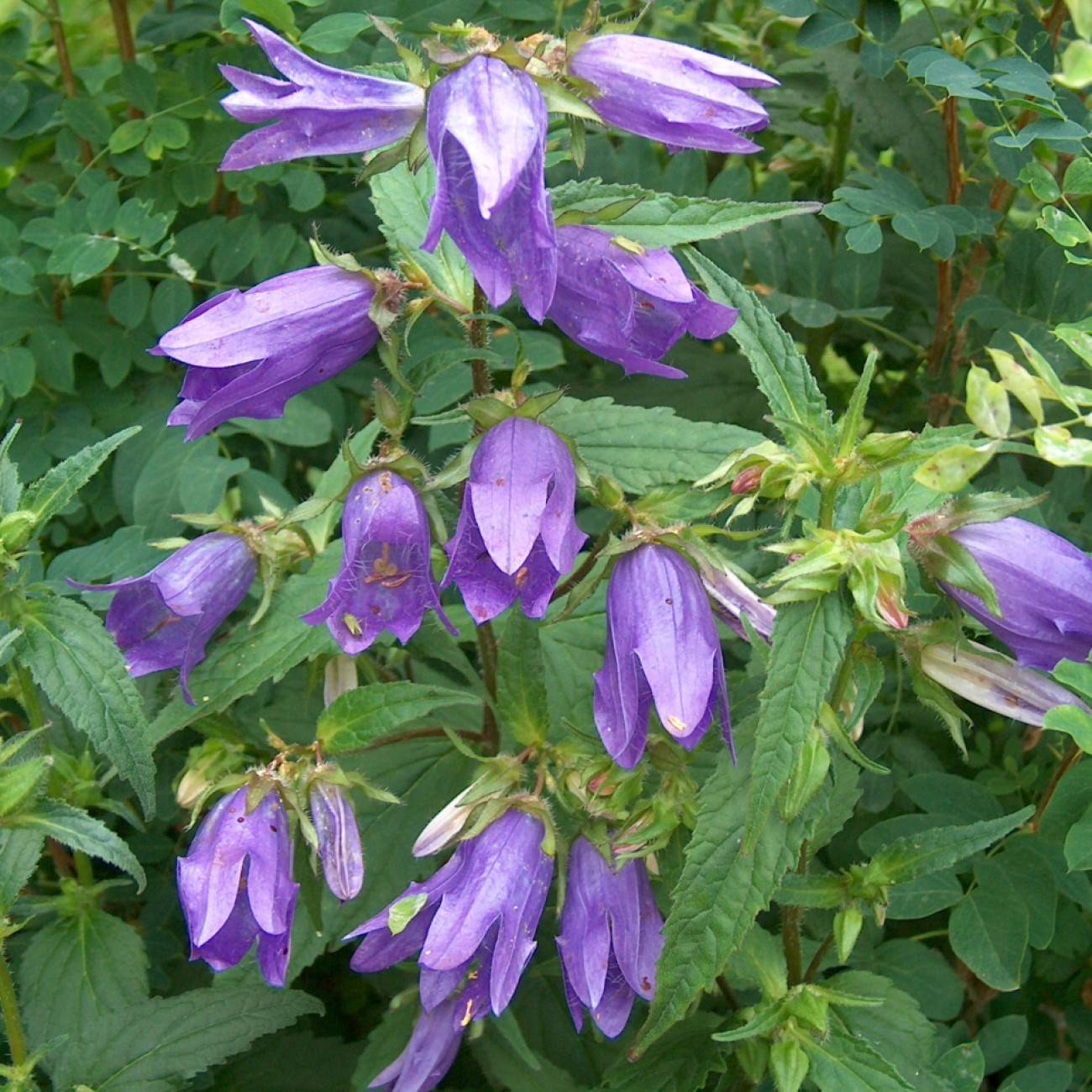
Giant Bellflower
Campanula latifolia 'Gantel E'
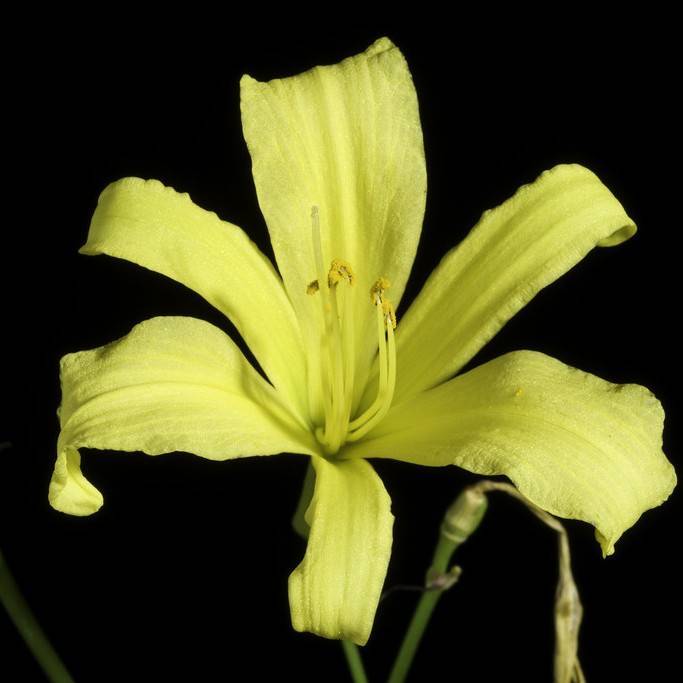
Citron Daylily
Hemerocallis citrina
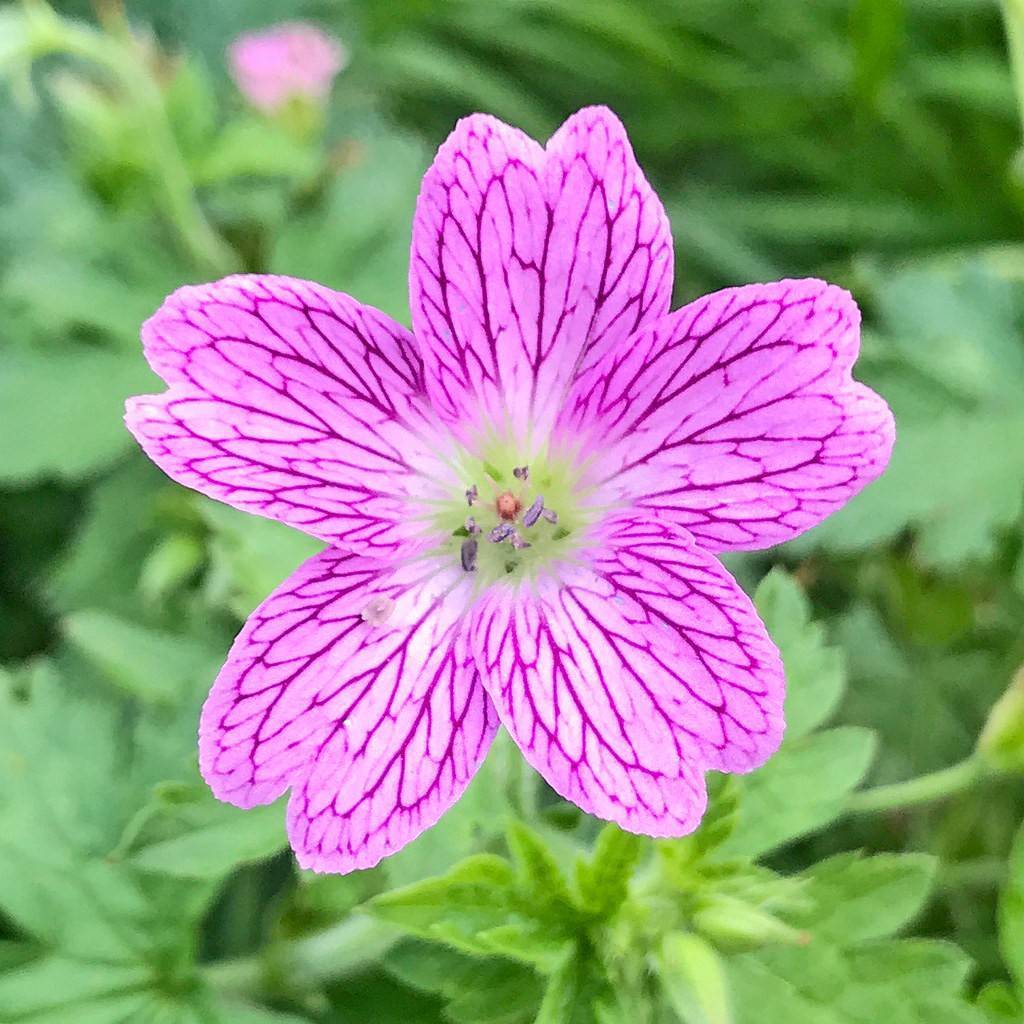
Endres's Cranesbill
Geranium endressii
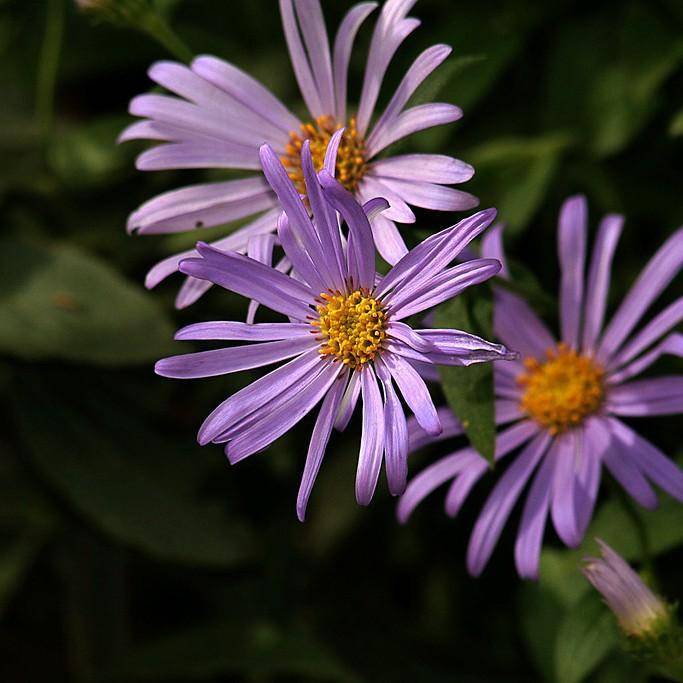
Frikart Aster
Aster × frikartii
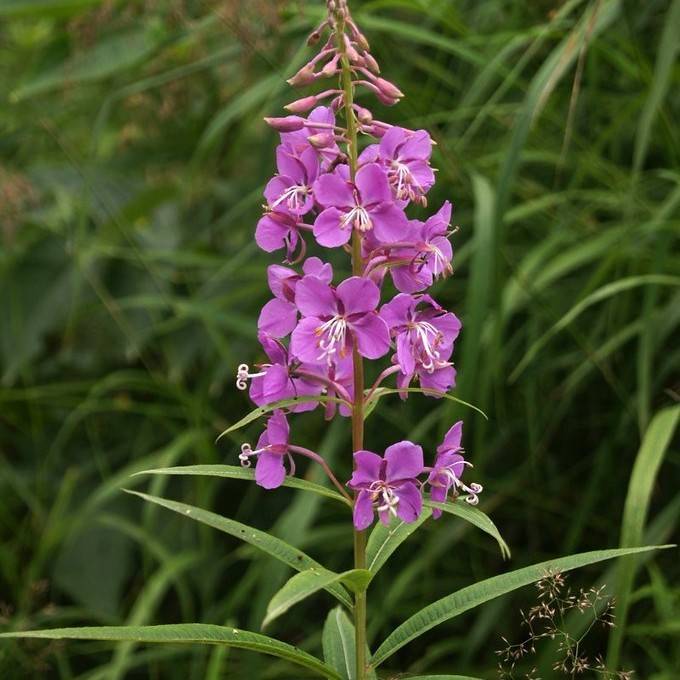
Hybrid Fireweed
Chamerion angustifolium 'Album' or interspecific Chamerion hybrids

Kalimeris
Kalimeris indica
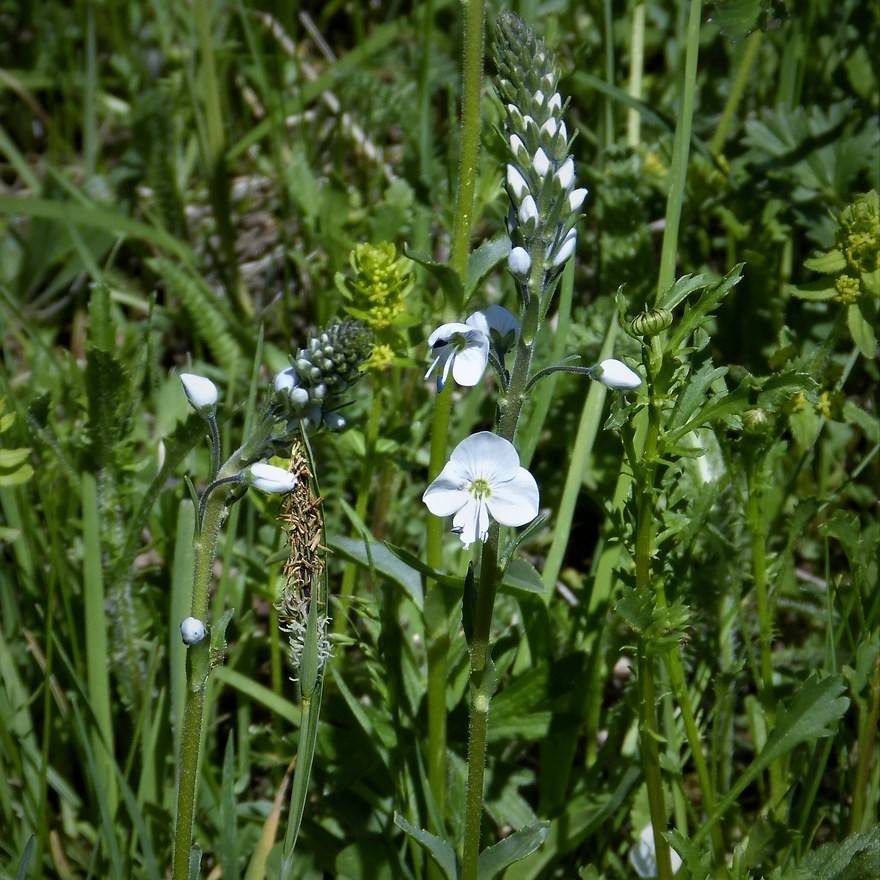
Gentian Speedwell
Veronica gentianoides
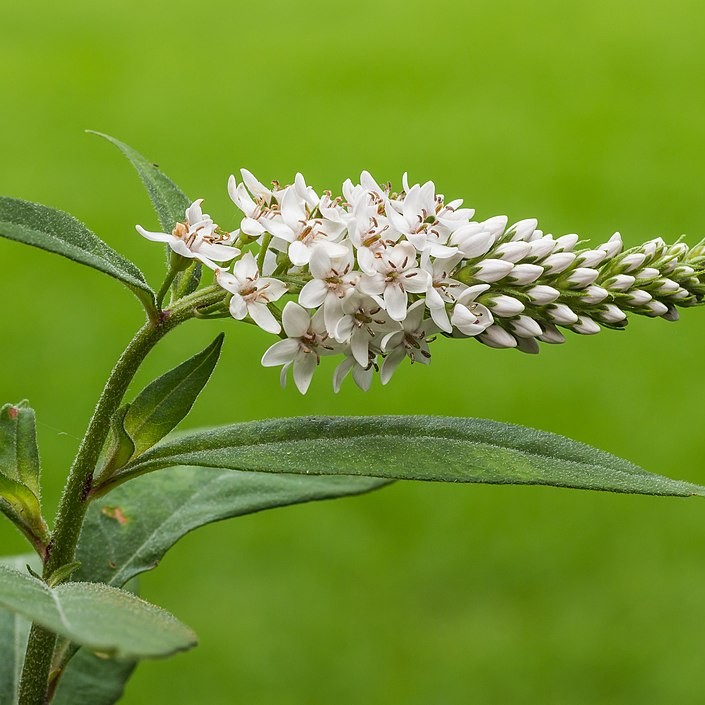
Gooseneck Loosestrife
Lysimachia clethroides