Bush Clover
Lespedeza thunbergii
Overview
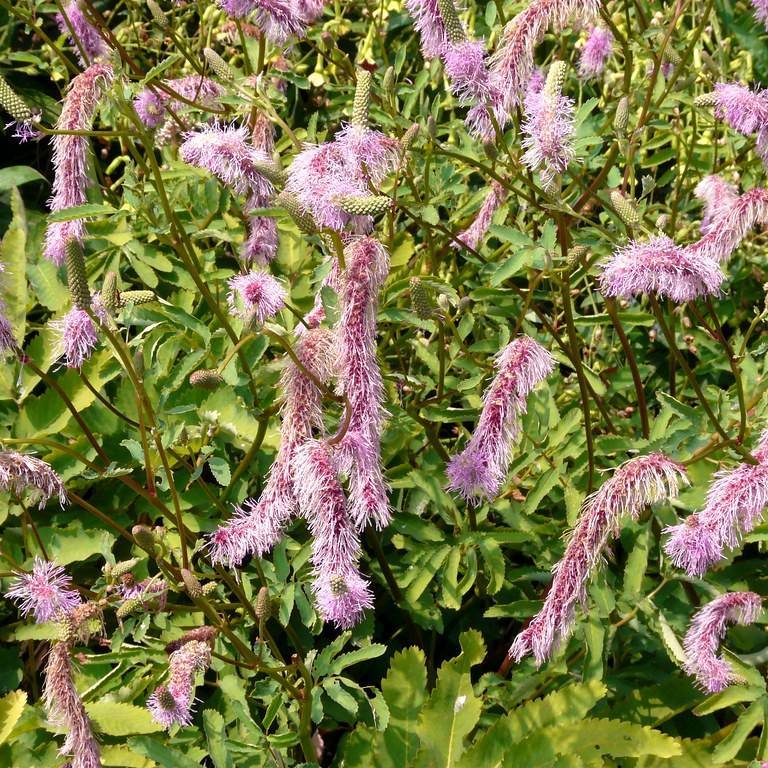
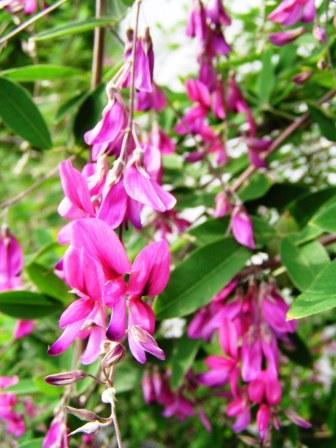
Bush clover, also called Thunberg’s lespedeza, is a warm-season deciduous shrub prized for its late-season floral display when many other garden plants have finished blooming. Its arching, fountain-like growth habit creates a soft, cascading form that works well in borders, slopes, or as a standalone specimen. A member of the legume family, it fixes atmospheric nitrogen in soil, improving fertility for surrounding plants.
Care Guide
Watering
Bush clover is drought tolerant once established, requiring regular watering only during its first growing season to develop a deep root system. Water deeply when the top 2-3 inches of soil feel dry, and avoid overwatering, which can lead to root rot in poorly drained sites. Mature plants only need supplemental watering during extended periods of extreme heat or drought.
Light
This shrub thrives in full sun, requiring at least 6 hours of direct sunlight daily to produce the most abundant blooms and maintain a dense, well-branched form. It can tolerate partial shade, but growth will become leggy and flowering will be significantly reduced. Avoid planting in heavily shaded locations, as this also increases susceptibility to fungal diseases.
Soil
Bush clover adapts to a wide range of soil types, including poor, sandy, or clay soils, as long as the site has good drainage. It prefers a neutral to slightly acidic soil pH between 6.0 and 7.0, but can tolerate slightly alkaline conditions as well. Its nitrogen-fixing root nodules allow it to thrive in low-fertility soils where many other shrubs struggle.
Fertilizer
Fertilization is rarely necessary for bush clover, as it produces its own nitrogen and can thrive in poor soils. If growth is exceptionally stunted, apply a balanced, slow-release fertilizer in early spring before new growth emerges. Avoid high-nitrogen fertilizers, which will promote excessive leaf growth at the expense of flowering.
Temperature
Bush clover is hardy in USDA zones 4 through 9, tolerating winter temperatures as low as -30°F (-34°C). In colder zones, the above-ground growth may die back to the ground in winter, but the root system will resprout vigorously in spring. It tolerates high summer temperatures and humidity well, as long as soil drainage is adequate.
Pruning
Prune bush clover in late winter or early spring before new growth begins, as flowers form on new wood. You can cut the entire shrub back to 6-12 inches above the ground to encourage dense, upright growth and maximize blooming. Remove any dead, damaged, or crossing branches at this time to improve air circulation through the plant’s canopy.
Propagation
Bush clover can be propagated easily from softwood cuttings taken in early summer, or from hardwood cuttings collected in late winter after dormancy sets in. Seeds can also be sown in fall or spring, but require scarification (scratching the seed coat) and stratification (cold treatment) to germinate reliably. Root division of established plants can be done in early spring before new growth emerges.
Humidity
Bush clover adapts well to average humidity levels in its hardiness range, tolerating both dry continental air and humid subtropical conditions. Good air circulation around the plant helps prevent fungal leaf spots in areas with high summer humidity. Avoid overhead watering, which can leave moisture on foliage and increase disease risk in humid climates.
Repotting
Bush clover is primarily grown in outdoor garden beds, but can be cultivated in large containers for patio displays. Container-grown plants should be repotted every 2-3 years in early spring, moving to a pot one size larger with fresh, well-drained potting mix. Root-bound plants will have reduced growth and flowering, so check root health annually if growing in containers.
Uses & Symbolism
Bush clover is widely used in ornamental landscaping for its late-season blooms and graceful cascading form, ideal for erosion control on slopes, mixed shrub borders, or wildlife gardens. Its flowers are a rich nectar source for bees, butterflies, and hummingbirds, while its seeds provide food for songbirds in fall and winter. In its native range, some Lespedeza species are used as forage for livestock and in traditional herbal medicine for anti-inflammatory properties.
Diseases & Pests
Bush clover is relatively pest and disease resistant, but can develop fungal leaf spots, powdery mildew, or root rot in poorly drained soils or overly shaded, humid conditions. Spider mites and aphids may occasionally infest new growth, but can be controlled with insecticidal soap or neem oil applications. Proper spacing, full sun exposure, and avoiding overhead watering prevent most common disease issues.
Related plants
Other plants you might like if you grow Bush Clover.