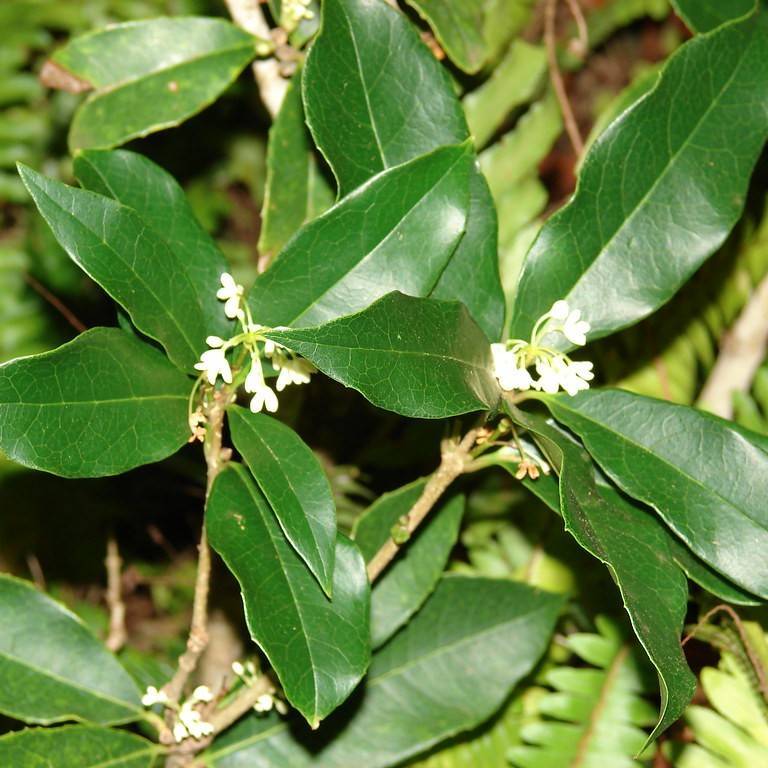
Fragrant Olive
Osmanthus fragrans
Overview
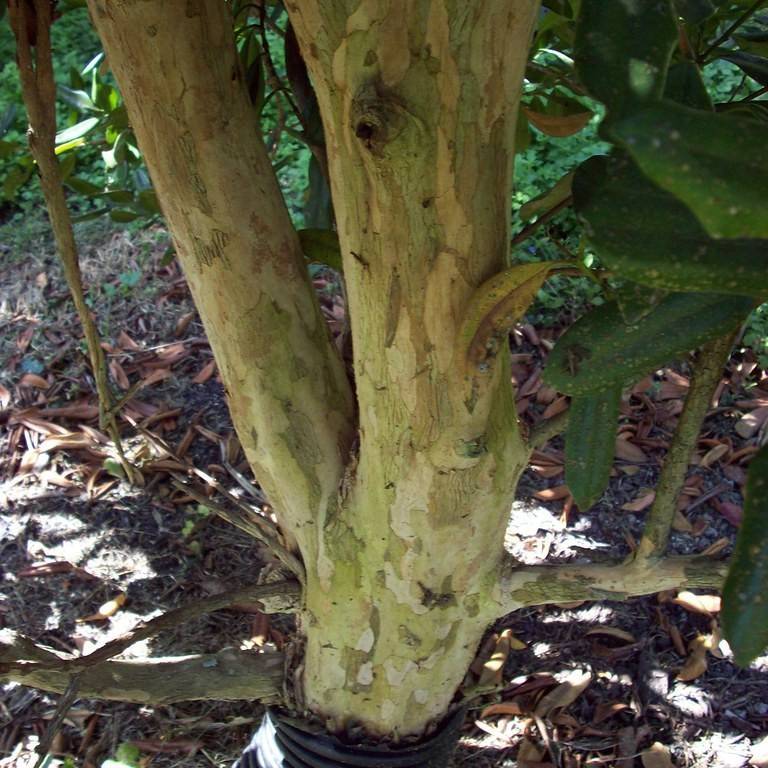
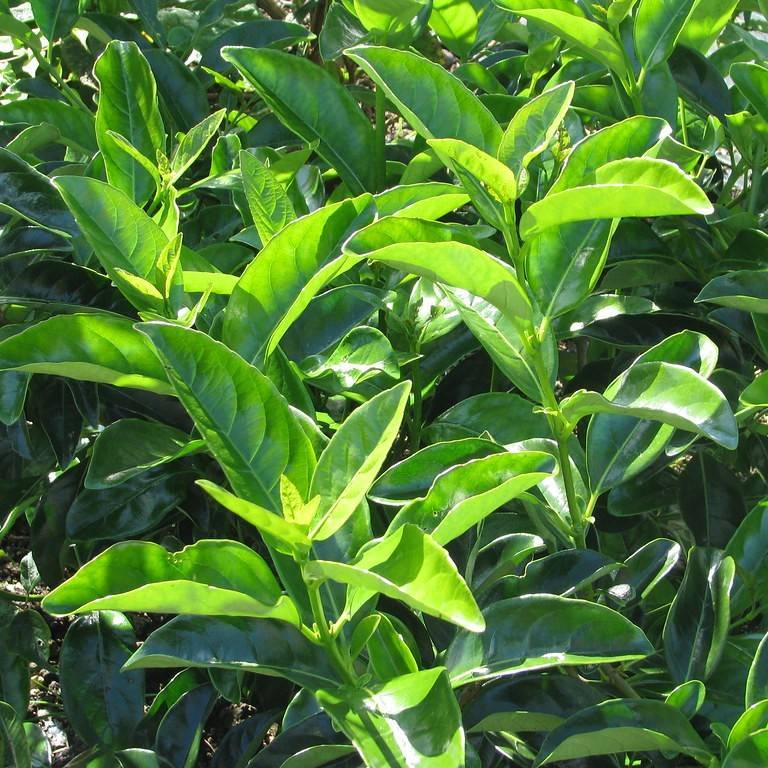
Fragrant olive, also called sweet osmanthus, is a slow-growing evergreen valued globally for its iconic, highly fragrant blooms and lush, glossy foliage. It has been cultivated in East Asia for over 2,000 years, where it is culturally significant as a symbol of autumn, prosperity, and romance. While often grown as a landscape specimen in warm climates, it also thrives as a large container plant or trained bonsai in cooler regions.
Care Guide
Watering
Water fragrant olive regularly during its first growing season to establish a deep, extensive root system, keeping the soil consistently moist but not waterlogged. Once established, it is moderately drought tolerant, requiring supplemental water only during extended periods of dry, hot weather. Reduce watering frequency in winter when growth slows, allowing the top 2 to 3 inches of soil to dry out between sessions.
Light
Fragrant olive performs best in full sun to partial shade, with at least 4 to 6 hours of direct sunlight daily to support abundant flowering. In regions with extremely hot, intense summer sun, provide light afternoon shade to prevent leaf scorch and reduce moisture stress. When grown indoors, place it near a south-facing window that receives bright, indirect light for most of the day.
Soil
This species prefers fertile, well-drained, loamy or sandy soil with a slightly acidic to neutral pH between 5.5 and 7.5. It will not tolerate heavy, waterlogged clay soils, which can quickly lead to root rot and decline. For container-grown plants, use a high-quality, well-aerated potting mix amended with perlite or pine bark to improve drainage.
Fertilizer
Fertilize fragrant olive in early spring just before new growth emerges, using a balanced, slow-release fertilizer formulated for woody ornamental plants. A second light application can be made in early summer to support healthy foliage and bud development for autumn blooms. Avoid fertilizing after mid-summer, as this can stimulate tender new growth that is vulnerable to cold damage in fall and winter.
Temperature
Fragrant olive thrives in temperate climates with average temperatures between 60–80°F (15–27°C) during the growing season. It is hardy to USDA zones 7 to 10, tolerating brief dips down to 10°F (-12°C) once mature, though young plants require winter protection from frost. In regions with cold winters below its hardiness range, grow it in a container and move it indoors to a cool, bright location during the coldest months.
Pruning
Prune fragrant olive lightly in late winter or early spring before new growth starts, removing any dead, damaged, or crossing branches to improve air circulation and maintain a desired shape. It tolerates heavy pruning if needed to reduce size, but avoid cutting back into old, woody growth that lacks leaves, as it may not resprout reliably. Spent blooms do not require deadheading, as they drop naturally and do not detract from the plant’s appearance.
Propagation
Fragrant olive is most commonly propagated from semi-hardwood cuttings taken in late summer or early fall, using rooting hormone to encourage root development and keeping cuttings in a warm, humid environment until established. It can also be grown from fresh seed, but seeds require a 3 to 6 month cold stratification period and may take 2 to 3 years to produce blooms. Grafting onto hardy Osmanthus rootstock is often used for named cultivars to ensure consistent flower fragrance and growth traits.
Humidity
This species prefers moderate humidity levels between 40% and 60%, which supports healthy foliage and prevents leaf tip browning. In dry indoor environments or during periods of low outdoor humidity, mist the foliage regularly or place the potted plant on a tray filled with pebbles and water to raise ambient moisture around it. Avoid placing it near heating or cooling vents that produce dry, drafty air, which can stress the plant.
Repotting
Container-grown fragrant olive should be repotted every 2 to 3 years in early spring, just before new growth begins, to refresh the soil and provide room for root expansion. Choose a pot that is 2 to 3 inches larger in diameter than the current container, with ample drainage holes to prevent waterlogging. For older, larger specimens that are difficult to repot, top-dress annually by removing the top 2 to 3 inches of soil and replacing it with fresh, nutrient-rich potting mix.
Uses & Symbolism
Fragrant olive is widely planted as an ornamental landscape specimen, hedge, or screen in warm climates, where its autumn blooms fill entire yards with a rich, sweet scent. Its flowers are used in East Asian cuisines to flavor teas, jellies, pastries, and alcoholic beverages including osmanthus wine, and are also dried for use in potpourri and perfumes. In traditional Chinese medicine, the flowers are brewed into teas to treat coughs, sore throats, and skin inflammation, and extracts are used in cosmetic products for their antioxidant properties.
Diseases & Pests
Fragrant olive is relatively pest and disease resistant, but can be susceptible to scale insects, aphids, and spider mites, which suck sap from foliage and can cause yellowing or stunted growth if populations are left unmanaged. Root rot is the most common fungal issue, occurring when plants are grown in poorly drained soil or overwatered, leading to wilting, leaf drop, and eventual death if not corrected. Leaf spot diseases may develop in overly humid, poorly ventilated conditions, though these are rarely fatal and can be managed by removing affected foliage and improving air flow around the plant.
Related plants
Other plants you might like if you grow Fragrant Olive.