Fragrant Sweet Box
Sarcococca ruscifolia
Overview
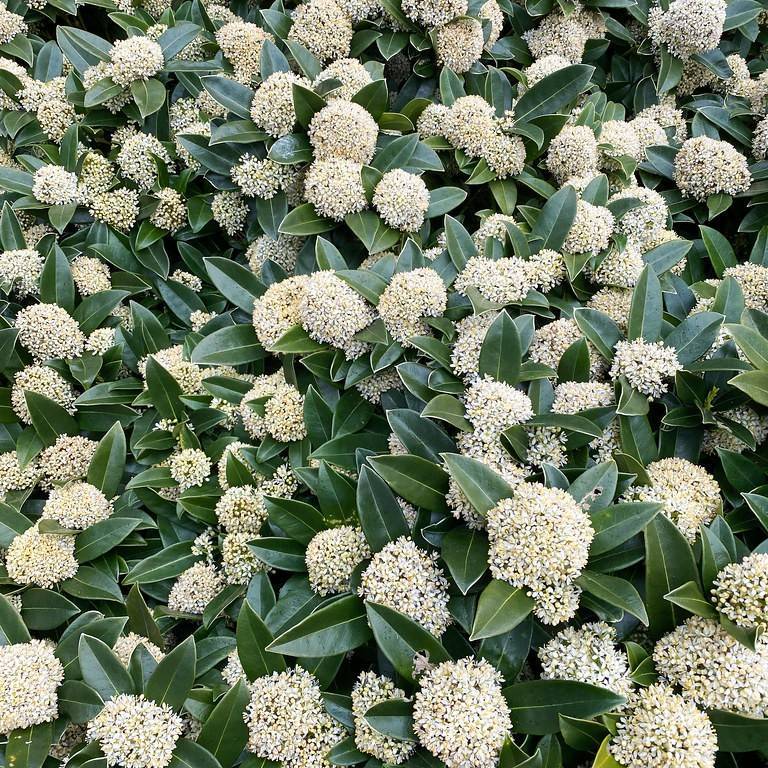
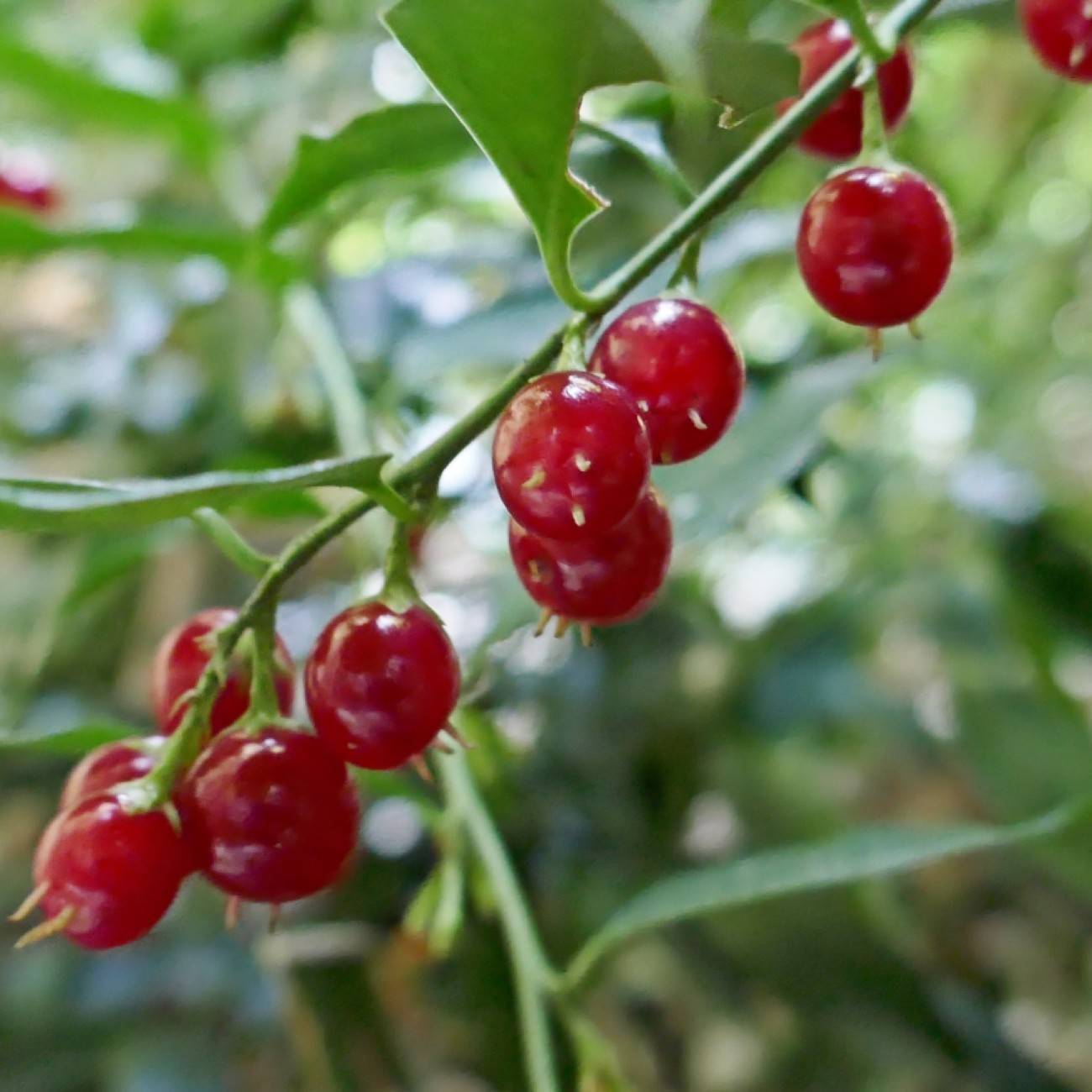
Fragrant Sweet Box is a dense, rounded evergreen shrub valued for its year-round foliage and uncommonly sweet winter fragrance. In late winter to early spring, small, creamy white tassel-like flowers bloom along the undersides of stems, releasing a rich, vanilla-like scent that carries through cool air. Female plants produce small, glossy, non-edible dark red to black berries in late summer that persist into winter, adding subtle seasonal interest. It is naturally adapted to forest understories, making it a top choice for low-light garden spots where few other flowering shrubs thrive.
Care Guide
Watering
Water regularly during the first growing season to establish a deep, extensive root system, keeping soil consistently moist but not waterlogged. Once established, it is moderately drought tolerant, requiring supplemental water only during extended periods of heat or dryness. Avoid overwatering, especially in heavy clay soils, as this can lead to root rot.
Light
Thrives in partial to full shade, making it ideal for planting under tree canopies or on the north side of buildings. It can tolerate brief periods of dappled morning sun, but prolonged direct sunlight, especially in hot climates, will scorch its foliage and cause leaf drop. Too little light may reduce flowering intensity, so filtered shade is optimal for best bloom production.
Soil
Prefers moist, humus-rich, well-drained soil with a slightly acidic to neutral pH between 5.5 and 7.0. It can adapt to a range of soil types, including clay, loam, and sandy soils, as long as drainage is adequate. Amending planting sites with compost or leaf mold will improve soil structure and nutrient content, supporting healthier growth.
Fertilizer
Feed in early spring just before new growth emerges with a balanced, slow-release shrub fertilizer formulated for acid-loving plants. A second light application of organic compost or well-rotted manure in late fall will help maintain soil fertility over winter. Avoid overfertilizing, as this can lead to excessive, leggy growth that reduces the plant’s natural dense form.
Temperature
Hardy in USDA zones 7 to 9, tolerating winter temperatures as low as 0°F (-18°C) once established. It prefers cool, mild climates and will suffer in prolonged temperatures above 90°F (32°C) without adequate shade and moisture. A layer of mulch around the base in winter will help insulate roots and protect them from extreme cold snaps.
Pruning
Requires very little pruning to maintain its natural rounded shape, but can be trimmed lightly after flowering to remove any dead, damaged, or crossing branches. If a more compact form is desired, shear back up to one-third of the plant’s growth immediately after blooming, before new buds set for the following year. Avoid heavy pruning in late summer or fall, as this can remove developing flower buds and reduce winter fragrance.
Propagation
Most commonly propagated from semi-hardwood cuttings taken in late summer or early fall, which root reliably when placed in moist, sterile potting mix under indirect light. Seeds can be sown in fall as soon as they ripen, but they require a 3-month cold stratification period and can take up to 18 months to germinate. Suckers that form around the base of mature plants can also be dug up and transplanted in early spring for easy vegetative propagation.
Humidity
Adaptable to a wide range of humidity levels, thriving in the moderate humidity typical of its native forest understory habitats. It tolerates average indoor humidity levels when grown as a houseplant, but will benefit from occasional misting in very dry indoor environments. High humidity does not cause issues as long as the plant has good air circulation around its foliage.
Repotting
If grown as a container plant, repot every 2 to 3 years in early spring before new growth begins, moving up one pot size each time to accommodate gradual root growth. Use a well-drained, acidic potting mix formulated for evergreen shrubs, and ensure the container has ample drainage holes to prevent standing water. Mature container plants can be root-pruned and repotted into the same pot every 3 to 4 years to limit size if desired.
Uses & Symbolism
Widely planted as a low hedge, border shrub, or groundcover in shaded garden areas, where its winter fragrance can be enjoyed near paths, entryways, or patios. It is also grown as a low-maintenance houseplant in cool, bright indoor spaces, bringing its signature sweet scent to enclosed areas during the winter months. Its dense foliage provides year-round cover for small birds and beneficial insects in garden ecosystems.
Diseases & Pests
Generally very pest and disease resistant, with no major common issues, though overwatered plants may develop root rot or fungal leaf spots. Scale insects and spider mites can occasionally infest stressed plants, especially when grown indoors in low-humidity environments, and can be controlled with horticultural oil or insecticidal soap. In excessively sunny locations, foliage may develop sun scorch, which presents as brown, crispy leaf edges and can be prevented by moving the plant to a shadier spot.
Related plants
Other plants you might like if you grow Fragrant Sweet Box.