Fragrant Snowbell
Styrax obassia
Overview
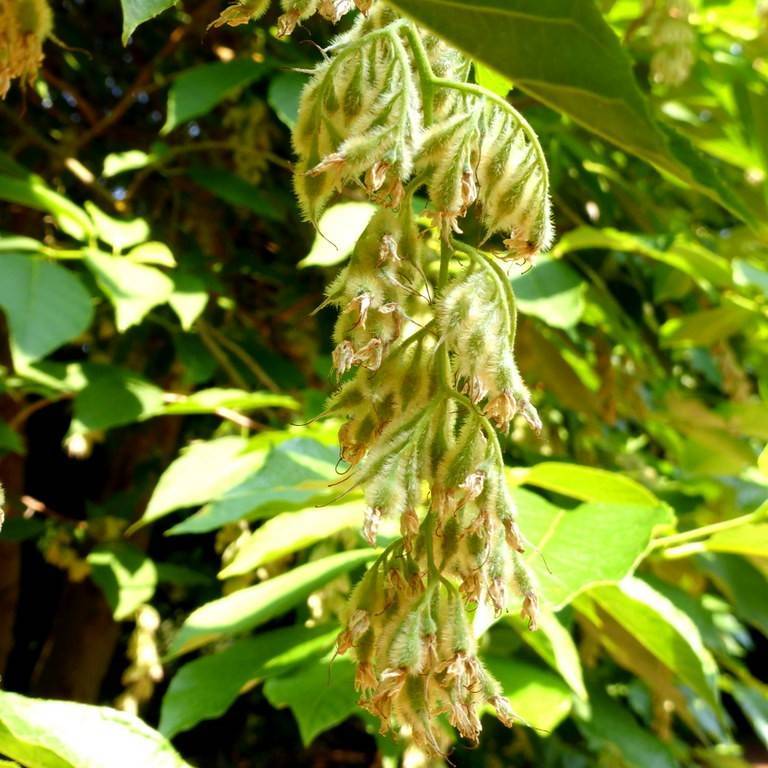
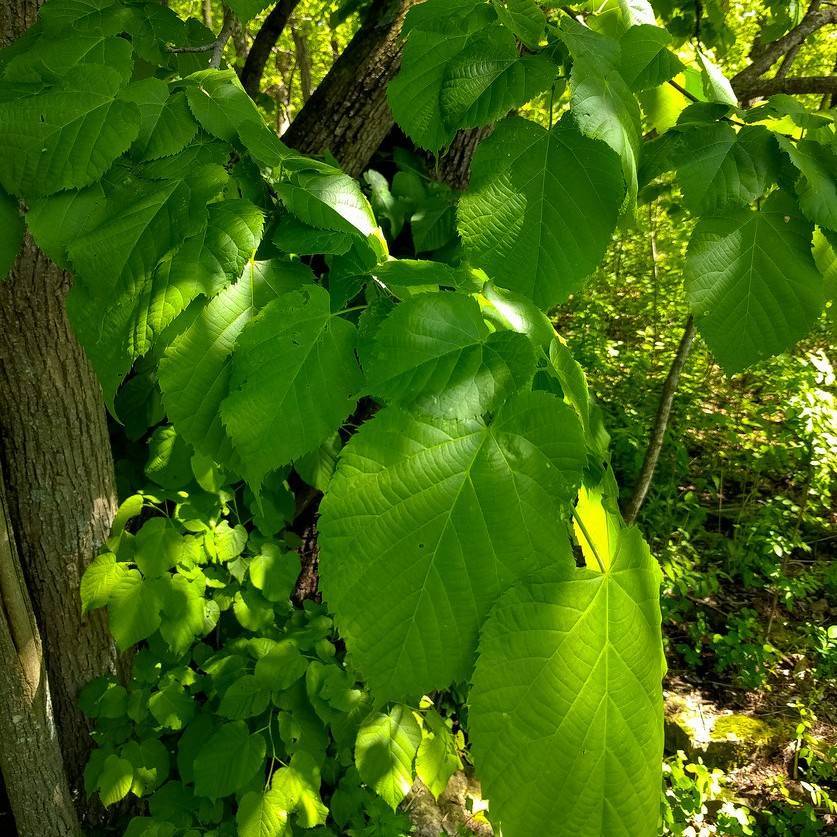
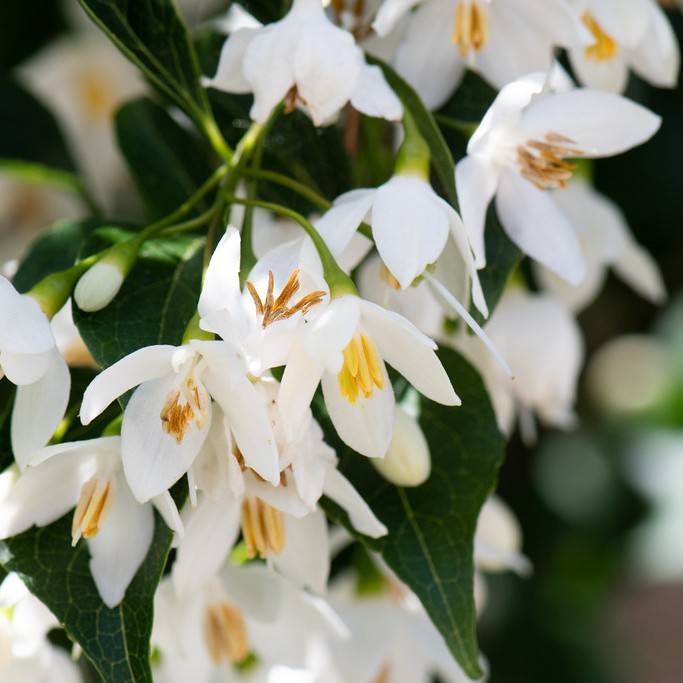
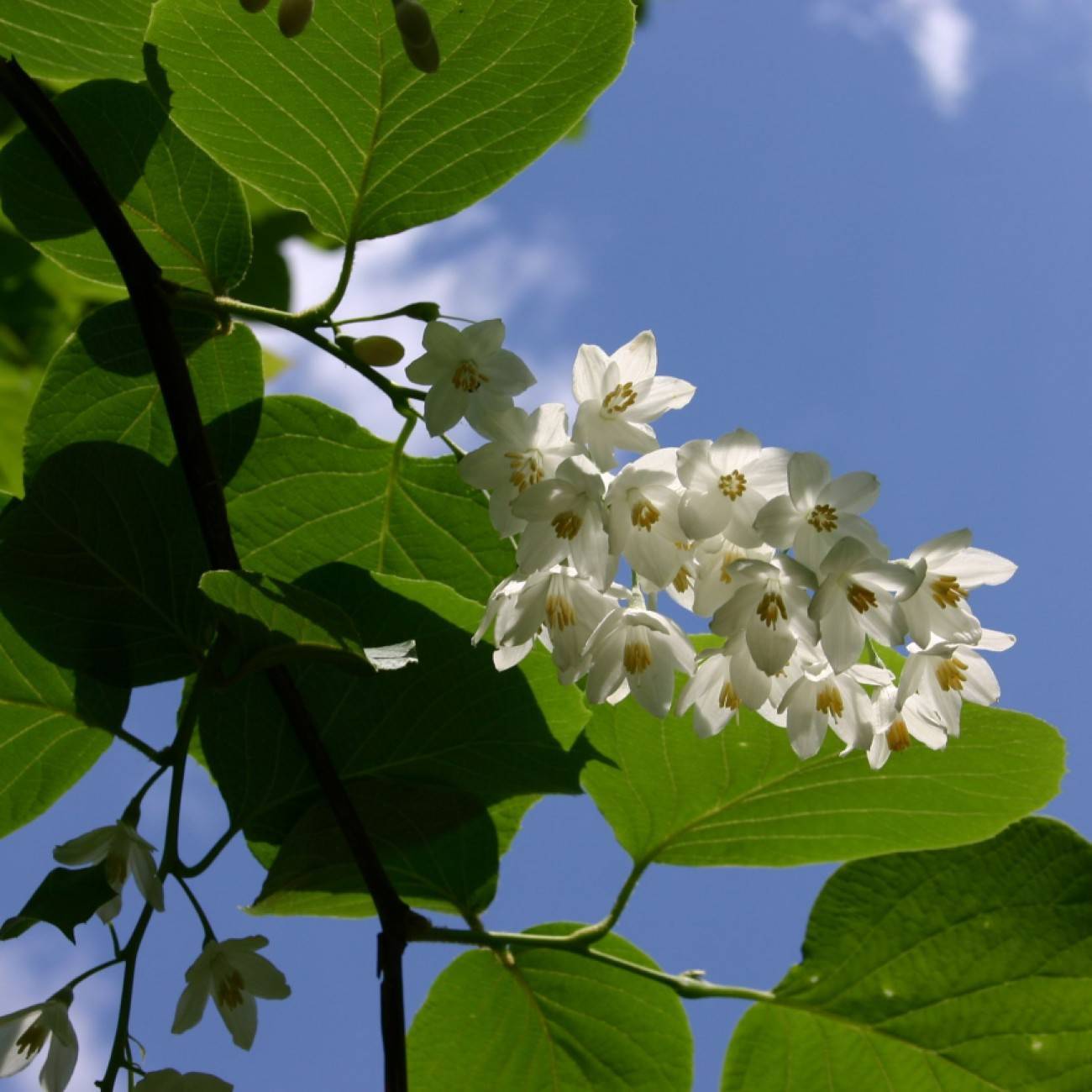
Fragrant Snowbell is a deciduous woody plant that grows as a small, rounded tree or large multi-stemmed shrub, featuring large, fuzzy, heart-shaped green leaves that turn pale yellow in autumn. In late spring, it produces abundant pendulous clusters of 5 to 10 waxy, bell-shaped white flowers with prominent yellow stamens, emitting a sweet, heady fragrance that attracts pollinators including bees and butterflies. It is often planted as an ornamental specimen in temperate gardens, valued for its moderate size and low maintenance requirements once established.
Care Guide
Watering
Water newly planted Fragrant Snowbell regularly to keep the soil consistently moist but not waterlogged for the first two years, until the root system is fully established. Mature plants are moderately drought tolerant, requiring supplemental watering only during extended periods of dry, hot weather, to prevent leaf scorch. Avoid overwatering, especially in heavy clay soils, as this can lead to root rot.
Light
Fragrant Snowbell thrives in full sun to partial shade, with the best flowering performance occurring in locations that receive at least 6 hours of direct sunlight daily. In regions with very hot, intense summer sun, it benefits from light afternoon shade to protect its large leaves from scorching. Too much deep shade will reduce flower production and lead to a sparse, leggy growth habit.
Soil
This plant prefers well-drained, loamy, slightly acidic to neutral soil with a pH between 5.5 and 7.0, though it can adapt to mildly alkaline soils if amended with organic matter. It does not tolerate poorly drained, waterlogged soils, so amending heavy clay with compost or coarse sand prior to planting will improve drainage and support healthy root growth. Adding a 2-3 inch layer of organic mulch around the base of the tree will help retain soil moisture, regulate temperature, and gradually improve soil structure over time.
Fertilizer
Feed Fragrant Snowbell once per year in early spring, before new growth emerges, with a balanced, slow-release granular fertilizer formulated for woody ornamental plants. Avoid overfertilizing, especially with high-nitrogen formulas, as this can encourage excessive leaf growth at the expense of flower production. Established plants that are growing in nutrient-rich soil may only require a topdressing of compost every 2 to 3 years instead of commercial fertilizer.
Temperature
Fragrant Snowbell is hardy in USDA zones 5 through 8, tolerating winter temperatures as low as -20°F (-29°C) once fully established. Young saplings may require winter protection, such as a burlap wrap, in the coldest parts of its range to prevent damage from harsh winds and extreme frost. It does not perform well in consistently hot, humid climates above zone 8, where high temperatures can cause leaf stress and reduce flowering.
Pruning
Prune Fragrant Snowbell in late winter or early spring, before new growth begins, to remove any dead, damaged, or crossing branches, and to maintain its desired shape or size. Avoid heavy pruning, as this can reduce flower production for one to two seasons, since blooms form on the previous year’s wood. Suckers that grow from the base of multi-stemmed specimens can be removed as they appear if you prefer to train the plant into a single-trunked tree form.
Propagation
Fragrant Snowbell is most commonly propagated from seed, which requires cold stratification for 3 to 4 months to break dormancy, followed by sowing in well-drained potting mix in spring. It can also be propagated from softwood cuttings taken in early summer, treated with rooting hormone, and placed in a humid, shaded environment until roots develop, typically within 6 to 8 weeks. Grafting onto hardy Styrax rootstock is sometimes used for named cultivars to ensure consistent flowering and growth traits.
Humidity
This plant prefers moderate humidity levels between 40% and 60%, which is typical of its native temperate forest habitats. It tolerates average household and garden humidity levels well, and does not require extra humidity in most temperate growing regions. In very dry climates, occasional misting of young plants can help prevent leaf edge browning, though mature specimens are highly tolerant of low humidity.
Repotting
Fragrant Snowbell is rarely grown in containers long-term, as it develops a deep, extensive root system that requires ample space to grow. If grown temporarily in a pot for the first 1 to 2 years before planting out, repot annually in early spring into a container that is 2 to 3 inches larger than the current one, using a well-drained, acidic potting mix. Once the plant reaches 4 to 5 feet tall, it should be transplanted into a permanent outdoor location for best growth and flowering.
Uses & Symbolism
Fragrant Snowbell is primarily planted as an ornamental specimen tree in residential gardens, parks, and public landscapes, valued for its showy, fragrant spring flowers, attractive foliage, and manageable mature size. Its sweetly scented blooms are sometimes used in cut flower arrangements, though the delicate flowers wilt quickly after being cut. In its native range, its hard, fine-grained wood is occasionally used for small woodworking projects, and extracts from its bark and leaves have been used in traditional herbal medicine.
Diseases & Pests
Fragrant Snowbell is relatively pest and disease resistant, with the most common issues being leaf spot, powdery mildew, and root rot, which occur primarily in poorly drained soils or overly humid, shaded conditions. Aphids, scale insects, and Japanese beetles may occasionally feed on its foliage, though infestations are rarely severe and can be controlled with horticultural oil or insecticidal soap if necessary. Leaf scorch may occur during extended periods of drought or intense, unfiltered afternoon sun, which can be prevented with regular watering and light shading in hot climates.
Related plants
Other plants you might like if you grow Fragrant Snowbell.