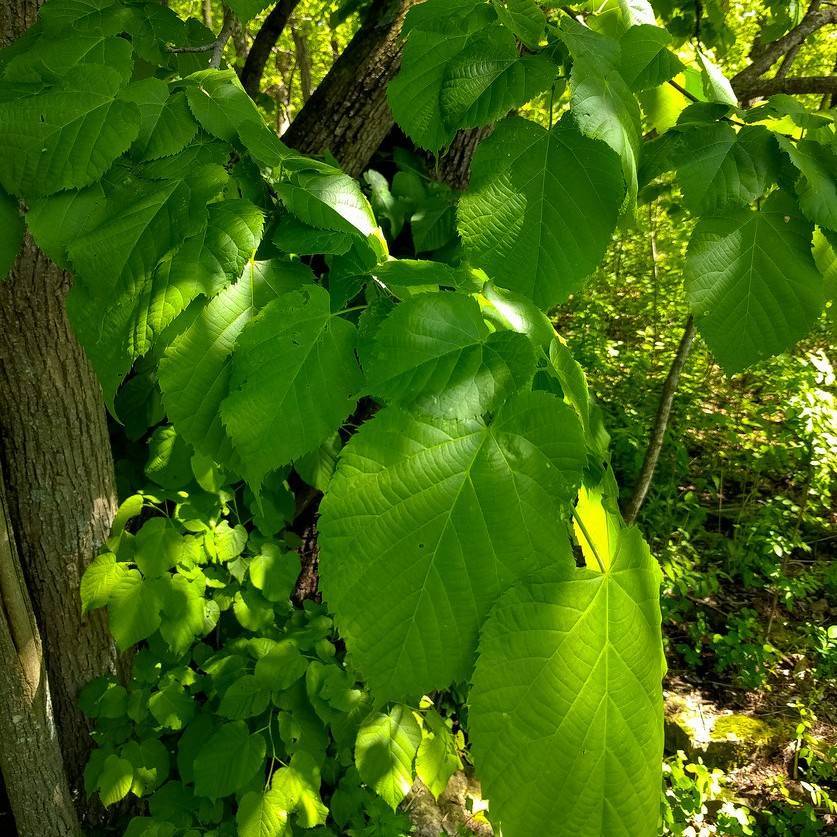
American Linden
Tilia americana
Overview
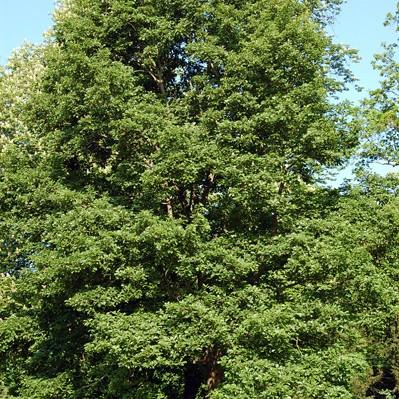
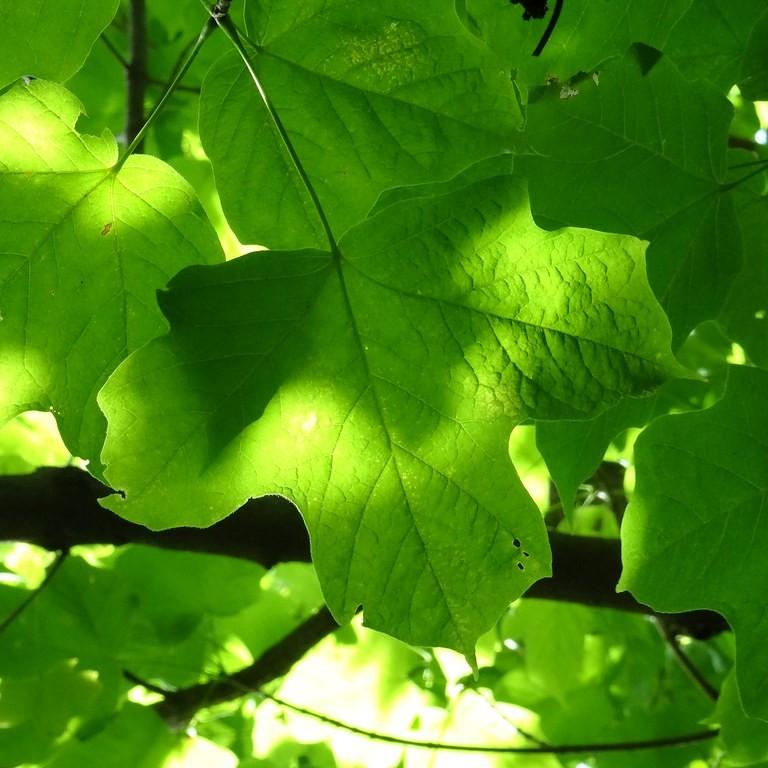
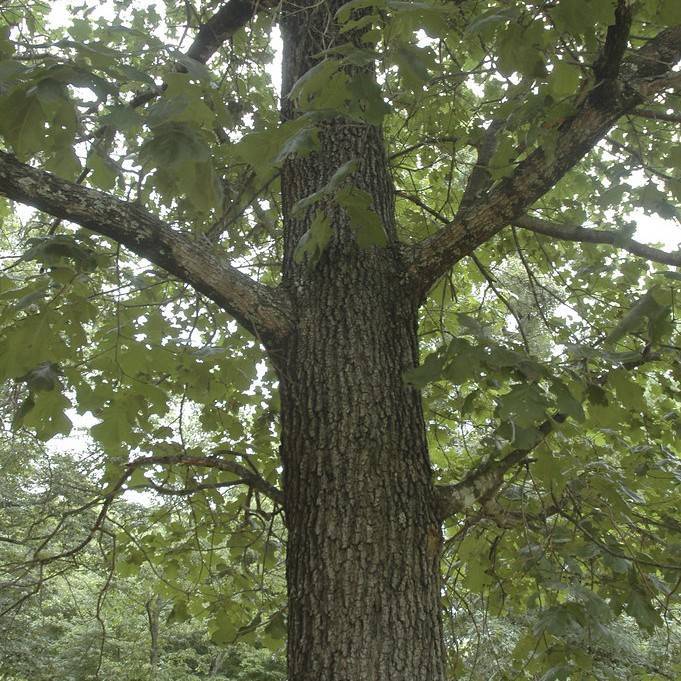
American Linden, also called basswood, is a stately deciduous tree known for its broad, rounded crown and heart-shaped, dark green leaves that turn pale yellow in fall. In early to mid-summer, it produces clusters of small, creamy yellow, highly fragrant flowers that attract pollinators including bees, which make a highly sought-after honey from its nectar. It is a long-lived tree, often surviving for 150 to 200 years in undisturbed sites, and is a staple of eastern North American hardwood forests.
Care Guide
Watering
American Linden prefers consistently moist, well-drained soil, and requires regular watering during its first 2 to 3 years of establishment to develop a deep root system. Once mature, it is moderately drought tolerant, though extended dry periods may cause leaf scorch, so supplemental watering is recommended during prolonged heatwaves. Avoid overwatering or allowing the root zone to sit in standing water, as this can lead to root rot.
Light
This tree thrives in full sun, which encourages the most vigorous growth and abundant flowering, but it can also tolerate partial shade, especially in warmer southern parts of its range. Young saplings may benefit from light afternoon shade in very hot climates to prevent leaf burn, but mature specimens handle full sun exposure well. Avoid planting it in dense, full shade, as this will lead to sparse foliage and reduced flower production.
Soil
American Linden adapts to a wide range of soil types, including loam, sand, and clay, as long as the soil is well-drained. It prefers slightly acidic to neutral pH levels between 5.5 and 7.5, but can tolerate mildly alkaline soils as well. Amending heavy clay soils with organic matter at planting time will improve drainage and support healthier root development.
Fertilizer
Young American Linden trees benefit from a balanced, slow-release 10-10-10 fertilizer applied in early spring before new growth emerges, to support canopy and root development. Mature specimens rarely require regular fertilization, but a light application of nitrogen-rich fertilizer can be applied every 2 to 3 years if growth is stunted or foliage appears pale. Avoid fertilizing late in the growing season, as this can stimulate tender new growth that is vulnerable to frost damage.
Temperature
American Linden is hardy in USDA zones 3 through 8, tolerating winter temperatures as low as -40°F (-40°C) and summer highs up to 95°F (35°C). It is well-adapted to the temperature fluctuations of its native eastern North American range, though young trees may require winter wrapping in the coldest parts of zone 3 to prevent frost crack on the trunk. Extended periods of temperatures above 100°F (38°C) may cause leaf scorch without adequate moisture.
Pruning
Prune American Linden during the dormant winter season to remove dead, damaged, or crossing branches, and to maintain a strong, central leader structure for young trees. Avoid heavy pruning, as the tree is slow to heal large cuts, which can make it vulnerable to pest and disease entry. Remove any suckers that grow from the base of the trunk regularly to direct energy to the main canopy.
Propagation
American Linden is most commonly propagated from seed, which requires 2 to 3 months of cold stratification to break dormancy before sowing in spring. Softwood cuttings taken in early summer can also root successfully if treated with rooting hormone and kept in a humid, warm environment until roots develop. Grafting is sometimes used to preserve specific cultivars, but seed propagation is the most common method for landscape specimens.
Humidity
This tree prefers moderate humidity levels between 40% and 70%, which are typical of its native eastern North American range. It can tolerate lower humidity for short periods, but extended very dry air may contribute to leaf scorch, especially when combined with high temperatures. It does not thrive in consistently arid conditions without regular supplemental watering.
Repotting
American Linden is a large, deep-rooted tree that is not suitable for long-term container growth, and is typically planted directly in the landscape as a young sapling. If growing a sapling in a container temporarily before planting, repot it annually in early spring into a larger pot with well-draining, loamy potting mix until it is ready for permanent planting. Avoid keeping it in a container for more than 3 years, as root binding will stunt growth permanently.
Uses & Symbolism
American Linden is widely planted as a shade tree in residential yards, parks, and along streets, valued for its dense canopy that provides ample summer shade. Its lightweight, fine-grained wood, known as basswood, is used for carving, furniture making, musical instruments, and craft projects. The fragrant flowers are used to make herbal teas and tinctures, and are a major nectar source for commercial honey production.
Diseases & Pests
American Linden is relatively resistant to most pests and diseases, but may be susceptible to powdery mildew, leaf spot, and canker diseases in overly wet or humid conditions. Common pests include Japanese beetles, which feed on the foliage, aphids that secrete honeydew leading to sooty mold, and linden borers that can damage the trunk of stressed trees. Proper air circulation, avoiding overwatering, and maintaining overall tree health will prevent most pest and disease issues.
Related plants
Other plants you might like if you grow American Linden.