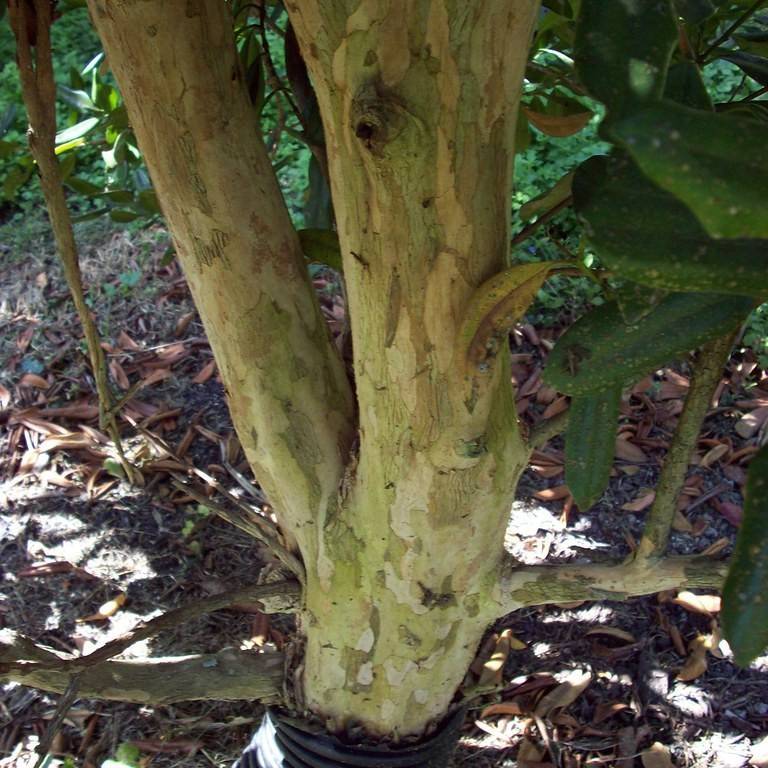
Bay Rum Tree
Pimenta racemosa
Overview
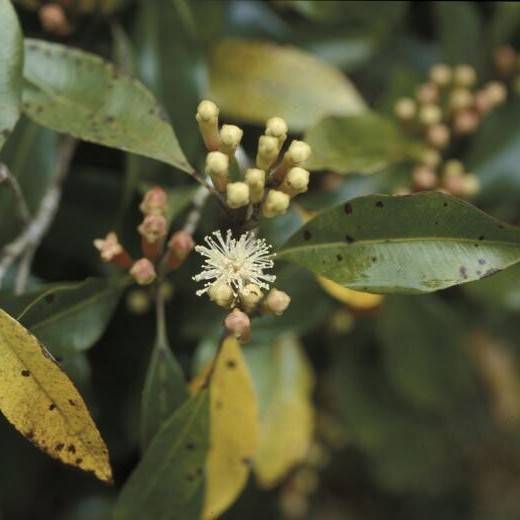
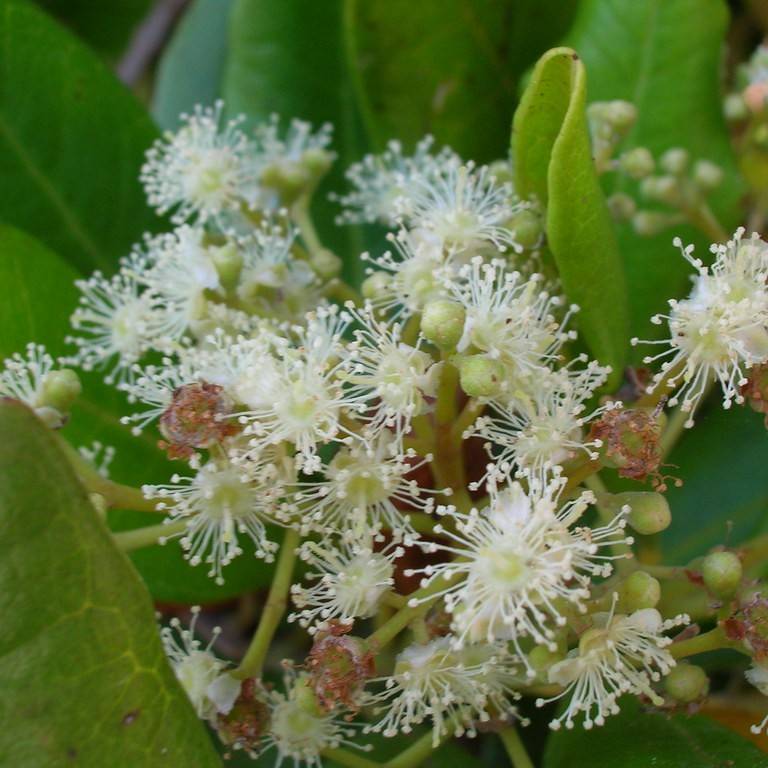
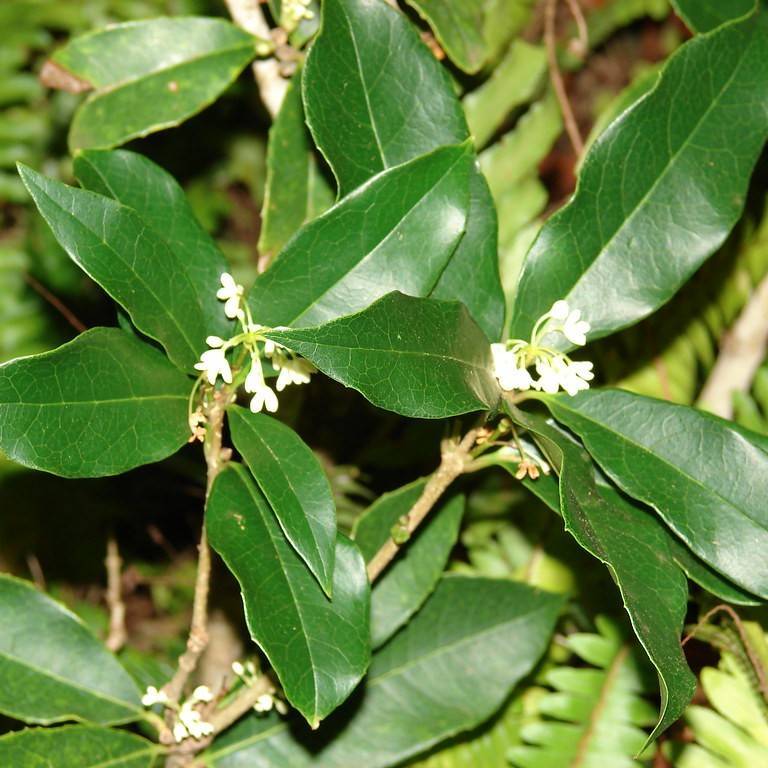
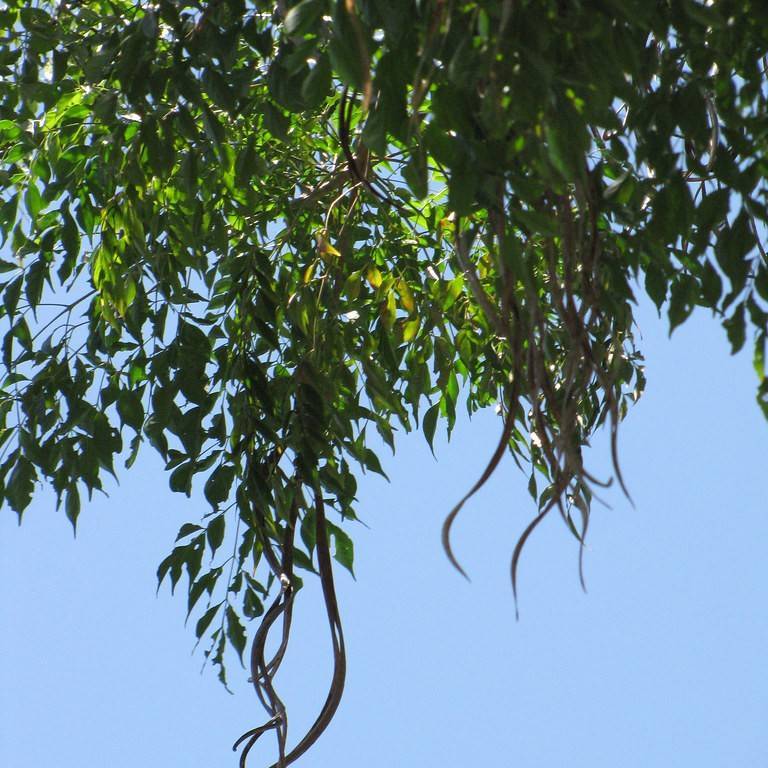
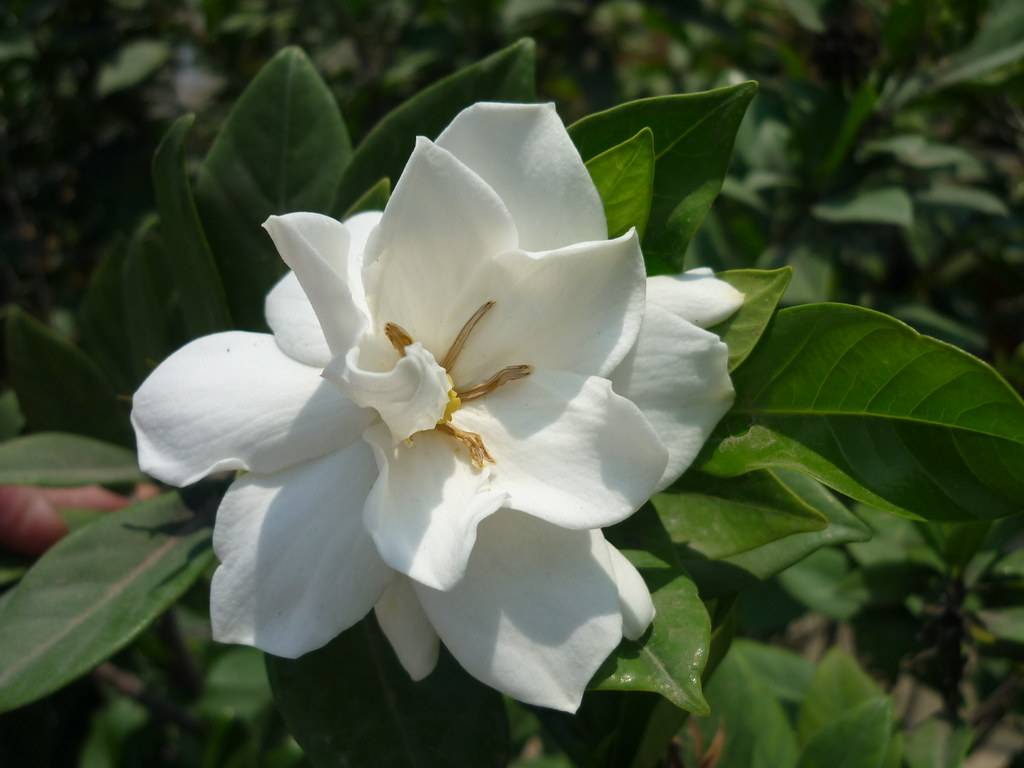
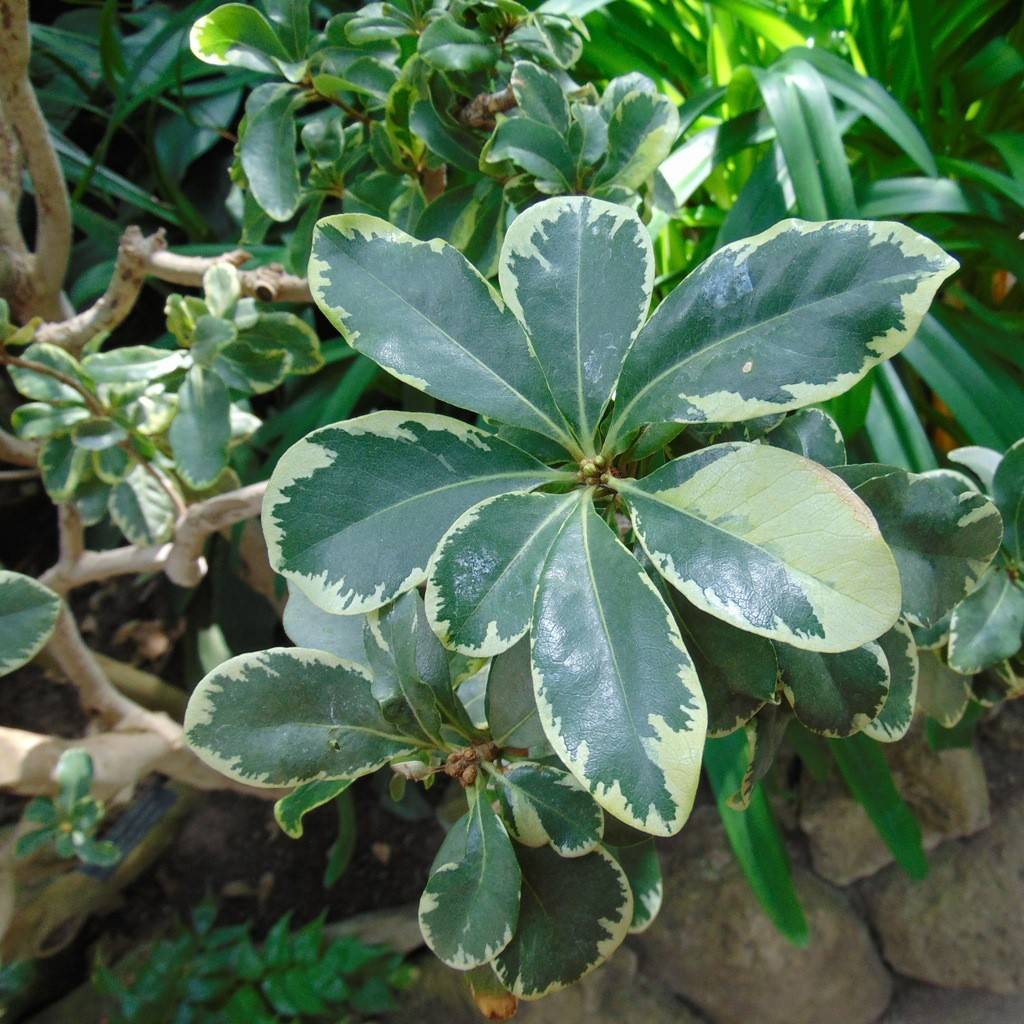
The bay rum tree is a dense, rounded evergreen with glossy, leathery, oval leaves that release a warm, spicy, clove-like aroma when crushed. It produces small clusters of creamy white flowers in spring, followed by dark purple, berry-like fruits that are attractive to birds. Native to warm coastal regions, it thrives in tropical and subtropical climates, and is often grown as a ornamental landscape tree or potted specimen in cooler areas.
Care Guide
Watering
Water regularly during the growing season, allowing the top 1-2 inches of soil to dry out between waterings to prevent root rot. Reduce watering frequency in winter when growth slows, taking care not to overwater potted specimens sitting in cool, low-light conditions.
Light
Requires full sun to partial shade for optimal growth and essential oil production, with at least 6 hours of direct sunlight daily for best performance. Indoor potted plants should be placed near a south or west-facing window, and may need supplemental grow lights in low-light environments.
Soil
Prefers well-draining, loamy or sandy soil with a slightly acidic to neutral pH range of 5.5 to 7.0. Avoid heavy, waterlogged clay soils; amend planting sites with compost or perlite to improve drainage, and use a coarse, well-aerated potting mix for container-grown trees.
Fertilizer
Feed with a balanced, slow-release granular fertilizer formulated for tropical trees in early spring, mid-summer, and early fall during active growth. Potted specimens can be given a diluted liquid fertilizer every 4-6 weeks during the growing season, and fertilization should be stopped entirely in winter.
Temperature
Thrives in warm temperatures between 65-85°F (18-29°C), and is highly sensitive to frost, with temperatures below 32°F (0°C) causing leaf damage or death. Cooler climate growers must bring potted trees indoors during winter, and avoid placing them near cold drafts or heating vents.
Pruning
Prune in late winter or early spring before new growth emerges to shape the tree, remove dead, damaged, or crossing branches, and improve air circulation through the canopy. Light pruning of outer foliage can also be done at any time of year to harvest aromatic leaves for personal use, without harming the tree.
Propagation
Most commonly propagated from fresh seed, which should be sown immediately after harvesting for best germination rates, typically within 2-4 weeks in warm, moist conditions. It can also be propagated from semi-hardwood cuttings taken in summer, though cuttings have a lower success rate and may require rooting hormone and bottom heat to root successfully.
Humidity
Prefers moderate to high humidity levels between 50-70%, typical of its native tropical habitat. Indoor potted plants may benefit from regular misting, a pebble tray filled with water, or a humidifier during dry winter months to prevent leaf browning at the edges.
Repotting
Potted bay rum trees should be repotted every 2-3 years in spring, moving up to a container one size larger to accommodate root growth. For mature specimens that are difficult to repot, top-dress annually by removing the top 2-3 inches of old soil and replacing it with fresh, nutrient-rich potting mix.
Uses & Symbolism
The aromatic leaves are the primary ingredient in bay rum, a traditional cologne, aftershave, and topical liniment prized for its warm, spicy scent. Dried leaves are also used as a culinary spice similar to Mediterranean bay leaves, adding depth to soups, stews, marinades, and Caribbean dishes. It is grown as an ornamental landscape tree in warm regions for its dense foliage, fragrant flowers, and attractiveness to pollinators and birds.
Diseases & Pests
The bay rum tree is relatively pest-resistant, but may be susceptible to scale insects, mealybugs, and spider mites, particularly on indoor potted specimens grown in low-humidity conditions. Overwatering or poorly draining soil can lead to root rot, the most common fungal disease affecting this species, which presents as yellowing leaves and stunted growth. Leaf spot diseases may occur in overly wet, humid conditions with poor air circulation, and can be managed by removing affected foliage and adjusting watering practices.
Related plants
Other plants you might like if you grow Bay Rum Tree.