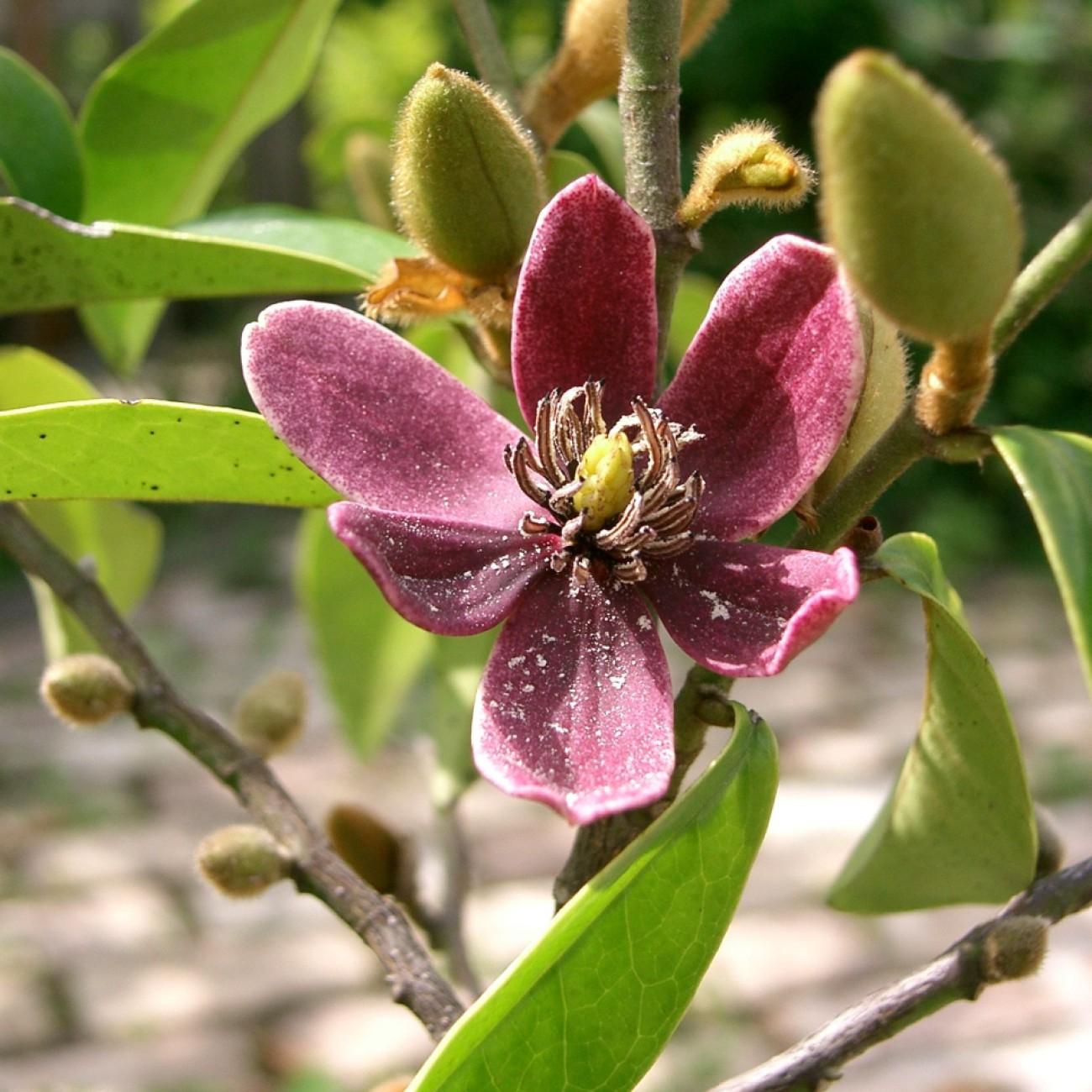
Banana Magnolia
Magnolia figo
Overview
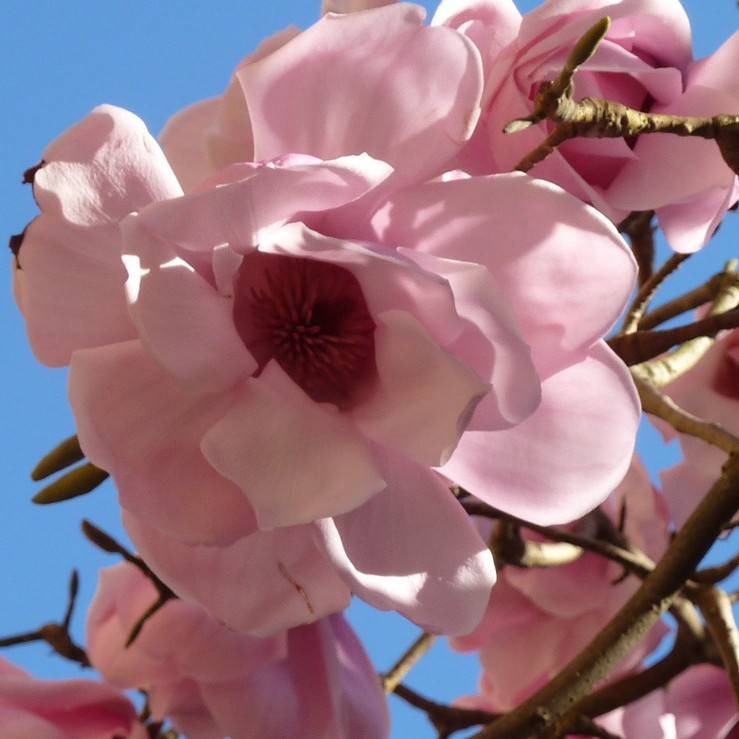
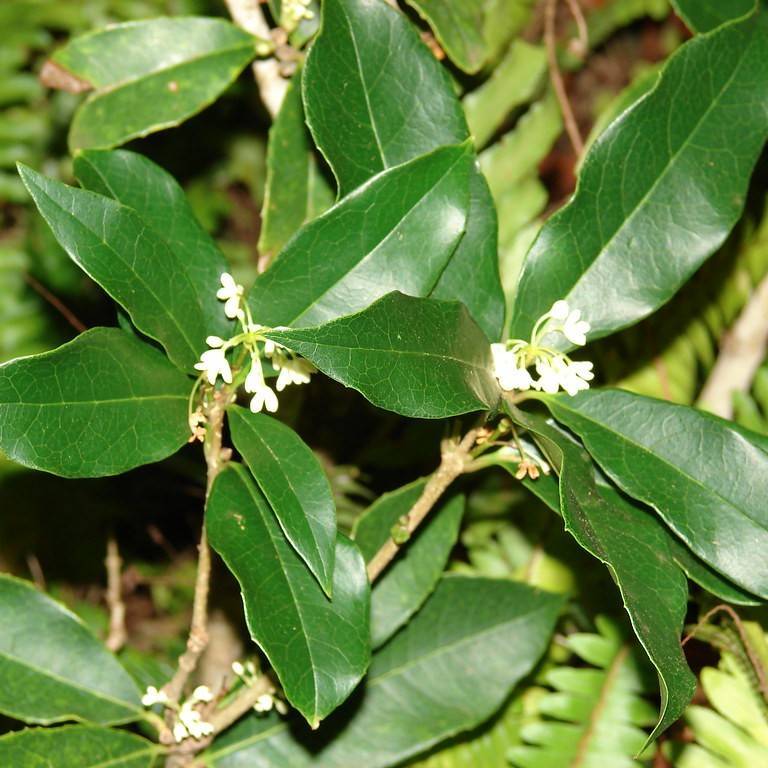
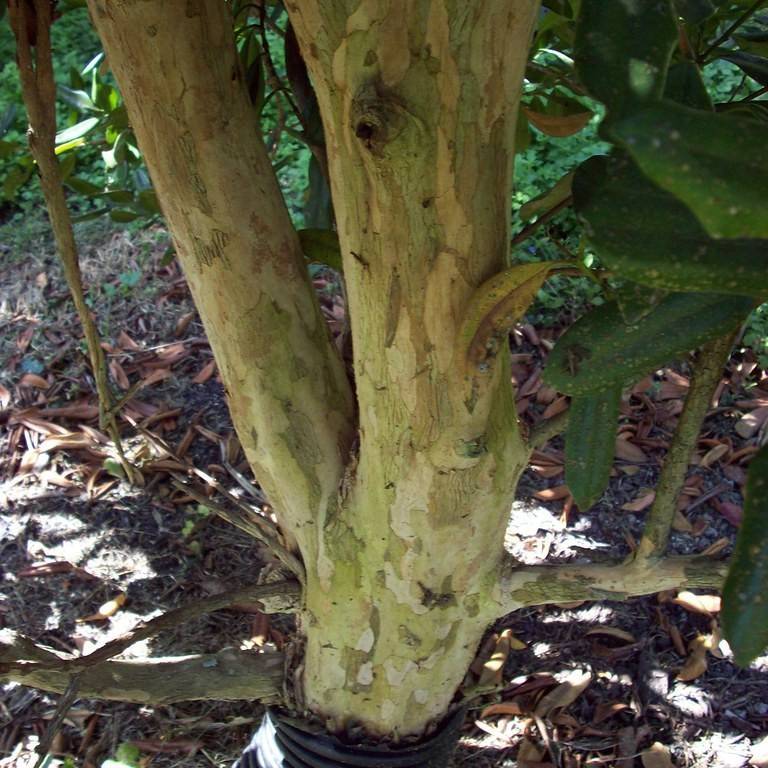
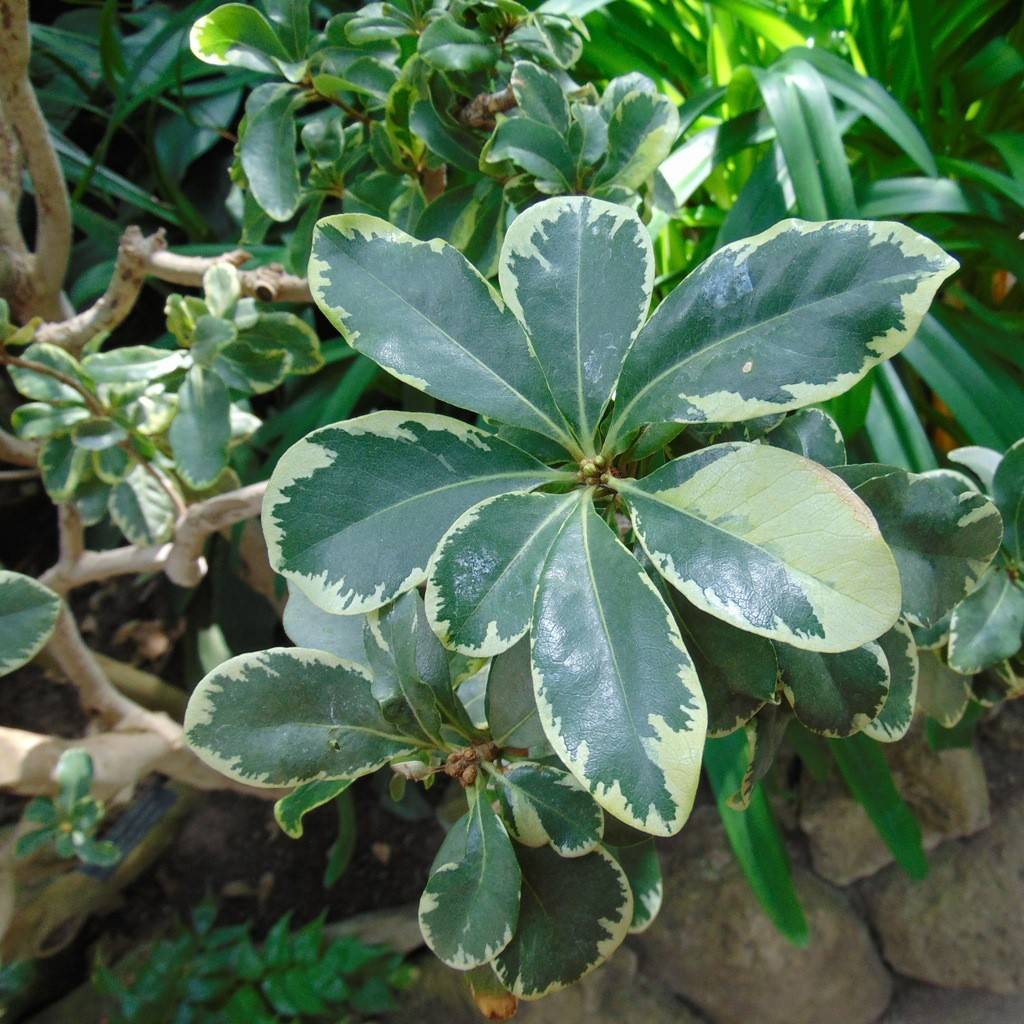
The banana magnolia, also called port wine magnolia for darker-flowered cultivars, is a slow-growing evergreen with glossy, dark green, leathery leaves that retain their color year-round. Its small, cup-shaped flowers bloom in late spring to early summer, releasing a sweet, fruity banana-like scent that carries across small gardens. It grows naturally as a rounded, multi-stemmed shrub but can be trained into a small single-trunk tree in suitable climates.
Care Guide
Watering
Water banana magnolia regularly during the first 2-3 years of establishment to keep the soil consistently moist but not waterlogged. Once established, it is moderately drought tolerant, requiring supplemental water only during extended dry periods to prevent leaf drop and support flowering. Avoid overwatering, as soggy soil can lead to root rot in this sensitive species.
Light
Plant banana magnolia in a location that receives full sun to partial shade for optimal flowering. In regions with intense, hot summer sun, provide light afternoon shade to prevent leaf scorch and protect delicate blooms from fading prematurely. Too much deep shade will reduce bloom production and result in a sparse, leggy growth habit.
Soil
Banana magnolia thrives in well-drained, slightly acidic to neutral soil with a pH range of 5.5 to 7.0. It prefers loamy, organically rich soil that retains adequate moisture without becoming waterlogged. Amend heavy clay or sandy soils with compost or well-rotted manure before planting to improve structure and nutrient content.
Fertilizer
Feed banana magnolia in early spring before new growth emerges using a slow-release, balanced fertilizer formulated for acid-loving woody plants. Apply a second light feeding immediately after flowering ends to support new foliage growth and prepare the plant for the following year’s bloom cycle. Avoid fertilizing late in the growing season, as this can stimulate tender new growth that is vulnerable to frost damage.
Temperature
This species grows best in USDA hardiness zones 7 through 9, tolerating minimum winter temperatures as low as 0°F (-18°C) when established. Young plants require winter protection, such as burlap wrapping or a thick layer of mulch around the root zone, to insulate them from extreme cold and wind burn. It tolerates high summer heat well as long as it receives adequate moisture and partial afternoon shade in warmer climates.
Pruning
Prune banana magnolia immediately after flowering finishes to avoid removing the next year’s bloom buds, which form on old wood. Remove dead, damaged, or crossing branches to improve air circulation through the canopy and maintain a tidy, rounded shape. Avoid heavy pruning, as this species responds slowly to cutting back and may take several years to resume abundant flowering after aggressive trimming.
Propagation
Banana magnolia is most commonly propagated via semi-hardwood cuttings taken in mid to late summer, treated with rooting hormone, and placed in a well-drained, sterile rooting medium under high humidity. It can also be grown from fresh seed harvested in fall, though seeds require 3-6 months of cold stratification to germinate, and seedlings may take 5-7 years to produce flowers. Grafting onto hardy magnolia rootstock is often used for named cultivars to ensure consistent flower characteristics and faster bloom time.
Humidity
Banana magnolia prefers moderate to high humidity levels between 40% and 70%, which supports healthy foliage and abundant bloom production. In dry climates or indoor settings, mist the foliage regularly or place a pebble tray filled with water beneath the plant to raise ambient humidity. Low humidity can cause leaf tip browning and reduce the intensity of the flower fragrance.
Repotting
If grown in a container, repot banana magnolia every 2-3 years in early spring before new growth begins, using a slightly larger pot with drainage holes. Use a well-drained, acidic potting mix formulated for woody ornamental plants, and avoid disturbing the root ball more than necessary to prevent transplant shock. After repotting, water thoroughly and place the plant in a partially shaded location for 1-2 weeks to allow it to acclimate.
Uses & Symbolism
Banana magnolia is widely planted as an ornamental specimen in gardens, often placed near patios, walkways, or windows where its strong, sweet banana fragrance can be enjoyed. It works well as a dense evergreen hedge or privacy screen when planted in rows, and smaller cultivars are suitable for growing in large containers on patios or balconies. In traditional Chinese medicine, extracts from its bark and flowers have been used to treat respiratory conditions and inflammation, though medicinal use is not common in Western herbalism.
Diseases & Pests
Banana magnolia is relatively pest and disease resistant, but it can be susceptible to scale insects, spider mites, and aphids, which feed on sap from the undersides of leaves and can cause yellowing or stunted growth. Fungal leaf spot and powdery mildew may occur in conditions of poor air circulation or prolonged high humidity, leading to unsightly blemishes on foliage. Overwatering or poorly drained soil can cause root rot, a potentially fatal condition that presents as yellowing leaves, wilting, and stunted growth.
Related plants
Other plants you might like if you grow Banana Magnolia.